Source Embroidery Elastic Lace Fabric for Clothing, Lingerie, and Decor
Compare 30 listings of Embroidery Elastic Lace Fabric from verified suppliers. Buyers can evaluate features like elasticity, material types including cotton and nylon, and customization options for clothing, lingerie, and decorative applications; compare the available evidence and request quotations based on your requirements.
Key considerations
Products List


$2.00 - $5.00
MOQ: 50 Meters


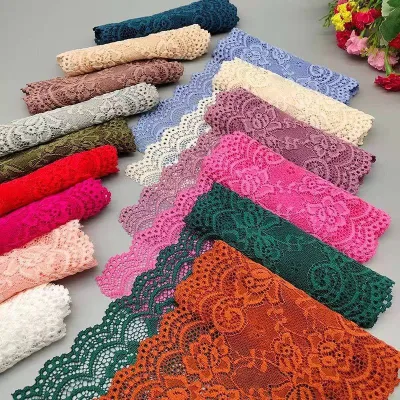


Elastic Lace Trim Fabric for Lingerie - High-Quality Garment Accessories
$0.70 - $0.75
MOQ: 15000 Yards


Comprehensive Sourcing Guide
Embroidery Elastic Lace Fabric Sourcing Guide
Sourcing Embroidery Elastic Lace Fabric requires a nuanced understanding of material composition, construction techniques, and supply chain logistics. Buyers must navigate a market where product attributes vary significantly between suppliers, ranging from cotton-based trims to nylon and polyester blends. The core keyword highlights a specific intersection of elasticity and decorative embroidery, which demands careful verification of stretch recovery and thread durability. This guide provides a structured approach to evaluating listings, ensuring that procurement teams can distinguish between high-quality warp knitting lace and inferior alternatives. By focusing on observable listing signals and technical specifications, buyers can mitigate the risk of receiving materials that fail to meet the stringent requirements of garment construction.
The procurement process for this specialized textile involves balancing aesthetic appeal with functional performance. Elasticity is a critical feature, often described as medium or high, which directly impacts the fit and comfort of the final apparel. Embroidery techniques, whether machine-embroidered or hand-finished, add complexity to the manufacturing process and influence lead times. Buyers should prioritize suppliers who offer one-stop solutions and customized services, as these providers are better equipped to handle the intricate demands of lace production. Understanding the origin of materials, such as those sourced from Guangzhou or Zhejiang in China, helps in assessing the reliability of the supply chain. This guide aims to equip buyers with the knowledge to make informed decisions that align with their brand’s quality standards and operational timelines.
Product Scope and Observed Listing Signals
The observed product landscape for Embroidery Elastic Lace Fabric reveals a diverse range of specifications that buyers must carefully evaluate. Listings frequently highlight key attributes such as elasticity, breathability, and specific pattern types like geometry, jacquard, or printed designs. For instance, some products are identified as warp knitting lace with a knitted technic, while others emphasize embroidered details using nylon thread. The material composition varies, with cotton, nylon, and polyester being common choices, each offering distinct benefits in terms of comfort and durability. Buyers should note that features like wrinkle resistance and medium elasticity are often cited, indicating the fabric’s suitability for form-fitting garments. These signals provide a preliminary filter for identifying products that align with specific design requirements, allowing procurement teams to narrow down their search efficiently.
Shipping and packaging details are also prominent in product listings, offering insights into supplier logistics and handling practices. Common shipping methods include sea, air, and express options, which cater to different urgency levels and budget constraints. Packaging is typically described as poly bags and cartons, or sometimes as rolls, depending on the product model and supplier preference. Some listings specify customized packing requirements, suggesting flexibility in how materials are delivered to meet client needs. Additionally, the presence of specific product models, such as GVL-N050 or GZGVL-C00013, indicates a standardized inventory system that buyers can reference for reordering. Understanding these logistical signals helps buyers anticipate delivery timelines and storage requirements, ensuring a smoother transition from order placement to production integration.
Technical Specifications to Verify
Verifying technical specifications is crucial to ensuring that the Embroidery Elastic Lace Fabric meets the functional demands of the final product. Buyers should confirm the exact material composition, as cotton, nylon, and polyester each offer different stretch properties and care requirements. The technic of production, whether knitted or embroidered, significantly affects the fabric’s drape and structural integrity. For example, warp knitting lace provides a stable base for intricate embroidery, while machine embroidery adds decorative elements that must withstand washing and wear. It is essential to verify the edge finishing, such as cut-out edges, which can impact the ease of sewing and the final aesthetic. Additionally, the color production method, whether dyed or printed, influences colorfastness and consistency across large batches. These technical details must be explicitly confirmed with the supplier to avoid discrepancies between samples and bulk production.
Pattern and customization options are another critical area for verification, as they directly influence the design flexibility of the final garment. Listings may indicate available customization services, allowing buyers to tailor the lace to specific brand requirements. The pattern type, whether geometry, jacquard, or printed, should be matched with the intended application to ensure visual harmony. For instance, lingerie or decorative applications may require delicate, fine-patterned lace, while clothing trims might benefit from more robust, geometric designs. Buyers should also inquire about the embroidery thread material, as nylon thread is commonly used for its strength and sheen. Confirming these specifications ensures that the fabric not only looks appealing but also performs well in real-world conditions. This diligence helps prevent costly revisions and ensures that the final product aligns with the brand’s quality expectations.
Compliance and Safety Documentation
Compliance and safety documentation are non-negotiable elements in the procurement of Embroidery Elastic Lace Fabric, particularly for global markets. Buyers must ensure that suppliers provide relevant certifications, such as SGS approval, which verifies that the materials meet international safety and quality standards. While OEKO-TEX is a recognized standard for textile safety, its specific status should be verified on a case-by-case basis, as it is not universally applied to all lace products. Documentation should confirm that the materials are free from harmful substances, ensuring compliance with regulations in target markets. This is especially important for products intended for intimate apparel or children’s clothing, where skin contact is frequent. Buyers should request test reports that detail the chemical composition and physical properties of the fabric, providing a clear audit trail for regulatory compliance.
In addition to chemical safety, buyers should verify the environmental and ethical standards adhered to by the supplier. Although specific environmental certifications are not always listed, understanding the supplier’s practices regarding waste management and energy use can provide insights into their overall sustainability profile. Buyers may also need to ensure that the production process complies with labor standards, particularly if sourcing from regions with varying regulatory environments. Clear documentation of these aspects helps mitigate reputational risks and aligns the procurement process with corporate social responsibility goals. By prioritizing suppliers with robust compliance frameworks, buyers can protect their brand’s integrity and ensure that their products meet the evolving expectations of conscious consumers. This proactive approach to documentation not only safeguards against legal issues but also enhances the brand’s market position.
Cost Drivers and Commercial Terms
Cost drivers for Embroidery Elastic Lace Fabric are influenced by material quality, production complexity, and order volume. The choice of material, such as cotton versus synthetic blends, significantly impacts the base price, with natural fibers often commanding a premium due to their comfort and perceived value. The intricacy of the embroidery pattern and the technic used, whether machine-embroidered or hand-finished, also contribute to higher costs. Buyers should be aware that customization services, while valuable, may incur additional fees. Minimum order quantities (MOQs) vary widely, ranging from 1000 pieces to 15000 units, affecting the unit price through economies of scale. Understanding these variables allows buyers to negotiate more effectively and align their procurement strategy with budget constraints.
Commercial terms, including shipping methods and lead times, play a crucial role in the total cost of ownership. Suppliers typically offer sea, air, or express shipping, each with different cost implications and delivery speeds. Lead times can range from 5 to 10 days for standard orders, with sample lead times of 5 to 7 days. Buyers should factor in these timelines when planning production schedules to avoid delays. Payment terms and currency fluctuations may also impact the final cost, so it is advisable to lock in prices when possible. Additionally, packaging requirements, such as poly bags and cartons, can add to the logistical costs. By carefully evaluating these commercial terms, buyers can optimize their procurement process, ensuring that they receive high-quality materials at competitive prices without compromising on delivery schedules.
Supplier Qualification and Quality Control
Supplier qualification is a critical step in ensuring the reliability and consistency of Embroidery Elastic Lace Fabric supplies. Buyers should assess the supplier’s production capabilities, including their expertise in warp knitting and embroidery techniques. A supplier’s ability to offer one-stop solutions and customized services indicates a higher level of operational maturity and flexibility. It is also important to verify the supplier’s location, as those based in industrial hubs like Guangzhou or Zhejiang may have better access to raw materials and skilled labor. Buyers should request references or case studies to gauge the supplier’s track record in delivering high-quality lace products. This due diligence helps identify partners who can consistently meet quality standards and adapt to changing market demands.
Quality control measures must be rigorously enforced throughout the production process to prevent defects and ensure product consistency. Buyers should establish clear quality benchmarks, including checks for elasticity, colorfastness, and embroidery integrity. Regular inspections, both during production and before shipment, are essential to catch any issues early. Suppliers should provide detailed quality reports that document the results of these inspections, allowing buyers to verify compliance with agreed-upon standards. Additionally, buyers should consider implementing a sampling process, where pre-production samples are reviewed and approved before bulk manufacturing begins. This proactive approach to quality control minimizes the risk of receiving substandard materials and ensures that the final product meets the brand’s expectations. By prioritizing supplier qualification and rigorous quality control, buyers can build a resilient supply chain that supports their long-term business goals.
Long-Term Procurement Checks
Long-term procurement checks are essential for maintaining the integrity and efficiency of the supply chain for Embroidery Elastic Lace Fabric. Buyers should conduct periodic audits of their suppliers to ensure ongoing compliance with quality and safety standards. These audits should cover not only the final product but also the supplier’s production processes and environmental practices. Regular communication with suppliers helps to identify potential issues early and fosters a collaborative relationship that can lead to continuous improvement. Buyers should also monitor market trends and technological advancements in lace production, as these can impact the availability and cost of materials. By staying informed, buyers can make proactive adjustments to their procurement strategy, ensuring that they remain competitive in a dynamic market.
Additionally, buyers should evaluate the performance of their current suppliers against key performance indicators (KPIs) such as delivery reliability, defect rates, and responsiveness to issues. These metrics provide valuable insights into the supplier’s operational efficiency and help identify areas for improvement. Buyers should also consider diversifying their supplier base to mitigate risks associated with single-source dependencies. This strategy ensures that the supply chain remains resilient in the face of disruptions, such as raw material shortages or logistical challenges. By implementing these long-term checks, buyers can build a robust and adaptable procurement system that supports their business growth and maintains high standards of quality and service. This strategic approach to supplier management is crucial for sustaining long-term success in the competitive textile industry.
FAQs
What materials are used for Embroidery Elastic Lace Fabric?
The fabric is primarily made from cotton, nylon, and polyester. Some versions use nylon thread for the embroidery details. These materials provide elasticity and breathability, making them suitable for clothing trims and lingerie applications. The choice of material affects the final texture and durability of the lace.
Can I customize the pattern and color of the lace?
Yes, customization is available for both patterns and colors. Buyers can choose from geometry, printed, or jacquard patterns. The color production is typically dyed, allowing for specific color requirements. This flexibility supports unique design needs for various clothing and decorative applications.
What is the minimum order quantity for this lace fabric?
The minimum order quantity varies by product model. Some items require 1000 pieces, while others may need 1000 yards or a flat 1000 units. Buyers should check the specific model details for exact MOQ requirements. This ensures accurate planning for bulk procurement and inventory management.
How long does delivery take for embroidered lace orders?
Standard delivery time is typically 5 to 10 days after order confirmation. Sample lead time is usually 5 to 7 days. Shipping can be arranged by sea, air, or express methods. These timelines help buyers plan their production schedules and manage inventory effectively.
What certifications are associated with this lace fabric?
The product holds SGS approval, ensuring quality and safety standards are met. This certification is relevant for buyers requiring verified material compliance. The lace is categorized under warp knitting lace with specific technical processes like embroidery and knitting. Buyers should verify specific certification needs for their market.
Where is this Embroidery Elastic Lace Fabric manufactured?
The fabric originates from China, specifically from regions like Guangzhou and Zhejiang. These locations are known for textile manufacturing. The products are packed in poly bags, cartons, or rolls as per requirements. Buyers can source directly from these established manufacturing hubs for reliable supply.