Source Built-in Spring Hydraulic Ram for Dump Trucks, Construction, and Agriculture
Find a built-in spring hydraulic ram from 30 verified suppliers offering single and double acting options. Compare specifications like working pressure, piston diameter, and material to match your equipment needs.
Key considerations
Products List


Control Hydraulic Machine Box Wire Remote AC 380V Electric Hydraulic RAM
$799.00 - $899.00
MOQ: 1 Pieces

Factory Price 2~10 T High Quality Hydraulic RAM Pull Back Hydraulic RAM
$299.00 - $399.00
MOQ: 1 Pieces


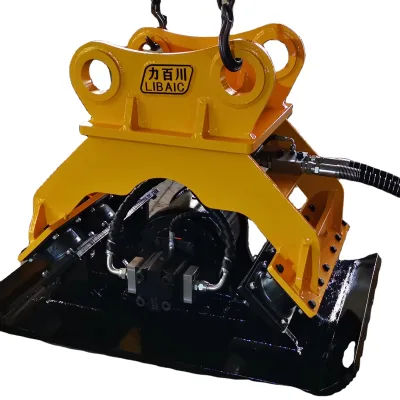


3000psi High Quality Customized Hydraulic RAM Used by Excavator Attachment Parts
$50.00 - $80.00
MOQ: 1 Pieces


Comprehensive Sourcing Guide
Strategic Sourcing Guide for Built-in Spring Hydraulic Rams
Understanding Technical Specifications and Operational Parameters
When sourcing built-in spring hydraulic rams, buyers must first establish a clear understanding of the technical parameters that define performance and compatibility. The core functionality of these components relies on the interaction between hydraulic pressure and spring force to achieve linear motion. Based on available market data, these units are frequently categorized by their acting method, with options available for both single-acting and double-acting configurations. Single-acting rams typically utilize hydraulic pressure for extension and a built-in spring for retraction, whereas double-acting variants use hydraulic fluid for both extension and retraction, often incorporating springs for specific damping or safety functions.
The physical dimensions of the ram are critical for integration into existing machinery. The working length of these units can vary significantly, ranging from 50mm to as much as 16,000mm, allowing for applications in both compact mechanisms and large-scale industrial structures. Correspondingly, the tube inside diameter typically spans from 40mm to 1,000mm, while the piston diameter ranges from 12mm to 410mm. These dimensional variances directly influence the force output and stroke capabilities of the device. Buyers should verify that the selected piston diameter and tube size align with the load requirements of their specific application, such as dump truck lifting mechanisms or heavy-duty industrial presses.
Pressure ratings are another fundamental specification. The operating pressure for these hydraulic rams can range from low pressure up to high-pressure environments, with specific data points indicating working pressures between 70 Bar and 700 Bar. In metric terms, working pressures are often cited between 7MPa and 31.5MPa. The choice of working medium is equally important; these rams are designed to operate with water glycol, oil, or other compatible hydraulic fluids. The selection of the working medium must be compatible with the seal materials and the internal surface finish of the cylinder to prevent degradation over time. Additionally, the mounting configuration is often customizable, with options for vertical or horizontal installation, ensuring the ram can be integrated into various structural layouts without requiring extensive modification to the host equipment.
Compliance, Certification, and Material Standards
Ensuring that a hydraulic ram meets international safety and quality standards is a non-negotiable aspect of B2B procurement. The supply chain for these components, particularly those originating from major manufacturing hubs in China, often adheres to rigorous certification protocols. Buyers should verify that suppliers possess valid ISO certifications, specifically ISO9001 for quality management systems, and other relevant standards such as ISO, RoHS, GS, and CE. These certifications indicate that the manufacturer follows standardized procedures for production, testing, and quality assurance.
Material selection is a primary driver of both performance and compliance. The market offers rams constructed from carbon steel, which provides high strength and durability for general industrial applications, as well as stainless steel options for environments requiring corrosion resistance, such as those exposed to moisture or chemical agents. The choice between carbon steel and stainless steel should be dictated by the operating environment and the required lifespan of the component. Furthermore, the seals used within the ram are critical for maintaining pressure integrity. High-quality seals are a standard expectation, often described as "top quality" in supplier listings, and they must be compatible with the selected working medium to prevent leakage and ensure smooth operation.
Standards for the product itself are often flexible, with many manufacturers offering customization to meet specific customer requirements. While some units may adhere to general industry standards, others are built strictly according to the buyer's unique specifications. This flexibility allows for tailored solutions but requires the buyer to clearly define their technical requirements in the initial inquiry. The standard packaging for these units often includes a combination of cartons and iron crates, or seaworthy packing with wood frames, to ensure the product arrives in pristine condition despite long-distance shipping. Buyers should confirm that the packaging meets the necessary export standards to prevent damage during transit, which could compromise the integrity of the hydraulic seals or the cylinder walls.
Cost Drivers and Pricing Structures
The pricing of built-in spring hydraulic rams is influenced by a complex interplay of factors, including size, pressure rating, material composition, and customization level. The observed price range in the market is extensive, spanning from approximately 29 USD to 30,000 USD. This vast disparity reflects the difference between small, standard off-the-shelf units and large, custom-engineered systems designed for heavy industrial use. The working length and piston diameter are significant cost drivers; a ram with a working length of 16,000mm and a piston diameter of 410mm will naturally command a higher price than a compact unit with a 50mm stroke and 12mm piston.
Material costs also play a substantial role in the final price. Stainless steel rams generally cost more than their carbon steel counterparts due to the higher raw material costs and the more complex manufacturing processes required to maintain the corrosion-resistant properties of the steel. Similarly, the pressure rating affects the cost, as higher-pressure units require thicker cylinder walls, more robust seals, and more precise machining to withstand the increased stress. The "High Pressure" and "Medium Pressure" classifications indicate different engineering tolerances and material requirements, which directly impact the manufacturing cost.
Minimum Order Quantity (MOQ) is another critical factor in the total cost of ownership. The market shows an MOQ range from 1 to 100 units. For buyers requiring a single unit for prototyping or small-scale repair, the unit price may be higher due to the lack of economies of scale. Conversely, bulk orders of 100 units or more often benefit from lower per-unit pricing. Customization is a key variable; while many suppliers offer "as customer's need" models, including specific lengths, diameters, and mounting configurations, these custom orders may incur additional tooling or setup costs. Buyers should request detailed quotes that break down the base price, customization fees, and any volume discounts to accurately assess the total investment required.
Typical Applications and Industry Use Cases
Built-in spring hydraulic rams are versatile components found across a wide array of industries, each demanding specific performance characteristics. One of the most common applications is in the automotive sector, particularly for dump trucks. In this context, the ram is used to lift the truck bed for unloading materials. The "Single Action" and "Straight Trip" working methods are particularly suited for this application, where hydraulic pressure extends the ram to lift the load, and the built-in spring or gravity assists in retraction or stabilization. The ability to customize the working length and mounting ensures that the ram fits the specific chassis and bed dimensions of various truck models.
Beyond the automotive industry, these rams are utilized in heavy machinery and construction equipment. The high-pressure capabilities, reaching up to 700 Bar, make them suitable for lifting heavy loads in cranes, excavators, and hydraulic presses. The "Piston Type" structure provides the necessary stability and force transmission for these demanding tasks. In industrial automation, the rams serve as actuators for clamping, positioning, and sorting mechanisms. The "Switching Type" and "Regulated Type" adjusted forms allow for precise control over the ram's movement, which is essential for automated assembly lines.
The versatility of these components extends to specialized environments where temperature and corrosion resistance are concerns. Units designed for "High Temperature" operation are available, making them suitable for use in foundries or near heat-generating machinery. Similarly, stainless steel variants are preferred in food processing or chemical industries where hygiene and resistance to corrosive substances are paramount. The "Normal Temperature" and "High Temperature" options ensure that buyers can select a ram that matches the thermal profile of their specific application. Whether the application requires a "Low Pressure" system for light-duty tasks or a "High Pressure" system for heavy lifting, the availability of different pressure ratings and working mediums allows for precise matching to the operational needs of the facility.
Supplier Evaluation and Quality Assurance Protocols
Selecting the right supplier is as critical as selecting the right product. Buyers should prioritize suppliers who demonstrate transparency in their manufacturing processes and provide clear documentation of their quality control measures. A reputable supplier will offer detailed product specifications, including material certifications, seal types, and pressure test results. The presence of certifications such as ISO9001, RoHS, and GS is a strong indicator of a supplier's commitment to quality and compliance. However, buyers should not rely solely on the presence of these certifications; they should request evidence of recent audits or test reports to verify the current status of the supplier's quality management system.
Quality control should be a continuous process throughout the procurement lifecycle. Buyers should inquire about the supplier's in-process inspection methods, including checks for dimensional accuracy, surface finish, and seal integrity. The "Condition: New" status is standard, but buyers should verify that the rams are manufactured to strict tolerances to ensure smooth operation and longevity. The warranty period, typically one year, is a baseline expectation, but buyers should also evaluate the supplier's after-warranty service capabilities, such as online support or spare parts availability. A supplier that offers robust after-sales support demonstrates confidence in their product quality and a commitment to long-term customer satisfaction.
When evaluating suppliers, buyers should also consider the origin of the product. Many high-quality hydraulic rams are manufactured in regions like Shandong, China, which is known for its robust industrial base. However, the origin alone does not guarantee quality. Buyers should assess the supplier's production capacity, lead times, and ability to handle custom orders. The "OEM" and "Consumer demand" model options suggest that suppliers are capable of adapting their production lines to meet specific client needs. Buyers should request samples or visit the manufacturing facility if possible to verify the production environment and quality control practices firsthand.
Long-Term Procurement and Maintenance Considerations
Sourcing built-in spring hydraulic rams is not just a one-time transaction; it involves long-term considerations regarding maintenance, reliability, and total cost of ownership. The "Warranty: 1 Year" is a standard offering, but buyers should plan for the long-term maintenance of these units. The "After Warranty Service: Online Support" indicates that suppliers are available for troubleshooting, but buyers should also ensure that spare parts, such as seals and piston rods, are readily available and compatible with the original unit. The "Standard Export Package or as Customer Requirement" packing suggests that suppliers are flexible, but buyers should ensure that the packaging protects the unit during storage and installation.
Maintenance planning should include regular inspections of the seals and the cylinder walls. The "Top Quality" seals are designed to last, but they are subject to wear and tear, especially in high-pressure or high-temperature environments. Buyers should establish a schedule for checking for leaks, unusual noises, or reduced performance, which could indicate seal degradation or internal damage. The "Working Medium" compatibility is crucial here; using the wrong fluid can accelerate seal wear and damage the cylinder. Buyers should work closely with their suppliers to ensure that the recommended working medium is used and that the maintenance procedures are followed strictly.
Finally, buyers should consider the scalability of their procurement strategy. As their operations grow, they may need to source additional rams with similar specifications or upgrade to higher-performance models. A supplier that offers "Customizable" standards and "Optional&Customizable" mounting options can grow with the buyer's needs. The ability to source rams with varying working lengths, from 50mm to 16,000mm, and piston diameters, from 12mm to 410mm, ensures that the buyer can adapt to changing operational requirements without switching suppliers. By building a long-term relationship with a reliable supplier, buyers can ensure a steady supply of high-quality hydraulic rams that meet their evolving needs.
Comparative Analysis of Key Product Attributes
To facilitate informed decision-making, the following table summarizes the key attributes of built-in spring hydraulic rams based on the observed market data. This comparison highlights the variability in specifications and helps buyers identify the features most relevant to their specific applications.
| Attribute Category | Key Variations Observed | Relevance to Procurement |
|---|---|---|
| Acting Way | Single Acting, Double Acting | Determines if the ram requires hydraulic power for retraction or relies on a spring. |
| Pressure Rating | Low, Medium, High (70-700 Bar) | Critical for matching the load requirements and safety factors of the application. |
| Material | Carbon Steel, Stainless Steel | Dictates corrosion resistance and suitability for specific environments (e.g., marine, chemical). |
| Working Length | 50mm to 16,000mm | Must align with the stroke requirements of the machinery being powered. |
| Piston Diameter | 12mm to 410mm | Influences the force output and the size of the cylinder required. |
| Mounting | Vertical, Horizontal, Optional | Affects installation flexibility and integration with existing equipment. |
| Certification | ISO, ISO9001, RoHS, GS | Ensures compliance with international safety and quality standards. |
| Warranty | 1 Year (Standard) | Indicates the manufacturer's confidence in product durability and after-sales support. |
This table serves as a quick reference for buyers to compare the essential features of different rams. By focusing on these attributes, buyers can narrow down their options to those that best fit their technical requirements and operational constraints. The variability in these attributes underscores the importance of a detailed specification sheet and clear communication with the supplier to ensure the final product meets all necessary criteria.
FAQs
What certifications do built-in spring hydraulic rams typically have?
These rams typically hold ISO9001, ISO, RoHS, and GS certifications. Buyers should verify that the supplier provides valid documentation for these standards to ensure quality management and safety compliance during production.
Which materials are used for manufacturing these hydraulic rams?
Manufacturers commonly use carbon steel and stainless steel for construction. Carbon steel offers high strength for general use, while stainless steel provides necessary corrosion resistance for harsh or wet operating environments.
How can I customize the specifications of a hydraulic ram?
Customization is available for working length, piston diameter, and mounting configurations. Buyers can request specific dimensions ranging from 50mm to 16,000mm in length and 12mm to 410mm in piston diameter to fit their machinery.
What is the pressure range for these hydraulic power units?
The working pressure ranges from 70 Bar to 700 Bar, covering low, medium, and high-pressure applications. Specific models may operate between 7MPa and 31.5MPa depending on the required force and system design.
Can these rams be installed in vertical or horizontal positions?
Yes, installation options include both vertical and horizontal mounting configurations. This flexibility allows the rams to be integrated into various structural layouts without requiring extensive modification to the host equipment.
What is the warranty period for these hydraulic components?
The standard warranty period is one year from the date of purchase. Buyers should also confirm the availability of online support for after-warranty service to ensure long-term operational reliability.
How are these hydraulic rams packaged for shipping?
Products are shipped using seaworthy packing methods such as cartons, iron crates, or wood frames. This ensures the units arrive in pristine condition and protects internal seals from damage during long-distance transit.