Source Butyl Rubber Car Sound Deadener for vehicles, vans, and trucks
Find 11 Butyl Rubber Car Sound Deadener options with varying sizes, thicknesses, and certifications. Buyers can compare specifications like material composition, packing types, and delivery times from suppliers in China.
Key considerations
Products List


$2.00 - $2.50
MOQ: 100 SHEET
Comprehensive Sourcing Guide
Strategic Sourcing Guide for Butyl Rubber Car Sound Deadener
Understanding Product Specifications and Material Composition
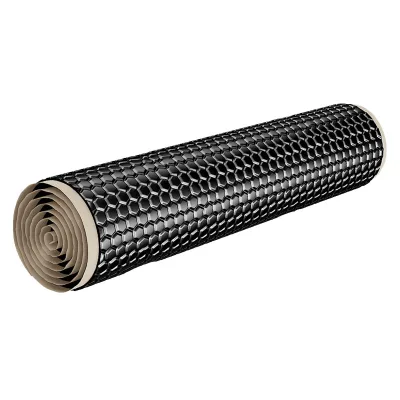
When sourcing Butyl Rubber Car Sound Deadener, the primary objective is to identify materials that effectively manage vibration and acoustic energy within automotive structures. The core composition of these products typically involves a layered construction where aluminum foil serves as a reflective barrier, while butyl rubber provides the necessary viscoelastic damping properties. Based on available market data, the standard material configuration is explicitly described as Aluminum Foil combined with Butyl Rubber, often including a release film to facilitate handling during the manufacturing process. This combination is critical for achieving the dual functions of sound insulation and vibration damping.
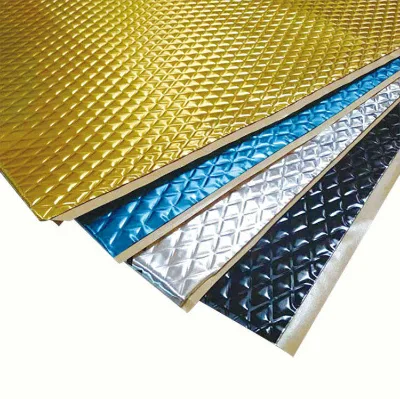
Buyers must scrutinize the specific thickness of the butyl layer, as this directly influences the material's mass and damping efficiency. The observed specifications indicate a thickness range of 1mm to 3mm, with the option for custom requests. This variability allows procurement teams to tailor the product to specific vehicle zones, such as the firewall, floor pans, or door panels, where different acoustic challenges exist. The surface characteristics are equally important; the aluminum foil layer may appear in various colors including blue, black, red, golden, and green, while the butyl core is typically available in black, white, or grey. These color options often serve as visual indicators for different product grades or specific application zones within a vehicle assembly line.
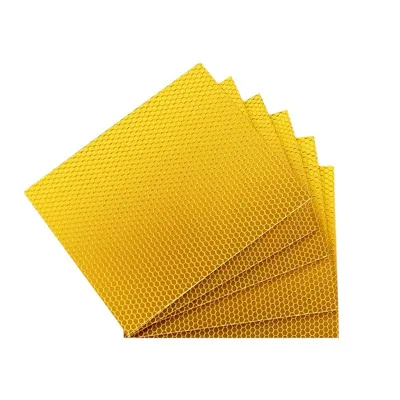
The physical dimensions of the deadener sheets are another critical specification. Standard roll or sheet sizes observed in the market include configurations such as 50cm by 80m, 50cm by 8m, and 50cm by 4m. For pre-cut applications, sizes like 40cm by 5m are also common. Furthermore, specific model numbers such as AT-003 or OEM008 suggest that manufacturers offer standardized SKUs alongside custom solutions. The surface texture may also vary, with embossing patterns like hexagon, diamond, or big square designs available to increase surface area and adhesion strength. These embossed patterns are not merely aesthetic but serve a functional role in preventing the material from sliding during installation and improving the bond with the vehicle's metal substrate.
Compliance, Certification, and Quality Standards
In the automotive supply chain, verifying compliance and certification is a non-negotiable step for any procurement of sound deadening materials. The presence of recognized certifications ensures that the product meets international safety and environmental standards. The available data confirms that suppliers in this sector often hold ISO9001 certification, which validates the manufacturer's quality management systems. Additionally, Reach compliance is frequently cited, indicating that the chemical composition of the butyl rubber and adhesive layers adheres to European Union regulations regarding the registration, evaluation, authorization, and restriction of chemicals. This is particularly vital for automotive components that may off-gas volatile organic compounds (VOCs) inside the passenger cabin.
While ISO14001 is sometimes mentioned in broader industry contexts regarding environmental management, buyers should exercise caution and verify this specific certification on a case-by-case basis rather than assuming its universal presence. The primary focus should remain on ISO9001 and Reach, as these are the most consistently observed standards for this product category. Buyers must request current, valid certificates from potential suppliers and ensure that the scope of the certification covers the specific manufacturing facility producing the butyl rubber deadener.
It is also essential to verify the origin of the materials. The majority of these products originate from China, with specific production hubs noted in regions like Shandong. While the geographic origin is a fact, the quality assurance protocols associated with that origin must be rigorously checked. The supplier should demonstrate that their production processes are consistent with the claimed standards. For instance, the "OEM high grade" designation implies a level of quality control suitable for original equipment manufacturers, but this claim must be backed by the aforementioned certifications and internal quality audit reports. Without these documents, the "high grade" label remains an unverified marketing assertion rather than a procurement guarantee.
Cost Drivers and Pricing Dynamics
The pricing of Butyl Rubber Car Sound Deadener is influenced by several distinct factors, primarily raw material costs, production complexity, and order volume. The observed price range in the market spans from $0.40 to $14.00 per unit, a wide variance that reflects differences in product specifications, thickness, and packaging. The lower end of this spectrum likely corresponds to standard thickness options (1mm) sold in bulk rolls, while the higher end may represent custom-thickness products, specialized embossing patterns, or smaller packaging units designed for retail or specific aftermarket applications.
Order volume is a significant determinant of the final unit cost. The Minimum Order Quantity (MOQ) for these products typically ranges from 36 units to 1,000 sheets. Suppliers often enforce a strict MOQ of 1,000 sheets for standard items, which suggests that smaller buyers may face higher per-unit costs or may need to consolidate orders with other procurement needs to achieve competitive pricing. The "Selling Units" are often listed as single items, but the economic reality of B2B procurement favors bulk purchasing to amortize shipping and handling costs.
Packaging requirements also impact the overall cost structure. Products are available in various packaging formats, including boxes, pallets, and stretch film tension packaging. The choice of packaging affects the logistics cost and the potential for damage during transit. For example, palletized shipping is more cost-effective for large volumes but requires significant warehouse space upon receipt. Conversely, box packaging is suitable for smaller orders but may incur higher per-unit shipping fees. Buyers should calculate the total landed cost, including packaging and freight, rather than focusing solely on the base product price. Additionally, customization features such as logo printing and specific embossing patterns can introduce additional tooling or setup fees, which should be factored into the budget before finalizing a supplier agreement.
Typical Applications and Vehicle Compatibility
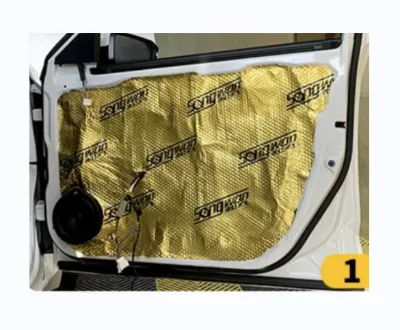
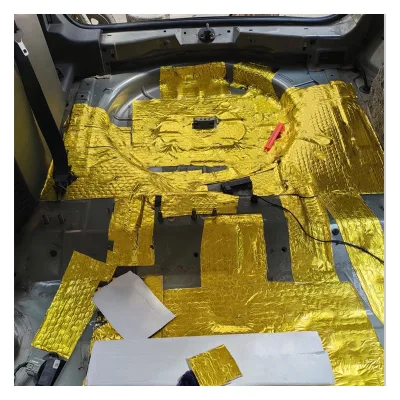
Butyl rubber sound deadeners are versatile materials designed for a wide array of automotive applications. The primary function is to reduce noise, vibration, and harshness (NVH) within the vehicle cabin. These materials are commonly applied to the floor, firewall, roof, and door panels to dampen road noise and engine vibrations. The specific application is often dictated by the vehicle's make and model, as different manufacturers utilize different acoustic engineering strategies. The observed data indicates compatibility with a broad spectrum of car brands, including Volkswagen, WuLing, Benz, BMW, Hyundai, Honda, Toyota, Jeep, Buick, Roewe, Audi, Lexus, and Volvo.
The installation method is a critical factor in the application process. The product is described as self-adhesive, which simplifies the installation procedure for both professional installers and DIY enthusiasts. This feature ensures a strong bond with the vehicle's metal surfaces without the need for additional adhesives or mechanical fasteners. The "Single Cylinder" structure and "Gas-Filled" attributes mentioned in some product listings may refer to specific damping mechanisms or related suspension components, but for sound deadeners, the focus remains on the sheet material's ability to absorb vibrational energy.
For aftermarket applications, the material's flexibility and ease of cutting are paramount. The standard sizes, such as 50cm by 80m rolls, allow installers to cut the material to fit complex curves and irregular shapes found in modern vehicle bodies. The embossed patterns, such as hexagon or diamond, not only enhance adhesion but also provide a textured surface that can be painted over if necessary, allowing for a seamless integration with the vehicle's interior design. The "Modern" design style noted in product attributes suggests that these materials are intended to meet contemporary aesthetic and functional standards, ensuring they do not detract from the vehicle's interior quality.
Supplier Evaluation and Procurement Considerations
Evaluating suppliers for butyl rubber car sound deadeners requires a multi-faceted approach that goes beyond price comparison. Buyers should prioritize suppliers who can demonstrate a consistent track record of meeting quality standards and delivering on time. The production location, specifically Shandong, China, is a known hub for automotive materials, but the specific factory's capabilities must be verified. Key evaluation criteria include the supplier's ability to provide customization, such as logo printing and specific color options for the aluminum foil and butyl layers. The availability of "Ok" logo printing indicates that branding is a standard service, but the quality of the print and its durability should be confirmed.
Lead time is another critical consideration in the procurement process. The observed delivery time ranges from 7 to 15 working days, which is relatively short but can vary based on order volume and customization requirements. Buyers should establish clear expectations regarding lead times in their contracts to avoid production delays. Additionally, the shelf life of the product, noted as 7 to 10 years, is a vital factor for inventory management. This long shelf life allows buyers to stockpile materials without significant risk of degradation, provided the storage conditions are appropriate.
When assessing suppliers, buyers should also examine the packaging details. The use of carton packaging, pallet packaging, and stretch film tension suggests a robust approach to protecting the product during transit. However, the single package size and gross weight (e.g., 12x12x5 cm and 0.450 kg) indicate that the product is relatively lightweight, which can influence shipping costs and handling requirements. Suppliers who offer flexible packaging options can help buyers optimize their logistics and reduce waste. Finally, the supplier's responsiveness to custom requests, such as specific thicknesses or sizes, is a strong indicator of their capability to serve as a long-term partner in the automotive supply chain.
Quality Control and Long-Term Performance Verification
Ensuring the long-term performance of butyl rubber sound deadeners requires a rigorous quality control (QC) framework. The material's primary function is to provide sound insulation and vibration damping, and any deviation from the specified properties can compromise the vehicle's acoustic environment. Buyers should implement a QC protocol that includes visual inspections for defects in the aluminum foil layer, such as tears or uneven embossing, and checks for the integrity of the adhesive backing. The "Good sound insulation and anti-vibration effect" feature claimed by suppliers must be validated through independent testing or third-party verification.
Long-term procurement considerations also involve monitoring the material's stability under various environmental conditions. Butyl rubber is known for its resistance to temperature fluctuations and aging, but the specific formulation can vary between suppliers. Buyers should request data on the material's thermal stability and resistance to UV exposure, especially for applications in areas exposed to sunlight. The "Single Effect" damping force direction suggests that the material is designed to dampen vibrations in a specific manner, and this should be consistent across all production batches.
To maintain quality over time, buyers should establish a relationship with suppliers that includes regular audits and sample testing. The "OEM high grade" designation implies a high standard of consistency, but this must be maintained through continuous monitoring. Additionally, the availability of a "Release Film" is crucial for ensuring that the adhesive remains effective until the moment of installation. Any compromise in the release film's integrity can lead to premature curing of the adhesive, rendering the product unusable. By focusing on these quality control aspects, buyers can ensure that the butyl rubber sound deadeners they procure will deliver the expected performance throughout the lifecycle of the vehicle.
Summary of Key Procurement Parameters
The following table summarizes the critical parameters buyers should verify when sourcing butyl rubber car sound deadeners, based on the available market data.
| Parameter | Observed Range/Specification | Verification Requirement |
|---|---|---|
| Material Composition | Aluminum Foil + Butyl Rubber + Release Film | Confirm layer integrity and adhesive quality. |
| Thickness | 1mm - 3mm (or by Request) | Verify custom thickness capabilities and consistency. |
| Dimensions | 50cm x 80m, 50cm x 8m, 50cm x 4m, etc. | Ensure dimensions match application requirements. |
| Certifications | ISO9001, Reach | Request valid certificates and scope verification. |
| MOQ | 36 - 1,000 sheets | Negotiate based on order volume and budget. |
| Lead Time | 7 - 15 Working Days | Confirm production capacity and delivery schedule. |
| Shelf Life | 7 - 10 Years | Check storage conditions and expiration dates. |
| Customization | Logo Printing, Embossing, Colors | Verify tooling costs and design constraints. |
| Vehicle Compatibility | VW, Benz, BMW, Toyota, etc. | Confirm fitment for specific target brands. |
By adhering to these guidelines and focusing on the verified specifications, buyers can make informed decisions that balance cost, quality, and performance in the procurement of butyl rubber car sound deadeners.
FAQs
What materials compose the Butyl Rubber Car Sound Deadener?
The product consists of aluminum foil combined with butyl rubber and a release film. This layered construction provides effective sound insulation and vibration damping for automotive applications.
Which certifications do these sound deadeners typically hold?
Suppliers often provide ISO9001 and Reach certifications for these materials. These standards validate quality management systems and chemical compliance for automotive use.
How long is the delivery time for these sound deadening sheets?
The standard delivery time ranges from 7 to 15 working days. This timeline applies to orders placed with suppliers located in regions like Shandong, China.
Can buyers request custom logo printing on the deadener sheets?
Yes, customized logo printing is available for these products. Buyers can also select specific embossing patterns like hexagon or diamond designs to enhance adhesion.
What is the minimum order quantity for butyl rubber sound deadeners?
The minimum order quantity typically starts at 1000 sheets for standard items. Some suppliers may accept lower quantities, but bulk orders are common for pricing efficiency.
Which car brands are compatible with this sound damping material?
The material is suitable for various brands including Volkswagen, BMW, Toyota, and Honda. It is designed to fit floor pans, door panels, and firewalls across these vehicles.
What thickness options are available for the sound deadening sheets?
Standard thickness ranges from 1mm to 3mm with options for custom requests. This variability allows buyers to tailor the material to specific vehicle zones.