Source Plug-in Hybrid SUV for Fleet, Family, and Off-Road Use
Explore 30 plug-in hybrid SUV models from verified manufacturers. Compare specifications, power outputs, and customization options for fleet, family, and off-road applications.
Key considerations
Products List


Power Efficiency Setting New SUV Standards Plug-in Hybrid Tank 400 SUV Car
$26500.00 - $27100.00
MOQ: 1 Pieces

High-Performance off-Roader, Efficient Tank 400 Plug-in Hybrid SUV Car
$26500.00 - $27100.00
MOQ: 1 Pieces


China Factory Efficient Plug-in Hybrid SUV for Global Wholesale Trade Business
$52000.00 - $56000.00
MOQ: 1 A vehicle

China Factory Versatile Plug-in Hybrid SUV for Cross-Border Auto Trading Industry
$15800.00 - $16800.00
MOQ: 1 A vehicle

Economical Plug-in Hybrid Car Metropolitan Daily Leisure SUV for Importers
$15800.00 - $16800.00
MOQ: 1 A vehicle


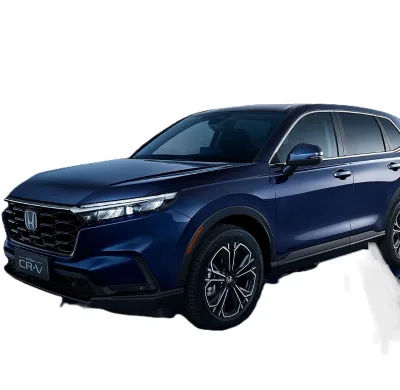
CRV Plug-in Hybrid New Energy Vehicle, 5-door, 5-seat 2023 Leader Compact SUV
$280000.00 - $290000.00
MOQ: 1 units
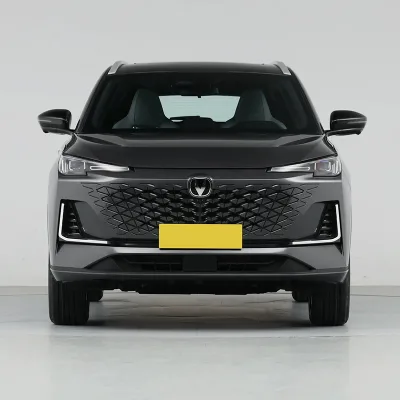

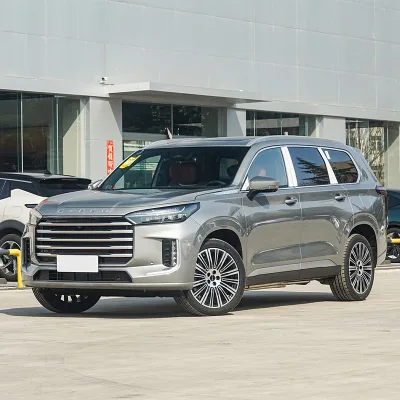
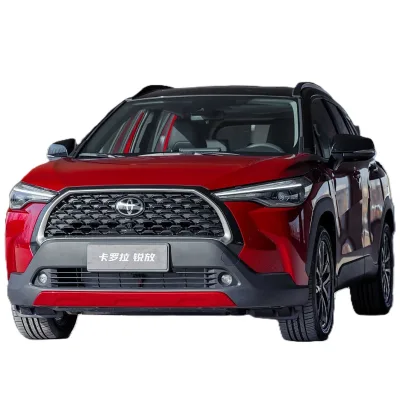
Cross 5-door 5-seat Compact SUV 2024 Model 2.0L New Car Hybrid High Power High Mileage
$18600.00 - $20000.00
MOQ: 1 units

Comprehensive Sourcing Guide
Plug-in Hybrid Suv Sourcing Guide
Sourcing a plug-in hybrid SUV requires a nuanced understanding of the diverse powertrain architectures currently available in the global market. Unlike traditional internal combustion engine vehicles or pure electric models, plug-in hybrids (PHEVs) combine a gasoline engine with an electric motor and a rechargeable battery pack, offering buyers a complex set of technical and commercial variables. The observed product landscape reveals a significant divergence in engineering approaches, ranging from dedicated plug-in hybrid systems to extended-range electric vehicles (EREVs) and pure battery electric vehicles (BEVs) that are sometimes grouped under broader "new energy" classifications. Procurement teams must first distinguish between these architectures, as the operational characteristics, maintenance requirements, and total cost of ownership differ substantially. For instance, some listings highlight dual-motor all-wheel-drive configurations with high power outputs, while others focus on front-wheel-drive efficiency or specific engine displacements like 2.0T turbocharged units.
The second critical consideration is the alignment of vehicle specifications with target market regulations and consumer expectations. The data indicates a wide range of vehicle dimensions, from mid-size SUVs to larger, more robust body styles, each catering to different logistical and usage scenarios. Buyers must verify whether the observed models meet specific regional standards for emissions, safety, and charging infrastructure compatibility. Furthermore, the presence of both left-hand drive and right-hand drive configurations, along with varying gearbox types such as manual, automatic, and electronic CVTs, necessitates careful selection based on the destination market’s driving laws and driver preferences. Understanding these distinctions is essential to avoid procurement errors, ensuring that the selected SUVs not only meet technical performance criteria but also comply with local legal requirements and fit the intended operational profile.
Product Scope and Observed Listing Signals
The current market signals indicate a broad spectrum of vehicle types being marketed under the umbrella of new energy SUVs. Observed listings include models explicitly identified as plug-in hybrids, such as the Changan UNI-K iDD and UNI-Z iDD, which feature dedicated hybrid powertrains. However, the scope also extends to extended-range electric vehicles (EREVs) and pure battery electric vehicles (BEVs), such as the Avita 11, which may be grouped with PHEVs in broader search results due to their shared "new energy" status. This conflation requires buyers to scrutinize product descriptions carefully, distinguishing between vehicles that rely on a gasoline engine for range extension and those that operate solely on electricity. The presence of keywords like "Bev," "Erev," and "Extended-Range" alongside "Plug-in Hybrid" suggests that suppliers may be aggregating diverse product lines, necessitating a clear definition of the required powertrain type during the sourcing process.
In addition to powertrain diversity, the observed product range highlights significant variations in body styles, drive configurations, and performance metrics. Models such as the Tank 400 and Bao 8 represent different segments within the SUV category, with the former potentially offering rugged, off-road capabilities and the latter focusing on urban efficiency with a 2.0T turbo engine. The data shows a mix of drive types, including rear-wheel drive (RWD), all-wheel drive (AWD), and front-wheel drive (FWD), each impacting vehicle dynamics and suitability for different terrains. Buyers should note that some listings provide detailed specifications, such as power output in kilowatts and engine torque, while others may lack critical technical details. This inconsistency underscores the need for rigorous verification of product attributes to ensure that the selected vehicles align with the intended use case, whether it be high-performance driving, fuel efficiency, or off-road capability.
Technical Specifications to Verify
When evaluating plug-in hybrid SUVs, verifying the powertrain architecture is paramount to understanding the vehicle’s operational capabilities. Buyers must confirm whether the vehicle utilizes a series, parallel, or series-parallel hybrid system, as this determines how the gasoline engine and electric motor interact. For example, some models may feature a dedicated hybrid transmission, while others might use an electronic CVT or a multi-speed automatic gearbox. It is also essential to verify the battery capacity and electric-only range, as these factors directly influence the vehicle’s suitability for daily commuting versus long-distance travel. Additionally, the type of charging interface and compatibility with public charging networks should be assessed, particularly for models marketed as extended-range electric vehicles, which may have different charging requirements compared to traditional plug-in hybrids.
Beyond the powertrain, other technical specifications such as dimensions, weight, and performance metrics require careful scrutiny. The observed data includes specific dimensions for various models, such as length, width, and height, which impact cargo capacity and garage compatibility. Buyers should also verify the curb weight and payload capacity, as these figures affect fuel efficiency and handling characteristics. Performance metrics, including maximum speed, acceleration, and towing capacity, should be cross-referenced with the vehicle’s intended use. For instance, a high-power output model may be suitable for performance-oriented buyers, while a fuel-efficient model with a smaller engine displacement may be preferred for commercial fleets. Ensuring that all technical specifications are accurately documented and verified is crucial to avoiding discrepancies between expected and actual vehicle performance.
Compliance and Safety Documentation
Compliance with regional safety and emissions standards is a non-negotiable aspect of sourcing plug-in hybrid SUVs. Buyers must ensure that the selected vehicles meet the specific regulatory requirements of the destination market, including crash test ratings, emissions limits, and safety feature mandates. This involves verifying that the manufacturer has obtained the necessary certifications and that the vehicles have undergone rigorous testing to ensure compliance. For example, in markets with strict emissions regulations, buyers must confirm that the plug-in hybrid system meets the required CO2 and NOx emission standards. Additionally, safety features such as advanced driver-assistance systems (ADAS), airbag configurations, and braking systems should be verified to ensure they meet or exceed local safety standards.
Documentation plays a critical role in the compliance process, and buyers must request comprehensive certificates and test reports from the supplier. This includes type approval certificates, homology documents, and test results from accredited laboratories. Buyers should also verify that the vehicles comply with international standards for electric vehicle safety, such as battery safety and high-voltage system protection. In addition to regulatory compliance, buyers should assess the availability of technical documentation, including user manuals, maintenance guides, and diagnostic software. Ensuring that all necessary documentation is available and accurate is essential for smooth customs clearance, registration, and ongoing maintenance. Failure to verify compliance and documentation can result in significant delays, fines, or even the rejection of the imported vehicles.
Cost Drivers and Commercial Terms
The total cost of ownership for plug-in hybrid SUVs is influenced by a variety of factors, including the initial purchase price, financing terms, and ongoing operational costs. Buyers should conduct a comprehensive cost analysis that considers not only the upfront price but also the cost of charging, maintenance, and potential incentives or subsidies available in the destination market. The observed price range for these vehicles is wide, reflecting differences in powertrain complexity, brand positioning, and feature sets. Buyers must negotiate clear commercial terms, including payment methods, delivery schedules, and warranty coverage, to mitigate financial risks. It is also important to consider the cost of spare parts and service availability, as these factors can significantly impact long-term operational expenses.
In addition to direct costs, buyers should evaluate the commercial terms offered by suppliers, such as minimum order quantities (MOQ), lead times, and after-sales support. The observed data indicates that some suppliers offer flexible MOQs, which can be advantageous for smaller buyers or those testing the market. However, buyers must also consider the logistical costs associated with importing vehicles, including shipping, insurance, and customs duties. Negotiating favorable terms for these services can help reduce the overall procurement cost. Furthermore, buyers should assess the supplier’s reputation and financial stability to ensure that they can provide consistent support and warranty coverage. Understanding the full spectrum of cost drivers and commercial terms is essential for making informed procurement decisions and maximizing the return on investment.
Supplier Qualification and Quality Control
Selecting a qualified supplier is critical to ensuring the quality and reliability of plug-in hybrid SUVs. Buyers should conduct thorough due diligence on potential suppliers, verifying their manufacturing capabilities, quality control processes, and track record in the automotive industry. This includes assessing the supplier’s production facilities, testing laboratories, and certification status. Buyers should also request references from previous clients and conduct site visits if possible to verify the supplier’s operational standards. Additionally, buyers should evaluate the supplier’s ability to provide technical support and after-sales service, as these factors are crucial for long-term success. Ensuring that the supplier has a robust quality management system in place is essential to minimizing the risk of defects and ensuring consistent product quality.
Quality control measures should be implemented throughout the procurement process, from initial sampling to final delivery. Buyers should establish clear quality standards and inspection criteria, and conduct regular audits to ensure compliance. This includes verifying that the vehicles meet the specified technical requirements and that all documentation is accurate and complete. Buyers should also consider implementing third-party inspection services to provide an independent assessment of product quality. In addition to product quality, buyers should assess the supplier’s supply chain resilience and ability to manage risks, such as component shortages or production delays. Establishing a strong partnership with a qualified supplier and implementing rigorous quality control measures is essential to ensuring the success of the procurement project.
Long-Term Procurement Checks
Long-term procurement success depends on continuous monitoring and evaluation of supplier performance and product quality. Buyers should establish key performance indicators (KPIs) to track supplier reliability, product quality, and customer satisfaction. Regular reviews should be conducted to assess whether the supplier is meeting the agreed-upon standards and to identify areas for improvement. Buyers should also maintain open communication with the supplier to address any issues promptly and to foster a collaborative relationship. Additionally, buyers should stay informed about changes in regulations, market trends, and technological advancements that may impact the procurement strategy. Adapting to these changes and continuously improving the procurement process is essential to maintaining a competitive edge and ensuring long-term success.
Furthermore, buyers should develop contingency plans to mitigate risks associated with supply chain disruptions, such as component shortages or geopolitical issues. This includes identifying alternative suppliers, diversifying the supply base, and maintaining safety stock where feasible. Buyers should also invest in training and development for their procurement teams to enhance their skills and knowledge in sourcing plug-in hybrid SUVs. By proactively managing risks and continuously improving the procurement process, buyers can ensure the long-term success of their sourcing initiatives and deliver value to their customers. Establishing a robust framework for long-term procurement checks is essential to sustaining a competitive and resilient supply chain.
FAQs
What is the maximum speed of the Changan UNI-K iDD?
The maximum speed is 180 kilometers per hour. This performance figure applies specifically to the Changan UNI-K iDD model which features a plug-in hybrid energy type and a manual gearbox configuration.
Which body style is available for the Tank 400 model?
The Tank 400 is available as a 5-door 5-seat SUV. This body structure supports the vehicle's classification as an SUV car with a service weight of 2770 kilograms for the specific model listed.
Can the Avita 11 be customized for specific buyer needs?
Yes, customization is available for the Avita 11 vehicle. This option allows buyers to tailor the electric or extended-range electric vehicle to their specific requirements while maintaining its brand new condition status.
What is the power output of the Bao 8 engine?
The Bao 8 engine delivers a maximum power of 180 kilowatts net and 200 kilowatts gross. This gasoline hybrid vehicle utilizes a 2.0t turbo I4 engine paired with an E-CVT transmission system.
How is the steering position configured for these vehicles?
The steering position is configured as left-hand drive for the listed models. This configuration is standard for the Changan and Avita vehicles which are manufactured in Tianjing, China for international markets.
What exterior colors are offered for the Avita 11?
The Avita 11 is offered in Obsidian Black, Space Grey, Glacier White, and Hui Gol. These exterior color options are available for the brand new battery electric or extended-range electric vehicle models.