Source C-Mount High Resolution Industrial Camera for Inspection
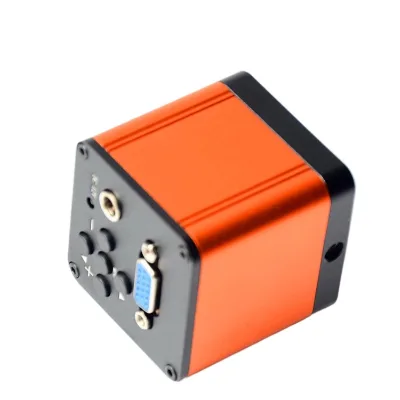
Find 16 C-Mount High Resolution Industrial Camera options for defect inspection, teaching, and research. Compare models with varying sensor sizes, pixel counts, and magnification levels to select the right equipment for your specific industrial needs; compare the available evidence and request quotations based on your requirements.
Key considerations
Products List


Comprehensive Sourcing Guide
C-Mount High Resolution Industrial Camera Sourcing Guide
The market for C mount high resolution industrial cameras presents a diverse array of options tailored for precision tasks such as defect inspection and scientific research. Buyers will encounter models designed for both teaching and research environments, often featuring stereoscopic effects and magnification capabilities ranging from 500 to 1000 times. These devices are frequently configured with fixed focal length lenses and global shutters to ensure sharp imaging of static or moving subjects in controlled settings.
Procurement decisions must account for the specific sensor architectures available, including CCD types with varying pixel sizes and sensor dimensions. While some units offer single-item selling units with compact packaging, others are integrated into larger systems with specific weight constraints. Understanding the distinction between color and mono variants is critical, as the choice directly impacts the camera's ability to capture detailed visual data for quality control applications.
Product Scope and Observed Listing Signals
Listing signals indicate a wide price variance, with observed ranges extending from approximately 16 to 4900 USD, reflecting differences in sensor resolution and build quality. Minimum order quantities typically span from single units to 100 pieces, allowing flexibility for both prototype development and bulk deployment. Buyers should note that customization is widely available, including options for custom logos, OEM, and ODM services, which can significantly alter the final product configuration.
The physical attributes of these cameras vary considerably, with net weights ranging from 75 grams to 1.5 kilograms and gross weights up to 2 kilograms depending on the model. Packaging standards often involve single items in PP bags within cartons, with dimensions frequently cited around 30 by 20 by 10 centimeters. These logistical details are essential for calculating shipping costs and ensuring the equipment fits within the designated workspace or transport containers.
Technical Specifications to Verify
Verification of sensor specifications is paramount, as pixel sizes observed in the market range from 3.2 micrometers to 4.8 micrometers, directly influencing image clarity and low-light performance. Buyers must confirm the sensor size, which can vary from compact 2/3-inch formats to larger 29.9 by 22.4 millimeter dimensions, ensuring the field of view matches the inspection requirements. Additionally, the presence of a global shutter is a key differentiator for capturing high-speed motion without distortion.
Interface and compression capabilities define the data throughput and integration ease with existing systems. Most units support USB 3.0 interfaces for high-speed data transfer, while video compression formats typically include BMP, Raw, and JPEG options. The lens mount is predominantly C-mount, though some models offer CS-mount as an optional configuration. Confirming these interface standards prevents compatibility issues with frame grabbers and processing units.
Compliance and Safety Documentation
Safety and operational compliance often include specific protection ratings, though exact IP classifications may vary by model and require direct verification from the manufacturer. Some listings reference resolution standards like 640 by 480 pixels as a baseline, but higher resolution models are available for demanding applications. Buyers should request detailed documentation regarding the electrical safety of the device, particularly for units intended for continuous operation in industrial environments.
Documentation regarding the origin of the product is also a critical compliance factor, with many units originating from specific regions in China, such as Hunan. While general standards like 2KG or 3KG are noted for weight classifications, specific safety certifications for the electronic components must be confirmed. Ensuring that the supplier provides a comprehensive warranty, often cited as two years, is essential for mitigating long-term operational risks and ensuring support availability.
Cost Drivers and Commercial Terms
The primary cost drivers for these cameras include the resolution of the sensor, with high-end models reaching 65 megapixels, and the complexity of the lens assembly. Customization requests, such as specific logos or tailored mechanical interfaces, will inevitably increase the unit price and may affect the minimum order quantity thresholds. Buyers should anticipate that models with larger sensor sizes and specialized compression formats will command a premium over standard configurations.
Commercial terms often involve single-item selling units, which can simplify the procurement process for small batches but may increase the per-unit cost compared to bulk orders. The observed minimum order quantities allow for low-risk testing of new equipment, yet larger orders may unlock better pricing tiers. It is vital to clarify whether the quoted price includes the specific packaging requirements, such as the 30 by 20 by 10 centimeter carton, to avoid unexpected logistics expenses.
Supplier Qualification and Quality Control
Supplier qualification should focus on their ability to provide consistent product models, such as the HDMI-311WO-IFQ-10 or MV-XGC6500GC, which represent specific technical configurations. Buyers must verify that the supplier can maintain the specified pixel sizes and sensor dimensions across production runs to ensure uniform performance. The availability of customization support, including OEM and ODM services, indicates a supplier's capacity to adapt products to unique inspection needs.
Quality control processes should be validated through the supplier's adherence to stated standards, such as the 550g weight specification or specific package dimensions. The consistency of the warranty period, typically two years, serves as a proxy for the manufacturer's confidence in their product durability. Inspecting the physical attributes, such as the single gross weight and net weight, helps confirm that the delivered units match the technical descriptions provided in the initial listing.
Long-Term Procurement Checks
Long-term procurement strategies must account for the mobility of the equipment, as many units are designed for desktop use rather than portable field applications. Buyers should assess the longevity of the sensor and lens components, ensuring they can withstand the intended operational environment without degradation. The stereoscopic effect and magnification capabilities should be re-verified periodically to ensure the camera continues to meet the evolving requirements of the inspection process.
Sustainability and support availability are critical for maintaining operational continuity over the product lifecycle. Buyers should establish clear communication channels with the supplier to address any potential issues with the video compression formats or interface compatibility. Regular checks on the warranty status and the availability of replacement parts, such as lenses or sensors, will help mitigate downtime and ensure the continued reliability of the industrial imaging system.
FAQs
What sensor specifications are available for these industrial cameras?
Available sensors include CCD types with varying pixel sizes such as 4.8um and 3.2um. Sensor sizes range from 2/3 inch to larger formats like 29.9 by 22.4mm. These specifications support high-resolution imaging for defect inspection and research applications in teaching environments.
Can these cameras be customized for specific industrial needs?
Yes, customization is available for logos, OEM, and ODM requirements. The products support C-Mount or optional CS-Mount lenses. Buyers can request specific configurations to meet unique operational standards, ensuring the equipment integrates seamlessly into existing inspection or research workflows.
What interface and video formats do these cameras support?
These cameras utilize USB3.0 interfaces for high-speed data transfer. Video compression formats include BMP, Raw, and JPEG image formats. This setup ensures compatibility with various software systems for real-time monitoring and detailed analysis in industrial or educational settings.
What is the warranty period for these industrial cameras?
The standard warranty period provided is two years. This coverage ensures reliability for teaching and research applications. Buyers receive assurance regarding product performance and support during the initial operational phase, minimizing downtime and maintenance concerns for industrial inspection tasks.
How are these cameras packaged for shipping?
Cameras are packed in cartons, with some items individually placed in PP bags. Single gross weights vary, with some units weighing 0.800kg and others up to 1.5kg. Package dimensions are typically around 30 by 20 by 10cm, ensuring safe transit.
What magnification levels are supported by the stereomicroscope products?
The stereomicroscope products offer magnification levels ranging from 500 to 1000 times. They provide a distinct stereoscopic effect for detailed observation. This capability is ideal for precise defect inspection and research tasks requiring high visual clarity and depth perception in industrial settings.