Source IP67 Waterproof Bullet IP Camera for Security, Surveillance, and Monitoring
Explore 30 verified options for the IP67 Waterproof Bullet IP Camera designed for outdoor security, industrial surveillance, and perimeter monitoring. Buyers can compare features like CMOS sensors, infrared technology, and weatherproof ratings to find the right solution; compare the available evidence and request quotations based on your requirements.
Key considerations
Products List


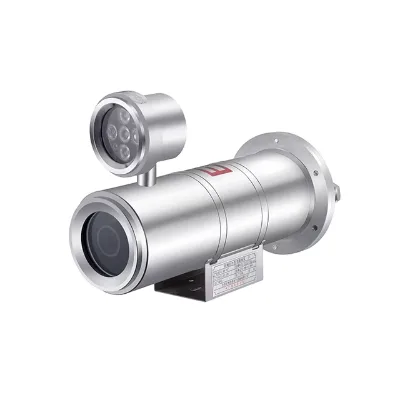
IP66 Rated Bullet Camera with RS485 Interface and Wide Temperature Range
$2500.00 - $3000.00
MOQ: 1 Pieces


Comprehensive Sourcing Guide
IP67 Waterproof Bullet IP Camera Sourcing Guide
Sourcing IP67-rated bullet cameras requires a disciplined approach to verifying environmental sealing and network integration capabilities. Buyers must prioritize models that explicitly state IP67 compliance to ensure reliable operation in rain, dust, and temperature extremes. The bullet form factor offers a streamlined profile suitable for wall or pole mounting, providing a clear line of sight for surveillance applications. Understanding the distinction between analog and digital transmission is critical, as modern procurement focuses on IP-based solutions that integrate seamlessly with existing digital video recorders and network infrastructure.
Procurement teams should evaluate the camera’s housing material and lens configuration to ensure long-term durability. Metal bullet housings are preferred for their structural integrity and resistance to vandalism, while weatherproof seals prevent moisture ingress that can degrade image quality over time. It is essential to confirm that the selected unit supports the required video resolution and infrared night vision range for the specific deployment environment. Buyers must also consider the power delivery method, whether through Power over Ethernet or separate power supplies, to simplify installation and reduce cabling complexity in large-scale deployments.
Product Scope and Observed Listing Signals
The current market for bullet-style network cameras presents a diverse range of options, with observed price points spanning from budget-friendly entry-level units to high-performance professional models. Listings indicate a minimum order quantity flexibility, allowing small businesses to test samples while larger enterprises can negotiate bulk pricing for extensive rollouts. The product count suggests a robust supply chain with multiple SKUs available, catering to varying resolution and feature requirements. Buyers should note that while many units advertise high-definition capabilities, the actual pixel count and sensor type can vary significantly between different model numbers within the same product family.
Observed specifications reveal a mix of CMOS and CCD sensors, with CMOS being the dominant technology for modern IP cameras due to its lower power consumption and higher integration levels. The style is consistently identified as bullet cameras, often featuring waterproof and weatherproof attributes to withstand outdoor conditions. Some listings highlight additional features such as mini sizes or vandal-proof designs, which may influence the selection process for specific installation sites. Procurement teams must carefully cross-reference the model codes with the detailed technical sheets to ensure that the advertised IP67 rating aligns with the actual environmental sealing of the device.
Technical Specifications to Verify
Verifying the sensor type and resolution is the first step in ensuring image quality meets operational needs. Most modern bullet IP cameras utilize CMOS sensors, which offer efficient performance for continuous recording and streaming. Buyers should confirm the horizontal resolution, which may be listed in megapixels or traditional TV lines, to ensure compatibility with the storage and bandwidth capacity of the recording system. The infrared technology employed for night vision must be evaluated for its effective distance, typically ranging from ten to thirty meters or more, depending on the lens focal length and sensor sensitivity.
Network connectivity and power delivery methods are critical technical considerations that impact installation feasibility. The camera must support standard IP protocols to integrate with existing video management software and network switches. Buyers should verify whether the unit supports Power over Ethernet, which simplifies wiring by delivering both power and data over a single cable. Additionally, the lens type, whether fixed or autofocus, should be selected based on the field of view requirements and the distance to the monitored area. Ensuring that the camera supports the required video compression standards will help optimize storage usage and network bandwidth efficiency.
Compliance and Safety Documentation
Ensuring that the selected cameras meet regional regulatory standards is a mandatory step for legal deployment. Certifications such as CE and FCC indicate that the devices comply with electromagnetic compatibility and safety directives in their respective markets. Buyers must request valid certification documents from suppliers to verify that the products have undergone the necessary testing procedures. The presence of additional certifications like CCC or RoHS may be required for specific regions or industries, particularly those with strict environmental or safety regulations.
Documentation should also include detailed technical manuals and warranty terms that outline the manufacturer’s commitment to product reliability. Buyers should verify that the IP67 rating is supported by independent test reports or manufacturer declarations, as this claim is critical for outdoor installations. It is advisable to check for any specific safety warnings related to electrical installation, such as grounding requirements or voltage limits. Proper documentation ensures that the procurement process remains transparent and that the installed equipment can be maintained and serviced according to industry best practices.
Cost Drivers and Commercial Terms
The total cost of ownership for IP67 bullet cameras is influenced by several factors, including sensor quality, housing material, and feature set. Higher resolution sensors and advanced analytics capabilities, such as human and vehicle detection, typically command a premium price. Buyers should analyze the price range relative to the specified features to ensure they are not overpaying for unnecessary functionalities or underpaying for substandard components. The minimum order quantity can also impact the unit price, with larger volumes often resulting in more favorable pricing tiers.
Commercial terms such as payment methods, shipping costs, and lead times must be clearly defined in the purchase agreement. Buyers should negotiate for flexible payment terms that align with their cash flow requirements and ensure that the supplier has a reliable logistics network. It is important to clarify who is responsible for import duties and taxes, especially when sourcing from international suppliers. Understanding the warranty period and the process for claiming replacements or repairs will help mitigate the financial risk associated with potential hardware failures.
Supplier Qualification and Quality Control
Evaluating the supplier’s manufacturing capabilities and quality control processes is essential for securing a reliable supply chain. Buyers should verify that the supplier has a proven track record in producing network cameras and holds relevant quality management certifications. Factories located in established electronics manufacturing hubs, such as Zhejiang or Shenzhen, often have access to a mature supply chain and skilled labor force. It is advisable to request samples for rigorous testing before committing to a large order to assess build quality and performance consistency.
Quality control measures should include incoming material inspections, in-process checks, and final product testing before shipment. Buyers should inquire about the supplier’s defect rate and their procedure for handling non-conforming products. Establishing a clear communication channel with the supplier’s technical support team can facilitate quick resolution of any issues that arise during installation or operation. Regular audits or third-party inspections may be necessary for high-volume procurement to ensure that the supplier maintains consistent quality standards over time.
Long-Term Procurement Checks
Long-term success in deploying IP67 bullet cameras depends on the availability of firmware updates and technical support. Buyers should confirm that the supplier provides regular software updates to address security vulnerabilities and enhance functionality. The ability to remotely manage and configure the cameras through a centralized platform is crucial for maintaining large-scale surveillance systems. Procurement teams should also consider the lifecycle of the product, ensuring that replacement parts and compatible accessories will be available for the expected duration of the deployment.
Monitoring the performance of the installed cameras in real-world conditions is vital for identifying any recurring issues or environmental challenges. Buyers should establish a feedback loop with the end-users to gather insights on image quality, night vision performance, and durability. Regular reviews of the procurement strategy can help identify opportunities for cost savings or technology upgrades. By maintaining a proactive approach to supplier relationship management and product lifecycle planning, organizations can ensure that their surveillance infrastructure remains secure, reliable, and cost-effective over the long term.
FAQs
What customization options are available for these cameras?
Customization is available for these IP cameras to meet specific project needs. Buyers can request tailored features while maintaining core specifications like the CMOS sensor and 1080P HDMI format. This flexibility allows for adapting the bullet camera style to various installation environments without compromising performance standards.
Which certifications do these waterproof cameras hold?
These cameras hold CE, FCC, and CCC certifications to ensure compliance with international safety standards. Some models also include ISO9001 certification for quality management. These credentials verify that the products meet rigorous requirements for electrical safety and electromagnetic compatibility in global markets.
How does the infrared technology function in these units?
The infrared technology enables night vision capabilities for these bullet cameras. Effective distances vary, with some models supporting ranges of 10 to 30 meters or more. This feature ensures clear monitoring in low-light conditions while maintaining the waterproof and weatherproof integrity of the housing.
What is the typical MOQ for ordering these cameras?
The minimum order quantity ranges from 1 to 100 units depending on the specific model and supplier. Buyers can often start with small quantities for testing before scaling up. This flexible MOQ structure accommodates both small pilot projects and larger bulk procurement requirements effectively.
Can these cameras be sourced from manufacturers in Zhejiang?
Yes, many of these IP cameras originate from manufacturers located in Zhejiang, China. This region is a known hub for electronics production, offering reliable supply chains. Buyers can source products with documented specifications and certifications directly from these established manufacturing centers.
What features distinguish the mini size camera models?
Mini size models offer compact dimensions while retaining high definition and waterproof capabilities. These cameras often include auto BLC and vandal-proof features for secure installations. Their small footprint makes them ideal for discreet monitoring in residential or commercial spaces requiring unobtrusive surveillance solutions.