Source Car Parts for Chassis, Brakes, and Belts
Find 30 verified Car Parts including chassis components, brake controls, and auto belts from suppliers in China. Compare specifications, certifications, and prices for metal processing machinery and vehicle applications; compare the available evidence and request quotations based on your requirements.
Key considerations
Products List


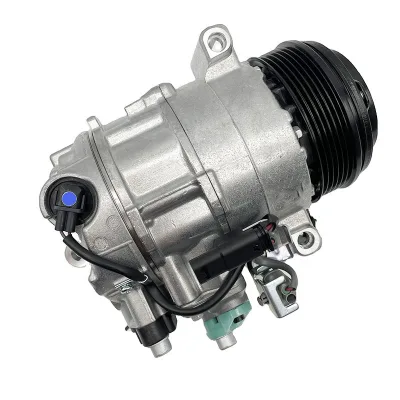


$6.88 - $16.88
MOQ: 100 Sets


$1.45 - $1.75
MOQ: 1000 Pieces


$1.00 - $5.00
MOQ: 100 Pieces


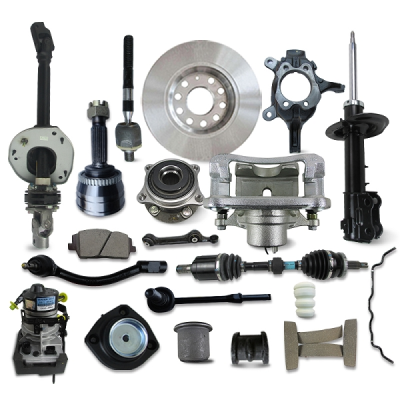


$0.10 - $10.00
MOQ: 10 Pieces

$0.09 - $0.10
MOQ: 10000 Pieces
Comprehensive Sourcing Guide
Car Parts Sourcing Guide
Sourcing Car Parts requires a disciplined approach to navigating a fragmented market where product attributes vary significantly between listings. Buyers must first distinguish between standardized components like chassis elements and specialized machining parts, as the latter often demand precise tolerance verification. The observed product range includes items ranging from basic rubber belts to complex steel alloy machining parts, each requiring distinct evaluation criteria. Understanding these fundamental differences prevents the selection of unsuitable suppliers who may lack the specific manufacturing capabilities for your intended application.
Procurement decisions should also account for the diverse origin locations and customization levels available in the current market. Listings indicate origins in Qingdao, Shandong, and Ningbo, suggesting a concentration of manufacturing hubs in China that offer varying logistical advantages. Furthermore, the availability of customization options allows buyers to tailor specifications for unique vehicle models, but this necessitates clear communication of drawing requirements. Buyers must verify that the supplier's software capabilities, such as Auto CAD or Solid Work, align with their engineering team's standards before committing to a custom order.
Product Scope and Observed Listing Signals
The observed product scope encompasses a wide array of automotive components, including chassis parts, wheel driving systems, and brake control units. Listings explicitly identify applications in metal processing machinery and vehicle usage, indicating that suppliers often serve both the automotive aftermarket and industrial machinery sectors. Buyers should carefully review the specific type designation, such as "Auto Belt" or "Chassis," to ensure the item matches the exact system requirement. Misinterpreting a general hardware accessory as a critical safety component can lead to significant operational failures if the part is not rated for the specific load or stress conditions.
Listing signals also reveal a mix of standard and nonstandard product definitions, requiring buyers to scrutinize the "Standard" field for compliance with specific codes like GB, JIS, or DIN. Some products are defined by their material composition, such as iron, aluminum, or nylon, while others are categorized by their function, such as starting system parts. This variability means that a single search term may yield results with vastly different performance characteristics. Buyers must cross-reference the listed material and application against their vehicle's technical manual to confirm compatibility before proceeding with any purchase inquiry.
Technical Specifications to Verify
Technical verification begins with the critical assessment of dimensional tolerances and surface finish requirements, which are often the primary differentiators between quality tiers. For steel alloy machining parts, a tolerance of 0.02mm is observed, while other high-precision listings claim accuracies as tight as +/-0.005mm. Buyers must explicitly request and validate these measurements against their assembly drawings, as even minor deviations can cause assembly failures or premature wear in moving vehicle systems. The surface roughness range of 0.4-3.2um is another key parameter that affects friction and durability, particularly for parts subjected to high mechanical stress.
Hardness and heat treatment specifications are equally vital for ensuring the longevity of mechanical components under operational loads. Some listings specify a hardness range of 20-70 HRC, which indicates the material's resistance to deformation and wear. Buyers should verify that the heat treatment process aligns with the intended application, as a part designed for light-duty use may fail if it lacks the necessary hardness for heavy-duty environments. Additionally, the condition of the product must be confirmed as "New," and the specific machining method, such as CNC Machining, should be validated to ensure the manufacturing process can consistently meet the required geometric precision.
Compliance and Safety Documentation
Compliance verification is essential for automotive components, as the industry relies heavily on established international standards to ensure safety and interoperability. The observed certification landscape includes ISO9001, RoHS, CE, and TS16949, which collectively indicate a supplier's commitment to quality management and environmental regulations. Buyers must request current certificates for each specific product line, as a supplier may hold general certifications that do not cover the specific manufacturing process or material used for a particular batch. The presence of ISO9001 is a baseline expectation, but TS16949 is particularly critical for automotive applications due to its focus on defect prevention and variation reduction.
Safety documentation must also address the specific standards applicable to the component's function, such as brake control or chassis integrity. Listings reference standards like BS, ANSI, JIS, and ASTM, which provide the framework for testing and performance validation. Buyers should not assume that a general "ISO" certification covers all safety requirements; instead, they must verify that the specific product meets the relevant code, such as the GB Code or EN standards, for the target market. This due diligence ensures that the parts will perform safely under the regulatory scrutiny of the destination country's transportation authorities.
Cost Drivers and Commercial Terms
Cost structures in the Car Parts market are heavily influenced by material selection, customization complexity, and order volume. The observed price range spans from $0.04 to $275, reflecting the vast difference between simple rubber accessories and complex, precision-machined steel components. Buyers should analyze the material cost drivers, such as the use of copper, brass, or specialized alloys, which directly impact the final unit price. Additionally, the availability of customization services often incurs a premium, as it requires dedicated engineering time and specialized tooling setup that standard mass-production lines do not require.
Commercial terms regarding minimum order quantities (MOQ) and lead times are critical factors in budgeting and supply chain planning. The observed MOQ ranges from 1 to 10,000 units, offering flexibility for small-batch prototyping as well as large-scale production runs. Lead times are typically quoted as 3 to 15 days after order confirmation, but this can vary based on the complexity of the surface finish or heat treatment processes involved. Buyers must clarify whether the quoted price includes packaging, such as the Europe Standard Packing or neutral color packages, and confirm the shipping method, whether DHL, FedEx, or UPS, to avoid unexpected logistics costs.
Supplier Qualification and Quality Control
Supplier qualification requires a rigorous assessment of their quality control protocols and co-operation capabilities. The observed listings emphasize a "100% Checking" policy, which is a strong indicator of a supplier's commitment to defect prevention. However, buyers should verify the specific inspection methods used, such as visual checks or dimensional testing, to ensure they align with the supplier's internal standards. The ability to engage in both OEM and ODM co-operation suggests a flexible manufacturing environment, but buyers must confirm that the supplier has the capacity to maintain consistent quality across different production runs.
Quality control extends to the verification of the supplier's origin and their adherence to specific production standards. Listings indicate origins in Qingdao, Shandong, and Ningbo, regions known for their manufacturing clusters. Buyers should request evidence of the supplier's adherence to the stated standards, such as GB or ASME, and verify their process for handling non-conforming products. The "New" condition of the products is a basic requirement, but buyers must also ensure that the supplier has a robust system for traceability, allowing them to track materials and processes back to the source in case of a field failure.
Long-Term Procurement Checks
Long-term procurement success depends on establishing a reliable supply chain that can adapt to changing vehicle models and market demands. Buyers should prioritize suppliers who demonstrate flexibility in their software capabilities, such as support for Auto CAD, PRO-E, or Catia, to facilitate seamless design updates. The ability to produce parts "According to Requirement" suggests a capacity for continuous improvement and adaptation, which is essential for maintaining a competitive edge in the automotive sector. Regular audits of the supplier's production lines and quality systems are necessary to ensure that their capabilities remain consistent over time.
Sustainability and market alignment are also key considerations for long-term partnerships. The observed main market of East Asia suggests a strong regional focus, but buyers should verify the supplier's ability to export to other regions if their business expands. The use of specific packing standards, such as Inner Poly Bags and Outer Cartons, indicates an awareness of logistics requirements, but buyers should confirm that these methods protect the parts during extended storage or transit. Continuous communication regarding market trends and technological advancements will help ensure that the procurement strategy remains aligned with the evolving needs of the automotive industry.
FAQs
What certifications are available for these Car Parts?
The Car Parts listed on this page hold ISO9001, RoHS, and CE certifications. These standards indicate compliance with international quality management and safety regulations. Buyers should verify specific certification documents for each order to ensure they meet their regional compliance requirements.
What is the typical lead time for Car Parts orders?
Delivery typically occurs between three and fifteen days after the order is confirmed. This timeframe allows for production and quality checking. Exact lead times may vary depending on the specific part complexity and current production capacity, so confirm the schedule during the order process.
Can suppliers customize Car Parts based on customer drawings?
Yes, customization is available for these Car Parts. Suppliers can work with customer-provided drawings using software such as Auto CAD, PRO-E, and Solid Work. This allows for precise manufacturing according to specific design requirements, ensuring the final product matches the intended specifications.
What materials are used for these Car Parts?
The Car Parts are manufactured using a variety of materials including iron, aluminum, copper, alloy, brass, plastic, steel, and nylon. The specific material choice depends on the part's function and performance requirements. Buyers should specify the desired material grade during the inquiry stage.
What is the minimum order quantity for Car Parts?
The minimum order quantity ranges from one to ten thousand units. This flexible MOQ allows both small-scale testing and large-volume production. Buyers should discuss their specific volume needs with the supplier to determine the most cost-effective order size for their project.
What surface finish options are available for Car Parts?
Available surface finishes include sandblasted, anodized, plated, and customized options. The choice of finish affects the part's durability, appearance, and corrosion resistance. Buyers should specify their preferred finish based on the application environment and aesthetic requirements.
What is the accuracy tolerance for these Car Parts?
The accuracy tolerance for these Car Parts is plus or minus 0.005 millimeters. This high precision ensures that the parts fit correctly within the vehicle assembly. Strict quality checking is performed to maintain this level of accuracy throughout the production process.