Source Car Paint Cleaning Tack Cloth for Auto Detailing
Find 30 Car Paint Cleaning Tack Cloth options for automotive detailing, vehicle maintenance, and surface preparation. Compare materials like polyester and non-woven fabric, gauze densities, and customized sizes to select the right adhesive dust wipe for your business needs; compare the available evidence and request quotations based on your requirements.
Key considerations
Products List


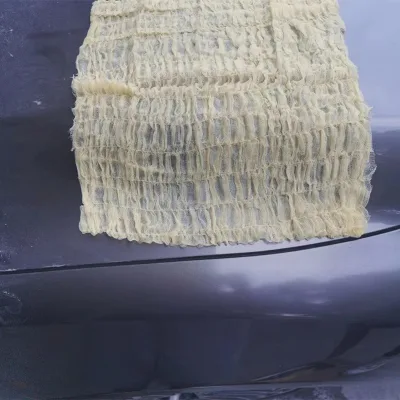


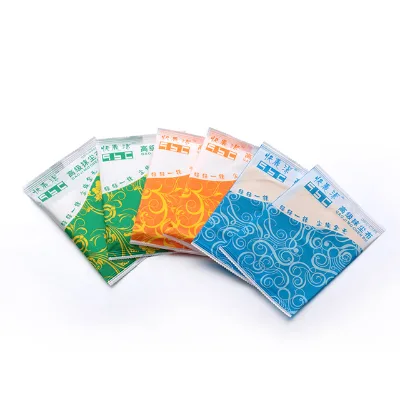


White Tack Cloth for Car Paint Use Cleaning Dust Good Price Best Quality
$0.25 - $0.35
MOQ: 10000 Pieces


Comprehensive Sourcing Guide
Car Paint Cleaning Tack Cloth Sourcing Guide
Buyers must first distinguish between general automotive dust cloths and specialized tack cloths designed for paint preparation. The observed product listings indicate a specific focus on sticky surfaces used to remove fine particulate matter before painting, with models like SRTC-13 and SRTC-01 appearing frequently in the catalog. These items are explicitly categorized as automotive tack cloths or sticky paint body dust wipes, confirming their primary function in vehicle surface preparation rather than general cleaning.
Procurement decisions should also account for the material composition and physical form factors observed in the market. Listings reveal a mix of polyester and viscose-polyester blends, with some products described as non-woven fabric or disposable towels. The presence of specific GSM weights, such as 57GSM, and dimensions like 38cm by 43cm suggests that buyers need to verify if the selected cloth meets the specific adhesion and size requirements of their painting workflow.
Product Scope and Observed Listing Signals
The market data shows a diverse range of color options including natural white, light yellow, blue, and orange, which often serve as visual indicators for different adhesive strengths or usage stages. Some listings specify "Natural White/Light Yellow/Blue/Orange etc," while others highlight custom color availability, suggesting that color coding may be a critical factor for quality control teams managing different painting phases. Buyers should verify if the specific color observed matches the intended application to ensure consistent performance across the production line.
Packaging variations are another significant signal that impacts logistics and inventory management. Observed packing methods range from single pieces per bag to bulk configurations like 50 pieces per box or 4 boxes per carton, with some suppliers offering export-standard packaging. The availability of samples within one week and the option for customized packing indicate that suppliers are flexible, but buyers must confirm the exact unit count per carton to calculate accurate shipping costs and storage requirements.
Technical Specifications to Verify
Gauze density is a critical technical parameter that directly influences the cloth's ability to trap dust without shedding fibers onto the paint surface. The observed listings cite specific density codes such as 1910#, 2024#, and 2040#, which buyers must cross-reference with their internal quality standards to ensure the selected product provides the necessary filtration efficiency. Relying on generic descriptions without verifying these specific density codes can lead to inconsistent results in the final paint finish.
Dimensional consistency and shape are equally important for ensuring the cloth fits standard application tools and covers the required surface area effectively. Specifications list standard sizes like 18x36 inches, 80x45cm, and 80x50cm, alongside custom options and specific rectangular shapes. Buyers should confirm whether the standard 38cm by 43cm size or other listed dimensions align with their equipment, and verify if the "Plain" or "Mesh" pattern affects the cloth's texture and dust-holding capacity.
Compliance and Safety Documentation
Safety and compliance documentation should be scrutinized to ensure the tack cloth meets international manufacturing standards. One listing explicitly mentions ISO certification, which serves as a baseline indicator of a supplier's commitment to quality management systems. However, buyers must request specific test reports for the adhesive properties and chemical composition to confirm that the product does not release harmful volatiles or leave residues that could compromise the paint adhesion or finish quality.
Environmental and material safety claims require careful verification against the actual product composition. While some attributes mention "Sustainable" features, the material composition is listed as polyester or a viscose-polyester blend, which are synthetic materials. Buyers should request Material Safety Data Sheets (MSDS) to understand the flammability and disposal requirements of the non-waterproof, disposable towels, ensuring that the procurement aligns with both workplace safety regulations and environmental sustainability goals.
Cost Drivers and Commercial Terms
The price range observed in the market spans from 0.10 to 38.27 USD, a wide variance that likely reflects differences in material quality, adhesive formulation, and order volume. The Minimum Order Quantity (MOQ) ranges from 1 piece to 10,000 pieces, indicating that unit costs will fluctuate significantly based on the scale of the purchase. Buyers should analyze the cost per unit at their required volume rather than focusing on the lowest listed price, as the cheapest option may not meet the technical specifications for automotive paint preparation.
Commercial terms regarding customization and sample availability play a crucial role in the total cost of ownership. Suppliers offer OEM services and customized dimensions or colors, which may incur additional setup fees or longer lead times compared to standard stock items. The availability of free samples within one week allows for cost-effective testing, but buyers must clarify if these samples are included in the final order cost or if they are provided strictly for evaluation purposes to avoid unexpected charges.
Supplier Qualification and Quality Control
Supplier qualification should focus on verifying the origin and production capabilities, as listings indicate origins in China and specifically Zhejiang. The presence of OEM services suggests that suppliers have the capacity for custom manufacturing, but buyers must validate their production lines to ensure they can maintain consistent quality across large batches. It is essential to confirm that the supplier has a robust quality control process in place to prevent defects such as uneven adhesive distribution or incorrect gauze density.
Quality control checks must extend to the physical condition and packaging integrity of the delivered goods. All observed products are listed as "New," but buyers should implement incoming inspection protocols to verify that the cloths remain sticky and free from contamination during transit. The packaging methods, ranging from individual bags to cartons, must be inspected to ensure they provide adequate protection against moisture and dust, which could degrade the tackiness of the cloth before it reaches the painting station.
Long-Term Procurement Checks
Establishing a long-term relationship requires regular performance audits to ensure the tack cloth continues to meet application standards over time. Buyers should track the consistency of the gauze density and adhesive performance across multiple shipments, as variations in these parameters can lead to paint defects and increased waste. Regular feedback loops with the supplier are necessary to address any drift in product quality and to ensure that the material composition remains stable.
Future procurement strategies should also consider the scalability of the supply chain and the flexibility of the supplier to adapt to changing needs. The ability to customize sizes and colors, as well as the range of MOQs, suggests that suppliers can scale with demand, but buyers must maintain clear communication regarding volume forecasts. Continuous monitoring of lead times and the availability of raw materials will help mitigate risks of supply disruption and ensure a steady flow of high-quality tack cloths for automotive painting operations.
FAQs
What sizes are available for Car Paint Cleaning Tack Cloth?
Standard sizes include 18x36 inch, 80x45cm, 80x50cm, and larger formats such as 80x80cm up to 80x110cm. Customized sizes are also available, with one listed option at 38cmx43cm. Buyers should confirm the exact dimensions when requesting quotes, since each model like SRTC-13 or SRTC-01 may carry a different standard size.
Which gauze density options should I choose for tack cloth?
Listed gauze densities include 1910#, 2024#, and 2040#. Denser gauze generally gives stronger dust pickup and better durability during wiping, while lighter options suit fine final cleaning before painting. Choose based on your paint stage and surface area. Confirm the density per model with the supplier, as attributes vary across listings.
Can I get customized colors and packaging for tack cloth orders?
Yes, customization is available. Colors listed include natural white, light yellow, light blue, and orange, with some listings also offering green or fully customized colors. Packing options include 1 piece per bag, 50 pieces per box with 4 boxes per carton, or bags packed in cartons. OEM service in China is also offered.
What materials are used in car paint tack cloths?
Materials vary by model. Common options include polyester, non woven fabric, and blends of viscose plus polyester. These fabrics are treated as antistatic wiping agents to lift dust from car paint surfaces. Non-waterproof construction is typical, so store cloths dry. Verify the exact material composition for the specific model before ordering.
How is tack cloth packed for export orders?
Typical packing is 1 piece per bag, sometimes 50 pieces per box and 4 boxes per carton, with bags placed in cartons for export. Export standard packing is specified across listings. Free samples are available within one week, which lets you check the packing format, gauze density, and tack level before committing to bulk quantities.
Can I request free samples before placing a bulk order?
Yes, free samples are available within one week. You can use the sample to verify tack strength, gauze density, size such as 38cmx43cm or 80x50cm, and color accuracy. Provide your target specification so the sample matches production intent. Some listings support single piece quantities, making evaluation economical before larger commitments.
Which models are listed for automotive tack cloth?
Listed models include SRTC-01, SRTC-07, SRTC-10, SRTC-11, SRTC-13, and SRTCW-04, plus a sticky paint body dust wipe under model HX. Each model differs in size, gauze density, and packing format. Compare models against your paint shop workflow, then request quotes for the model that matches your required dimensions and density.
What is the weight and condition of these tack cloths?
A listed weight is 57GSM, with customized weights also supported, and condition is new. The cloth is a disposable towel type used once per paint job to avoid recontamination. Higher or lower GSM can be requested through customization. Confirm the weight per unit area with the supplier since attributes vary across individual product listings.