Source CE Certified Tennis Sports Floodlight for Stadiums, Parks, and Squares
Find and compare 30 CE Certified Tennis Sports Floodlight options for stadiums, parks, and squares. Evaluate specifications like IP67 ratings, 50,000-hour lifespans, and adjustable beam angles to select the right lighting solution for your outdoor venue.
Key considerations
Products List


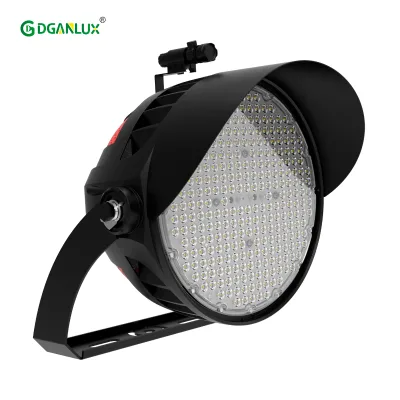

Tennis Sports Floodlight 100W/150W/200W Football Stadium LED Flood Light
$32.00 - $33.00
MOQ: 500 Pieces


High Luminous Tennis Court Lighting 200W LED Flood Light (RB-FLL-200WSD)
$72.31 - $88.52
MOQ: 1 Pieces
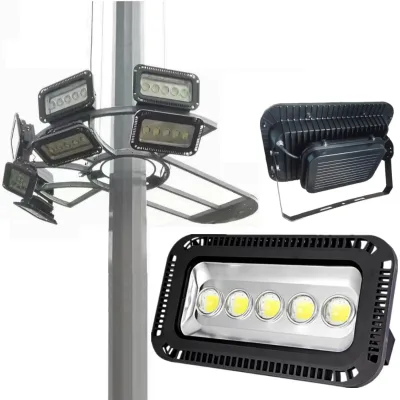

IP66 Slim LED Lamp Spotlight 50W Tennis Stadium Reflector LED Floodlight
$0.23 - $1.15
MOQ: 100 Pieces

Waterproof Tennis Court Stadium Arena Sport Field 1000W COB LED Flood Light
$36.88 - $245.93
MOQ: 30 Pieces


High Power Sports Arena Lighting, 500W 800W 1000W LED Tennis Court Flood Lights
$123.00 - $130.00
MOQ: 1 Pieces


Comprehensive Sourcing Guide
CE Certified Tennis Sports Floodlight Sourcing Guide
Sourcing high-performance lighting for tennis courts requires a careful balance of optical precision, regulatory compliance, and durability. The core keyword "CE Certified Tennis Sports Floodlight" points to a specialized category of industrial lighting designed to meet the rigorous visual demands of competitive play while adhering to European safety standards. Buyers must navigate a market where specifications vary significantly between general outdoor lighting and sport-specific fixtures. This guide provides evidence-based procurement advice, focusing on verified attributes such as voltage ranges, color temperatures, and mounting configurations to ensure that the selected lighting solution enhances player visibility and spectator experience without compromising on safety or energy efficiency.
The procurement process for these fixtures involves evaluating multiple technical parameters, including luminous efficacy, beam angles, and ingress protection ratings. While many suppliers offer similar-looking aluminum alloy housings, the internal components—such as LED chips, drivers, and optical lenses—determine the actual performance on the court. Buyers should prioritize suppliers who provide detailed lighting design services, such as DIALux evo layouts or on-site metering, to ensure proper uniformity and glare control. This guide outlines the critical verification steps needed to select a floodlight that meets the specific needs of tennis facilities, from local parks to professional stadiums, ensuring a return on investment through longevity and operational efficiency.
Product Scope and Observed Listing Signals
The observed market for CE certified tennis floodlights reveals a wide range of product configurations, with prices varying from approximately $0.23 to $698.06 USD and minimum order quantities (MOQs) ranging from 1 to 1000 units. This broad spectrum indicates that buyers can source individual replacement units for small community courts or bulk orders for large-scale sports complexes. The presence of customization options suggests that manufacturers are willing to adapt specifications to meet specific project requirements, such as unique mounting heights or specific color temperature preferences. Buyers should carefully review the listed attributes to distinguish between general-purpose outdoor lights and those optimized for sports applications, noting that higher-priced units often include advanced features like adjustable beam angles and superior thermal management.
Key observed attributes include operating voltages of 85-277V AC at 50/60Hz, which ensures compatibility with various global power grids, and power factors greater than 0.9, indicating efficient energy usage. The LED power consumption ranges from 10W to 300W, allowing for scalable lighting solutions based on court size and illumination requirements. Many listings highlight a color temperature of Warm White or specific Kelvin values like 4000K and 6500K, which are critical for reducing eye strain and improving contrast for players. Additionally, the IP rating is frequently cited as IP67 or similar, confirming the fixture's ability to withstand harsh weather conditions, including rain and dust, which is essential for outdoor tennis facilities.
Technical Specifications to Verify
When evaluating technical specifications, buyers must verify the LED luminous efficacy, which is observed to range from 80lm/W to 150lm/W in the current market. Higher efficacy values indicate more light output per watt of energy consumed, leading to lower operational costs over the fixture's lifespan. The beam angle is another critical parameter, with options such as 15°, 25°, 40°, and 60° available. For tennis courts, a combination of narrower and wider beam angles is often used to achieve uniform illumination across the playing surface while minimizing light spill into surrounding areas. Buyers should request detailed photometric data to confirm that the selected beam angle distribution meets the specific uniformity ratios required by tennis governing bodies.
The material construction of the floodlight is typically aluminum alloy or aluminum, providing robust heat dissipation and structural integrity. The working temperature range of -40°C to 45°C ensures reliable operation in diverse climatic conditions, from freezing winters to hot summers. Buyers should also verify the lifespan of the LED chips, which is often rated at 50,000 hours or more, reducing maintenance frequency and costs. The inclusion of features such as light sensors for automatic control and support for dimmers allows for flexible operation modes, enabling energy savings during non-peak hours. Additionally, the color rendering index (Ra) of 80 or higher ensures that the true colors of the ball and court lines are accurately perceived, which is vital for player performance.
Compliance and Safety Documentation
Compliance with CE certification is a fundamental requirement for sourcing floodlights intended for use in regions governed by European standards. The observed listings confirm that products carry CE marks, often accompanied by additional certifications such as EMC, LVD, and RoHS. These certifications indicate that the electrical components meet electromagnetic compatibility standards, low voltage directives, and restrictions on hazardous substances. Buyers must request valid test reports and certificates from accredited laboratories to verify that the supplier's claims are accurate and up-to-date. It is crucial to ensure that the certification covers the specific model and configuration being purchased, as variations in components can affect compliance status.
Beyond CE certification, buyers should verify adherence to other relevant standards, such as TUV, which is also observed in some listings. These standards provide additional assurance of product safety and quality. The warranty period is another important aspect of compliance and risk management, with observed warranties ranging from 3 to 5 years. A longer warranty period often reflects the manufacturer's confidence in the product's durability and reliability. Buyers should carefully review the warranty terms to understand what is covered, including labor costs for installation and replacement, and any conditions that might void the warranty, such as improper installation or exposure to extreme conditions beyond the specified operating range.
Cost Drivers and Commercial Terms
The cost of CE certified tennis floodlights is influenced by several factors, including the LED power consumption, luminous efficacy, and the complexity of the optical design. Higher power fixtures with greater luminous output and more precise beam control typically command higher prices. The material quality, such as the use of high-grade aluminum alloy and premium LED chips, also contributes to the overall cost. Buyers should consider the total cost of ownership, which includes not only the initial purchase price but also energy consumption, maintenance, and replacement costs over the fixture's lifespan. Investing in higher-quality fixtures with better efficacy and longer lifespans can result in significant savings in the long run.
Commercial terms such as MOQ, lead time, and payment conditions vary among suppliers. The observed MOQ range of 1 to 1000 units allows for flexibility in ordering, whether for small repairs or large installations. Buyers should negotiate delivery times, which are often listed as "to be negotiated," to ensure that the fixtures arrive in time for project deadlines. Packaging is typically done in cartons, which should be inspected for durability to prevent damage during transit. Buyers should also clarify any additional costs, such as shipping, customs duties, and installation services, to avoid unexpected expenses. Clear communication regarding these commercial terms is essential for a smooth procurement process.
Supplier Qualification and Quality Control
Selecting a qualified supplier is critical to ensuring the quality and reliability of the purchased floodlights. Buyers should verify the supplier's manufacturing capabilities, including their production capacity, quality control processes, and after-sales support. The observed product origins, such as Ningbo, Zhejiang, and Guangdong, China, indicate that many suppliers are located in major manufacturing hubs with established supply chains. Buyers should request information about the supplier's experience in the sports lighting industry and their track record of delivering projects of similar scale and complexity. Checking for references or case studies can provide valuable insights into the supplier's performance and customer satisfaction.
Quality control measures should include rigorous testing of electrical safety, optical performance, and environmental durability. Buyers should inquire about the supplier's testing procedures, such as aging tests, IP rating verification, and thermal performance checks. The availability of lighting solutions services, such as DIALux evo layouts and on-site metering, indicates that the supplier is committed to providing comprehensive support throughout the project lifecycle. Buyers should also verify the supplier's ability to provide customization options, such as specific color temperatures or mounting configurations, to meet unique project requirements. Establishing a clear communication channel with the supplier for technical support and issue resolution is essential for a successful procurement outcome.
Long-Term Procurement Checks
Long-term procurement success depends on establishing a robust maintenance and monitoring strategy for the installed floodlights. Buyers should develop a preventive maintenance schedule that includes regular cleaning of the lenses and housings to maintain optimal light output and inspecting electrical connections for signs of wear or damage. The observed lifespan of 50,000 hours or more suggests that replacements may be needed after several years of operation, so buyers should plan for budgeting and logistics accordingly. Keeping a record of installation dates, warranty information, and maintenance activities will help track the performance and longevity of the fixtures.
Buyers should also stay informed about advancements in LED technology and lighting standards, as these can impact the efficiency and performance of existing installations. Regularly reviewing the lighting design and performance against current best practices can identify opportunities for upgrades or optimizations. Engaging with the supplier for periodic performance reviews and technical updates can ensure that the lighting system continues to meet the evolving needs of the tennis facility. By maintaining a proactive approach to procurement and maintenance, buyers can maximize the value and lifespan of their CE certified tennis sports floodlights, ensuring a safe and high-quality playing environment for years to come.
FAQs
What certifications do these floodlights hold?
These floodlights hold CE and TUV certifications as standard. Some models also include ETL, EMC, LVD, and RoHS compliance to ensure safety and regulatory adherence for international markets.
Can I customize the specifications for this product?
Yes, customization is available for these floodlights. Buyers can request specific adjustments to meet unique project requirements while maintaining core performance standards like high luminous efficiency.
What is the expected lifespan of the LED chips?
The LED chips offer a lifespan of up to 50,000 hours. This durability ensures long-term reliability for applications in parks, squares, and sports stadiums without frequent replacements.
How is the product packed for shipping?
The products are packed in cartons or Canton-style packaging. This secure method protects the aluminum alloy fixtures during transit from the origin in Ningbo or Guangdong to the destination.
What is the operating voltage range for these lights?
The operating voltage ranges from 85 to 277V at 50/60Hz. This wide input range ensures compatibility with various power grids and supports stable operation in different global regions.
Which applications are these floodlights suitable for?
These floodlights are suitable for parks, squares, factories, gardens, and sports stadiums. Their adjustable light distribution and high brightness make them ideal for diverse outdoor lighting environments.