Source CE Certified Thoracentesis Drainage Model for training, practice, and education
Explore 30 available ce certified thoracentesis drainage models designed for medical education and clinical practice. Buyers can compare features like material, size, and customization options to find the right training tool for schools and hospitals.
Key considerations
Products List

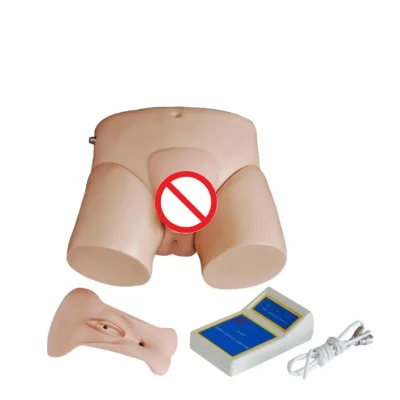
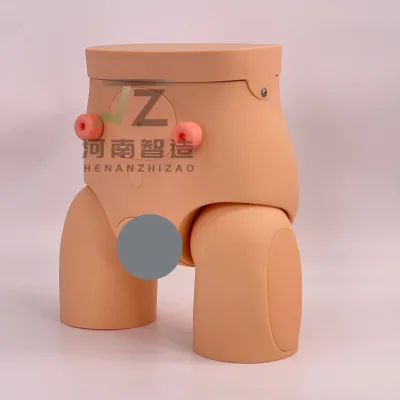
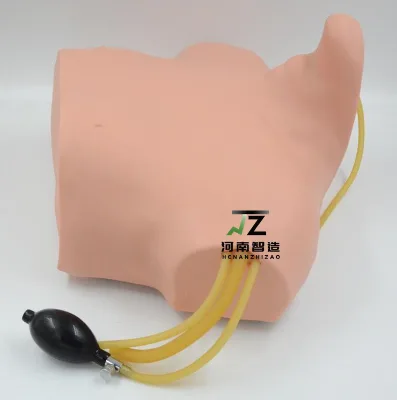
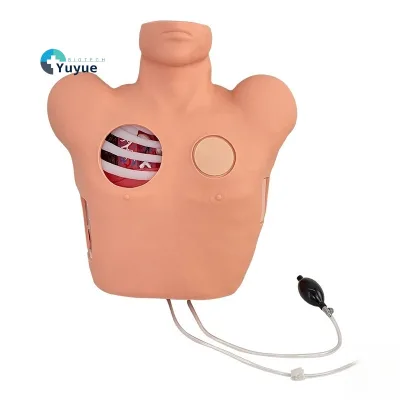
Advanced Pvc Central Venous Puncture and Catheterization Training Model
$250.00 - $300.00
MOQ: 1 Minimum
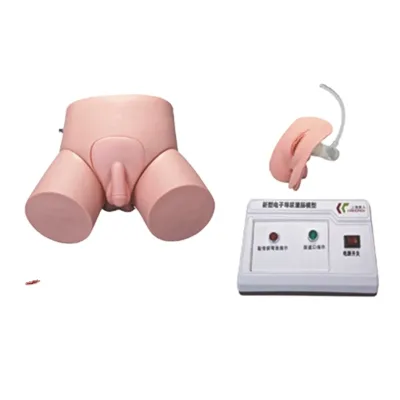
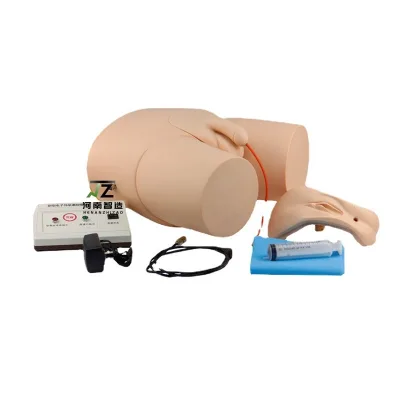
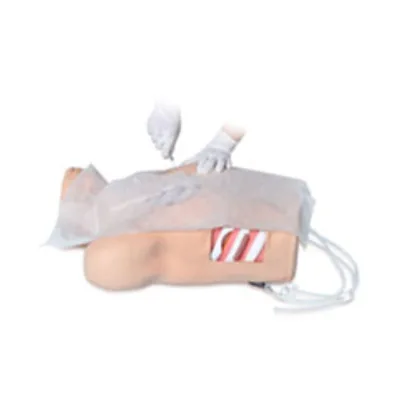
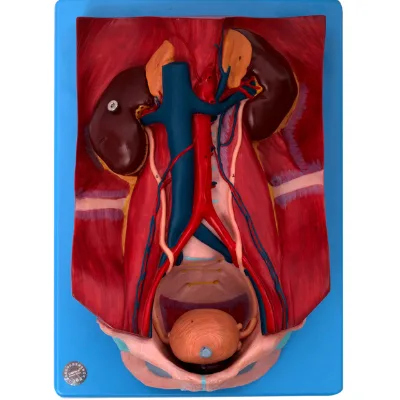


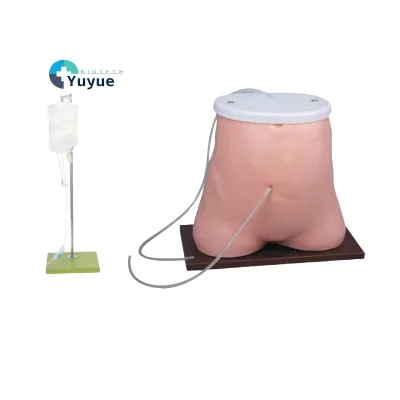
Pediatric Urethral Catheterization Model Medical Education Training Model
$10.00 - $600.00
MOQ: 1 Pieces


Advanced Sputum Suction Practice Model Medical Education Training Model
$10.00 - $400.00
MOQ: 1 Pieces

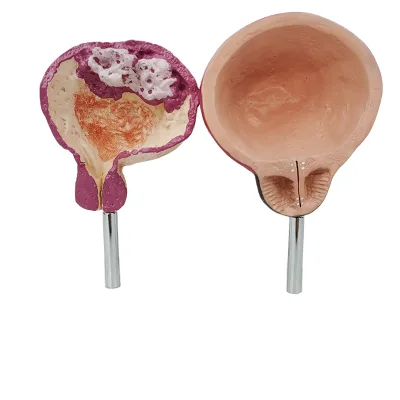
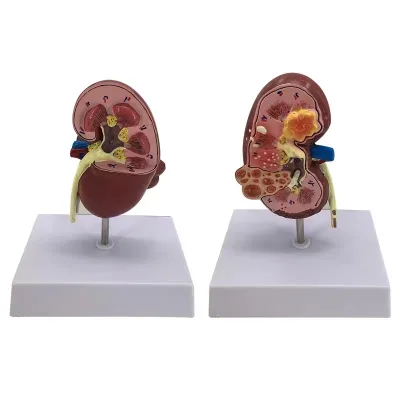
Comparison Model of Healthy Bladder and Pathological Bladder Anatomical Model
$15.26 - $23.39
MOQ: 10 Minimum


Comprehensive Sourcing Guide
Strategic Sourcing Guide for CE Certified Thoracentesis Drainage Models
Procuring medical training equipment, specifically a CE Certified Thoracentesis Drainage Model, requires a disciplined approach that balances educational efficacy with regulatory compliance. In the B2B market, buyers often encounter a wide array of anatomical models designed for medical science education, ranging from simple static replicas to complex electronic systems. The core keyword "CE Certified Thoracentesis Drainage Model" implies a specific need for a device that not only accurately simulates the thoracic cavity for needle insertion and fluid drainage training but also adheres to the European Conformity (CE) marking standards required for medical devices in the European market. This guide outlines the essential factors for sourcing such equipment, drawing upon verified product attributes and industry standards to ensure a robust procurement strategy.
Technical Specifications and Anatomical Fidelity
When evaluating a thoracentesis drainage model, the primary technical consideration is the fidelity of the anatomical structures. The model must provide a realistic simulation of the intercostal spaces, the pleural cavity, and the surrounding musculature to ensure that students and medical professionals can practice the procedure safely. Based on observed product attributes in the educational medical sector, high-quality models often feature "Detailed Anatomy structures" and are constructed from materials such as "Advanced PVC" or standard PVC. These materials are selected for their durability and ability to mimic the resistance of human tissue during needle insertion.
The physical dimensions of the model are critical for training scenarios. While some models are described as "life size" to provide a full-body context, others may be compact, with specific package dimensions such as "353212" cm or larger shipping packages like "50X30X44 cm". Buyers must verify whether the model is "Electronic" or "Manual," as this significantly impacts the training experience. Electronic models, such as those described as "Electronic Urinary Model" or "Electronic catheterization and enema teaching practice model," often include features like pressure sensors or fluid feedback, whereas manual models rely on tactile feedback. For thoracentesis, the ability to simulate fluid accumulation and drainage is paramount. The model should ideally allow for the insertion of drainage tubes or needles, mimicking the "Drainage Container/Tube" functionality found in other medical training sets.
Furthermore, the customization options available in the market should be assessed. Many suppliers offer "Customization: Available" and "OEM: Yes" services, allowing institutions to brand the model or modify specific anatomical features to suit their curriculum. The "Craft" of the model, often described as "Hand Painting," is another specification that affects the visual realism of the anatomical landmarks, which is essential for teaching students to identify the correct insertion points.
Compliance and Certification Verification
The requirement for "CE certified" status is non-negotiable for procurement in the European Union and many other international markets. The "CE" marking indicates that the product meets the safety, health, and environmental protection standards for products sold within the European Economic Area. In the context of medical training models, the relevant certification framework often aligns with "ISO13485," which specifies requirements for a quality management system for the design and manufacture of medical devices.
Buyers must exercise caution when reviewing supplier documentation. While some product listings explicitly state "CE/ISO13485" or "CE ISO" as a certificate, these claims must be verified against the specific product being purchased. It is common for suppliers to list certifications broadly across their entire product line, but individual items may have different compliance statuses. The "Certificate" attribute should be cross-referenced with the specific model number, such as "ST-DR27" or "408," to ensure the certification covers the thoracentesis model specifically.
Additionally, buyers should look for evidence of "normal" standards compliance. While the term "normal" is generic, in the context of medical equipment, it often implies adherence to general international safety norms. However, relying solely on the word "normal" is insufficient. Procurement teams must request valid certification documents from the supplier, ensuring the certificate is current and issued by a recognized Notified Body. The "WARRANTY: 1 year" attribute is another indicator of supplier confidence in product quality and compliance, suggesting that the manufacturer stands behind the durability and safety of the unit.
Cost Drivers and Pricing Structures
The price of a CE Certified Thoracentesis Drainage Model is influenced by several variables, including the complexity of the design, the materials used, and the level of electronic integration. The observed market price range for medical training models spans from $0.1 to $650 USD, reflecting a vast difference between simple anatomical replicas and sophisticated electronic training systems. A basic PVC model with hand-painted details will likely fall on the lower end of this spectrum, while an electronic model with fluid dynamics and pressure feedback will command a higher price.
The "Selling Units" attribute, often listed as "Single item," indicates that pricing is typically per unit, but bulk purchasing may offer discounts. The "MOQ" (Minimum Order Quantity) is a significant cost driver, with observed ranges from 1 to 3000 units. For smaller institutions or pilot programs, suppliers with an "MOQ: 1 Pcs" are ideal, allowing for low-risk procurement. Conversely, large hospital chains or educational networks may benefit from negotiating prices at higher volumes, potentially approaching the upper limit of the MOQ range.
Other cost factors include packaging and logistics. The "prod_packing: Carton" specification suggests standard industrial packaging, but the "Single gross weight" of 6.000 kg for certain models indicates that shipping costs can be substantial, especially for international orders. Buyers should factor in the "Single package size" and weight when calculating the total landed cost. Additionally, the "Brand Name" and "Place of Origin" (e.g., "Henan, China" or "Shanghai, China") can influence pricing, as established brands or those from specific manufacturing hubs may have different cost structures due to labor and material costs.
Typical Applications and Target User Groups
The primary application for a thoracentesis drainage model is in medical education and professional training. The "Category: education" and "Subject: Medical Science" attributes clearly define the intended use case. These models are designed for "learning and training" purposes, specifically for procedures involving the removal of fluid from the pleural space. The "Usage: for school and hospital" specification highlights the dual market of academic institutions and clinical training centers.
The "Customer groups" for these models include "student, teacher, doctor," indicating that the product is versatile enough for introductory anatomy classes as well as advanced clinical skills workshops. For students, the model provides a risk-free environment to practice needle insertion and drainage techniques. For teachers and doctors, it serves as a tool for demonstrating proper technique and assessing student competency. The "Feature: Birthing model" or "Feature: Detailed Anatomy structures" suggests that some models may be part of a broader suite of training equipment, allowing for integrated training in various medical procedures.
It is important to note that while some models are described as "Electronic," others are manual. The choice between electronic and manual models depends on the specific training goals. Electronic models may offer additional feedback mechanisms, such as alarms or digital readouts, which are beneficial for advanced training. Manual models, however, are often sufficient for basic skill acquisition and are more cost-effective for large-scale student training programs.
Supplier Evaluation and Selection Criteria
Selecting the right supplier is critical for ensuring the quality and compliance of the thoracentesis drainage model. Buyers should prioritize suppliers who demonstrate transparency in their product attributes. Key indicators of a reliable supplier include clear specifications for "Material," "Brand Name," and "Place of Origin." For instance, suppliers based in "Henan, China" or "Shanghai, China" are common in this sector, but the specific origin should be verified to ensure it aligns with the buyer's sourcing preferences.
The "OEM: Yes" and "Customization: Available" attributes are strong indicators of a supplier's flexibility and capacity to meet specific institutional needs. A supplier that accepts OEM orders can provide branded products, which is often required for large hospital chains or university systems. Additionally, the "Craft: Hand Painting" attribute suggests a level of attention to detail that is essential for realistic training models.
Buyers should also evaluate the supplier's commitment to quality through their warranty and certification policies. A "WARRANTY: 1 year" is a standard expectation, but suppliers who offer extended warranties or comprehensive support packages may be more reliable. The presence of "CE/ISO13485" certifications should be verified, and suppliers should be willing to provide documentation upon request. Finally, the "Customer groups" served by the supplier can provide insight into their experience level; suppliers catering to "student, teacher, doctor" groups likely have a deeper understanding of the educational requirements for medical training models.
Quality Control and Long-Term Procurement Considerations
Ensuring the long-term value of a thoracentesis drainage model requires a focus on quality control and durability. The "Material: Advanced PVC" or "Material: PVC" used in these models must be resistant to wear and tear, especially given the repeated needle insertions and fluid drainage practices. Buyers should inspect samples for signs of material degradation, such as cracking or discoloration, which can compromise the realism and safety of the training experience.
The "Single gross weight" and "Single package size" are also important for logistics and storage. A model weighing 6.000 kg and measuring "50X30X44 cm" requires specific handling and storage conditions. Buyers should ensure that their facilities can accommodate these dimensions and weights, particularly if they plan to purchase multiple units.
Long-term procurement considerations also include the availability of replacement parts and consumables. While the model itself may be durable, components such as drainage tubes or fluid reservoirs may need to be replaced periodically. Suppliers who offer "Customization" and "OEM" services are often better positioned to provide these consumables, ensuring that the training program can continue without interruption.
Furthermore, the "Category: education and science" designation suggests that these models are part of a broader educational ecosystem. Buyers should consider how the thoracentesis model integrates with other training equipment, such as "Electronic Urinary Model" or "Central Venous Puncture and Catheterization training Model," to create a comprehensive training curriculum. This integration can enhance the learning experience and provide a more holistic approach to medical education.
Comparative Analysis of Model Attributes
To assist buyers in making informed decisions, the following table summarizes key attributes observed in the market for medical training models, including thoracentesis drainage models. This comparison highlights the variations in specifications, certifications, and features that buyers should consider during the sourcing process.
| Attribute | Typical Observation | Procurement Consideration |
|---|---|---|
| Material | Advanced PVC, PVC | Verify durability and tissue resistance. |
| Certification | CE, ISO13485, CE ISO | Request valid certificates for specific models. |
| Function | Learning, Training, Catheterization | Ensure alignment with curriculum needs. |
| Power Source | Electric Powered (No/Yes) | Determine need for electronic feedback. |
| Size | Life size, 353212 cm, 50X30X44 cm | Check storage and transport requirements. |
| Customization | Available, OEM Yes/No | Assess branding and feature modification needs. |
| Warranty | 1 Year | Confirm coverage and support terms. |
| Origin | Henan, China; Shanghai, China | Verify supply chain reliability. |
In conclusion, sourcing a CE Certified Thoracentesis Drainage Model requires a meticulous evaluation of technical specifications, compliance documentation, and supplier capabilities. By focusing on the verified attributes and avoiding unverified claims, buyers can secure high-quality training equipment that meets the rigorous standards of medical education. The market offers a diverse range of options, from basic manual models to advanced electronic systems, allowing institutions to select the solution that best fits their specific training objectives and budget constraints.
FAQs
How can I verify the CE certification for this model?
Verify the CE certification by checking the product certificate listed as CE/ISO13485 or CE ISO on the item page. Ensure the specific model number, such as ST-DR27 or 408, is explicitly covered by the valid documentation provided by the manufacturer in China.
What material is used to construct the drainage model?
The model is constructed from Advanced PVC or standard PVC materials designed for durability and realistic tissue resistance. This material choice ensures the anatomical structures withstand repeated needle insertions and fluid drainage practices during medical training sessions.
Which customization options are available for this training model?
Customization is available for this model, including OEM services to brand the unit for your institution. Buyers can request specific modifications to anatomical features or packaging, provided the supplier confirms these options align with their standard production capabilities.
Can I order a single unit of this medical model?
Yes, you can order a single unit as the minimum order quantity is listed as 1 piece for some items. This low MOQ allows educational institutions to purchase individual units for pilot programs without committing to large bulk orders immediately.
What is the typical packaging size for shipping this model?
The single package size varies, with some models measuring 50 by 30 by 44 cm and others at 35 by 32 by 12 cm. Packaging is typically done in cartons, and the gross weight for certain units is approximately 6 kilograms, affecting logistics planning.
How long is the warranty period for this training equipment?
The standard warranty period for this equipment is 1 year from the date of purchase. This warranty covers defects in materials and workmanship, ensuring that the supplier stands behind the durability and safety of the anatomical model for your training needs.
Which target audience groups use this specific medical model?
This model is designed for students, teachers, and doctors involved in medical science education and clinical training. It serves schools and hospitals by providing a realistic environment for learning procedures like catheterization and drainage without patient risk.