Source CE Certified Wall Steel Formwork for Hotel, Civil, and Project Solutions
Find 30 CE Certified Wall Steel Formwork options from Shandong, China. Buyers can compare steel and aluminum frame materials, customization levels, and technical support services for hotel, civil construction, and total project solutions.
Key considerations
Products List


Metal Concrete Formwork Steel Wall Formwork Steel Column Formwork for Concrete Construction
$80.00 - $120.00
MOQ: 500 Square Meters


Adjustable Customized Steel Formwork for Wall and Column Construction
$1100.00 - $1200.00
MOQ: 25 Tons


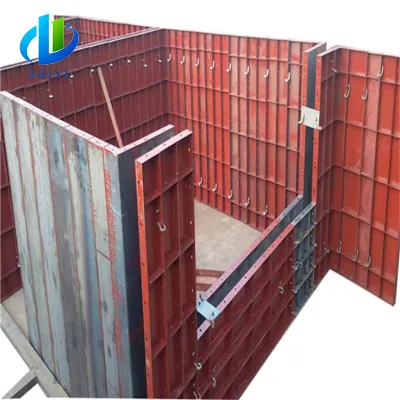


Lightweight Steel-Framed Wall and Column Formwork for Efficient Construction
$64.00 - $80.00
MOQ: 200 Square Meters


$10.00
MOQ: 200 Pieces


Comprehensive Sourcing Guide
Strategic Sourcing Guide for CE Certified Wall Steel Formwork
Navigating the global market for construction formwork requires a disciplined approach, particularly when targeting specific compliance markers like CE certification for wall steel formwork. The procurement landscape for these structural components is defined by a complex interplay of material science, regulatory adherence, and logistical efficiency. Buyers must distinguish between marketing assertions and verified product attributes to ensure that the selected formwork systems meet the rigorous demands of modern civil construction projects. This guide outlines the critical factors for sourcing, focusing on the technical realities of steel formwork, the verification of certifications, and the evaluation of supplier capabilities based on observed market data.
Technical Specifications and Material Composition
The foundation of any reliable formwork system lies in its material composition and dimensional specifications. In the current market, wall steel formwork is predominantly constructed from high-grade steel, often identified as Q235 or Q345, which provides the necessary tensile strength and durability for repeated use in concrete pouring operations. The structural integrity of these systems is further enhanced by frame materials that may include steel or aluminum, offering a balance between weight and load-bearing capacity. Observations from available product data indicate that frame materials are frequently listed as "Steel / Aluminium," suggesting a hybrid approach where steel provides the primary structural skeleton while aluminum components may be utilized for specific lightweight applications or connection points.
Dimensional consistency is paramount for the seamless assembly of wall formwork panels. Standardized models often adhere to specific thickness ranges, with observed data pointing to panel thicknesses between 3mm and 5mm. This range ensures that the formwork can withstand the hydrostatic pressure of wet concrete without excessive deflection. Furthermore, the width of individual panels typically varies from 150mm to 1000mm, allowing for modular customization to fit various wall geometries. Length specifications also play a crucial role, with common lengths observed in the range of 1000mm to 1800mm. These dimensions are not arbitrary; they are designed to optimize the number of connections required on-site, thereby reducing labor time and potential points of failure.
Surface treatment is another critical technical specification that influences the longevity and performance of the formwork. To prevent corrosion and ensure a smooth concrete finish, panels are often subjected to paint spraying or general painting processes. This protective layer is essential for maintaining the aesthetic quality of the final concrete surface and extending the service life of the equipment. Additionally, the manufacturing process often involves CO2 arc welding, a technique that ensures robust joints between the steel frames and panels. Buyers should verify that the welding standards meet the specific requirements of their project, as the quality of the weld directly impacts the structural safety of the formwork system during the pouring phase.
Compliance Verification and Certification Standards
The requirement for CE certification is a non-negotiable aspect of sourcing wall steel formwork for projects within the European Union and many other international markets. The CE mark indicates that the product complies with the essential health, safety, and environmental protection requirements set out in EU legislation. However, the presence of a CE mark must be verified against the specific product documentation and the manufacturer's declaration of conformity. In the context of steel formwork, this certification often overlaps with ISO standards, specifically ISO 9001 for quality management systems, which ensures that the manufacturing process is consistent and controlled.
When evaluating suppliers, buyers must look for explicit mentions of certifications such as CE and ISO in the product attributes. While some market data lists "CE, ISO" as a combined attribute, it is vital to request the specific certificate numbers and the scope of coverage for each product batch. The certification process for steel formwork involves rigorous testing of load-bearing capacity, dimensional accuracy, and surface finish. Buyers should be aware that while some suppliers may claim compliance with standards like EN 10219 for structural steel tubing or EN39 for concrete formwork, these specific standards should be cross-referenced with the actual product data provided. Relying solely on general claims without verifying the specific test reports can lead to significant compliance risks.
Furthermore, the "Low-confidence background" data suggests that standards like JIS A3444 or specific EN codes may be referenced in broader industry contexts. However, for a specific procurement decision, the buyer must ensure that the supplier provides documentation that explicitly links the product to the relevant standard. The verification process should include a review of the test results that demonstrate the formwork's ability to withstand the specific loads expected in the project. This due diligence is essential to avoid the pitfalls of accepting products that are only nominally compliant but lack the necessary engineering validation.
Cost Drivers and Economic Factors
Understanding the cost structure of wall steel formwork is essential for effective budget management. The primary cost drivers include the raw material prices of steel and aluminum, the complexity of the manufacturing process, and the level of customization required. Steel formwork is generally more expensive than timber alternatives due to the higher material costs and the energy-intensive nature of steel production and welding. However, the long-term cost-effectiveness of steel formwork is often superior due to its reusability and durability. The observed market data indicates a wide price range, from approximately $9.97 to $1,715, which reflects the vast difference between individual components, such as panel props, and complete system packages.
The Minimum Order Quantity (MOQ) is another significant economic factor that influences the total cost of procurement. Data shows an MOQ range from 1 unit to 3,999 units, with some suppliers requiring a minimum of 10 tons for bulk orders. This variability allows buyers to tailor their purchasing strategy based on project scale. For smaller projects, the ability to order single units or small batches can reduce upfront capital expenditure. Conversely, for large-scale civil construction projects, negotiating bulk orders can lead to significant economies of scale. The packaging method also plays a role in cost; options range from standard packages and pallets to specialized steel frames and containers, each with different shipping and handling implications.
Customization is a key value-add that can impact pricing. The availability of customization allows buyers to specify exact dimensions, colors (such as blue, red, or custom shades), and surface treatments to meet specific project requirements. While customization may increase the unit cost, it can reduce on-site labor and waste by ensuring a perfect fit for the project's unique geometry. Buyers should carefully weigh the initial cost increase against the potential savings in installation time and material waste. Additionally, the location of the supplier, often identified as Shandong or Qingdao in China, can influence logistics costs and lead times, which must be factored into the total cost of ownership.
Typical Applications and Project Suitability
Wall steel formwork is designed for a wide array of applications, with a primary focus on civil construction and large-scale infrastructure projects. The observed product attributes highlight applications in hotel construction, which often requires high-quality concrete finishes and precise dimensional control. The versatility of steel formwork makes it suitable for various structural elements, including walls, columns, and slabs. The "Total Solution for Projects" capability offered by many suppliers indicates that these systems are often part of a comprehensive package that includes design, engineering, and on-site support.
The performance characteristics of steel formwork, such as being lightweight and compatible with racking systems, make it ideal for projects where efficiency and speed are critical. The compatibility with racking systems allows for rapid assembly and disassembly, reducing the overall construction timeline. Furthermore, the "Light Weight" attribute, when combined with the high strength of steel, enables easier handling by construction crews, reducing the risk of injury and improving productivity. The design style of the formwork, which can be customized, allows for aesthetic flexibility, ensuring that the final concrete structure meets the architectural vision of the project.
In addition to hotels and civil construction, steel formwork is increasingly used in residential and commercial building projects. The ability to provide graphic design and total project solutions suggests that suppliers are equipped to handle complex architectural requirements. The application of these systems in "Civill Construction" (Civil Construction) underscores their role in building roads, bridges, and other public infrastructure. The robust nature of steel formwork ensures that it can withstand the harsh conditions often found in such environments, providing a reliable solution for contractors who need to deliver projects on schedule and within budget.
Supplier Evaluation and Capability Assessment
Selecting the right supplier is as critical as selecting the right product. Buyers should evaluate suppliers based on their project solution capabilities, after-sales service, and technical support. The observed data indicates that suppliers often offer "Online Technical Support" and "Onsite Training," which are invaluable for ensuring that the construction team is proficient in using the formwork system. The availability of "Remote or on-Site Instruction" further enhances the supplier's value proposition, as it allows for immediate resolution of technical issues that may arise during the construction process.
The "Brand Name" and "Place of Origin" are also important factors in supplier evaluation. While specific brand names like "Green Formwork" may appear in the market, buyers should focus on the reputation and track record of the supplier rather than just the brand. The origin of the product, often Shandong or Qingdao in China, is a known hub for steel formwork manufacturing, but buyers must verify the specific manufacturing facilities and quality control processes of the supplier. The "Lianggong Supply" attribute suggests that some suppliers may offer proprietary design solutions, which can be a competitive advantage for projects requiring unique formwork configurations.
Buyers should also assess the supplier's ability to handle customization and provide a total solution for projects. The "Customization: Available" and "Customization: Acceptable" attributes indicate that most suppliers are flexible in meeting specific client needs. However, the extent of this customization and the associated lead times should be clearly defined in the contract. The "Project Solution Capability" including graphic design and total project solutions suggests that the supplier can provide a comprehensive service package, from initial design to final installation support. This holistic approach can significantly reduce the risk of project delays and cost overruns.
Quality Control and Long-Term Procurement Considerations
Ensuring the quality of wall steel formwork requires a rigorous quality control process that extends beyond the initial purchase. Buyers should implement a system of regular inspections and testing to verify that the formwork meets the specified standards and performance criteria. The "Surface Treatment" and "Thickness" specifications should be verified upon delivery to ensure that the product matches the ordered specifications. The use of standardized packaging, such as "Steel Pallet" or "Container," helps protect the formwork during transit and ensures that it arrives in good condition.
Long-term procurement considerations involve evaluating the lifecycle cost of the formwork system. While the initial purchase price is important, the durability and reusability of the formwork are equally critical. Steel formwork is designed for multiple uses, and the quality of the materials and manufacturing process will determine how many cycles the formwork can withstand before requiring replacement. The "After-Sale Service" provided by the supplier, including technical support and training, plays a crucial role in maximizing the lifespan of the formwork. Buyers should also consider the availability of spare parts and the ease of maintenance when evaluating suppliers.
Finally, buyers should maintain a long-term relationship with their suppliers to ensure consistent quality and support. The "Total Solution for Projects" capability suggests that suppliers are committed to the success of the project beyond the initial sale. By fostering a collaborative relationship, buyers can benefit from the supplier's expertise and access to the latest innovations in formwork technology. This strategic approach to procurement can lead to improved project outcomes, reduced costs, and enhanced safety on the construction site.
FAQs
What certifications do CE Certified Wall Steel Formwork products have?
Products typically hold CE and ISO certifications. Some listings also specify ISO9001 for quality management. Buyers should verify specific certificate numbers for each batch to ensure compliance with project requirements.
Which materials are used for the frame and panels?
Frames are constructed from steel or aluminum. Panels often use bamboo plywood or wood plywood. The steel used for frames is frequently grade Q235 or Q345 to ensure structural integrity during concrete pouring.
Can buyers customize the dimensions and colors of the formwork?
Yes, customization is available for dimensions, colors, and surface treatments. Buyers can specify thicknesses between 3mm and 5mm and choose from blue, red, or custom colors. This allows for tailored solutions for specific project geometries.
How is the surface treatment applied to prevent corrosion?
Surfaces undergo paint spraying or general painting processes. This treatment prevents corrosion and ensures a smooth concrete finish. The manufacturing process often includes CO2 arc welding to secure robust joints between frames and panels.
What after-sales services are provided by suppliers?
Suppliers offer online technical support and onsite training. Remote or on-site instruction is available to assist construction teams. These services help ensure proper installation and usage of the formwork systems on-site.
What is the typical minimum order quantity for bulk purchases?
Minimum order quantities range from 1 unit to 3999 units. Some suppliers require a minimum of 10 tons for specific bulk orders. This flexibility allows buyers to adjust purchasing strategies based on project scale.
Where are these steel formwork products manufactured?
Products originate from Shandong and Qingdao in China. These regions are known hubs for steel formwork manufacturing. Buyers should verify specific facility details to ensure quality control standards are met.
What applications are suitable for this wall steel formwork?
Applications include civil construction and hotel projects. The systems are designed for total project solutions involving graphic design. They are suitable for various structural elements requiring high-quality concrete finishes and precise dimensional control.