Source CE Certified Waterproof Leg Protector for Badminton, Household, and Medical Use
Compare 30 listings for CE Certified Waterproof Leg Protector options suitable for badminton, household appliances, and wound protection. Buyers can evaluate materials like polyester and silicone rubber, customization features, and shipping methods from suppliers in China.
Key considerations
Products List


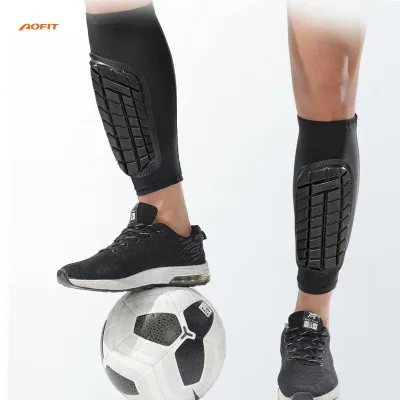
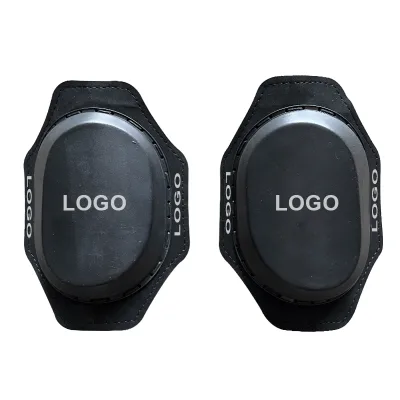
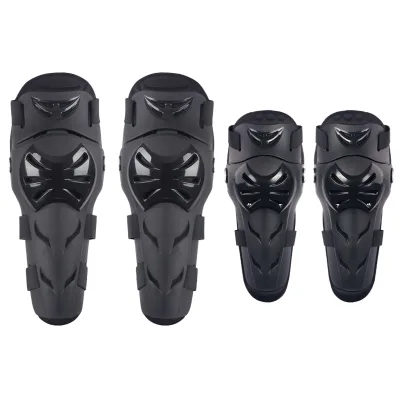
PU Foam Back Hip Protector Elbow Knee Pads Shoulder Pads Protection for Motorcycle
$33.00 - $35.00
MOQ: 1 Pieces






Comprehensive Sourcing Guide
Strategic Sourcing Guide for CE Certified Waterproof Leg Protectors
Understanding Product Variants and Core Attributes
When sourcing a CE Certified Waterproof Leg Protector, buyers must first navigate the distinct product categories that often appear under this broad search term. The market presents a bifurcation between medical-grade wound protection devices and general-purpose protective gear. The supplied data indicates that products labeled as "leg protectors" or "cast protectors" are frequently designed for specific medical applications, such as showering, bathing, or protecting IV PICC lines and burn wounds. These items are characterized by their application in wound care and often feature specific sterilization methods, such as Ethylene Oxide Sterilization, or may be supplied without it depending on the intended use case.
In contrast, other listings with similar keywords may refer to industrial or sports protection, such as badminton-related gear, which utilizes materials like polyester. However, for a buyer specifically seeking a "waterproof leg protector" with "CE certification," the focus must remain on the medical or high-safety hygiene sector. The observed product models, such as the "Cast Protector" with model identifiers like QNRF, suggest a standardized approach to wound protection. These items are typically packaged individually in OPP bags or paper poly bags to maintain sterility and hygiene until the point of use. It is critical for the procurement team to distinguish between a general waterproof sleeve and a certified medical device, as the regulatory implications and material requirements differ significantly. The presence of "CE" in the product attributes signals compliance with European health, safety, and environmental protection standards, which is a non-negotiable requirement for market access in the European Union.
Technical Specifications and Material Composition
The technical integrity of a waterproof leg protector relies heavily on the material composition and dimensional specifications. The supplied facts highlight that materials such as Silicone Rubber, Natural Rubber, and NBR are common in the broader category of rubber components, including feet and seals. For a waterproof leg protector, silicone rubber is a primary candidate due to its flexibility, chemical resistance, and ability to form a watertight seal against the skin. The hardness of such materials is often measured in Shore A units, with observed ranges including 50, 60, 70, and 80 Shore A. Selecting the correct hardness is vital; a material that is too soft may tear during application, while one that is too hard may fail to conform to the leg's contours, compromising the waterproof barrier.
Dimensional customization is a frequent requirement in this sector. The data indicates that product lengths and sizes can be customized, with standard ranges observed for similar rubber components extending from 12mm to 32mm in diameter or thickness. For leg protectors, the cross-section shape is often O-Rings or similar profiles to ensure a snug fit. The temperature resistance is another critical technical parameter, with observed capabilities ranging from -10 to 120 Celsius degrees. This range ensures the product remains functional in various environmental conditions, from cold storage to hot water exposure during bathing. Buyers should verify that the specific model they are sourcing meets the temperature and hardness requirements for their intended clinical or industrial environment. Furthermore, the drawing formats available, such as STEP, STP, IGS, STL, CAD, PDF, and DWG, allow for precise engineering and customization of the product to fit specific leg shapes or medical device interfaces.
Compliance Verification and Certification Standards
The core keyword "CE certified" mandates a rigorous verification process. While the supplied facts list "CE" alongside other certifications like ISO9001, SGS, ISO14001, FDA, and specific medical device regulatory types, buyers must understand that the presence of a certification label does not automatically guarantee compliance for every unit in a batch. The data notes that some products are classified under "Surgical Supplies Materials" with regulatory types that require strict adherence to standards. For a leg protector intended for wound care, the product standard often aligns with ISO and CE requirements, and in some cases, FDA approval is also listed.
Buyers must request the specific Declaration of Conformity (DoC) for the exact model number, such as the "Cast Protector" or "QNRF" series, to confirm that the CE marking is valid and covers the specific application. The certification data suggests that manufacturers may hold multiple certifications, including ISO14001 for environmental management and ISO9001 for quality management. However, the specific medical device regulatory type must be confirmed to ensure the product is legally classified as a medical device in the target market. The absence of Ethylene Oxide Sterilization on some listings indicates that buyers must explicitly state their sterilization requirements. If the product is intended for open wounds, the supplier must provide evidence of a validated sterilization process or confirm that the product is supplied in a sterile condition. Verification should also include checking the validity of the certification bodies, such as SGS or notified bodies, to ensure the certifications are current and not expired.
Cost Drivers and Pricing Dynamics
The cost of sourcing CE certified waterproof leg protectors is influenced by several variables, including material quality, customization levels, and certification maintenance. The observed price range in the market spans from $0.01 to $35 USD, a wide spectrum that reflects the difference between basic, non-customized components and high-specification, certified medical devices. The lower end of the price range likely corresponds to non-customized, bulk industrial rubber components, while the higher end reflects specialized medical-grade protectors with specific sterilization, custom packaging, and full regulatory compliance.
Material costs play a significant role, with silicone rubber and natural rubber generally commanding higher prices than standard synthetic blends. Customization is a major cost driver; the data confirms that customization is available for attributes such as length, color (black, white, or custom), and logo printing. Products with "With Logo Printing" or specific custom sizes will incur higher unit costs compared to standard off-the-shelf items. Additionally, the Minimum Order Quantity (MOQ) ranges from 1 to 5,000 units, meaning that buyers purchasing small quantities may face higher per-unit costs due to setup fees and lower production efficiency. The packaging method also impacts cost; individual OPP bagging or paper poly bagging for sterile products is more expensive than bulk carton packing (e.g., 500PCS/CTN or 404040cm Cartons). Buyers should balance the need for customization and certification against their budget, understanding that a "CE certified" medical device will inherently cost more than a generic waterproof sleeve due to the overhead of regulatory compliance and quality assurance.
Supplier Evaluation and Operational Capabilities
Selecting the right supplier requires a deep dive into their operational capabilities and geographic location. The supplied data indicates that the origin of these products is primarily China, with specific mentions of Shanghai as a production hub. This location is significant as it is a major manufacturing center with established supply chains for rubber and medical devices. When evaluating suppliers, buyers should verify their production capacity and lead times, although specific lead time data is not provided in the source text. The ability to provide samples is a key indicator of supplier reliability, as the data explicitly states that samples are acceptable.
Suppliers should demonstrate a robust quality management system, evidenced by certifications like ISO9001. The availability of OEM and ODM services is another critical factor, allowing buyers to tailor the product to their specific brand or clinical needs. The data mentions that suppliers can provide drawings in various formats (Step/STP/Igs/Stl/CAD/Pdf/Dwg), which is essential for custom engineering. Buyers should also assess the supplier's experience with medical device regulations, particularly if the product is classified as a surgical supply. The presence of "Customized" service options suggests that the supplier is flexible, but buyers must ensure that customization does not compromise the CE certification status. It is advisable to request a facility audit or a detailed profile of the production line to ensure that the manufacturing process adheres to the strict standards required for medical-grade waterproof protectors.
Quality Control and Long-Term Procurement Strategy
Quality control is paramount when sourcing products that protect wounds and medical devices. The observed features of similar rubber components include "Non-Slip," "Wear-Resistant," and "Long Life" attributes, which are desirable for leg protectors to ensure they remain effective during use. The quality guarantee period for some products is listed as "Two Years," which provides a baseline for durability expectations. However, for medical devices, the quality control process must extend beyond the physical product to include sterilization validation and packaging integrity.
Buyers should implement a rigorous incoming quality inspection protocol. This includes verifying the physical dimensions against the provided specifications (e.g., 12-32mm ranges) and checking the hardness values (50-80 Shore A). Visual inspections should confirm the absence of defects, such as tears or uneven surfaces, which could compromise the waterproof seal. The packaging must be intact, especially for products labeled as "Individually OPP Bag" or "Paper Poly Bag," to maintain sterility. Long-term procurement considerations involve establishing a consistent supply chain that can meet fluctuating demand without compromising quality. The ability to customize the product standard and size allows for adaptability, but buyers must ensure that any changes are re-validated for CE compliance. Regular audits of the supplier's quality management system and periodic re-testing of product samples are recommended to maintain high standards over time.
Application Scenarios and Market Fit
The application of CE certified waterproof leg protectors is diverse, ranging from clinical wound care to industrial protection. The data highlights specific uses such as "Shower Bath Wounds," "IV Picc Lines," and "Burn Protection." These applications require a high degree of reliability, as the failure of the protector could lead to infection or device damage. The product's ability to withstand temperatures from -10 to 120 Celsius degrees makes it suitable for various clinical environments, including those involving hot water or cold storage.
In addition to medical uses, the broader category of rubber protectors may find applications in household appliances or furniture, as indicated by the "Sofa, Table, Cabinet, Bed, Chair" usage data for similar rubber feet. However, for the specific "waterproof leg protector" keyword, the medical application is the primary focus. Buyers should align their procurement strategy with the specific needs of their end-users, whether they are hospitals, clinics, or home care providers. The customization options allow for tailored solutions, such as specific colors for identification or custom sizes for different patient demographics. Understanding the specific application ensures that the selected product meets the functional requirements and regulatory standards necessary for safe and effective use.
Conclusion and Procurement Best Practices
Sourcing a CE Certified Waterproof Leg Protector requires a balanced approach that prioritizes regulatory compliance, material quality, and supplier reliability. Buyers must carefully navigate the distinctions between medical-grade devices and general protective gear, ensuring that the selected product meets the specific needs of their application. By verifying certifications, understanding cost drivers, and implementing robust quality control measures, procurement teams can secure a supply chain that delivers safe, effective, and compliant products. The flexibility offered by customization and the availability of samples provide opportunities for buyers to tailor solutions to their unique requirements. Ultimately, the success of the procurement process depends on a thorough understanding of the product attributes, a rigorous evaluation of supplier capabilities, and a commitment to maintaining high standards of quality and safety throughout the product lifecycle.
FAQs
What certifications are available for ce certified waterproof leg protectors?
Products often carry CE, ISO9001, SGS, ISO14001, and FDA certifications. Some items are classified as surgical supplies materials requiring strict regulatory adherence for wound protection applications.
Can I customize the size and material of the waterproof leg protector?
Yes, customization is available for length, size, and color options like black or white. Materials such as silicone rubber, natural rubber, and NBR can be selected based on specific hardness and application needs.
How is the waterproof leg protector packaged for shipping and hygiene?
Packaging varies from individual OPP bags for sterile medical use to bulk cartons for industrial items. Standard options include one product per package or 500 pieces per carton depending on the product type.
What is the temperature range for silicone rubber leg protectors?
The observed temperature resistance ranges from -10 to 120 Celsius degrees. This ensures functionality in various environments, from cold storage to hot water exposure during bathing or industrial processes.
Where are these products manufactured and what is the origin?
Products originate primarily from China, with specific production hubs mentioned in Shanghai. Buyers can expect sourcing from established manufacturing centers with capabilities for both medical and general protective gear.
What is the minimum order quantity for ce certified waterproof leg protectors?
The minimum order quantity ranges from 1 to 5000 units depending on the supplier and customization level. Smaller orders may incur higher per-unit costs due to setup fees and lower production efficiency.