Source Waler Brackets for Construction, Formwork, and Support
Find 30 Waler Bracket options from Chinese manufacturers. Compare stainless steel and SPCC materials, CNC stamping and extrusion methods, and ISO 9001 certified suppliers to find the right fit for your project; compare the available evidence and request quotations based on your requirements.
Key considerations
Products List
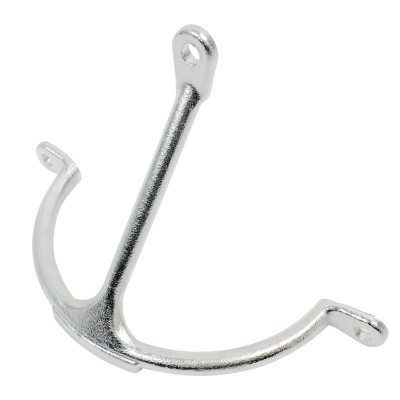


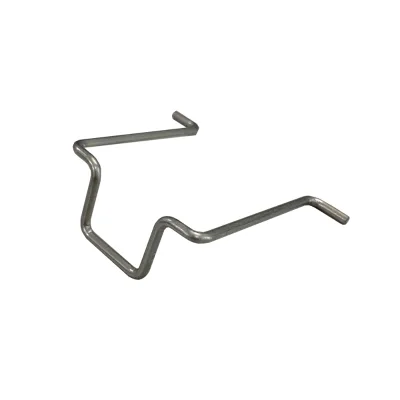


High-Quality Investment Casting Support Bracket for Ningbo Distribution
$0.80 - $1.30
MOQ: 1000 Pieces


Comprehensive Sourcing Guide
Waler Bracket Sourcing Guide
Procuring waler brackets requires a disciplined approach to aligning structural integrity with project-specific load requirements. These components serve as critical connectors in formwork systems, transferring lateral concrete pressure to the primary support structure. Buyers must prioritize materials that resist corrosion and fatigue, particularly in harsh construction environments. The selection process begins with defining the exact mechanical loads and dimensional constraints of the intended application.
Sourcing decisions are heavily influenced by the manufacturing capabilities of the supplier, particularly their ability to handle custom geometries and tight tolerances. Modern fabrication techniques allow for precise customization, ensuring that each bracket fits seamlessly into complex formwork assemblies. Understanding the interplay between material thickness, surface treatment, and machining method is essential for ensuring long-term durability and performance under stress.
Product Scope and Observed Listing Signals
The market for waler brackets encompasses a diverse range of products, from standard stainless steel brackets to heavy-duty load-bearing tripods and custom aluminum alloy cabinets. Listings often highlight specific model numbers, such as XHL-40 or YS3261, which indicate distinct design configurations tailored to particular engineering needs. Buyers should observe that product names frequently include descriptors like "Sheet Metal Stamping Nickel Plating Brackets" or "Heavy-Duty Load-Bearing Tripod," signaling variations in form and function.
Observed listing signals reveal a wide spectrum of material choices, including stainless steel, SPCC, and aluminum alloys. Surface treatments vary significantly, with options ranging from brushed and electroplated finishes to spray paint and polishing. These variations are not merely aesthetic; they directly impact corrosion resistance and compatibility with other construction materials. Buyers must carefully match these observed attributes to the environmental conditions and aesthetic requirements of their specific projects.
Technical Specifications to Verify
Verifying technical specifications is paramount to ensuring the structural reliability of waler brackets. Key attributes to confirm include material thickness, which typically ranges from 1 to 8mm, and dimensional accuracy, with tolerances as tight as +/-0.01mm. The machining method, whether extrusion, CNC stamping, or bending, dictates the final strength and precision of the component. Buyers should request detailed drawings to verify that dimensions, such as height, width, and thickness, align precisely with their formwork design parameters.
Surface treatment and customization options also require rigorous verification. Processes like electroplating, polishing, and spray painting must be confirmed to meet specific corrosion resistance standards. Additionally, the availability of customization services allows for tailored solutions, but buyers must ensure that these customizations do not compromise the bracket’s load-bearing capacity. Confirming the energy source, such as laser cutting, can further assure buyers of the precision and quality of the fabrication process.
Compliance and Safety Documentation
Compliance with international standards is a non-negotiable aspect of sourcing waler brackets. Certifications such as ISO 9001, SGS, and TS 16949 indicate that the supplier adheres to rigorous quality management systems. Buyers should verify that the brackets meet relevant standards, including ASME, EN, GB, and JIS Code, to ensure compatibility with global construction practices. These certifications provide assurance that the manufacturing processes are consistent and that the products meet established safety and performance benchmarks.
Safety documentation should also include evidence of 100% inspection before shipping, ensuring that every unit meets quality criteria. Buyers must request test reports or inspection certificates that validate the bracket’s ability to withstand specified loads. Additionally, confirming that the supplier follows standardized production protocols helps mitigate risks associated with structural failures. Ensuring that all documentation is up-to-date and verifiable is crucial for maintaining project safety and regulatory compliance.
Cost Drivers and Commercial Terms
Cost drivers for waler brackets include material selection, surface treatment complexity, and order volume. Stainless steel and aluminum alloys generally command higher prices due to their superior durability and corrosion resistance. Customization options, such as specific dimensions or unique surface finishes, can also increase costs. Buyers should analyze the trade-off between initial material costs and long-term performance, considering factors like maintenance requirements and lifespan in the intended application environment.
Commercial terms, including minimum order quantities (MOQ) and lead times, significantly impact procurement planning. Observed MOQs range from 1 to 5000 units, with lead times varying from 15 to 50 days depending on order complexity and supplier capacity. Buyers should negotiate flexible terms that accommodate project timelines and budget constraints. Understanding the supply ability, such as 5000 units per month, helps in planning large-scale projects and ensuring timely delivery of materials.
Supplier Qualification and Quality Control
Supplier qualification involves assessing their manufacturing capabilities, quality control processes, and track record. Buyers should verify that the supplier has a robust quality management system, evidenced by certifications like ISO 9001 and SGS. Inspecting the supplier’s facility, if possible, can provide insights into their production processes and quality assurance measures. Additionally, reviewing past client testimonials or case studies can offer valuable insights into the supplier’s reliability and product performance.
Quality control measures should include rigorous inspection protocols, such as 100% inspection before shipping. Buyers should request detailed quality control plans that outline the steps taken to ensure product consistency and reliability. Verifying the supplier’s ability to handle custom orders without compromising quality is also essential. Establishing clear communication channels and regular updates can help mitigate risks and ensure that any issues are addressed promptly throughout the procurement process.
Long-Term Procurement Checks
Long-term procurement checks focus on maintaining supplier performance and product quality over time. Regular audits of the supplier’s quality control processes and adherence to standards are essential for ensuring consistent product quality. Buyers should establish key performance indicators (KPIs) to monitor delivery times, defect rates, and customer satisfaction. Continuous feedback loops with the supplier can help identify areas for improvement and foster a collaborative relationship that benefits both parties.
Additionally, buyers should stay informed about industry trends and technological advancements that may impact Waler Bracket design and manufacturing. Regularly reviewing market conditions and supplier capabilities can help identify opportunities for cost savings or performance enhancements. Building a diversified supplier base can also mitigate risks associated with supply chain disruptions. By maintaining a proactive approach to supplier management, buyers can ensure the long-term success and reliability of their construction projects.
FAQs
What certifications do the Waler Bracket manufacturers hold?
The Waler Bracket manufacturers hold ISO 9001, TS 16949, and SGS certifications. These standards ensure quality management and automotive industry compliance. Some suppliers also provide CE and CCC certificates for specific regional requirements. Buyers should verify the specific certification list for their project needs before placing an order.
How long is the lead time for custom Waler Bracket orders?
The lead time for custom Waler Bracket orders typically ranges from 15 to 50 days depending on the specific process. Standard production cycles often take 30 to 50 days, while expedited options may be available within 15 to 30 days. Buyers should confirm the exact timeline based on their chosen material and surface treatment requirements.
Which materials are used for manufacturing waler brackets?
Waler brackets are manufactured using stainless steel, SPCC, and aluminum alloy materials. The material thickness generally ranges from 1 to 8 millimeters to ensure structural integrity. Buyers can request specific materials based on their application needs, such as corrosion resistance or weight reduction for the final assembly.
Can waler brackets be customized for specific dimensions?
Yes, waler brackets can be fully customized to meet specific dimensional and design requirements. Suppliers offer OEM services with available customization for models like XHL-40 or YS3261. Buyers can request tailored specifications including height, width, and thickness to fit their unique machinery or structural applications.
What is the minimum order quantity for waler brackets?
The minimum order quantity for waler brackets varies, with some suppliers requiring 1000 units while others accept orders as low as one piece. The typical supply ability is around 5000 units per month. Buyers should check the specific MOQ with the vendor to ensure it aligns with their project volume and budget constraints.
How are waler brackets packaged for international shipping?
Waler brackets are packaged using bubble bags, cartons, plastic films, and wooden cases or pallets for protection. The packaging method is selected to prevent damage during transit and can be customized to buyer preferences. Bulk packing options are also available for large volume shipments to ensure safe delivery to the destination.
Which machining methods are used for Waler Bracket production?
Waler Bracket production utilizes extrusion, CNC stamping, bending, and casting machining methods. Surface treatments include brushing, electroplating, polishing, and spray painting to enhance durability and appearance. Buyers can select the specific machining and finishing process based on the required tolerance and aesthetic standards for their application.