Source CE ISO13485 Sterilized Hypodermic Syringe for Medical, Mixing, and Intramuscular Uses
Find 30 listings for CE ISO13485 Sterilized Hypodermic Syringe options suitable for medical applications, mixing potions, and intramuscular injections. Buyers can compare specifications, certifications, and pricing details across multiple suppliers.
Key considerations
Products List


CE ISO Certificate Medical Device Disposable Sterile Hypodermic 3-Part Syringe with Needle
$0.02 - $0.04
MOQ: 100000 Pieces


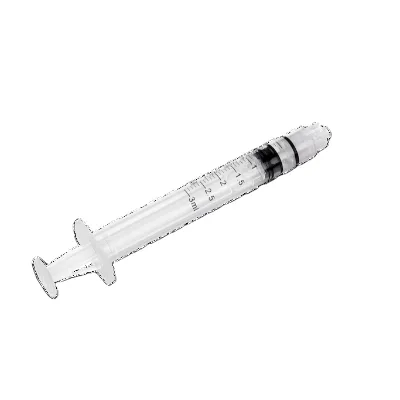
Manufacturer Well Made Sterile Hypodermic Auto Disable Syringe AD Syringe for Medical Use
$0.02 - $0.10
MOQ: 100000 Minimum
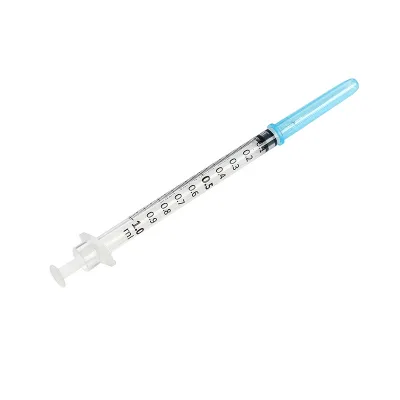

High Quality Sterilize Disposable Syringe with Needle 5ml with CE&ISO13485
$0.02 - $0.02
MOQ: 100000 PCS

High Quality Sterile Disposable Syringe with Single-Use Needle 3ml with CE&ISO13485
$0.02 - $0.02
MOQ: 100000 pieces


Advanced Disposable Self-Destructing Syringe with CE ISO Certification
$0.12 - $0.13
MOQ: 100000 Pieces


Comprehensive Sourcing Guide
CE ISO13485 Sterilized Hypodermic Syringe Sourcing Guide
Procuring medical-grade hypodermic syringes requires a rigorous approach to vendor selection, technical verification, and regulatory compliance. The core keyword "CE ISO13485 Sterilized Hypodermic Syringe" indicates a product category that must meet specific international quality management standards and sterilization protocols. Buyers must navigate a market where attributes such as material composition, volume capacity, and sterilization method vary significantly across listings. This guide provides a structured framework for evaluating suppliers and products based on observed market signals and established procurement best practices.
The following sections detail the critical steps for sourcing these devices, from understanding product scope to verifying long-term supplier reliability. Each section is designed to help procurement professionals make informed decisions, mitigate risk, and ensure that the final product meets the clinical and regulatory requirements of their target markets. By focusing on verified facts and standard industry practices, this guide aims to streamline the sourcing process and enhance supply chain resilience.
Product Scope and Observed Listing Signals
The observed product listings reveal a diverse range of hypodermic syringes, primarily constructed from plastic materials. These devices are categorized for both adult and pediatric use, indicating a broad application scope that spans various medical settings. The listings highlight specific volume capacities, with common sizes including 1ml, 2ml, 3ml, 5ml, 10ml, and 20ml. Additionally, some listings extend to larger volumes such as 50ml, 60ml, 100ml, and 150ml, suggesting that suppliers offer a comprehensive portfolio to meet different clinical needs.
Key attributes observed in the market include the presence of needles, which are often integrated into the syringe design for immediate use. The products are predominantly marketed as disposable, aligning with standard infection control protocols in healthcare. Sterilization is a critical feature, with ethylene oxide sterilization being a commonly cited method. Furthermore, customization options are available, including logo printing and specific packaging configurations, which are essential for branding and logistical efficiency in large-scale procurement.
Technical Specifications to Verify
When evaluating technical specifications, buyers must verify the material composition and structural integrity of the syringes. The primary material is plastic, but the specific type and grade can impact chemical compatibility and durability. It is crucial to confirm whether the syringes are designed for intramuscular injection or for mixing potions, as this distinction affects the internal mechanism and plunger design. The presence of a needle is a standard feature, but the gauge and length should be specified to ensure compatibility with the intended injection site and patient demographic.
Packaging and labeling are also critical technical aspects that require verification. Listings indicate various packaging methods, including individual PE wrapping, inner polybags, and carton packing. The quantity per box, such as 100 pieces, and the carton dimensions, such as 54x37x50 cm, are important for logistics and storage planning. Buyers should also check for the availability of sample units, which are often provided free of charge in small quantities, such as 5 pieces, to allow for physical inspection and testing before committing to a larger order.
Compliance and Safety Documentation
Compliance with international standards is non-negotiable for medical device procurement. The listings frequently mention certifications such as CE and ISO 13485, which are critical for market access in many regions. ISO 13485 specifically addresses quality management systems for medical devices, ensuring that the manufacturer has robust processes in place for design, production, and distribution. Buyers must request and verify these certificates, ensuring they are current and issued by an accredited body, to mitigate regulatory risks.
Sterilization validation is another key area of compliance. Ethylene oxide sterilization is a common method, but it requires rigorous validation to ensure that residual levels are within safe limits. Buyers should ask for sterilization certificates and test reports that confirm the effectiveness of the sterilization process. Additionally, documentation related to biocompatibility and endotoxin testing should be reviewed to ensure that the syringes are safe for patient contact. The presence of a quality guarantee period, such as two years, can also provide assurance regarding the product's shelf life and stability.
Cost Drivers and Commercial Terms
Cost drivers for hypodermic syringes include material costs, manufacturing complexity, and volume discounts. The observed price range in the market is relatively low, reflecting the high-volume nature of disposable medical devices. However, buyers should be cautious of prices that seem unusually low, as they may indicate compromised quality or non-compliance with standards. Customization options, such as logo printing and specific packaging, can add to the cost, so these should be factored into the total cost of ownership.
Commercial terms vary among suppliers, with payment terms such as T/T (Telegraphic Transfer) and L/C (Letter of Credit) being common. The minimum order quantity (MOQ) can range from small batches to large volumes, such as 100,000 pieces, which impacts cash flow and inventory management. Delivery times, often cited as 15 days, should be confirmed with the supplier to ensure alignment with production schedules. Buyers should also consider the cost of shipping and handling, which can be significant given the volume and weight of the cartons.
Supplier Qualification and Quality Control
Supplier qualification is a critical step in the sourcing process. Buyers should conduct a thorough audit of the supplier's facilities, focusing on their quality management systems and production capabilities. The presence of certifications such as ISO 13485 and CE is a good starting point, but on-site verification is essential to ensure that these standards are consistently applied. Suppliers should have clear procedures for raw material inspection, in-process quality control, and final product testing.
Quality control measures should include regular sampling and testing of finished products. Buyers should request test reports that cover key parameters such as dimensional accuracy, plunger friction, and leakage resistance. The ability to provide traceability for each batch of products is also important, allowing for quick identification and recall if any issues arise. Suppliers should have a robust complaint handling process and a commitment to continuous improvement, which can be assessed through their response to previous audits and customer feedback.
Long-Term Procurement Checks
Long-term procurement success depends on the ability to maintain consistent quality and supply stability. Buyers should establish regular performance reviews with their suppliers, tracking metrics such as on-time delivery, defect rates, and responsiveness to issues. These reviews should be documented and used to drive continuous improvement and address any emerging risks. Suppliers should be encouraged to invest in technology and process improvements that enhance efficiency and product quality.
Regulatory changes and market dynamics can impact the sourcing landscape, so buyers must stay informed about updates to standards and regulations. This includes monitoring changes in CE marking requirements and ISO standards, as well as any new regulations in the target markets. Building a diversified supplier base can also mitigate the risk of supply disruptions, allowing buyers to switch sources if necessary. Finally, maintaining strong relationships with suppliers through open communication and mutual respect can foster collaboration and innovation, leading to better products and services over time.
FAQs
Can I get free samples of the syringes?
Free samples are available with a quantity of 5 pieces per request. This allows buyers to verify product quality and specifications before placing a larger order for medical or mixing applications.
What certifications do these syringes hold?
The products hold FDA, ISOCE, CE, ISO13485, GMP, SGS, and BV certifications. These standards ensure the syringes meet international medical device requirements for safety and quality in various applications.
What is the minimum order quantity for these items?
The minimum order quantity ranges from 1 to 1,000,000 units depending on the specific supplier and product configuration. Buyers should verify the exact MOQ for their desired volume and customization needs.
How are the syringes packaged for shipment?
Packaging options include double packing, individual PE wrapping, inner polybags, boxes containing 100 pieces, and cartons. Specific carton dimensions and weights vary by model to ensure safe transport.
What is the delivery time for these orders?
The standard delivery time is 15 days from order confirmation. This lead time applies to the manufacturing and shipping process for the specified syringe models originating from Changzhou, China.
Are these syringes available with custom logo printing?
Yes, logo printing is available on the syringes. Buyers can request custom branding to be applied to the product, subject to the supplier's specific customization capabilities and order volume requirements.
What payment terms are accepted for these purchases?
Accepted payment terms include T/T and L/C. These standard financial instruments facilitate secure transactions between buyers and suppliers for medical device procurement across international borders.