Source CE RoHS Solar Garden Lamp for Street, Garden, and Yard
Find 30 verified options for CE RoHS Solar Garden Lamp products featuring LED lamps, Ni-MH batteries, and aluminum or ABS shells. Compare specifications including IP ratings, charging times, and delivery lead times from suppliers in Mainland China and Zhejiang Province.
Key considerations
Products List


Energy Saving Lamp, Solar LED Outdoor Light, LED Solar. Solar Lamp Garden
$42.00 - $47.00
MOQ: 100 Pieces


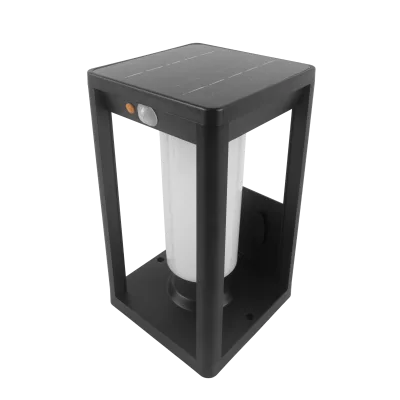
LED Solar Lamp Pool Lights Waterproof Solar Light Garden Decoration Lamp for Yard
$2.00 - $3.00
MOQ: 3000 Pieces

Comprehensive Sourcing Guide
Strategic Sourcing Guide for CE RoHS Solar Garden Lamps
The global demand for sustainable outdoor lighting has elevated the profile of solar-powered garden lamps, particularly those adhering to strict environmental and safety standards. For B2B procurement professionals, sourcing products labeled with "CE" and "RoHS" compliance alongside solar technology requires a disciplined approach to verifying technical specifications, supply chain reliability, and long-term performance. This guide synthesizes available market data to provide a framework for evaluating solar garden lamps, focusing on the intersection of regulatory compliance, material integrity, and operational efficiency. Buyers must navigate a landscape where marketing claims often outpace verified data, necessitating a rigorous verification process grounded in observable product attributes and established industry standards.
Technical Specifications and Component Analysis
Understanding the technical architecture of a solar garden lamp is the first step in ensuring product viability. The core of these systems relies on the conversion of solar energy into electrical power, stored in batteries, and utilized to drive light sources. In the current market, the dominant light source technology is the LED lamp, which offers superior energy efficiency and longevity compared to traditional incandescent or halogen options. Procurement teams should verify that the light source is explicitly rated as an LED, as this directly impacts the lamp's ability to operate within the low-voltage constraints typical of solar systems.
Power consumption is a critical metric for solar efficiency. Data indicates that many compliant units operate with a power rating of 5W or less. This low wattage is essential for maintaining a balance between illumination output and the limited energy harvesting capacity of integrated solar panels. The voltage requirements for these systems typically fall within the 3-6V range, or strictly below 6V, which aligns with the safety standards for low-voltage outdoor applications. The battery technology employed is often Nickel-Metal Hydride (Ni-MH), a choice that balances cost, charge retention, and environmental safety. Buyers must confirm that the specific model under consideration utilizes Ni-MH cells, as this affects the charging cycle and overall lifespan of the unit.
Charging and illumination times are interdependent variables that define the lamp's utility. Field observations suggest that charging times can vary between 4 to 6 hours under optimal sunlight conditions, while illumination durations can extend up to 12 hours on a full charge. These figures are highly dependent on the solar panel's efficiency and the battery's capacity. Furthermore, the physical construction of the lamp plays a significant role in its durability. Materials such as Aluminum Alloy and ABS plastic are commonly cited for the lamp body and shell, offering resistance to corrosion and impact. The finish, often described as painted matte, not only provides aesthetic appeal but also contributes to the protection of the underlying material against UV degradation and weathering.
Compliance and Certification Verification
The inclusion of "CE" and "RoHS" in the product keyword signals a commitment to European Union safety and environmental directives. However, for a procurement professional, the presence of these labels on a product page is merely a starting point for verification rather than a guarantee of compliance. The CE marking indicates that the product meets EU safety, health, and environmental requirements, covering aspects such as electrical safety and electromagnetic compatibility. The RoHS directive restricts the use of specific hazardous materials in electrical and electronic equipment, ensuring that the product does not contain lead, mercury, cadmium, or other restricted substances above permissible thresholds.
When evaluating suppliers, buyers should request specific test reports or certificates of conformity that explicitly reference the CE and RoHS standards. It is important to note that while some product listings may claim these certifications, the actual documentation must be current and issued by accredited bodies. The supply chain data shows that products originating from Mainland China, specifically from regions like Zhejiang Province, often carry these certifications. However, the burden of proof lies with the buyer to ensure that the certification applies to the specific model being ordered, such as the KA-GL-04 or XS-SL002 series, rather than a generic family of products.
Beyond CE and RoHS, other certifications may be relevant depending on the target market. For instance, ISO standards may apply to the manufacturing process, though specific ISO numbers are not universally listed for every unit. Buyers should also be aware of the IP Rating, which indicates the ingress protection level against dust and water. While some listings mention IP ratings in conjunction with the lamp body material, the exact numerical rating (e.g., IP65) must be confirmed to ensure the lamp can withstand outdoor exposure to rain and dust without failure.
Cost Drivers and Pricing Dynamics
The pricing of solar garden lamps is influenced by a complex array of factors, including material costs, manufacturing complexity, and certification expenses. The observed price range in the market spans from $1 to $500 USD, a variance that reflects differences in scale, quality, and feature sets. Lower-priced units often utilize simpler designs with standard ABS plastic shells and basic LED configurations. In contrast, higher-priced models may feature premium materials like aluminum alloy bodies, advanced battery technologies, and sophisticated control systems that offer longer illumination times or smart lighting features.
Minimum Order Quantity (MOQ) is another significant cost driver. The market data indicates an MOQ range from 1 to 3000 units. For small-scale buyers or those testing a new product line, suppliers offering low MOQs are advantageous, allowing for reduced financial risk. However, larger orders typically benefit from economies of scale, resulting in a lower unit cost. Buyers must balance the initial investment against the potential for volume discounts. Additionally, customization options, such as branded packaging or specific color schemes, can impact the final price. The availability of customized color boxes or white boxes suggests that branding is a common requirement for B2B buyers, and the associated setup costs should be factored into the total procurement budget.
Typical Applications and Usage Scenarios
Solar garden lamps are designed for a variety of outdoor applications, with the primary usage being in garden settings. The versatility of these lights allows them to be deployed in residential landscapes, public parks, and commercial properties. The specific design features, such as the "Modern simplism style," cater to contemporary aesthetic preferences, making them suitable for high-end residential developments. The lighting intensity and beam angle are crucial for different applications; for instance, path lighting requires a softer, wider spread, while security lighting may demand a more focused, brighter output.
The dual usage classification of "Street" and "Garden" in some product specifications suggests that certain models are robust enough for public infrastructure. These units often feature larger dimensions, such as a length of 61.5cm to 84cm, and wider head widths of 19cm, indicating a higher luminous output and greater structural stability. The packaging dimensions and weight, such as a single case weighing up to 14.3kg or a gross weight of 17kg for larger units, provide insight into the scale of the product. Buyers should match the product specifications to the intended environment; for example, a lamp designed for a small garden path may not be suitable for a wide street or a large public square.
Supplier Evaluation and Lead Time Management
Selecting a reliable supplier is paramount to the success of any procurement project. The supply chain data indicates that products originate from Mainland China, with specific manufacturing hubs in Zhejiang Province. When evaluating potential suppliers, buyers should prioritize those who can provide transparent information regarding their production capabilities and quality control processes. The ability to offer customization is a strong indicator of a supplier's flexibility and customer service orientation.
Lead times are a critical component of supply chain planning. The market data suggests that sample delivery times can be as short as within 2 days, which is beneficial for rapid prototyping and quality assessment. Bulk order delivery times are typically within 25 days, a timeframe that allows for efficient inventory management. However, buyers must verify these timelines against current market conditions, as raw material shortages or logistical disruptions can impact delivery schedules. A supplier's ability to meet these deadlines consistently is a key performance indicator of their operational maturity.
Quality Control and Long-Term Procurement Considerations
Quality control (QC) is essential to ensure that the solar garden lamps meet the promised specifications and performance standards. Buyers should implement a rigorous QC process that includes pre-production samples, in-line inspections, and pre-shipment inspections. The warranty period, often cited as 2 years for these products, serves as a testament to the manufacturer's confidence in their product quality. However, the warranty terms must be clearly defined, covering specific issues such as battery failure, LED degradation, or structural damage.
Long-term procurement considerations extend beyond the initial purchase. Buyers should assess the availability of spare parts, such as replacement batteries or solar panels, to ensure the longevity of the installed lighting systems. The standardization of product models, such as the CPD001/CPD002/CPD003 series or the GY-WL002, can facilitate easier maintenance and replacement. Additionally, the environmental impact of the product lifecycle, including the recyclability of materials like aluminum and ABS, should be considered, especially for buyers with sustainability goals.
Comparative Analysis of Product Models
To assist in decision-making, the following table compares key attributes of several observed product models based on the provided data. This comparison highlights the diversity in specifications available to buyers.
| Product Model | Material of Shell | Voltage | Power Rating | Illumination Time | Packaging Type | Origin |
|---|---|---|---|---|---|---|
| KA-GL-04 | Aluminum Alloy | 3-6V | ≤5W | 12h | Customized Color Box | Mainland China |
| XS-SL002 | ABS | <6V | N/A | N/A | Color Box | Zhejiang Province |
| XS-SL08 | Aluminum Alloy | N/A | N/A | N/A | Carton Box | China |
| CPD001/02/03 | Aluminum Alloy | <6V | N/A | N/A | Carton Box | China |
| EA-SL5006 | Aluminum | <6V | N/A | N/A | Carton | China |
| GY-WL002 | N/A | N/A | N/A | N/A | N/A | N/A |
This table illustrates that while aluminum alloy is a common material for durability, ABS is also utilized for cost-effective solutions. Voltage consistency across models (mostly under 6V) ensures compatibility with standard low-voltage solar systems. Buyers should use this data as a baseline for further inquiry, verifying specific details such as exact power ratings and illumination times for each model before placing an order.
In conclusion, sourcing CE and RoHS compliant solar garden lamps requires a meticulous approach that balances technical specifications, regulatory compliance, and supply chain logistics. By focusing on verified data and maintaining a high standard of due diligence, procurement professionals can secure high-quality products that meet the demands of modern outdoor lighting applications. The market offers a wide range of options, from compact garden lights to robust street lamps, each with unique attributes that must be carefully evaluated to ensure optimal performance and value.
FAQs
What certifications do these solar garden lamps hold?
These lamps hold CE and RoHS certifications for safety and environmental compliance. The product data explicitly lists these standards for models like KA-GL-04 and XS-SL002, ensuring they meet EU directives for restricted hazardous materials.
How long does it take to charge the battery fully?
Charging typically requires 4 to 6 hours under optimal sunlight conditions. This duration depends on the specific model's solar panel efficiency and battery capacity, with some units supporting up to 12 hours of illumination time on a full charge.
Which materials are used for the lamp body and shell?
Manufacturers commonly use Aluminum Alloy for the body and ABS plastic for the shell. These materials provide durability and corrosion resistance, with some units featuring a painted matte finish to protect against UV degradation and weathering.
Can buyers request customized packaging for these products?
Yes, customization is available for packaging options like color boxes or white boxes. Buyers can specify branded designs, and the standard packing often includes single color boxes or cartons depending on the specific model ordered.
What is the typical lead time for bulk orders?
Bulk order delivery times are generally within 25 days from the order date. Sample delivery is faster, often arriving within 2 days, allowing for quick quality assessment before committing to larger quantities.
How much power do these LED lamps consume?
The power consumption is typically 5 watts or less for these solar units. This low wattage aligns with the 3-6V voltage range, ensuring efficient energy usage and compatibility with the integrated Ni-MH battery systems.
Where are these solar garden lamps manufactured?
Products originate from Mainland China, with specific manufacturing hubs in Zhejiang Province. This location is a key sourcing region for these compliant units, offering access to established supply chains for solar lighting components.