Source CE Silicone Rubber Heater with Nickel Chrome Wire for Industrial, Automotive, and Medical Use
Find and compare 30 CE Silicone Rubber Heater with Nickel Chrome Wire options from verified suppliers. Evaluate specifications such as voltage, temperature range, and customization to select the right heating solution for your application.
Key considerations
Products List


$3.22 - $8.55
MOQ: 5 Pieces


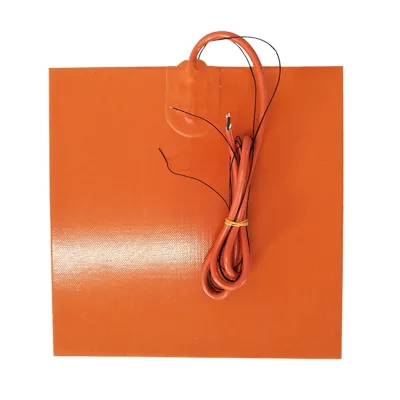
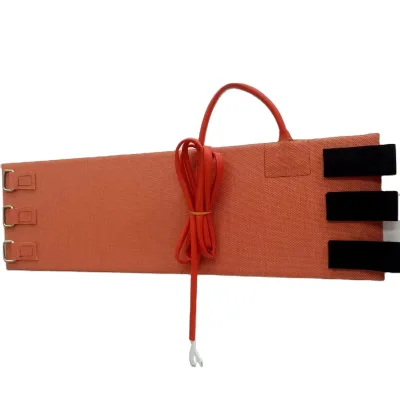
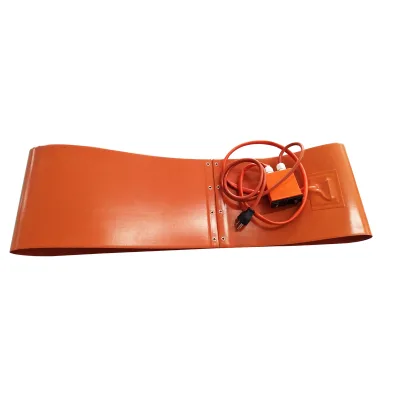


Comprehensive Sourcing Guide
CE Silicone Rubber Heater with Nickel Chrome Wire Sourcing Guide
Sourcing flexible heating elements requires a careful balance of electrical performance, material durability, and regulatory compliance. The specific combination of silicone rubber insulation and nickel-chrome resistance wire offers a robust solution for applications requiring uniform heat distribution and flexibility. Buyers must navigate a market where specifications vary significantly between suppliers, making precise verification of technical parameters essential before committing to volume orders. This guide outlines the critical factors for evaluating these components, ensuring that procurement decisions are grounded in verified data rather than marketing claims.
The following sections provide a structured approach to evaluating suppliers, verifying technical specifications, and managing commercial risks. By focusing on observable listing signals, compliance documentation, and long-term quality checks, procurement teams can mitigate the risks associated with custom heating solutions. The guidance herein is derived from observed market data and trusted industry knowledge, providing a framework for making informed sourcing decisions without relying on unverified supplier assertions.
Product Scope and Observed Listing Signals
The market for silicone rubber heaters presents a wide range of configurations, with observed listings indicating a price range from $0.10 to $200.00 USD. This variance reflects differences in power density, size, and customization levels. Minimum Order Quantities (MOQs) also vary significantly, ranging from single units for prototyping to 5,000 units for mass production. Buyers should recognize that low MOQs often correlate with higher unit costs, while bulk orders may unlock pricing tiers but require stricter adherence to standardized designs. Understanding these commercial signals helps in aligning procurement strategy with project scale.
Observed product attributes highlight the diversity in available configurations. Colors such as orange and red are common, though silicone rubber heaters are typically available in various hues depending on the manufacturer’s standard palette. Shapes range from square plates to custom dimensions, with some listings specifying minimum sizes of 20x20 mm. Power designs often cite ranges like 3-5W per square centimeter, but buyers must verify that this aligns with their specific thermal requirements. The presence of customization options for voltage, dimension, and standard indicates that these heaters are highly adaptable, but it also necessitates rigorous specification validation to ensure compatibility with end-use equipment.
Technical Specifications to Verify
Voltage and power parameters are critical for ensuring the heater integrates correctly with the target system. Observed listings show voltage ranges from 5V to 480V, with some specific configurations offering 12V to 440V. Power deviation is typically cited as ±5%, a tolerance that buyers must account for in their thermal calculations. It is essential to verify the actual power output at the operating voltage, as deviations can impact heating efficiency and safety. Additionally, the wire length is often standardized at 200mm but can be customized, which affects the overall footprint and wiring complexity of the assembly.
Material composition and physical dimensions directly influence the heater’s durability and thermal performance. The resistance wire is frequently described as Nickel 80% wound wire or foil, which provides stable resistance characteristics over a wide temperature range. The silicone rubber insulation typically allows for a working temperature range of -40°C to 250°C, with some listings citing -30°C to 260°C. Thicknesses observed range from 1.5mm to 4mm, with size deviations often limited to 0.5%. Buyers should confirm the insulating resistance, which is typically ≥50mΩ, to ensure adequate electrical safety and prevent leakage currents in sensitive applications.
Compliance and Safety Documentation
Regulatory compliance is a non-negotiable aspect of sourcing heating elements, particularly for use in consumer or industrial equipment. Observed listings frequently mention CE and RoHS certifications, indicating adherence to European safety and environmental standards. However, buyers must verify the validity of these certifications by requesting current test reports from accredited laboratories. The presence of a CE mark alone does not guarantee compliance; it must be supported by a Declaration of Conformity and evidence of testing against relevant harmonized standards. Similarly, RoHS compliance ensures that hazardous substances are limited, which is crucial for environmental regulations and market access.
Beyond basic certifications, buyers should inquire about additional safety standards specific to the application region. For instance, UL or CSA certifications may be required for North American markets, while other regions may have distinct requirements. The structure material is often described as non-metallic, which contributes to electrical isolation but must be evaluated for flammability and thermal stability. Buyers should request material safety data sheets (MSDS) and flammability ratings to ensure the silicone rubber meets the safety requirements of the final product. Verifying these documents early in the sourcing process prevents costly redesigns or compliance failures later in the supply chain.
Cost Drivers and Commercial Terms
Several factors influence the total cost of ownership for silicone rubber heaters, including material costs, manufacturing complexity, and order volume. The use of nickel-chrome wire and high-quality silicone rubber contributes to the base material cost, while custom shapes and sizes add to manufacturing expenses. Observed listings indicate that customization is widely available, but buyers should be aware that custom orders often incur setup fees and higher unit prices. Volume discounts are common, with significant price reductions possible for orders exceeding 1,000 units. Understanding these cost drivers helps in negotiating favorable terms and budgeting accurately.
Commercial terms such as payment methods, lead times, and packaging also impact the procurement process. Observed data shows that products are typically packed in cartons or wooden crates, depending on the order size and shipping requirements. Buyers should clarify packaging specifications to ensure adequate protection during transit, especially for fragile or custom-shaped heaters. Lead times can vary based on customization levels and production capacity, so it is essential to establish clear delivery schedules in the purchase agreement. Additionally, warranty terms, often cited as one year, should be reviewed to understand the supplier’s commitment to product quality and their policy for handling defects or failures.
Supplier Qualification and Quality Control
Evaluating supplier capability is crucial for ensuring consistent quality and reliable delivery. Buyers should assess the supplier’s manufacturing facilities, focusing on their ability to produce custom heaters with precise dimensional tolerances. Observed listings indicate origins in Zhejiang and Jiangsu, China, regions known for their electronics and heating component manufacturing. However, geographic origin alone does not guarantee quality; buyers should request evidence of production capabilities, such as factory audits or third-party inspections. Verifying the supplier’s experience with similar products and their ability to meet specific technical requirements is essential for long-term partnership success.
Quality control processes should be clearly defined and agreed upon before production begins. Buyers should inquire about the supplier’s testing procedures, including electrical safety tests, thermal cycling, and adhesion tests for the silicone rubber. Observed data suggests that power deviation is controlled within ±5%, but buyers should verify how this tolerance is maintained across production batches. Implementing incoming quality control (IQC) checks upon receipt of goods is also recommended to ensure that delivered products meet the agreed specifications. Establishing a clear quality agreement with the supplier, including criteria for acceptance and rejection, helps in managing risks and maintaining product integrity.
Long-Term Procurement Checks
Sustainable procurement requires ongoing monitoring of supplier performance and product reliability. Buyers should establish key performance indicators (KPIs) to track delivery times, defect rates, and responsiveness to issues. Regular reviews of these metrics help in identifying potential problems early and addressing them with the supplier. Additionally, staying informed about changes in regulatory standards and market trends is essential for ensuring that the sourced heaters remain compliant and competitive. Proactive engagement with suppliers can lead to continuous improvement and innovation, benefiting both parties in the long run.
Technical updates and material advancements may also impact the sourcing strategy. Buyers should remain open to discussing potential improvements in heater design, such as enhanced thermal efficiency or extended lifespan. Collaborating with suppliers on product development can lead to customized solutions that better meet specific application needs. Furthermore, maintaining a diversified supplier base can mitigate risks associated with single-source dependencies. By fostering strong relationships with multiple qualified suppliers, buyers can ensure supply chain resilience and flexibility in responding to market changes or unexpected disruptions.
FAQs
What certifications do these heaters have?
These heaters carry CE and RoHS certifications. Some listings also indicate ISO compliance alongside CE and RoHS standards to ensure safety and regulatory adherence for international buyers.
Can the voltage be customized for my needs?
Yes, voltage customization is available for these silicone rubber heaters. The standard range spans from 5V to 480V, allowing flexibility for various industrial applications requiring specific power inputs.
What is the maximum operating temperature?
The maximum operating temperature reaches 260 degrees Celsius. The full working range extends from -30 to 260 degrees Celsius, ensuring reliability in extreme thermal environments for industrial heating tasks.
How is the product packed for shipping?
Products are typically packed in cartons or wooden cases. This packaging method ensures safe transport and protection of the silicone rubber heaters during international logistics and handling processes.
What material is used for the heating element?
The heating element utilizes nickel 80% wound wire or nickel 80% foil. This material is embedded within a silicone rubber structure to provide durable and flexible heating performance.
What is the minimum order quantity?
The minimum order quantity can be as low as 1 piece. This low MOQ allows buyers to test samples or order small batches without committing to large initial inventory volumes.
Are custom dimensions available for these heaters?
Custom dimensions are available to meet specific application requirements. Buyers can request sizes starting from 20 by 20 mm up to larger custom configurations with a size deviation of 0.5 percent.