Source oversized anti-wrinkle cotton shirt for events, travel, and daily wear
Compare 30 listings for the oversized anti-wrinkle cotton shirt to find options with breathable features, custom labels, and various sleeve styles. Buyers can evaluate woven and knitted fabrics with mixed or single color choices for promotional or regular use.
Key considerations
Products List


Mens Uniform Shirt Cotton Durable Anti Wrinkle Breathable with Shoulder Strap OEM
$6.20 - $7.30
MOQ: 200 piece


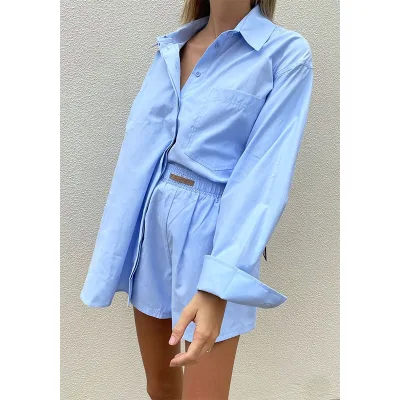
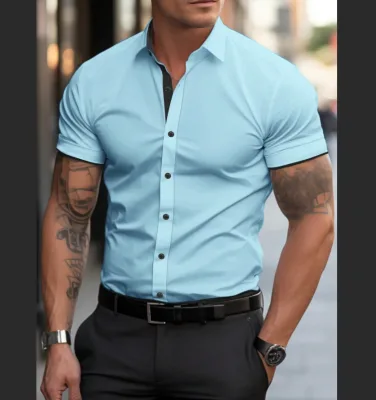


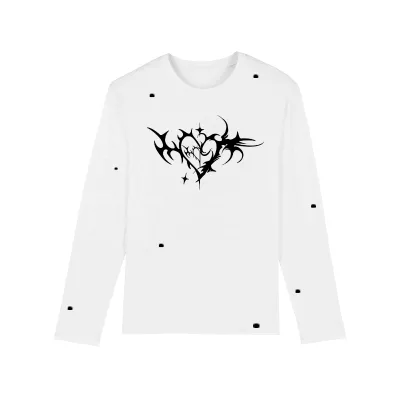
Comprehensive Sourcing Guide
Strategic Sourcing Framework for Oversized Anti-Wrinkle Cotton Shirts
The global B2B market for apparel has seen a distinct shift toward casual, relaxed silhouettes that do not compromise on professional utility. The core keyword "oversized anti-wrinkle cotton shirt" represents a specific intersection of comfort, durability, and ease of maintenance. For procurement professionals, sourcing this category requires a nuanced understanding of how fabric composition, garment construction, and finishing processes interact to deliver the promised performance. While the market offers a wide array of options, the specific attributes of "oversized" fit and "anti-wrinkle" functionality introduce technical variables that must be rigorously evaluated before finalizing supplier contracts. This guide outlines the essential criteria for evaluating potential suppliers, analyzing product specifications, and managing the procurement lifecycle for this specific apparel category.
Technical Specifications and Fabric Composition
The foundation of a high-quality oversized shirt lies in its material composition and the techniques used to construct it. In the context of the available market data, cotton remains the primary material of interest, often blended with synthetic fibers to enhance performance characteristics. A critical observation from current product listings indicates that fabric compositions can vary significantly, with some items utilizing a blend of 70% cotton and 30% polyester. This specific ratio is often engineered to balance the natural breathability and softness of cotton with the structural integrity and wrinkle resistance provided by polyester.
When evaluating the "anti-wrinkle" claim, buyers must look beyond marketing terminology and examine the technical methods employed. The supply data suggests that "Woven" and "Knitted" techniques are both present in the market for similar products. Woven fabrics generally offer a more structured drape suitable for an oversized silhouette, while knitted fabrics provide stretch and comfort. The "Single Jersey" and "Interlock" fabric types listed in the data are common variations of knitted structures that can be treated to reduce wrinkling.
Furthermore, the finishing processes are vital. The presence of "Silkscreen Print," "Flock Printing," and "Ink Printing" in the data highlights that customization is a major driver in this sector. However, the application of these prints can sometimes interfere with the fabric's natural ability to resist wrinkling if the chemical treatments used for printing are not compatible with the anti-wrinkle finish. Buyers should verify that the anti-wrinkle treatment is applied to the base fabric before any printing or embroidery processes are undertaken. The "Fabric Color Fastness" is another critical technical specification; data indicates a standard of "4-5 Grade" for high-quality items, ensuring that the color remains vibrant even after repeated washing, which is essential for promotional or corporate wear.
Compliance, Certification, and Quality Standards
In the B2B sector, compliance is not merely a regulatory hurdle but a marker of supplier reliability. While the provided data does not list specific third-party certifications (such as GOTS or OEKO-TEX), it does reference specific production standards and packing requirements that serve as proxies for quality control. For instance, the standard dimension "35455" and the larger "554936 cm 20kgs" packing standard suggest that suppliers have established protocols for product consistency and logistics efficiency.
Buyers must verify that the supplier adheres to international safety standards regarding chemical usage, particularly in the dyeing and finishing stages. The "Machine Wash Cold, Inside out, Avoid Sun Drying" care instruction found in the data implies a specific sensitivity to heat and agitation, which is often a result of the anti-wrinkle chemical finish. If a supplier cannot provide a care label that aligns with these instructions, it may indicate a lower-quality finish that could degrade quickly.
Additionally, the "Custom Label" and "Customized Wash Label" options highlight the importance of traceability. A compliant supplier should be able to provide detailed labeling that includes fiber content, country of origin, and care instructions in the language of the destination market. The data points to "China" and "Guangzhou China" as primary origins, regions known for a mature textile supply chain. However, buyers should explicitly request documentation regarding the chemical compliance of the anti-wrinkle treatment used, ensuring it meets the regulations of the target export market, such as REACH in Europe or CPSIA in the United States.
Cost Drivers and Pricing Dynamics
Understanding the cost structure of oversized anti-wrinkle cotton shirts is essential for budgeting and negotiation. The observed price range in the market spans from 1 to 40 USD, a wide spectrum that reflects significant variations in quality, customization, and order volume. Several factors drive these costs. First, the fabric composition plays a major role; a 70/30 cotton-polyester blend typically costs more than 100% cotton due to the added processing required for the synthetic fiber and the anti-wrinkle treatment.
Second, the level of customization is a primary cost driver. The data indicates that "Customization" is available, with options for "Private Label," "Custom Label," and "Customized Handtag." Each of these adds a layer of complexity to the production process, requiring setup fees and potentially longer lead times. The "Sample Order: Accept" policy suggests that buyers can mitigate risk by ordering samples before committing to bulk, but the cost of these samples should be factored into the total budget.
Third, the Minimum Order Quantity (MOQ) significantly impacts the unit price. The observed MOQ range is 1 to 2999 units, with a specific listing noting an MOQ of 200 PCS. Suppliers with lower MOQs often charge a premium per unit to cover the fixed costs of setup and machine adjustments. Conversely, larger orders allow for economies of scale, reducing the cost per unit. Buyers must balance the need for inventory flexibility with the desire for lower unit costs. The "Promotional/Advertising" feature suggests that many buyers in this space are purchasing for corporate events or marketing campaigns, where the budget may be tight but the visual impact is paramount.
Typical Applications and Market Segments
The versatility of the oversized anti-wrinkle cotton shirt makes it suitable for a diverse range of applications. The "Promotional/Advertising" attribute in the data strongly indicates that a significant portion of this market is driven by corporate gifting, trade shows, and brand awareness campaigns. In these scenarios, the shirt serves as a mobile billboard, and the anti-wrinkle feature ensures that the garment looks professional even after being packed in a suitcase or stored in a crowded bag.
Beyond promotional use, the "Summer" season designation and "Breathable" feature suggest that these shirts are also targeted at casual wear and warm-weather professional environments. The "Regular Fit" and "Oversized" silhouettes cater to modern fashion trends that prioritize comfort without sacrificing style. The "Mixed Color" and "Single Color" options allow buyers to tailor the product to specific brand guidelines or seasonal trends.
The "Key Word: T Shirt" classification in the data, while seemingly broad, indicates that the market includes a hybrid category of casual and semi-formal wear. This overlap means that buyers must be precise in their specifications to ensure the final product meets the intended use case. For example, a shirt intended for a high-end corporate retreat may require a more structured woven fabric, whereas a promotional item for a tech startup might prioritize a soft, knitted fabric with a relaxed fit.
Supplier Evaluation and Selection Criteria
Selecting the right supplier is the most critical step in the procurement process. The data reveals that suppliers vary in their capabilities, from those offering "in-Stock Items" to those specializing in "Customizable" models. A robust supplier evaluation framework should include the following criteria:
| Evaluation Criteria | Key Questions to Ask | Relevance to Oversized Anti-Wrinkle Shirts |
|---|---|---|
| Production Capacity | Can you handle the required volume within the lead time? | Ensures timely delivery for seasonal or event-based orders. |
| Quality Control | What is your process for checking color fastness and fabric integrity? | Critical for maintaining the "4-5 Grade" standard and anti-wrinkle performance. |
| Customization Capability | Do you offer private labeling and custom packaging? | Essential for branding and meeting specific corporate requirements. |
| Origin and Logistics | Where is the factory located, and what are the shipping terms? | Affects lead time, shipping costs, and potential tariffs. |
| Sample Policy | Can you provide pre-production samples for approval? | Allows verification of fit, feel, and finish before bulk production. |
Buyers should prioritize suppliers who demonstrate transparency in their production process. The mention of specific packing standards like "One Piece/Set Per OPP" or "Cardboard Box" and "Carton" indicates that the supplier has established logistics protocols. However, buyers must verify if these packing methods are suitable for the specific destination to prevent damage during transit.
Quality Control and Long-Term Procurement Considerations
Maintaining quality over the long term requires a proactive approach to quality control. The "Chain Stitch" and "Cover Stitch" methods listed in the data are standard sewing techniques, but the consistency of these stitches can vary between batches. Buyers should implement a rigorous inspection protocol that includes checking the "Gross Weight Per Unit Product" (noted as 0.350kg in some listings) to ensure consistency in fabric weight and density.
Long-term procurement also involves managing the relationship with the supplier to ensure continuous improvement. The "Customizable" nature of the product means that specifications may evolve over time. Buyers should establish clear communication channels to discuss potential changes in fabric blends, fit, or finishing treatments. The "Sample Order: Accept" feature is a valuable tool for this; it allows for iterative testing and refinement of the product before scaling up production.
Finally, buyers must consider the environmental impact of their procurement choices. The "Machine Wash Cold" instruction suggests a focus on energy efficiency during the product's lifecycle. However, the use of synthetic blends and chemical finishes for anti-wrinkle properties raises questions about sustainability. Buyers should inquire about the supplier's environmental policies and whether they offer eco-friendly alternatives, such as organic cotton or water-based printing inks, to align with corporate sustainability goals.
In conclusion, sourcing oversized anti-wrinkle cotton shirts requires a balanced approach that considers technical specifications, compliance, cost, and supplier reliability. By adhering to the criteria outlined in this guide, buyers can navigate the complexities of the market and secure high-quality products that meet their specific business needs. The key is to remain vigilant in verifying claims and to build partnerships with suppliers who share a commitment to quality and transparency.
FAQs
What fabric blends are available for oversized anti-wrinkle cotton shirts?
Available blends include 70% cotton and 30% polyester to balance breathability with wrinkle resistance. Single jersey and interlock knitted fabrics are also offered alongside woven options for different fits.
Can I request custom labels and packaging for my order?
Yes, customization is available with options for private labels, customized wash labels, and handtags. Packaging can be selected as one piece per OPP bag, cardboard box, or standard carton depending on needs.
What is the minimum order quantity for these shirts?
The minimum order quantity ranges from 1 to 2999 units, with specific listings requiring 200 pieces. Lower MOQs may incur higher per-unit costs compared to larger bulk orders.
How do I verify the quality and color fastness of the fabric?
High-quality items typically meet a fabric color fastness standard of 4-5 grade. Buyers should request samples to verify stitching methods like chain stitch or cover stitch before placing bulk orders.
Where are these shirts manufactured and what is the origin?
Products originate from China, with specific manufacturing hubs located in Guangzhou. This region supports a mature textile supply chain capable of handling both in-stock and customizable production runs.
What printing crafts are used for promotional advertising shirts?
Common printing crafts include silkscreen print, flock printing, and ink printing. These methods allow for detailed customization while maintaining the breathable and promotional features required for corporate events.
Are samples available for approval before bulk production?
Sample orders are accepted to allow buyers to verify fit, material, and finish before committing to bulk. This process helps ensure the final product meets specific size and customization requirements.