Source Chemical Physics Laboratory Lab Bench for School, Company, Research Institute
Find 30 options for Chemical Physics Laboratory Lab Bench designed for schools, companies, and research institutes. Compare models like PW-2018-GMW and MY-LAB-05 with phenolic resin or ceramic countertops and steel structures; compare the available evidence and request quotations based on your requirements.
Updated
Key considerations
Products List


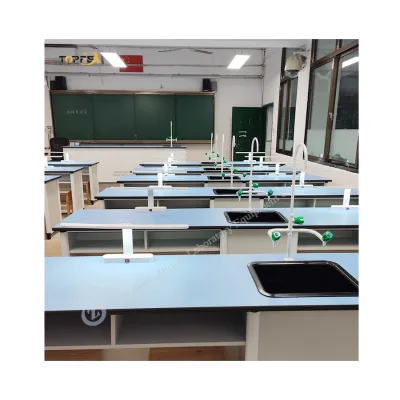
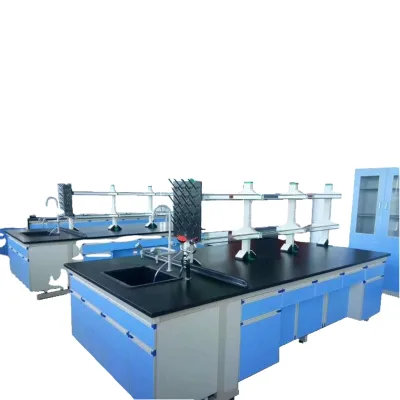
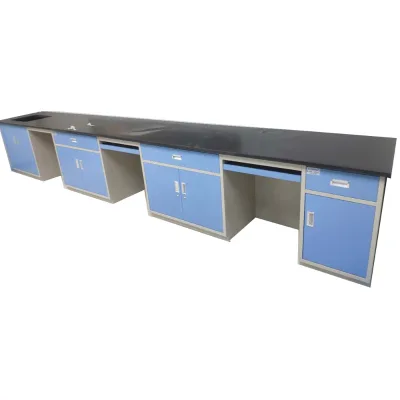
physical chemistry science research lab table
$81.9733 - $184.4388
MOQ: 2 sets
Guangdong Zhijian Experimental Equipment Technology Co., Ltd.



Comprehensive Sourcing Guide
Chemical Physics Laboratory Lab Bench Sourcing Guide
Procuring chemical physics laboratory lab benches requires a strategic approach that balances durability, chemical resistance, and ergonomic design. Buyers must prioritize furniture that supports rigorous academic and industrial research environments while ensuring long-term structural integrity. The selection process involves evaluating material compositions, surface treatments, and modular configurations that align with specific experimental workflows. This guide provides evidence-based insights to help procurement teams navigate the complexities of sourcing high-quality laboratory furniture from global suppliers.
Product Scope and Observed Listing Signals
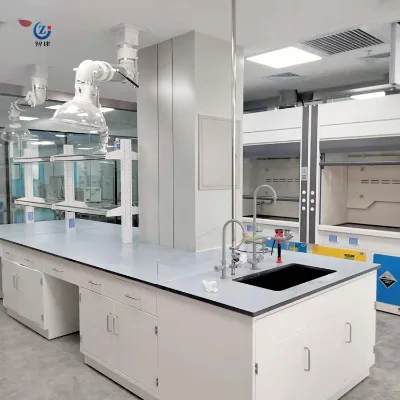
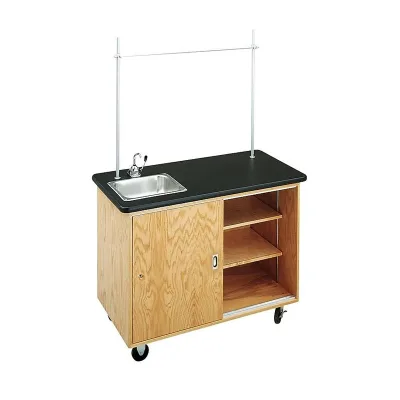
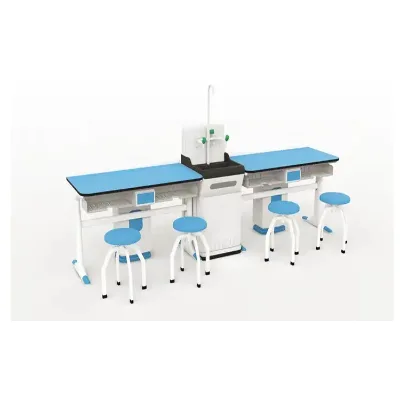
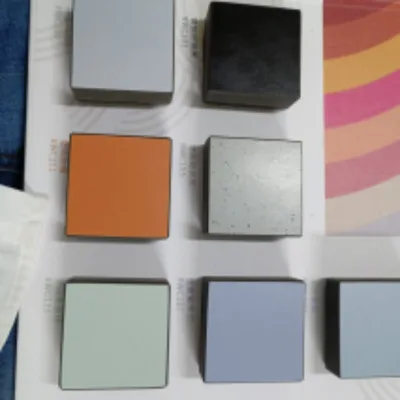
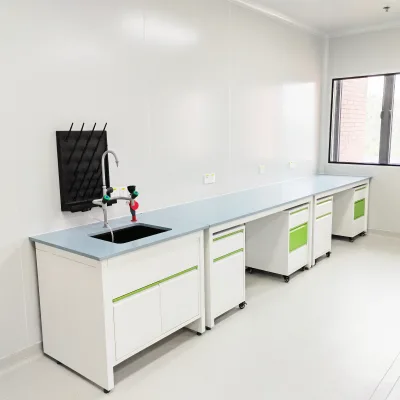
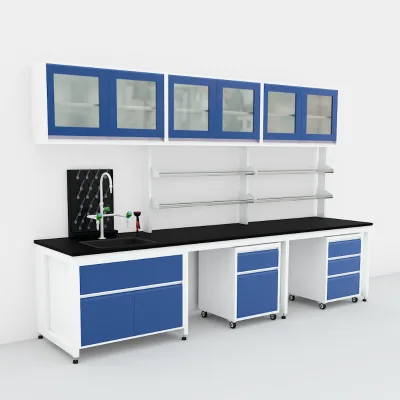
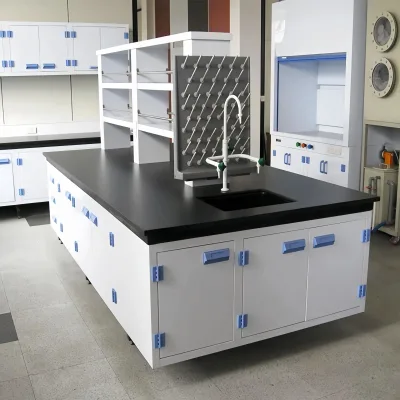
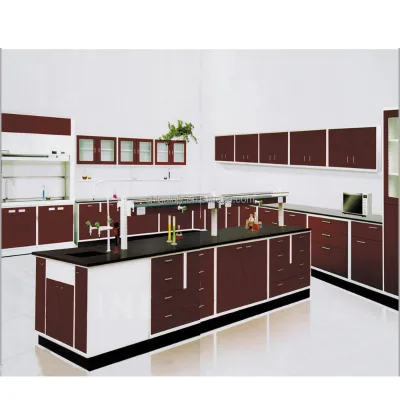
The current market offers a diverse range of laboratory furniture, including mobile lab tables and fixed workbenches designed for schools, companies, and research institutes. Observed listings indicate that products are often customized to meet specific spatial and functional requirements, with brands like ZHIJIAN and GuangdongZhiJIan providing options in various colors such as blue, brown, and silver. These units typically feature modern design styles and are marketed for general use in commercial furniture settings, including hospitals, offices, and workshops.
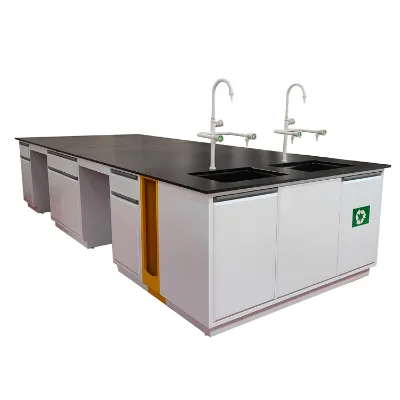
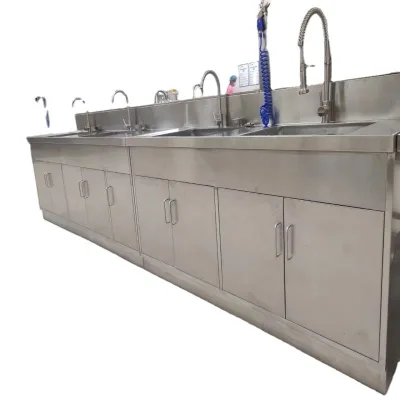
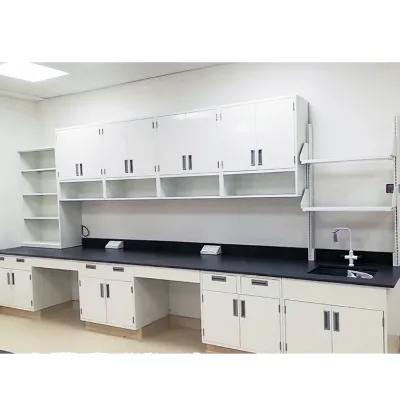
Suppliers frequently highlight customization availability, allowing buyers to tailor dimensions and features to their unique needs. The observed product models, such as PW-2018-GMW and MY-LAB-05, suggest a variety of structural options, including all-steel independent cabinet structures and floor-mounted frames. Buyers should note that some listings describe products as used, while others offer new items with specific packing methods like bubble film, hard cotton, and wooden packages to ensure safe transit.
Technical Specifications to Verify
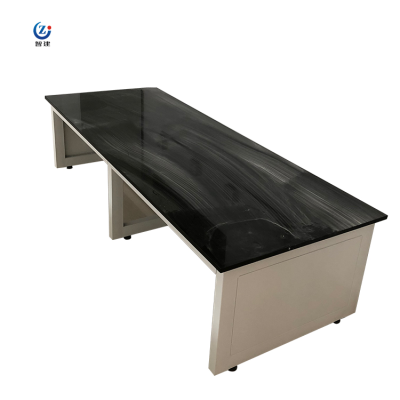
When evaluating technical specifications, buyers should verify the countertop material, which is commonly available in phenolic resin, epoxy resin, ceramic, granite, or marble. These materials offer varying levels of chemical resistance and durability, making them suitable for different laboratory applications. The platform structure is often described as an all-steel independent cabinet, providing robust support for heavy equipment and ensuring stability during complex experiments. Additionally, the student table material may include aluminum, contributing to lightweight yet sturdy construction.
Dimensional accuracy is critical for seamless integration into existing laboratory layouts. Standard sizes observed include L1500/750850 mm and H1700W1500D750mm, with customization options available for length. Buyers should also check the stool and teacher chair sizes, such as 315455-510mm and 500500*800mm respectively, to ensure ergonomic compatibility. The single package size, often around 300X75X85 cm, impacts shipping costs and handling logistics, so verifying these details is essential for accurate budgeting and planning.
Compliance and Safety Documentation
Safety and compliance are paramount in laboratory furniture procurement, as these items must withstand harsh chemical environments and frequent use. Buyers should request documentation that confirms the materials meet relevant safety standards for fire resistance, toxicity, and structural integrity. Although specific certification names are not provided in the observed data, suppliers should be able to demonstrate that their products adhere to international or regional laboratory safety regulations. This ensures that the furniture does not pose health risks to researchers and students.
Additionally, buyers must verify that the furniture design minimizes hazards such as sharp edges or unstable structures. The use of materials like phenolic resin and epoxy resin is often associated with high chemical resistance, reducing the risk of surface degradation and contamination. It is advisable to ask suppliers for test results or material safety data sheets (MSDS) that detail the chemical compatibility of the countertops and frames. This documentation helps in assessing the long-term safety and maintenance requirements of the laboratory furniture.
Cost Drivers and Commercial Terms
Several factors influence the cost of chemical physics laboratory lab benches, including material quality, customization level, and order volume. The observed price range spans from $49 to $3800, reflecting the diversity in product types and specifications. Minimum order quantities (MOQ) vary from 1 to 200 sets, allowing flexibility for both small-scale and large-scale procurement projects. Buyers should consider the total cost of ownership, including shipping, installation, and maintenance, rather than focusing solely on the initial purchase price.
Commercial terms such as delivery time and payment conditions also play a significant role in procurement decisions. Suppliers typically offer delivery within 15 workdays after receiving the deposit, with some listing lead times of 20-30 days. The supply ability is noted as 100 sets per week, indicating the capacity to handle bulk orders. Buyers should negotiate clear terms regarding warranties, return policies, and after-sales support to mitigate risks associated with international shipping and potential product defects.
Supplier Qualification and Quality Control
Evaluating supplier qualification is crucial to ensure the reliability and consistency of laboratory furniture. Buyers should verify the supplier’s manufacturing capabilities, quality control processes, and track record in the industry. The observed products originate from Guangdong, China, a region known for its manufacturing expertise. Suppliers should provide evidence of their production capacity, such as the stated supply ability of 100 sets per week, and demonstrate their ability to maintain consistent quality across large orders.
Quality control measures should include rigorous testing of materials and assembly processes to ensure durability and safety. Buyers should request samples or visit the factory if possible to inspect the build quality firsthand. Additionally, suppliers should have a clear process for addressing defects and providing replacements. Establishing a strong relationship with a qualified supplier can lead to better pricing, improved service, and more reliable delivery schedules, ultimately enhancing the overall procurement experience.
Long-Term Procurement Checks
Long-term procurement success depends on regular monitoring of supplier performance and product durability. Buyers should establish key performance indicators (KPIs) to track delivery times, product quality, and customer service responsiveness. Regular audits and feedback loops can help identify areas for improvement and ensure that suppliers continue to meet evolving laboratory needs. Maintaining open communication with suppliers facilitates timely resolution of issues and fosters a collaborative partnership.
Furthermore, buyers should periodically review the technological advancements in laboratory furniture to ensure that their procurement strategies remain relevant. As research methodologies evolve, the demand for specialized features such as enhanced chemical resistance or modular designs may increase. Staying informed about industry trends and supplier innovations allows buyers to make proactive decisions that support the long-term efficiency and safety of their laboratory operations. This proactive approach ensures that the laboratory furniture continues to meet the highest standards of performance and reliability.
FAQs
What customization options are available for the lab bench?
Customization is available for the Chemical Physics Laboratory Lab Bench, allowing buyers to tailor dimensions and features to specific needs. The platform size can be adjusted, with the length being customizable while width and height remain standard. This flexibility ensures the furniture fits various school, company, or research institute layouts effectively.
What materials are used for the lab bench countertop?
The Chemical Physics Laboratory Lab Bench countertop is constructed from durable materials including phenolic resin, epoxy resin, ceramic, granite, or marble. These options provide resistance to chemicals and heat, making them suitable for rigorous physics and chemistry applications. Buyers can select the specific material that best matches their laboratory safety and usage requirements.
What is the delivery time for the lab furniture?
Delivery time for the Chemical Physics Laboratory Lab Bench is typically within 15 workdays after receiving the deposit. Some listings indicate a broader range of 20-30 days depending on order specifics. This lead time allows for efficient planning for schools and research institutes needing to set up new laboratory spaces quickly and reliably.
Can the lab bench be used in school environments?
Yes, the Chemical Physics Laboratory Lab Bench is explicitly designed for use in schools, companies, and research institutes. Its modern design and robust all-steel independent cabinet structure support heavy academic workloads. The furniture is suitable for various educational settings, providing stable workstations for students and teachers in physics and chemistry labs.
What is the minimum order quantity for the lab bench?
The minimum order quantity for the Chemical Physics Laboratory Lab Bench is 1 set. This low MOQ allows small schools or individual research groups to purchase single units without needing bulk commitments. It provides flexibility for institutions looking to upgrade specific lab areas or replace damaged furniture with minimal initial investment.
How is the lab bench packaged for shipping?
The Chemical Physics Laboratory Lab Bench is packaged using bubble film, hard cotton, and wooden packaging to ensure safe transit. Some items may use carton packaging depending on the specific model. This robust packing method protects the furniture from damage during international shipping from China, ensuring it arrives in perfect condition for installation.