Source Modern ABS Beauty Equipment Trolley for Salon, Clinic, and Hospital
Source a Modern ABS Beauty Equipment Trolley from 30 verified listings. Compare options featuring ABS or wood construction, adjustable layers, and universal wheels for salon, clinic, and hospital use; compare the available evidence and request quotations based on your requirements.
Updated
Key considerations
Products List
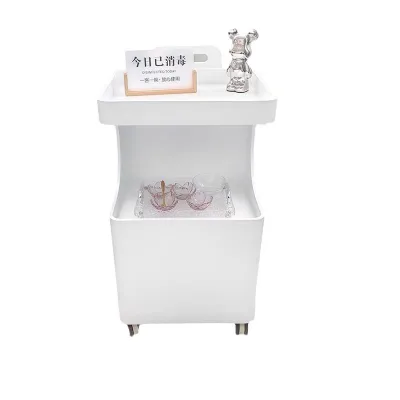
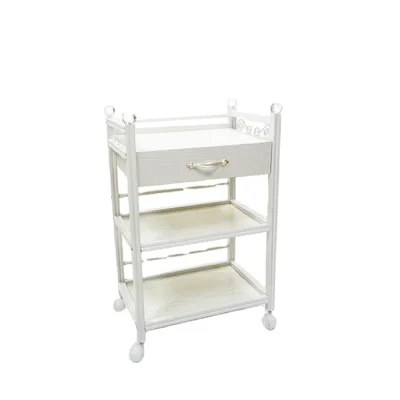


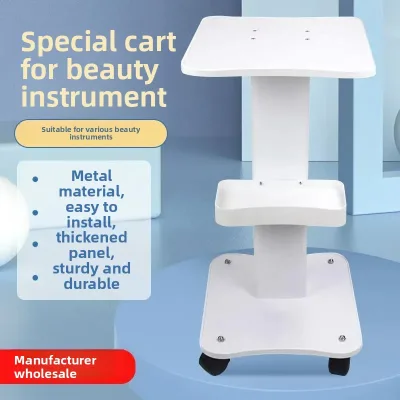
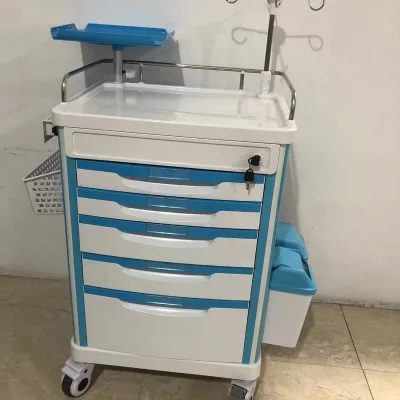
Medical Products 2 Shelves Instrument Trolley for Beauty Salon & Hospital
$32.00 - $35.00
MOQ: 50 Pieces


Hot Sale Modern 4 Wheels Rolling Beauty Salon Trolley for Beauty Machine
$40.00 - $55.00
MOQ: 1 Pieces


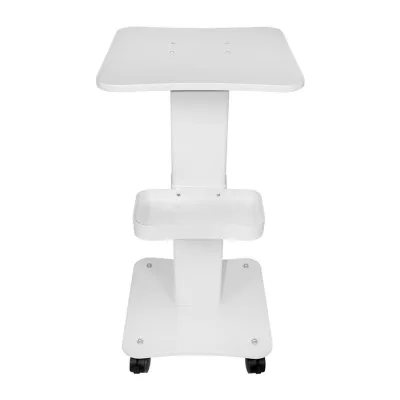


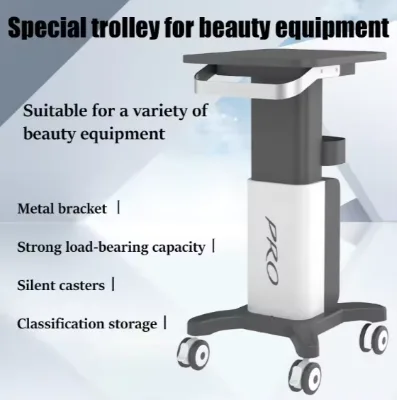
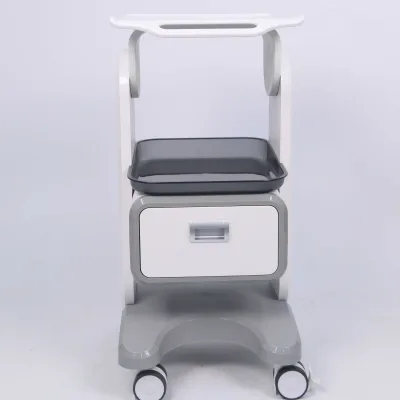
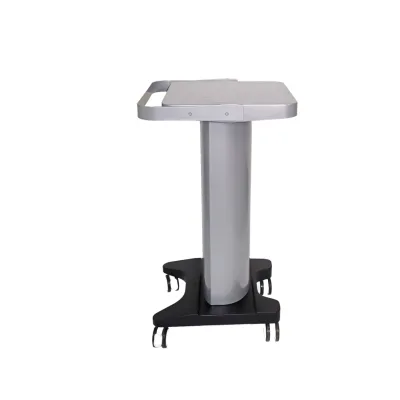

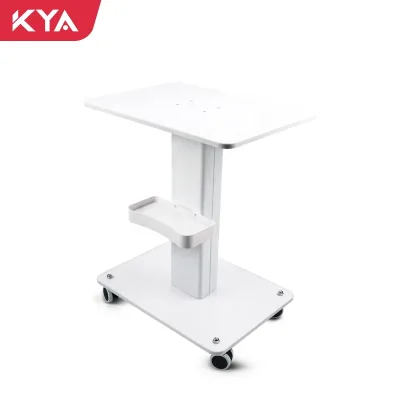
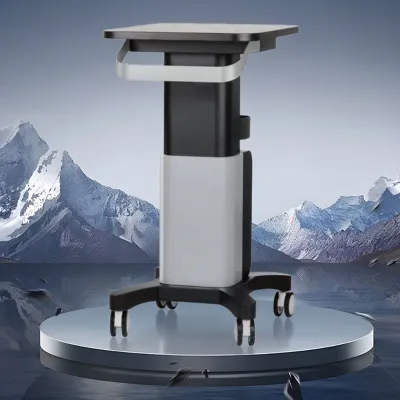
Hot Selling Multifunction Trolley Cart Modern Beauty Modern Beauty Salon Trolley
$12.80 - $18.50
MOQ: 10 Pieces




Comprehensive Sourcing Guide
Modern ABS Beauty Equipment Trolley Sourcing Guide
Procuring a Modern ABS Beauty Equipment Trolley requires a disciplined approach to verifying material integrity and functional design. Buyers must prioritize units constructed from high-grade ABS plastic, which offers superior durability and resistance to common salon chemicals compared to standard alternatives. The observed market data indicates a strong presence of products originating from Hebei, China, where manufacturers leverage established supply chains for plastic molding and metal frame assembly. This regional concentration often correlates with competitive pricing structures, yet it necessitates rigorous quality checks to ensure the ABS material meets specific impact and thermal resistance standards required for heavy-duty commercial use.
The visual and functional attributes of these trolleys vary significantly across listings, demanding careful selection based on specific operational needs. Key observed features include adjustable configurations, swivel casters for mobility, and multi-layer storage solutions tailored for holding beauty devices and supplies. Some models are explicitly designed for salon environments, while others target clinic or hospital settings, influencing the required load-bearing capacity and hygiene protocols. Buyers should evaluate the "modern" design aesthetic against practical requirements, ensuring that the sleek appearance does not compromise the structural stability needed for transporting sensitive electronic equipment during daily operations.
Product Scope and Observed Listing Signals
The current market landscape for modern ABS beauty trolleys reveals a diverse range of product specifications tailored to different commercial sectors. Listings frequently highlight applications in living rooms, salons, clinics, and hospitals, indicating a versatile design philosophy that bridges aesthetic appeal with professional utility. The observed product names, such as "Beauty Trolley" and "Salon Trolley," suggest a focus on specialized storage for tools and devices rather than general-purpose furniture. Buyers should note that while the core keyword emphasizes ABS material, some listings also mention wood components, requiring careful scrutiny to confirm the primary construction material aligns with hygiene and durability expectations for beauty equipment storage.
Observed listing signals also point to significant variability in customization options and minimum order quantities (MOQ). While some suppliers offer an MOQ of just one unit, catering to small businesses or individual practitioners, others require bulk purchases of fifty pieces or more, targeting larger distributors or chain establishments. The presence of features like "removable" layers and "easy cleaning" surfaces suggests a design focus on maintenance and adaptability. Additionally, the availability of online support as an after-sales service indicates that buyers should consider the long-term relationship with the supplier, as technical assistance may be crucial for troubleshooting assembly or usage issues in a professional setting.
Technical Specifications to Verify
Verifying technical specifications is critical to ensuring the trolley meets the physical demands of a beauty or medical environment. Buyers must confirm the exact dimensions of the unit, as observed data includes specific measurements like 539366950mm and single package sizes of 79X21X39 cm. These dimensions directly impact storage capacity and maneuverability in tight spaces such as treatment rooms or back offices. The number of layers, typically ranging from two to three, determines the organization efficiency for various tools. It is essential to verify the load-bearing capacity of each shelf, especially if the trolley will hold heavy devices like laser machines or steamers, to prevent structural failure or tipping during use.
The mobility system of the trolley is another vital technical aspect that requires close examination. Most observed models feature universal wheels or swivel casters, which facilitate easy movement across different floor types. Buyers should inquire about the wheel material and locking mechanisms to ensure stability when the trolley is stationary during treatments. Additionally, the power supply mode for any integrated features, such as lighting or charging ports, should be clarified, with plug-in options being a common standard. The condition of the product, typically listed as new, should be accompanied by details on the assembly process, as some units may require on-site construction that could affect the final structural integrity and alignment of the ABS components.
Compliance and Safety Documentation
Compliance and safety documentation form the backbone of a responsible procurement strategy for commercial beauty equipment. Buyers must request relevant certifications to ensure the product meets international safety and quality standards. The observed data mentions CE certification, which is a critical indicator for products sold in European markets and often signifies adherence to strict health, safety, and environmental protection standards. However, buyers should verify the validity and scope of this certification, ensuring it covers the specific model and material composition of the trolley. This verification process helps mitigate risks associated with non-compliant products, which could lead to legal liabilities or operational disruptions in regulated environments like hospitals or licensed salons.
Warranty and after-sales support are equally important components of the safety and compliance framework. While some listings indicate warranty periods of one year, others state that warranty information is unavailable, creating a significant risk for the buyer. It is imperative to clarify the terms of coverage, including what constitutes valid claims and the process for obtaining replacements or repairs. The provision of online support is a positive signal, but buyers should assess the responsiveness and technical expertise of the support team. Clear documentation on maintenance procedures and troubleshooting guides can also enhance the longevity and safe operation of the ABS trolley, ensuring it remains a reliable asset in the beauty or medical facility.
Cost Drivers and Commercial Terms
Understanding the cost drivers behind modern ABS beauty trolleys allows buyers to negotiate more effectively and budget accurately. The price range observed in the market, spanning from $10 to $133.21 USD, reflects significant variations in material quality, design complexity, and brand positioning. Higher-priced units likely incorporate premium ABS formulations, enhanced mobility systems, and additional features like specialized compartments or integrated lighting. Conversely, lower-cost options may use thinner materials or simpler designs, which could compromise durability. Buyers should analyze the cost per unit in relation to the observed MOQ, as bulk purchases often yield substantial discounts, making it crucial to align order quantities with actual storage needs and cash flow capabilities.
Commercial terms, including payment methods, shipping costs, and lead times, also play a pivotal role in the total cost of ownership. While specific lead times are not detailed in the observed data, buyers should proactively inquire about production and delivery schedules to avoid operational delays. The packaging method, noted as carton packing in some listings, impacts shipping efficiency and product protection during transit. Buyers should verify if the packaging includes adequate cushioning to prevent damage to the ABS surfaces and metal frames. Additionally, understanding the return policy and dispute resolution mechanisms is essential, as it provides a safety net in case the delivered product does not meet the agreed-upon specifications or arrives in compromised condition.
Supplier Qualification and Quality Control
Supplier qualification is a decisive factor in securing a reliable supply of modern ABS beauty equipment trolleys. Buyers should conduct thorough due diligence on potential suppliers, verifying their business licenses, manufacturing capabilities, and export history. The observed data indicates that many suppliers are located in Hebei, China, a region known for its manufacturing prowess. However, buyers must distinguish between trading companies and actual manufacturers, as the latter often provide better control over quality and pricing. Requesting factory audits or third-party inspection reports can provide valuable insights into the supplier’s production processes and quality management systems, ensuring they adhere to consistent standards.
Quality control measures should be integrated into the procurement process to minimize the risk of receiving defective products. Buyers should establish clear acceptance criteria based on the observed specifications, such as material thickness, wheel functionality, and surface finish. Implementing pre-shipment inspections is a recommended practice to verify that the goods meet these criteria before they leave the factory. Additionally, buyers should request samples for initial evaluation, allowing them to assess the build quality and design practicality firsthand. Establishing a strong communication channel with the supplier for ongoing feedback and issue resolution is also crucial, fostering a collaborative relationship that supports continuous improvement and long-term reliability.
Long-Term Procurement Checks
Long-term procurement checks ensure that the initial investment in modern ABS beauty trolleys yields sustained value and operational efficiency. Buyers should monitor the performance of the trolleys in real-world settings, tracking metrics such as durability, ease of cleaning, and customer satisfaction. Regular maintenance schedules should be established to inspect wheels, shelves, and structural joints for wear and tear. Proactive maintenance can extend the lifespan of the ABS components and prevent costly replacements. Additionally, staying informed about industry trends and new product innovations can help buyers make informed decisions about future upgrades or expansions of their equipment inventory.
Building a resilient supply chain is another key aspect of long-term procurement success. Buyers should diversify their supplier base to mitigate risks associated with single-source dependencies. Maintaining relationships with multiple qualified suppliers can provide flexibility in sourcing and negotiating power. Regularly reviewing supplier performance against established KPIs, such as on-time delivery and product quality, helps identify potential issues early. Furthermore, engaging in continuous market research allows buyers to stay ahead of competitors by adopting the latest design and functional improvements in beauty equipment trolleys. This strategic approach ensures that the procurement function remains agile and responsive to changing business needs.
FAQs
What materials are used for modern ABS beauty equipment trolleys?
These trolleys are primarily constructed from durable ABS plastic and wood. The ABS material provides corrosion resistance and ease of cleaning, while wooden components add structural stability. This combination ensures the unit remains lightweight yet robust for frequent movement in salon or clinic environments without compromising on aesthetic appeal or functional integrity.
Can the Modern ABS Beauty Equipment Trolley be customized?
Yes, customization is available for these units. Buyers can request specific modifications to suit their operational needs. While some models are non-customized standard items, others allow for tailored adjustments. This flexibility ensures that the trolley can be adapted to various commercial furniture requirements, including specific layer configurations or color preferences for professional settings.
What is the typical MOQ for ordering these trolleys?
The minimum order quantity varies by supplier, ranging from 1 to 50 pieces. Some vendors offer an MOQ of just one unit for single-item purchases, while others require a bulk order of 50 pieces. This range allows both small clinics and large commercial facilities to procure the necessary equipment according to their specific inventory and budget constraints.
Which certifications do these beauty trolleys typically hold?
Many of these trolleys carry CE certification, indicating compliance with European health, safety, and environmental protection standards. This certification is crucial for commercial furniture used in professional settings. Buyers should verify specific documentation with suppliers to ensure the product meets local regulatory requirements for use in hospitals, clinics, or salons within their respective regions.
How many layers do these salon trolleys usually have?
These trolleys typically feature either two or three layers for storage. The multi-layer design maximizes utility by providing ample space for organizing beauty tools, products, and equipment. This configuration supports efficient workflow in living room, clinic, or hospital settings, allowing practitioners to keep essential items accessible while maintaining a clean and organized professional environment during service delivery.
What warranty is provided for these modern beauty trolleys?
Warranty terms vary, with some suppliers offering a one-year warranty on their products. However, other listings indicate that warranty information is unavailable. Buyers should confirm the specific after-sales service provisions, such as online support, directly with the manufacturer. Understanding the warranty duration and support scope is essential for long-term commercial furniture investment and operational reliability.