Source Restaurant Dining Chairs for Hotels, Homes, and Banquets
Source Restaurant Dining Chairs from 30 verified listings. Compare options featuring metal frames, fabric or synthetic leather upholstery, and modern designs. Ideal for hotels, dining rooms, and banquet halls, these durable chairs offer portable and waterproof solutions for various commercial and residential settings.
Updated
Key considerations
Products List
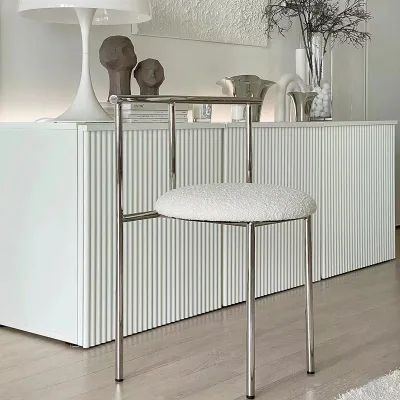


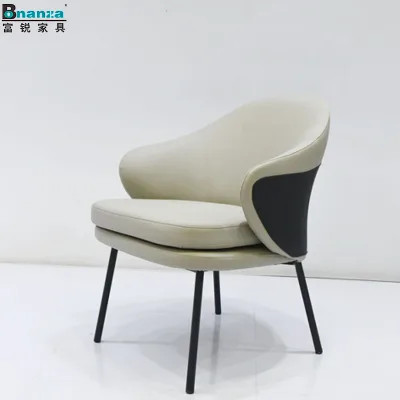

Restaurant Furniture Dining Chair Modern Furniture Dining Furniture Metal Chair
$20.00 - $35.00
MOQ: 100 Pieces


Furniture Modern Restaurant Chair Table Chair Dining Chair Home Dining Chair
$23.00 - $25.50
MOQ: 100 Pieces

Hot Sale Modern Hotel Furniture Dining Room Dining Chair for Restaurant
$30.00 - $35.00
MOQ: 30 Pieces

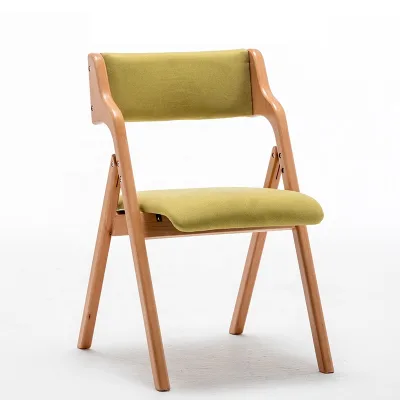
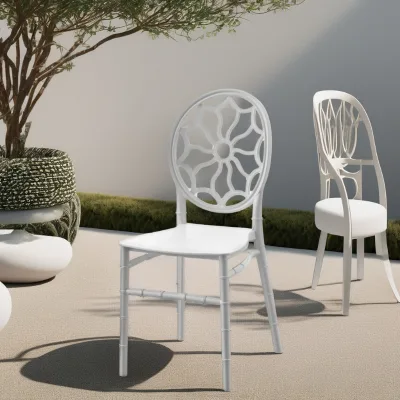
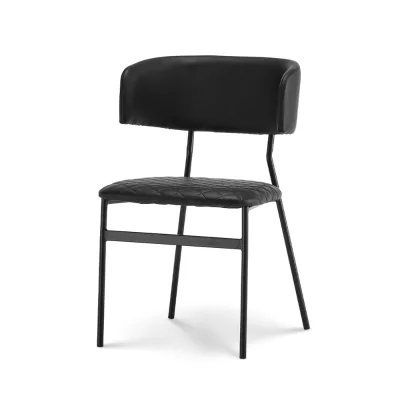
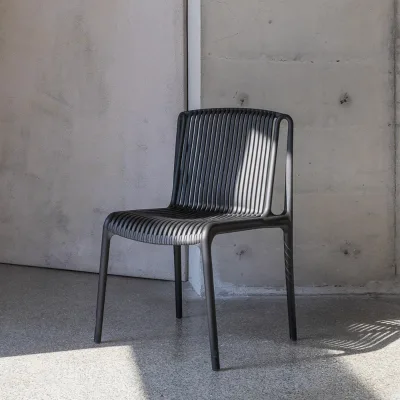
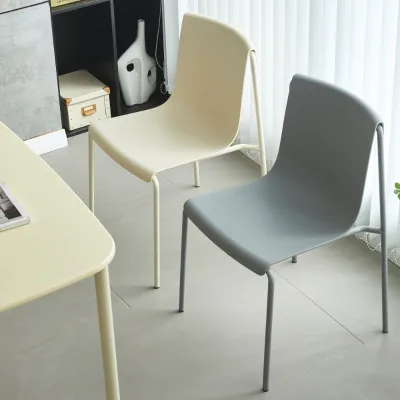
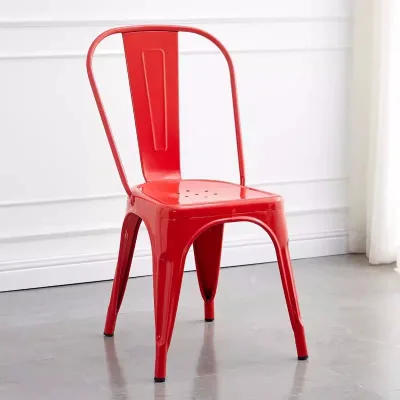
Fashion Dining Chairs High Quality Restaurant Chairs Home Leisure Chairs
$11.2155 - $13.2561
MOQ: 10 Minimum


Elegant Restaurant Dining Chairs Perfect for Outdoor and Indoor Settings
$68.00 - $120.00
MOQ: 10 Meters
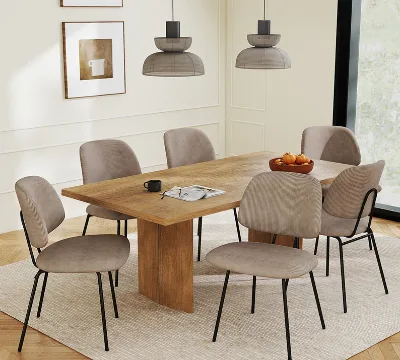


Hot Sale Cheap and Sturdy Dining Chair for Restaurant Hotel Coffee Shops
$10.00 - $15.00
MOQ: 100 Pieces

Comprehensive Sourcing Guide
Restaurant Dining Chairs Sourcing Guide
Sourcing Restaurant Dining Chairs requires a strategic balance between aesthetic appeal, structural durability, and commercial viability. Buyers must navigate a diverse market where materials range from metal frames with fabric upholstery to synthetic leather options, each offering distinct maintenance profiles. The observed product landscape indicates a strong presence of modern, fixed-frame designs originating primarily from manufacturing hubs in China, such as Chongqing and Guangdong. These regions provide access to specialized furniture production ecosystems that cater to both high-volume hospitality projects and boutique dining establishments. Understanding the specific material composition and finish is critical, as these factors directly influence the chair’s lifespan and suitability for high-traffic environments.
Procurement decisions should be guided by clear operational requirements, including seating capacity, storage needs, and cleaning protocols. The market offers both customized and non-customized options, allowing buyers to tailor specifications to their brand identity or stick to proven, standard designs. Key attributes such as armrest presence, back height, and seat shape significantly impact guest comfort and space utilization. For instance, banquet-style chairs without armrests may facilitate easier stacking and space efficiency, while leisure chairs with armrests offer enhanced comfort for longer dining experiences. Evaluating these functional differences against the specific service model of the restaurant is essential for making informed purchasing decisions that align with long-term business goals.
Product Scope and Observed Listing Signals
The current market for Restaurant Dining Chairs features a wide array of styles, predominantly centered around modern and European design aesthetics. Listings frequently highlight durable, portable, and waterproof characteristics, suggesting a focus on practicality for busy hospitality environments. Common applications extend beyond standard dining rooms to include hotels, bars, study areas, and bedrooms, indicating the versatility of these furniture pieces. The observed product range includes specific models like P250707-72 and S19FB-P, which showcase variations in size, such as 76X56X47cm, and structural configurations. Buyers should note that while many items are marketed for dining use, some are classified as leisure chairs, requiring careful verification of intended use cases to ensure suitability for restaurant settings.
Material composition is a primary differentiator among listed products, with metal frames being a prevalent choice due to their strength and longevity. Upholstery options vary significantly, including fabric and synthetic leather, each presenting unique maintenance and aesthetic considerations. The presence of high-density sponge foam in some models suggests a focus on guest comfort, while others may prioritize lightweight portability. Color options range from standard white to brown and various tube frame colors, allowing for customization to match interior decor. Additionally, the availability of both folded and unfolded states, though less common for rigid dining chairs, highlights the importance of verifying storage and transportation requirements, especially for venues with limited space or frequent event reconfigurations.
Technical Specifications to Verify
When evaluating technical specifications, buyers must prioritize frame integrity and material thickness to ensure long-term durability. Metal frames are often specified with thicknesses of 1.2mm or 2.0mm, with finishes including glossy oil painting or powder coating to resist corrosion and wear. These details are critical for maintaining structural stability under repeated use and varying loads. The rotary mechanism is typically fixed, indicating that swivel functionality is not a standard feature for most dining chairs in this category. Buyers should verify the exact dimensions and weight capacity of each model, as variations in size can impact seating comfort and spatial planning within the restaurant layout.
Upholstery and cushioning specifications also require close attention, particularly regarding washability and material composition. Some chairs are labeled as non-washable, which may pose challenges for maintenance in high-spill environments, while others may offer removable covers. The use of synthetic leather or fabric affects both the visual appeal and the ease of cleaning. Additionally, the presence or absence of armrests and storage features influences the chair’s functionality and footprint. Buyers should confirm whether the chairs are sold as single items or in bulk packs, such as 4PCS/CTN or 2PCS/Bag, to accurately calculate logistics costs and storage requirements. Verifying these technical details ensures that the selected chairs meet both aesthetic and operational standards.
Compliance and Safety Documentation
Compliance and safety documentation are essential for ensuring that Restaurant Dining Chairs meet regulatory standards and industry best practices. Buyers should request certification documents, such as ISO standards, to verify that manufacturers adhere to quality management systems. While specific test results for flammability or structural integrity may not be explicitly listed, it is crucial to inquire about compliance with local safety regulations, particularly regarding fire resistance and load-bearing capacity. Ensuring that materials used in upholstery and frames are free from harmful substances is also important for guest health and environmental sustainability.
Documentation should also cover the manufacturing origin and supply chain transparency. Products originating from China, particularly from regions like Chongqing and Guangdong, may have varying levels of quality control. Buyers should verify that suppliers provide clear information about the production process, including metal finishing techniques and foam density specifications. This transparency helps in assessing the reliability and consistency of the product. Additionally, understanding the customization options available, such as color and size variations, allows buyers to tailor products to specific compliance needs, such as matching fire safety ratings or aesthetic guidelines required by local authorities or insurance providers.
Cost Drivers and Commercial Terms
Cost drivers for Restaurant Dining Chairs include material selection, manufacturing complexity, and order volume. Metal frames with powder coating or glossy finishes may incur higher production costs compared to simpler designs, while high-density foam upholstery adds to the overall price. The observed price range of 6.99 to 129 USD reflects significant variation based on these factors. Buyers should consider the total cost of ownership, including maintenance and replacement costs, rather than focusing solely on the initial purchase price. Customization options, such as specific colors or sizes, may also impact pricing, so it is important to clarify these details during the quoting process.
Commercial terms, including minimum order quantities (MOQ) and packaging, play a significant role in procurement planning. MOQs can range from 1 to 200 units, with some suppliers requiring higher volumes for certain models. Packaging configurations, such as 4PCS/CTN or 2PCS/Bag, affect shipping efficiency and storage requirements. Buyers should negotiate favorable terms based on their order volume and delivery schedule. Additionally, understanding the lead times and shipping methods is crucial for aligning procurement with opening dates or renovation schedules. Clear communication regarding payment terms and warranty policies can also help mitigate financial risks and ensure a smooth transaction process.
Supplier Qualification and Quality Control
Supplier qualification is a critical step in ensuring the reliability and consistency of Restaurant Dining Chairs. Buyers should assess suppliers based on their production capacity, quality control processes, and track record in the hospitality industry. Verifying the supplier’s location, such as Chongqing or Guangdong, can provide insights into their expertise and supply chain efficiency. It is also important to check for any relevant certifications or audits that demonstrate adherence to international quality standards. Engaging with suppliers who have a proven history of delivering durable and aesthetically pleasing furniture can reduce the risk of defects and delays.
Quality control measures should be implemented throughout the procurement process, from initial sampling to final delivery. Buyers should request product samples to evaluate material quality, finish, and comfort before placing large orders. Establishing clear quality benchmarks and inspection criteria can help identify potential issues early in the production cycle. Regular communication with suppliers regarding production progress and any changes in specifications is essential for maintaining quality standards. Additionally, considering third-party inspection services for large orders can provide an objective assessment of product quality and compliance with agreed-upon specifications, ensuring that the final products meet the buyer’s expectations.
Long-Term Procurement Checks
Long-term procurement checks involve monitoring supplier performance and product durability over time. Buyers should establish a system for tracking feedback from staff and guests regarding the comfort and maintenance of the chairs. Regular inspections for wear and tear, such as frame corrosion or upholstery damage, can help identify issues that require supplier intervention. Maintaining open lines of communication with suppliers for warranty claims or replacement parts is crucial for minimizing downtime and ensuring consistent service quality. Building a long-term relationship with reliable suppliers can also facilitate better pricing and priority support during peak demand periods.
Additionally, buyers should stay informed about industry trends and new product innovations that may enhance their dining experience. Periodically reviewing the product catalog for updated designs or improved materials can help keep the restaurant’s furniture modern and appealing. Evaluating the sustainability practices of suppliers, such as the use of eco-friendly materials or ethical manufacturing processes, can also align with corporate social responsibility goals. By continuously assessing and adapting procurement strategies, buyers can ensure that their Restaurant Dining Chairs remain a valuable asset that supports both operational efficiency and guest satisfaction in the long run.
FAQs
What materials are used for Restaurant Dining Chairs?
The chairs are constructed using metal frames and fabric or synthetic leather upholstery. The metal frame features a glossy oil painting or powder-coated finish for durability. High-density sponge foam is used for seating comfort. These materials ensure the furniture is sturdy and suitable for high-traffic dining environments while maintaining a modern aesthetic.
Can I customize the color of the dining chairs?
Yes, customization is available for these dining chairs. The tube frame color can be selected from many available options to match your interior design. The upholstery color is also customizable, with white and brown being common choices. This flexibility allows buyers to tailor the furniture to specific hotel or restaurant themes effectively.
What is the minimum order quantity for these chairs?
The minimum order quantity is 200 pieces for this specific model. Buyers should note that MOQs can vary between 1 and 200 depending on the supplier and product variant. It is advisable to confirm the exact MOQ with the manufacturer before placing an order to ensure it aligns with your procurement volume requirements.
Are these chairs suitable for hotel and banquet use?
Yes, these chairs are suitable for hotels, banquets, and dining rooms. They are designed as banquet chairs with a medium back and fixed rotary feature. The durable metal frame and waterproof properties make them ideal for commercial settings. Their modern appearance and sturdy construction support frequent use in professional hospitality environments.
What are the dimensions of the standard dining chair?
The standard size is 76x56x47cm. The chair features a square shape with a metal frame thickness of 1.2mm or 2.0mm. These dimensions provide a compact yet comfortable seating option for dining areas. The unfolded design ensures stability, making it a practical choice for restaurants and hotels requiring space-efficient furniture solutions.