Source China Mainland PPGI Steel for Roofing, Appliances, and Construction
Compare 30 listings for China Mainland PPGI Steel coils, featuring ASTM and JIS standards with thicknesses from 0.115mm to 3.0mm. Options include G250-G550 grades, Z121-Z180 coatings, and custom corrugated shapes for roofing, appliances, and construction applications; compare the available evidence and request quotations based on your requirements.
Updated
Key considerations
Products List


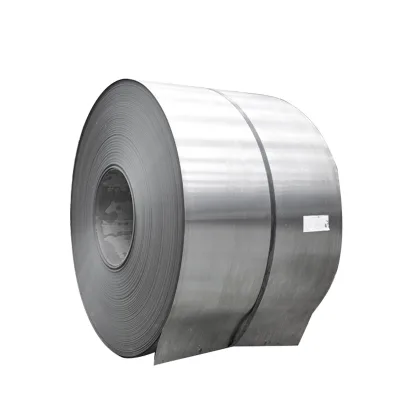
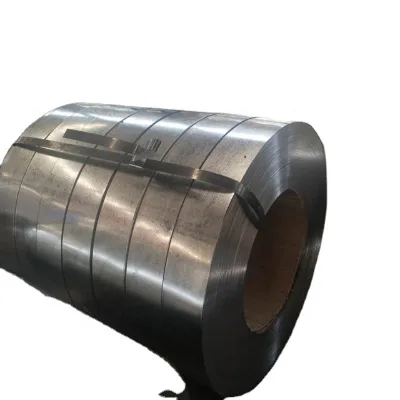
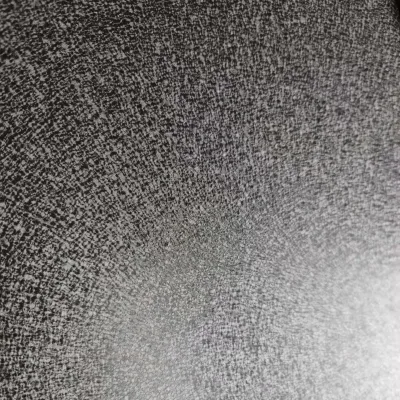
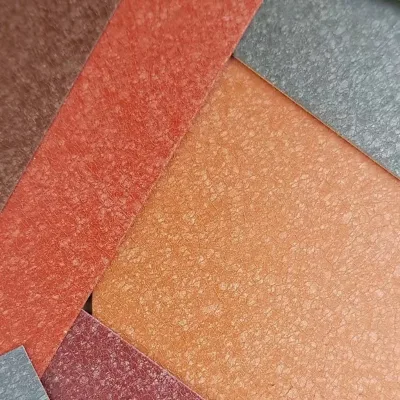
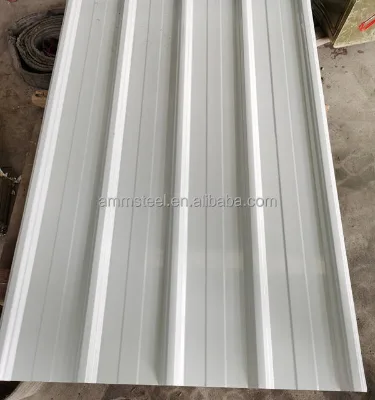
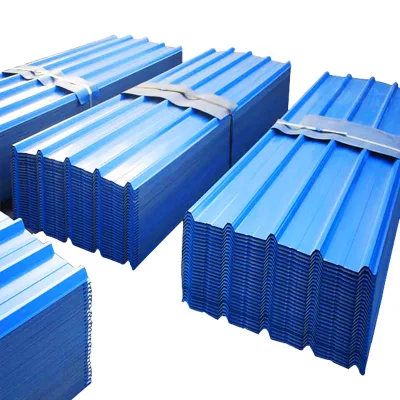
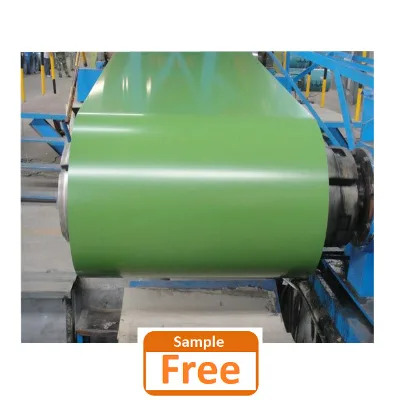
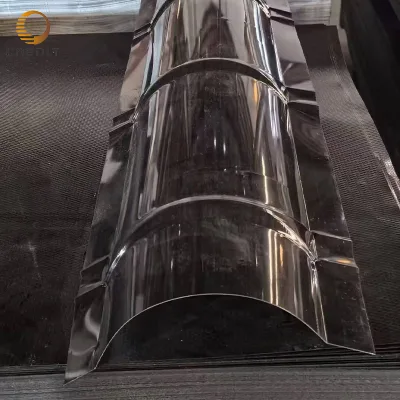
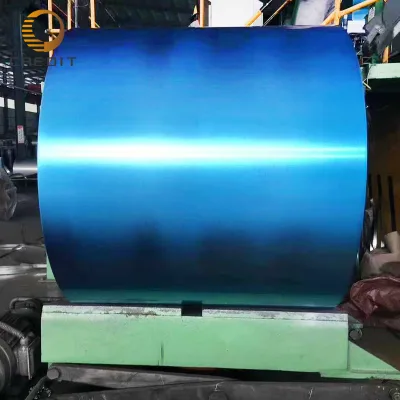
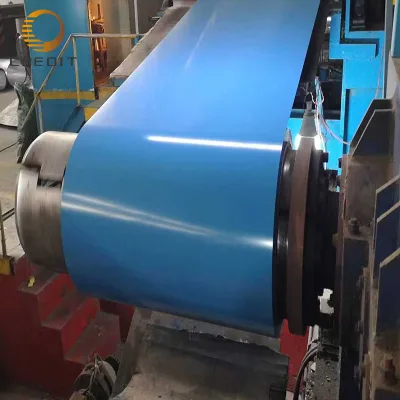
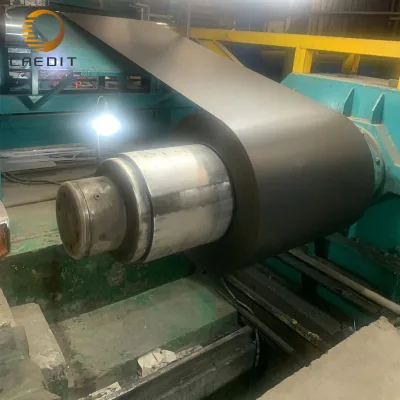
Good Price Color Coated Steel in Coil Galvanized Iron Gi Galvanized PPGI
$530.00 - $560.00
MOQ: 25 tons





Comprehensive Sourcing Guide
China Mainland PPGI Steel Sourcing Guide
Procuring prepainted galvanized iron (PPGI) steel from China Mainland requires a disciplined approach to verifying material integrity and supply chain reliability. Buyers must navigate a market characterized by diverse grade offerings and varying coating specifications to ensure the final product meets structural and aesthetic requirements. The following guide outlines critical verification steps for sourcing these materials effectively.
Product Scope and Observed Listing Signals
Market listings for China Mainland PPGI Steel frequently highlight customization options, including specific corrugated roof sheet coil shapes and tailored RAL color selections. Suppliers often indicate that stock availability is maintained for standard items, with delivery times ranging from within seven days to fifteen to twenty-one days depending on order volume and production scheduling. This variability necessitates clear communication regarding lead times to align with project timelines.
Observed product attributes reveal a wide range of technical parameters, such as coil IDs of 508mm or 610mm and weights between three to eight tons. Materials are often described as cold-rolled steel coils with hardness levels varying from mid-hard to full-hard, serving as substrates for metal coating applications. Buyers should treat these listed attributes as observations of specific supplier capabilities rather than universal standards for all available inventory.
Technical Specifications to Verify
Thickness is a primary technical variable, with observed ranges spanning from 0.115mm to 3.0mm, though some specific listings note narrower bands like 0.21-0.50mm or 0.12-0.2mm. Widths typically fall between 700mm and 900mm, while paint thickness on the front side is commonly specified between 12 and 30 micrometers. Verifying these dimensional tolerances is essential to ensure compatibility with downstream manufacturing processes and final product performance.
Coating specifications are critical for durability, with zinc coatings ranging from Z121 to Z180 and various steel grades such as G250, G350, G550, and DX51D available. Buyers must confirm whether the material is oiled or non-oiled and check for surface treatments like zero spangle finishes. Understanding the chemical composition, including carbon, silicon, manganese, phosphorus, and sulfur content, helps assess the steel’s formability and corrosion resistance for specific end-use applications.
Compliance and Safety Documentation
Certification verification is a mandatory step in the procurement process, with ISO9001 and CE marks frequently cited in supplier profiles. Additional standards such as JIS and ASTM are referenced, indicating adherence to international quality and material testing protocols. Buyers should request valid certificates directly from the supplier and validate their authenticity through the issuing bodies to ensure regulatory compliance in the destination market.
Quality assurance processes often include third-party testing of products before shipment, ensuring that material properties meet agreed-upon specifications. Documentation should cover chemical composition analysis and mechanical property tests, providing evidence that the steel meets the required grade standards. Maintaining a complete paper trail of these certifications and test results is vital for risk mitigation and resolving any potential disputes regarding material quality.
Cost Drivers and Commercial Terms
Pricing for PPGI steel is influenced by raw material costs, coating thickness, and order volume, with observed price ranges between 460 and 1200 USD per unit. Minimum order quantities (MOQ) vary significantly, ranging from one to twenty-five tons, which impacts the total cost per ton for smaller orders. Buyers should negotiate pricing based on clear volume tiers and confirm whether costs include packaging, loading, and international freight charges.
Commercial terms also encompass packing standards and loading methods, typically involving bulk vessels or containers with single package sizes around 200x100x50 cm. Delivery times are a key commercial factor, with some suppliers offering rapid turnaround within seven days while others require fifteen to twenty-one days. Clarifying these terms upfront prevents unexpected delays and ensures that the total landed cost aligns with the project budget.
Supplier Qualification and Quality Control
Supplier qualification involves verifying the entity’s status as a manufacturer or mill, which often correlates with better control over production quality and pricing. Buyers should assess the supplier’s capability to provide customization services, including welding and cutting, which add value to the raw steel coils. Establishing a direct relationship with the manufacturing source can enhance communication and reduce the risk of misinterpretation regarding technical specifications.
Quality control measures should include on-site inspections or third-party audits to verify production processes and final product integrity. Suppliers may offer skin pass treatments and specific packaging solutions to protect the material during transit. Implementing a robust quality control plan that includes pre-shipment inspections ensures that the received goods match the ordered specifications and reduces the likelihood of defects in the final product.
Long-Term Procurement Checks
Long-term procurement success depends on establishing consistent quality benchmarks and maintaining open lines of communication with suppliers. Regularly reviewing supplier performance metrics, such as delivery punctuality and defect rates, helps identify potential issues early. Building a diversified supplier base can mitigate risks associated with single-source dependencies and ensure continuity of supply during market fluctuations.
Continuous monitoring of market trends and technological advancements in PPGI steel production allows buyers to stay competitive and informed. Engaging with suppliers for feedback on material performance in real-world applications can drive improvements in product quality and service. By fostering collaborative relationships and prioritizing transparency, buyers can secure reliable access to high-quality China Mainland PPGI Steel for their ongoing procurement needs.
FAQs
What are the available thickness ranges for China Mainland PPGI Steel coils?
The available thickness ranges from 0.115mm to 3.0mm for general coils, while corrugated roof sheet coils typically range from 0.21mm to 0.50mm. These dimensions allow for versatile applications in construction and manufacturing, ensuring suitability for various structural and decorative needs across different project scales.
Which certifications are commonly provided for China Mainland PPGI Steel products?
Common certifications include ISO9001, CE, Pvoc, and JIS standards. These documents verify that the manufacturing processes and final products meet international quality and safety benchmarks, providing buyers with confidence in the material's reliability and compliance for export and domestic industrial applications.
Can China Mainland PPGI Steel be customized for specific project requirements?
Yes, customization is available for shape, color, and processing services like welding and cutting. Buyers can specify RAL colors and custom corrugated roof sheet coil shapes, allowing the material to be tailored precisely to architectural designs or specific industrial coating requirements without compromising structural integrity.
What is the typical delivery time for orders of China Mainland PPGI Steel?
Delivery times are generally within 7 days for stock items, while standard orders may take 15-21 days. This rapid turnaround is supported by mill stock availability and efficient logistics, ensuring that construction projects and manufacturing lines receive necessary materials promptly to maintain operational continuity.
What are the standard packaging and loading methods for these steel coils?
Products use standard packing with single package sizes around 200x100x50 cm and gross weights of 1.0 kg per unit. Loading is typically done by bulk vessel or container, ensuring secure transport and protection against damage during transit from Shanghai, China, to global destinations.
Which steel grades are available for China Mainland PPGI Steel coils?
Available grades include G250, G350, G550, Dx51d, Dx52D, Dx53D, Q195, Q235, and DC01-06. These diverse material options cater to different strength and corrosion resistance needs, allowing buyers to select the optimal grade for specific structural applications or coating substrates.