Source Class I Immunoassay Reagent for Lab, IVD, and Health
Find 28 class i immunoassay reagent options from China. Compare specifications for IGG, IGA, IGM, and GGT models. These biochemical reagents support laboratory diagnostics, health centers, and clinical detection with CE/ISO13485 certified systems; compare the available evidence and request quotations based on your requirements.
Key considerations
Products List


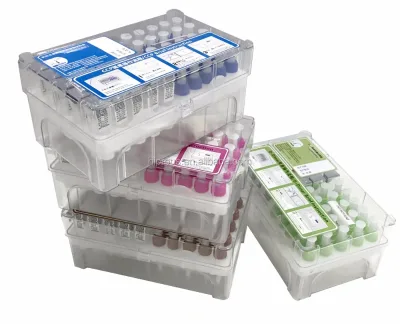
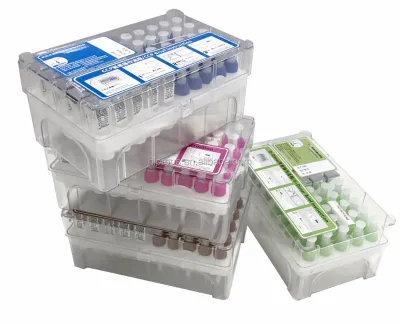
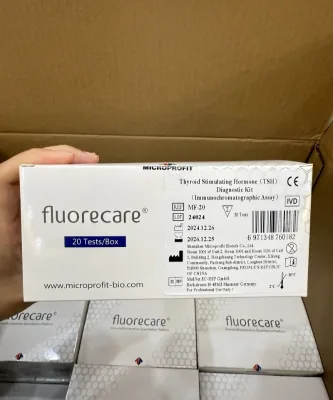


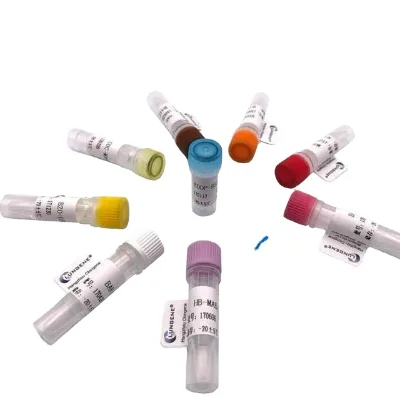

Comprehensive Sourcing Guide
Class I Immunoassay Reagent Sourcing Guide
Procuring Class I immunoassay reagents requires a clear understanding of their classification as low-risk medical materials designed for general laboratory and clinical use. Buyers must distinguish these items from higher-risk diagnostic tools, noting that observed listings often include products labeled as biochemical reagents or medical materials with specific volume constraints like 18ml or 6ml. The primary function of these reagents often centers on making instruments clean or supporting basic immune status assessments, rather than complex, high-stakes clinical diagnostics.
Sourcing strategies should focus on verifying the specific application context, as these reagents are frequently marketed for laboratory reagents, analytical reagents, and general health center usage. Buyers should expect to encounter products with standard customization options and a wide range of volumes, from small 10ml units to larger 400ml containers. It is critical to confirm that the product model, such as CTNI or IGG, aligns with the intended laboratory workflow before initiating any purchase order.
Product Scope and Observed Listing Signals
The market for these reagents displays a significant variance in pricing and minimum order quantities, with observed ranges spanning from $1 to over $22,000 and MOQs from single units up to 1,000. This disparity often reflects differences in packaging, such as carton boxes versus single items, and the specific model number associated with the product, whether it is a standard biochemical reagent or a specialized immunoglobulin. Buyers must carefully analyze the listing details to ensure the volume and concentration match their specific testing requirements.
Observations indicate that product names vary widely, including terms like Diagnostic Reagents, Immunoglobulin G, and Immunoglobulin A, which suggests a broad scope of potential uses in scientific research and health applications. The physical attributes, such as transparent color and specific gross weights, serve as key identifiers for verifying the authenticity of the shipment. Procurement teams should prioritize listings that explicitly state the product origin, typically China, and confirm the instrument classification to avoid purchasing incompatible equipment.
Technical Specifications to Verify
Technical verification begins with confirming the instrument classification, as some products are designated as Class I while others may be Class II, impacting their regulatory status and intended use environment. Buyers must scrutinize the model numbers, such as A1 or Fluorecare reagents, to ensure compatibility with existing laboratory instrumentation. The power source requirements, often listed as 100-240V AC, are also critical for facilities with varying electrical standards to prevent equipment failure during operation.
Volume and packaging specifications are equally vital, with observed listings offering diverse options like 50ml/10ml or 400ml/100ml configurations. The single package size, often around 42x35x23 cm, and the gross weight of approximately 24 kg must be accounted for in logistics planning and storage capacity. Additionally, the language of the documentation, typically English, and the availability of online technical support are essential factors for maintaining operational continuity in international procurement scenarios.
Compliance and Safety Documentation
Compliance verification is paramount, with many suppliers providing certificates such as CE and ISO13485 to demonstrate adherence to international medical device standards. Buyers should request these specific documents to confirm that the reagents meet the necessary safety and quality benchmarks for use in hospitals, clinics, and home settings. The presence of these certifications often correlates with the product's ability to be used in early detection and blood analysis applications without compromising patient safety.
Safety documentation must also address the functional claims of the reagents, such as their role in detecting body health or performing clinical semen detection. While some listings mention functions like making instruments clean for environmental protection, the primary safety focus remains on the reagent's purity and its suitability for human medical testing. Procurement teams should ensure that all safety data sheets and usage instructions are provided in the correct language to facilitate proper handling and storage within the laboratory.
Cost Drivers and Commercial Terms
Cost structures for Class I immunoassay reagents are heavily influenced by the volume of the order, the specific model number, and the complexity of the packaging. The wide price range observed in the market suggests that bulk purchasing or specific customization requests can significantly alter the final unit cost. Buyers should negotiate based on the total volume required, considering that some listings offer single-item selling units while others may require larger minimum order quantities.
Commercial terms also include warranty periods, with 12 months being a common standard for these products, and after-sale services like online technical support. These factors contribute to the total cost of ownership and should be weighed against the initial purchase price. Additionally, the place of origin, typically Hebei, China, may impact shipping costs and lead times, requiring buyers to factor in logistics expenses when calculating the overall budget for their procurement project.
Supplier Qualification and Quality Control
Supplier qualification involves verifying the brand name, such as Hipro, and ensuring that the manufacturer has a proven track record in producing biochemical reagents and medical materials. Buyers should assess the supplier's ability to provide consistent product quality, as indicated by the standardization of their production processes and the availability of customization options. The presence of a dedicated warranty and technical support system is a strong indicator of a supplier's commitment to long-term customer satisfaction.
Quality control measures must be rigorously applied to ensure that the reagents meet the specified standards, such as the 18ml/6ml or 50ml/10ml volume requirements. Buyers should request batch-specific test results or quality assurance reports to confirm that the product properties, including color and clarity, match the advertised specifications. Establishing a clear communication channel for reporting any discrepancies is essential for maintaining the integrity of the supply chain and ensuring that all delivered goods are fit for their intended laboratory or clinical use.
Long-Term Procurement Checks
Long-term procurement strategies should include regular audits of supplier performance and product consistency to ensure ongoing compliance with safety and quality standards. Buyers must monitor changes in product specifications, such as updates to the model number or changes in the instrument classification, to prevent disruptions in their laboratory workflows. Establishing a relationship with a reliable supplier who offers consistent after-sale support is crucial for managing the lifecycle of these reagents.
Continuous evaluation of the market for new products, such as those with updated models like IGA or IGM, allows buyers to stay ahead of technological advancements in immunoassay technology. Regularly reviewing the cost drivers and commercial terms ensures that the procurement strategy remains competitive and aligned with the organization's budgetary constraints. By maintaining a proactive approach to supplier management and quality assurance, organizations can secure a stable supply of high-quality Class I immunoassay reagents for their ongoing medical and research needs.
FAQs
What is the instrument classification for these immunoassay reagents?
The instrument classification is Class I for specific reagent models such as GGT. Other diagnostic reagents in the product line are classified as Class II. This distinction helps laboratories determine the appropriate regulatory compliance and usage protocols for their specific testing needs and equipment setups.
Can these reagents be customized for specific laboratory requirements?
Yes, customization is available for these biochemical reagents. Buyers can request specific modifications to meet unique laboratory protocols. This flexibility ensures that the reagents align with particular testing standards or volume requirements, such as the 18ml, 6ml, 50ml, or 400ml options provided in the standard packaging.
What certifications do the immunoassay system products hold?
The products hold CE and ISO13485 certifications. These credentials verify that the manufacturing processes and quality management systems meet international standards for medical devices and in vitro diagnostics. This ensures reliability and safety for clinical detection, blood analysis, and early detection applications in health centers and hospitals.
What is the warranty period for the immunoassay equipment?
The warranty period is 12 months for the immunoassay system. This coverage provides assurance for the hardware components used in the testing process. Buyers also receive online technical support to assist with any operational issues, ensuring minimal downtime for laboratory workflows and consistent performance in medical testing environments.
Where are these diagnostic reagents manufactured and shipped from?
These diagnostic reagents are manufactured in China, specifically originating from Hebei. The products are packed in carton boxes and shipped from this location. This origin information helps buyers assess logistics, lead times, and supply chain reliability when sourcing biochemical reagents for laboratory and clinical diagnostic applications.
What are the primary applications for these immunoglobulin reagents?
The primary applications include immune status assessment, scientific research, and health diagnostics. Specific models like Immunoglobulin G and Immunoglobulin A are used for evaluating immune function. These reagents support laboratory testing, clinical detection, and early disease detection, making them essential tools for medical centers and research facilities.