Source Wheelchair for Hospital, Home, and Outdoor Use
Compare 30 Wheelchair models from verified Chinese manufacturers. Buyers can evaluate materials like steel and aluminum, customization options, and certifications including CE and ISO for hospital, home, and outdoor applications; compare the available evidence and request quotations based on your requirements.
Key considerations
Products List

Wheelchairs Medical Therapy Equipment Adjustable Wheelchair Safety Wheelchair
$240.00 - $320.00
MOQ: 10 Pieces


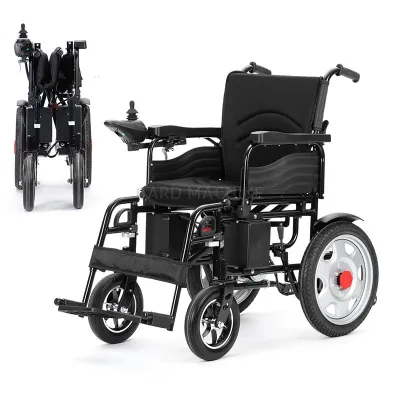
Folding Electric Wheelchair for The Elderly People Disabled Wheelchair
$790.00 - $810.00
MOQ: 1 pieces


New Style Lightweight Good Quality Power Wheelchair
$300.00 - $330.00
MOQ: 1 Pieces
Shanghai Hubang Intelligent Rehabilitation Equipment Co., Ltd




Comprehensive Sourcing Guide
Wheelchair Sourcing Guide
Procuring mobility aids requires a strategic approach that balances clinical functionality with logistical efficiency. Buyers must first define the specific user demographics and usage environments to narrow the vast market of available options. The observed product landscape includes ordinary wheelchairs designed for both hospital and home settings, indicating a broad spectrum of utility. Understanding whether the end-user requires assistance for hip-specific conditions or whole-body mobility is critical for selecting the appropriate frame geometry and support features. This initial segmentation prevents costly mismatches between the equipment’s capabilities and the patient’s actual needs, ensuring that the procurement process begins with a clear, actionable requirement set rather than a generic request for quotes.
Furthermore, the sourcing strategy must account for the physical constraints of the end-user’s living or working environment. Many listed models are explicitly designed for outdoor use, suggesting robust construction and weather-resistant materials. However, the presence of folding mechanisms and specific dimensions like 103x66x88cm highlights the importance of spatial awareness in the final application site. Buyers should verify if the Wheelchair needs to navigate narrow doorways or fit into standard vehicle trunks. By aligning the product’s physical attributes with the user’s daily routine, procurement teams can avoid returns and ensure long-term satisfaction. This holistic view transforms a simple purchase into a comprehensive solution that supports the user’s independence and safety.
Product Scope and Observed Listing Signals
The current market offers a diverse array of Wheelchair configurations, ranging from basic manual models to specialized units for patients with leg and foot problems. Key attributes observed include manual power supply, indicating that these devices rely on user or caregiver propulsion rather than electric motors. The material composition varies significantly, with options including steel, light materials, and aluminium alloy, each offering distinct trade-offs between durability, weight, and cost. Steel frames provide robustness for heavy-duty use, while aluminium alloy models offer portability for users who need to transport the chair frequently. Buyers must carefully evaluate these material choices against the expected frequency of use and the physical strength of the caregiver or user to ensure the selected model provides adequate support without being overly burdensome to maneuver.
Packaging and customization options also play a pivotal role in the sourcing decision. Most suppliers offer carton or wooden case packing, with some specifying export-grade carton solutions to protect the product during international shipping. The availability of customization services allows buyers to tailor specific features, such as leg rest types, which can be configured for both sides separately or across both sides. This flexibility is essential for addressing unique anatomical requirements or comfort preferences. Additionally, the condition of the products is consistently listed as new, ensuring that buyers receive factory-fresh equipment. Understanding these structural and logistical signals helps procurement teams anticipate shipping costs, assembly requirements, and the potential need for bespoke modifications, thereby streamlining the initial evaluation phase.
Technical Specifications to Verify
Technical verification begins with the precise dimensional analysis of the Wheelchair frame. Standard specifications such as 65(W)*120(H)*120(L)CM provide a baseline for spatial planning, but buyers must confirm these measurements against the specific model numbers like GT135-870ABJ or Yh-D08. Variations in width and height directly impact the user’s comfort and the chair’s stability. It is crucial to verify the rear wheel type, as options like quick-release mechanisms or 8-inch PVC wheels offer different levels of maintenance ease and terrain adaptability. Quick-release wheels facilitate easier transport and tire replacement, while PVC wheels provide a balance of durability and smooth rolling on various surfaces. These mechanical details are not merely cosmetic; they determine the operational efficiency and long-term usability of the device in real-world scenarios.
The structural integrity and adjustability features are equally important technical considerations. Buyers should inspect the leg rest configurations, noting whether they are designed for separate side adjustment or across-the-board support, as this affects the user’s circulation and comfort during prolonged use. The tilt mechanism is another critical specification, with options ranging from non-tilted to fully tilted frames, which can significantly impact pressure relief for immobile users. Additionally, the folding capability is a standard feature that enhances portability, but the quality of the hinge and locking mechanisms must be verified to ensure safety. Confirming these technical specifications through detailed product datasheets or direct supplier inquiry ensures that the chosen Wheelchair meets the precise ergonomic and functional requirements of the end-user, preventing post-purchase dissatisfaction.
Compliance and Safety Documentation
Regulatory compliance is non-negotiable in the medical device sector, and buyers must ensure that all supplied wheelchairs meet the necessary international standards. Common certifications observed include CE, ISO, and FDA approvals, which indicate that the products have undergone rigorous testing for safety and performance. Specifically, ISO13485 certification is critical for manufacturers of medical devices, as it demonstrates a commitment to quality management systems tailored to healthcare products. Buyers should request valid certification documents for each model, verifying that the certificates are current and issued by recognized bodies. This documentation not only ensures legal compliance in the destination market but also provides a layer of protection against liability in the event of product failure or injury.
Instrument classification is another vital aspect of safety documentation. Many wheelchairs are classified as Class II medical devices, which implies a moderate to high risk and requires special controls to ensure safety and effectiveness. Buyers must verify that the supplier provides the necessary technical files and risk management documentation associated with this classification. Additionally, standards such as TUV indicate adherence to specific safety and quality benchmarks. It is essential to confirm that the product’s intended use, such as patient care or hospital use, aligns with the certified scope. By meticulously reviewing these compliance documents, procurement teams can mitigate regulatory risks and ensure that the wheelchairs are legally marketable and safe for their intended clinical or home care applications.
Cost Drivers and Commercial Terms
The cost structure of wheelchairs is influenced by several key factors, including material choice, customization level, and order volume. Observed price ranges vary widely, from $10 to $810 USD, reflecting the diversity in quality and features. Steel models tend to be more affordable but heavier, while aluminium alloy and light material options command higher prices due to their portability and durability. Minimum order quantities (MOQs) typically range from 1 to 100 units, allowing for flexibility in procurement scale. Buyers should negotiate based on volume tiers, as larger orders often unlock significant discounts. Understanding these cost drivers helps in budgeting accurately and selecting the most cost-effective solution that still meets the required quality and performance standards for the end-users.
Commercial terms also encompass warranty and after-sales service provisions. A standard one-year warranty is commonly offered, providing coverage for manufacturing defects and structural failures. Buyers should clarify the scope of this warranty, including whether it covers wear-and-tear items like tires and cushions. After-sales support, such as online technical assistance, is crucial for troubleshooting issues without requiring immediate physical intervention. Additionally, the packing method, whether in standard cartons or wooden cases, can impact shipping costs and insurance premiums. Buyers must factor these logistical costs into the total cost of ownership. Clear communication regarding payment terms, delivery schedules, and return policies ensures a transparent procurement process, reducing the risk of unexpected expenses and facilitating smoother supply chain operations.
Supplier Qualification and Quality Control
Supplier qualification is the foundation of a reliable supply chain, requiring thorough vetting of manufacturing capabilities and quality assurance processes. Buyers should prioritize suppliers located in established manufacturing hubs like Zhejiang, Tianjin, and Foshan in China, as these regions often have mature industrial ecosystems for medical equipment. Verifying the supplier’s production capacity and lead times is essential to ensure timely delivery, especially for large orders. Quality control measures should include in-process inspections and final random inspections before shipment. Buyers must request detailed quality control plans that outline testing procedures for structural integrity, wheel durability, and finish quality. Establishing a strong relationship with a qualified supplier ensures consistent product quality and reduces the risk of receiving defective units.
Effective quality control also involves defining clear acceptance criteria and inspection protocols. Buyers should specify the acceptable tolerance levels for dimensions, weight, and functional components. Implementing a pre-shipment inspection (PSI) can help identify and rectify issues before the goods leave the factory. Additionally, suppliers should provide evidence of their quality management systems, such as ISO certifications, which indicate a systematic approach to maintaining product standards. Regular audits or third-party inspections can further validate the supplier’s commitment to quality. By rigorously evaluating supplier qualifications and enforcing strict quality control measures, buyers can minimize defects, reduce returns, and ensure that every Wheelchair delivered meets the high standards required for patient care and safety.
Long-Term Procurement Checks
Long-term procurement success depends on continuous monitoring of product performance and supplier reliability. Buyers should establish a feedback loop with end-users to gather insights on the Wheelchair’s durability, comfort, and ease of maintenance. This user feedback is invaluable for identifying potential design flaws or areas for improvement in future orders. Regularly reviewing warranty claims and return rates can highlight systemic issues that need to be addressed with the supplier. Additionally, staying updated on regulatory changes and industry standards ensures that the procured wheelchairs remain compliant over time. Proactive engagement with suppliers regarding product updates or new models can also help buyers access improved technologies and features, enhancing the overall value proposition for their clients.
Sustainability and lifecycle management are also critical long-term considerations. Buyers should assess the availability of spare parts and the supplier’s commitment to product longevity, with some models offering a lifetime of more than five years. Ensuring a steady supply of replacement components like tires, brakes, and cushions extends the usable life of the wheelchairs and reduces total cost of ownership. Furthermore, evaluating the supplier’s environmental practices and packaging waste can align procurement with corporate sustainability goals. By maintaining a strategic, long-term perspective, buyers can build a resilient supply chain that delivers consistent quality, supports user needs, and adapts to evolving market and regulatory landscapes, ultimately fostering trust and satisfaction among all stakeholders.
FAQs
What certifications do the Wheelchair products hold?
The products hold CE and ISO certifications, with some models also meeting ISO13485 and FDA standards. These certifications ensure compliance with international safety and quality requirements for medical devices used in hospitals and homes.
Can I request customization for the Wheelchair specifications?
Yes, customization is available for many models to meet specific user needs. Buyers can request tailored features such as specific dimensions or material choices, ensuring the final product fits the intended application environment perfectly.
Which materials are used to construct these wheelchairs?
Manufacturers use steel and aluminium alloy for construction, with some models featuring light materials for enhanced portability. The choice of material impacts durability and weight, catering to different user requirements for strength and ease of movement.
How are the wheelchairs packed for international shipping?
Products are packed in export cartons, wooden cases, or standard cartons depending on the model. This packaging ensures safe transport and protection during transit, with options like 1PCS/CTN available for efficient logistics handling.
What is the typical warranty period for these wheelchairs?
A standard one-year warranty is provided for the products to cover manufacturing defects. This warranty ensures buyer confidence and includes online technical support for after-sales service, helping maintain the equipment in good working condition.
Where are these Wheelchair products manufactured and shipped from?
Products originate from various locations in China, including Zhejiang, Tianjin, and Foshan, Guangdong. These manufacturing hubs supply the global market with reliable equipment designed for use in hospitals, homes, and outdoor environments.