Source Orthodontic Dental Matrix Band for Clinics, Labs, and Hospitals
Compare 30 Orthodontic Dental Matrix Band options from verified suppliers. Browse metal and stainless steel models with varying thicknesses, autoclavable features, and packaging details for dental departments. Explore customizable designs suitable for orthodontic and oral health applications with specific model numbers and standard codes available for selection.
Key considerations
Products List


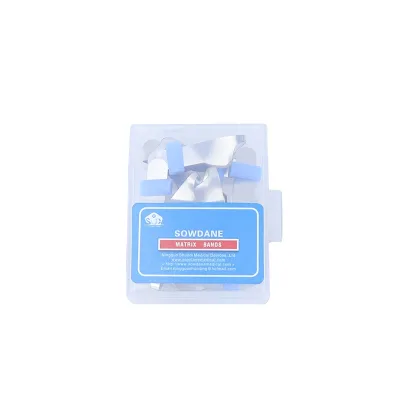
Orthodontic Tooth Material Matrix Bands Dental Bands Stainless Steel Bands
$0.01 - $0.02
MOQ: 10000 Pieces


Dental Supplier Dental Stainless Steel Matrix Band Dental Metal Matrix Bands with Holes
$0.01 - $0.02
MOQ: 10000 Pieces






Comprehensive Sourcing Guide
Orthodontic Dental Matrix Band Sourcing Guide
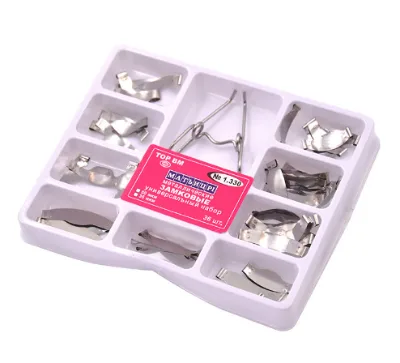
Buyers must first distinguish between reusable and disposable matrix systems, as the supplied data reveals a split in product lifecycles. Some listings explicitly state "Non-Disposable" status with autoclavable capabilities, while others are marked "Disposable" with specific thicknesses like 0.05mm. This distinction dictates the procurement strategy, as reusable metal bands require validation of sterilization durability, whereas disposable plastic wedges and bands focus on single-use sterility and immediate clinical application.
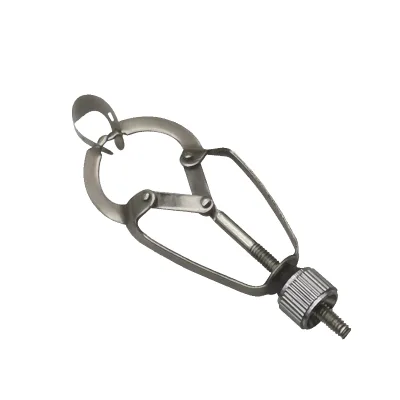
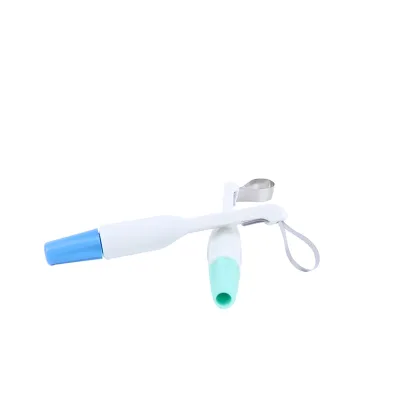
The observed product range includes specialized instruments for the Orthodontic and Oral Health departments, with materials ranging from Stainless Steel 304 to various plastics. Sourcing decisions should prioritize the specific departmental needs, noting that some items are designed for sectional contoured matrices while others serve as plastic wedges with knives. Understanding these functional differences ensures the selected inventory aligns with the specific clinical workflows of the purchasing facility.
Product Scope and Observed Listing Signals
Procurement teams should verify the exact SKU and model number to avoid confusion between similar-looking items, as the data shows distinct identifiers like 1382210031 and 130040004. These codes often correspond to specific packaging configurations, such as 50PCS/Box or 40PCS/Box, which directly impact inventory management and shelf space requirements. Buyers must cross-reference these SKUs with the physical product descriptions to ensure the received goods match the ordered specifications regarding material and usage type.
The listing signals indicate a wide variance in packaging standards, ranging from cartons for dental sectional matrices to plastic packaging for other items. Some products are described with specific dimensions like 6.2mm/4.8mm sizes, while others list thicknesses such as 0.038mm or 0.04mm. It is critical to confirm these physical attributes during the ordering phase, as the wrong thickness or size can compromise the clinical fit and effectiveness of the matrix band during orthodontic procedures.
Technical Specifications to Verify
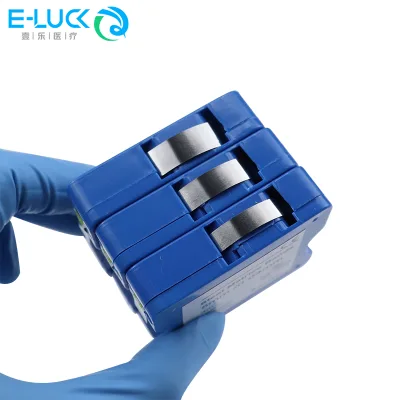
Thickness and material composition are the primary technical variables that determine the performance of the matrix band in a clinical setting. The available data highlights specific thicknesses including 0.038mm, 0.04mm, 0.05mm, and 0.06mm, alongside materials like Stainless Steel 304. Buyers must verify that the selected product matches the required thickness for the specific tooth preparation, as thinner bands may be necessary for delicate procedures while thicker variants offer more rigidity for broader applications.
Dimensions such as length and width also require strict verification, with observed listings showing lengths of 3000mm and widths of 5mm, 6mm, or 7mm. Additionally, the model numbers like F1 or T Type suggest specific design geometries that must align with the intended use case. Procurement officers should request detailed specification sheets to confirm that the width and length parameters are suitable for the specific dental arch and tooth morphology being treated.
Compliance and Safety Documentation
Sterilization capabilities are a critical safety factor for reusable instruments, with some products explicitly rated for autoclaving under high temperatures of 134 Centigrade. Buyers must ensure that any reusable metal bands or instruments carry clear documentation confirming their ability to withstand repeated sterilization cycles without degrading. This verification is essential to maintain infection control standards and ensure the longevity of the equipment within the dental department.
Certification status provides a baseline for regulatory compliance, with CE certification observed in the provided product data. While ISO 13485 is a trusted industry standard, it should not be assumed without explicit confirmation from the supplier. Procurement teams must request valid certification documents for every batch of products to ensure they meet the necessary safety and quality regulations for medical devices used in oral health departments.
Cost Drivers and Commercial Terms
The observed price range of 0.01 to 65 USD suggests significant variation based on material, customization, and packaging volume. Buyers should analyze whether the lower price points correspond to disposable items or basic metal bands, while higher costs may reflect specialized instruments or custom configurations. Understanding these cost drivers helps in budgeting for both high-volume consumables and durable equipment that requires a larger initial investment.
Minimum Order Quantities (MOQ) vary widely from 1 to 10,000 units, influencing the total cost of ownership and inventory holding costs. Suppliers offering lower MOQs may be suitable for trial orders or small clinics, whereas larger orders might unlock better unit economics. Procurement strategies should balance the need for immediate stock against the financial benefits of bulk purchasing, ensuring that the chosen order volume aligns with the facility's consumption rates and storage capacity.
Supplier Qualification and Quality Control
Customization availability is a key differentiator among suppliers, allowing buyers to tailor products to specific clinical requirements. The data confirms that customization is available, which is valuable for clinics needing specific dimensions or packaging configurations. Buyers should engage suppliers early to discuss these customization options, ensuring that the final product meets the unique operational needs of the orthodontic department without compromising on quality or delivery timelines.
Quality control processes must be validated through the supplier's ability to provide consistent product attributes across different batches. The presence of cargo tracking and specific packing details like "Carton for Dental Sectional Contoured Matrices" indicates a structured logistics approach. Procurement teams should verify that the supplier maintains consistent quality standards, particularly regarding the non-disposable nature of certain items and their ability to withstand the rigorous demands of a busy dental practice.
Long-Term Procurement Checks
Establishing a reliable supply chain requires monitoring the consistency of product attributes over time, such as the specific thickness and material composition. Buyers should implement a system to track whether the delivered goods consistently match the initial specifications, such as the 0.05mm thickness or Stainless Steel 304 material. Regular audits of incoming stock ensure that the supplier maintains the quality standards required for safe and effective orthodontic treatments.
Export market reach and global distribution capabilities are indicators of a supplier's stability and capacity to handle long-term contracts. The data notes an "Export Market: Global" status, suggesting the supplier has experience with international logistics and compliance. Procurement strategies should leverage this global reach to secure consistent supply, while also maintaining open communication channels to address any potential disruptions in the supply chain that could affect clinical operations.
FAQs
What materials are used for orthodontic dental matrix bands?
The orthodontic dental matrix bands are primarily constructed from metal, specifically stainless steel 304. This material choice ensures durability and resistance to corrosion during clinical procedures. The bands are designed to withstand the rigors of orthodontic applications while maintaining structural integrity. This composition supports reliable performance in various dental settings, providing a sturdy foundation for effective matrix placement and contouring during treatments.
Can orthodontic dental matrix bands be autoclaved?
Yes, these orthodontic dental matrix bands are fully autoclavable. They can withstand high temperatures up to 134 degrees Celsius without degradation. This feature allows for repeated sterilization and reuse, making them non-disposable instruments. The ability to endure such high heat ensures that the bands remain hygienic and safe for multiple patient treatments, supporting efficient workflow in busy orthodontic departments.
What thickness options are available for these bands?
Available thickness options include 0.038mm, 0.04mm, 0.05mm, and 0.06mm. These variations allow clinicians to select the appropriate band thickness based on specific clinical requirements and tooth morphology. The range accommodates different orthodontic needs, ensuring precise fit and effective matrix formation. Selecting the correct thickness is crucial for achieving optimal results in dental restorations and orthodontic procedures.
What certifications do these orthodontic matrix bands hold?
These orthodontic dental matrix bands hold CE certification. This certification indicates compliance with relevant European health, safety, and environmental protection standards. It assures buyers that the products meet rigorous quality and regulatory requirements for medical devices. The CE mark is a key indicator of product reliability and safety, facilitating global trade and ensuring that the bands are suitable for professional dental use in various international markets.
How are the orthodontic matrix bands packaged?
The orthodontic matrix bands are packaged in cartons for dental sectional contoured matrices and plastic packaging. Specific SKUs indicate packing quantities such as 50 pieces per box or 40 pieces per box. This structured packaging ensures safe transport and easy inventory management. The carton and plastic materials protect the bands from damage, maintaining their sterility and quality until they are ready for use in clinical settings.
Where are these orthodontic dental matrix bands manufactured?
These orthodontic dental matrix bands are manufactured in Henan, China (Mainland). This location serves as the primary origin for the products, indicating the regional supply chain base. Buyers can expect consistent production standards and logistical support from this manufacturing hub. The origin information helps in assessing shipping times and potential import regulations, providing transparency regarding the product's supply chain and manufacturing background.