Source Class I Skin Traction Kit for Orthopedic Fixation
Find and compare 28 Class I Skin Traction Kit options from verified manufacturers. Evaluate materials like bandage foam and adhesive types for orthopedic fixation and personal care applications.
Key considerations
Products List








Comprehensive Sourcing Guide
Class I Skin Traction Kit Sourcing Guide
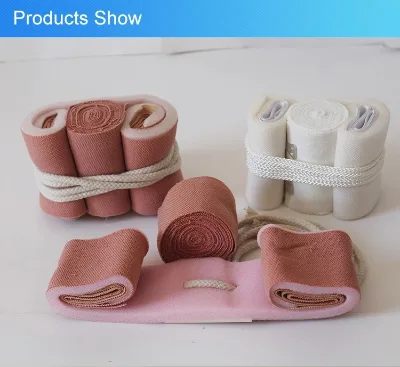
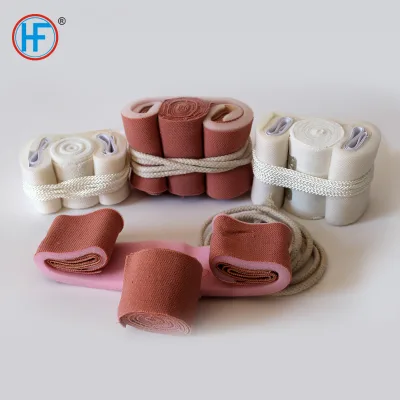
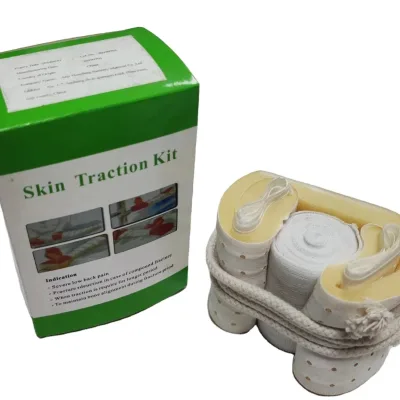
Procuring Class I skin traction kits requires a disciplined approach to distinguishing between general medical supplies and specific traction solutions, as the market often groups adhesive bandages, foam belts, and fixation tapes under a single product umbrella. Buyers must verify that the listed "Skin Traction Kit" explicitly includes the necessary components for safe application, such as the observed combination of bandage, foam, belt, and tape materials, rather than generic wound care items. The classification as a Class I instrument indicates a low-risk device intended for basic fixation, yet the procurement strategy must ensure the kit is designed specifically for adult or pediatric use, as the observed listings show distinct variations for "Adult," "Child," and "All People" groups.
The sourcing landscape for these kits is characterized by a wide variance in packaging and sterilization methods, which directly impacts the end-user's clinical workflow and storage requirements. While some suppliers offer individually bagged units in OPP or paper poly bags, others provide bulk carton packaging with specific single-box configurations, necessitating a clear definition of the required delivery format before negotiation. Furthermore, the presence or absence of Ethylene Oxide sterilization is a critical differentiator; some listings explicitly state "Without Ethylene Oxide Sterilization" while others claim the process is available, requiring the buyer to align the product's sterile status with their facility's infection control protocols and regulatory expectations.
Product Scope and Observed Listing Signals
When evaluating product listings, buyers should look for specific material compositions that define the functional scope of a skin traction kit, such as the observed mix of bandage and foam alongside belts and tapes. The product scope often extends to include both adhesive and non-adhesive types, which allows for versatility in patient application but requires careful selection based on skin sensitivity and the duration of traction needed. Listings frequently mention "Disposable" features and "Fixation" functions, confirming that these kits are intended for single-use scenarios where hygiene and immediate mechanical support are paramount, rather than reusable orthopedic hardware.
The observed market signals also reveal significant diversity in model numbers and sizing, ranging from specific codes like "HF Z-2" and "HD122" to generic descriptors like "Varitey" or "616." This variation suggests that a single supplier may offer multiple SKUs tailored to different patient demographics, including specific size ranges for children and adults, or even standardized dimensions like 10x10x15 cm for single packages. Buyers must scrutinize the "Group" attribute to ensure the kit matches the intended patient population, as mixing pediatric and adult specifications in a single order can lead to application errors or ineffective treatment outcomes.
Technical Specifications to Verify
Technical verification begins with confirming the physical dimensions and packaging integrity, as the observed data includes single package sizes ranging from 50x37x38 cm to smaller 10x10x15 cm units. It is essential to validate that the "Single package size" aligns with the internal storage capacity of the facility and that the outer carton specifications, such as "100 boxes/Carton," match the logistical needs of the procurement team. The material composition must be explicitly defined as "Bandage and Foam, Belt and Tape" or "Other" to ensure the kit provides the necessary structural support and comfort for skin traction applications without causing undue pressure or irritation.
Buyers must also verify the shelf life and storage conditions, as the observed listings indicate a standard shelf life of 3 years for these disposable medical materials. This duration is critical for inventory management, particularly for facilities that maintain stockpiles for emergency orthopedic needs or routine surgical supplies. Additionally, the "Instrument classification" as Class I implies specific handling requirements, and the buyer should confirm that the product does not require complex assembly or calibration, as the primary function is fixation and the design is typically straightforward for immediate clinical use.
Compliance and Safety Documentation
Compliance verification for Class I skin traction kits requires a rigorous check of the certification landscape, as the observed data lists FDA, ISO, CE, and ISO13485 as potential credentials. While some listings explicitly state "CE, FDA, ISO13485," others may only reference "CE" or "ISO," creating a need for the buyer to request specific certificate copies to confirm the validity of the claims. The presence of "ISO13485" is particularly significant as it denotes a quality management system specific to medical devices, whereas "ISO" alone may refer to general standards, and the buyer must ensure the supplier can provide the exact certificate number and issuing body for audit purposes.
Safety documentation must also address the sterilization and disinfection status, as the observed listings present conflicting information regarding "Ethylene Oxide Sterilization" and "Without Disinfection." Buyers must clarify whether the product is supplied sterile or non-sterile, as this determines the need for additional in-house sterilization processes or the acceptance of a non-sterile product for specific low-risk applications. The "Safety standard" of CE and the "Medical Device Regulatory Type" of Surgical Supplies Materials further reinforce the need for a complete regulatory dossier that aligns with the destination market's requirements for Class I devices.
Cost Drivers and Commercial Terms
Cost drivers for Class I skin traction kits are heavily influenced by the MOQ and the complexity of the packaging configuration, with observed ranges spanning from 1 to 5000 units. The high-end MOQ of 5000 rolls suggests that bulk pricing is available for large-scale distributors, while lower MOQs may be available for smaller clinics or trial orders, though the price per unit will likely increase significantly. Buyers should also consider the cost implications of customization, as the observed "Customization: Available" and "OEM: Yes" attributes indicate that branding and specific packaging requirements can add to the base manufacturing cost.
Commercial terms must be negotiated with attention to the delivery timeline and sample availability, as the observed "Delivery Time" is typically 15 to 20 days. The availability of free samples or provided samples is a critical factor in the decision-making process, allowing buyers to verify the quality of the bandage, foam, and tape materials before committing to a large order. Additionally, the "Logo Printing: Without Logo Printing" attribute suggests that standard products may not include branding, and any request for custom logos will likely incur additional setup fees and extended lead times.
Supplier Qualification and Quality Control
Supplier qualification should focus on the origin and manufacturing capabilities, with the observed data pointing to "China" and specifically "Zhejiang" as key production hubs. Buyers must verify the supplier's ability to maintain consistent quality across different models, such as the "HF Z-2" and "HD122" variants, and ensure that the "Standard" of "EN14683-2019" or other relevant norms is consistently applied in their production lines. The "Brand Name: Hengfeng" observed in some listings serves as a reference point, but buyers should not rely on a single brand and must instead evaluate the supplier's overall track record and capacity to meet the specific "Instrument classification" requirements.
Quality control protocols must be established to ensure that the "Properties" of the product, such as being "Medical Materials & Accessories," are maintained throughout the supply chain. Buyers should request evidence of the supplier's internal testing procedures, particularly regarding the "Disposable" nature of the kit and the integrity of the "Individually OPP Bag" or "Carton" packaging. The "Sample Provided" attribute offers an opportunity to test the product's physical properties, such as the adhesion of the tape and the durability of the foam, before scaling up the order to the full MOQ.
Long-Term Procurement Checks
Long-term procurement strategies for Class I skin traction kits require regular audits of the supplier's certification status and production consistency, as regulatory landscapes can change and impact the validity of FDA or CE approvals. Buyers should establish a schedule for re-verifying the "Shelf Life" and "Standard" compliance of incoming batches, ensuring that the 3-year shelf life remains accurate and that the product continues to meet the "EN14683-2019" or other applicable safety standards. This proactive approach helps mitigate the risk of supply chain disruptions and ensures that the facility always has access to compliant, high-quality traction kits.
Finally, buyers must monitor the supplier's ability to adapt to changing market demands, such as the shift between "Adult" and "Child" specific kits or the introduction of new materials. The "OEM: Available" and "Customization: Available" attributes suggest that suppliers can adapt to specific needs, but the buyer must maintain open communication to ensure that these customizations do not compromise the core functionality of the "Fixation" feature. Regular performance reviews and feedback loops with the supplier will help maintain a reliable supply chain and ensure that the Class I skin traction kits continue to meet the clinical needs of the facility over the long term.
FAQs
What certifications do class i skin traction kits have?
These kits typically hold CE, FDA, and ISO certifications, including ISO 13485 for medical device quality management. Some products also meet EN14683-2019 standards. Buyers should verify specific documentation with suppliers to ensure compliance with regional regulatory requirements for surgical supplies and materials.
Can I customize the Class I Skin Traction Kit?
Yes, customization is available for many models. Suppliers often accept OEM requests and offer logo printing options, though some items come without logo printing by default. Buyers can specify packaging preferences, such as individual OPP bags or cartons, to align with their distribution and branding needs.
What is the typical lead time for these kits?
The standard delivery time is generally 15 to 20 days. This timeframe applies to most standard orders, but actual lead times may vary based on order volume and specific customization requirements. Buyers should confirm exact schedules with manufacturers to ensure timely procurement for their supply chain.
What materials are used in class i skin traction kits?
Common materials include bandage and foam, along with belts and tapes. These components are designed for fixation and personal care applications. The kits are often classified as Class I medical devices and may be available in adhesive or non-adhesive types, depending on the specific model and intended use.
What is the minimum order quantity for these kits?
MOQs typically range from 1 to 5000 units, with some suppliers requiring 5000 rolls for specific product lines. Buyers should check individual supplier listings for exact thresholds. Lower MOQs may be available for samples or trial orders, facilitating initial testing and evaluation before committing to larger bulk purchases.
Are these kits sterile or disposable?
Many kits are designed as disposable items for single-use applications. Sterilization options vary, with some products undergoing ethylene oxide sterilization while others are provided without disinfection. Buyers must select the appropriate version based on their clinical or personal care requirements and verify the shelf life, which is often three years.