Source Class II CE B Mode Ultrasound for Clinic, OB, and Cardiac
Find and compare 30 class ii ce b mode ultrasound devices from China. Options include wireless probes, LCD screens, and various applications for clinic, OB, and cardiac use. Review specifications like CE ISO certification and warranty terms to select the right equipment.
Key considerations
Products List


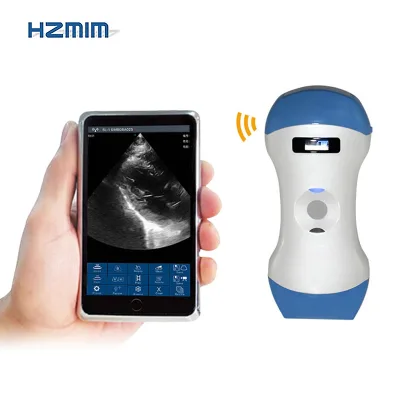
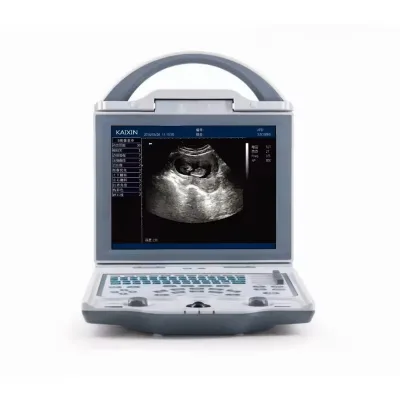


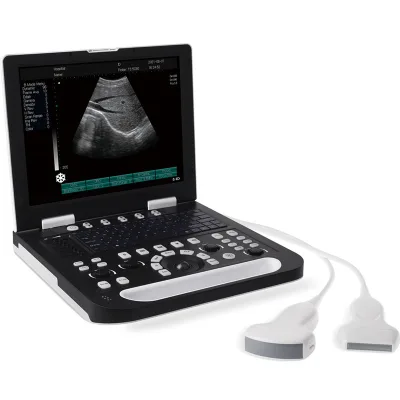
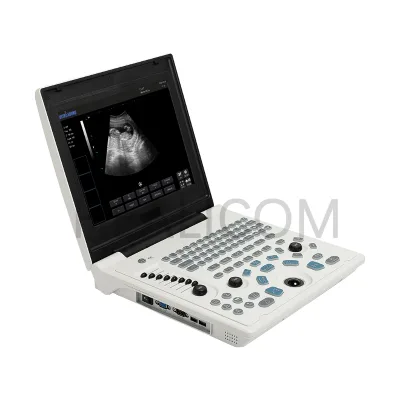
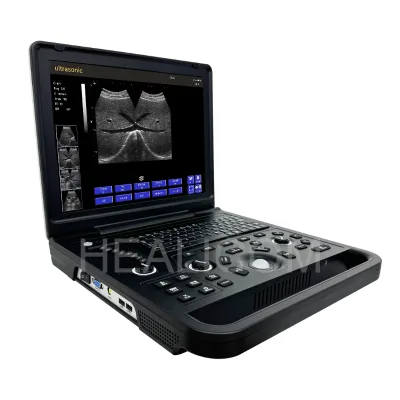
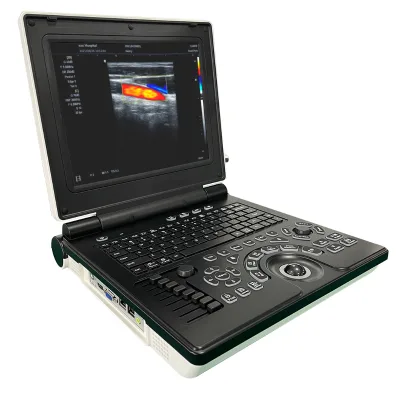
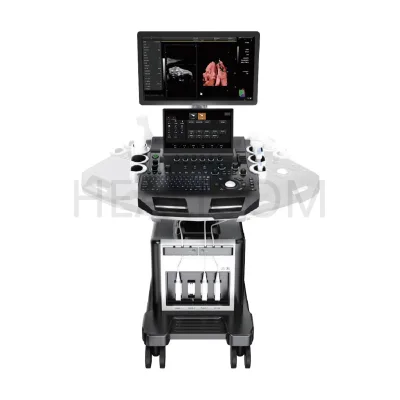
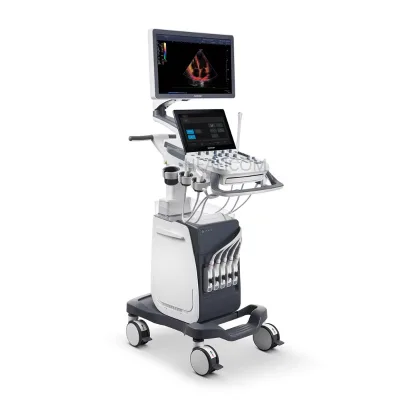


Comprehensive Sourcing Guide
Class II CE B-Mode Ultrasound Sourcing Guide
Procuring Class II CE B-Mode ultrasound systems requires a disciplined approach to verifying regulatory compliance and technical performance. Buyers must distinguish between general medical imaging devices and specialized wireless probes, as the market offers diverse configurations ranging from portable units with high-definition LED screens to advanced systems supporting elastography. The core keyword highlights two critical regulatory and operational markers: the Class II instrument classification, which dictates specific safety and efficacy standards, and the CE certification, which is a mandatory conformity mark for selling within the European Economic Area. Understanding these distinctions is the first step in building a compliant and effective procurement strategy.
The observed market signals indicate a wide variance in product specifications, with models ranging from basic convex probe systems to complex units featuring 21.5-inch full HD monitors and multiple active probe ports. Buyers should note that while CE certification is frequently listed, some suppliers also claim ISO and FDA certifications, requiring careful validation of the specific certificate scope. The presence of customized options and medium-scale production capabilities suggests that many manufacturers are flexible, but this flexibility must be balanced against rigorous quality control measures. Sourcing decisions should prioritize suppliers who can provide transparent documentation for each specific model number, ensuring that the Class II designation applies to the exact configuration being purchased.
Product Scope and Observed Listing Signals
The current product landscape for Class II CE B-Mode ultrasound devices includes a variety of form factors, from compact wireless probes to stationary systems with extensive connectivity options. Observed listings reveal models such as the UMUS060 and UMUS061, which feature 10-inch and 12-inch high-definition LED screens respectively, catering to different clinical space requirements. Other entries, like the Um-C-4c4l, emphasize B-Mode display capabilities and are designed for specific applications including clinic, obstetrics, cardiac, and gynecology use. These variations indicate that buyers must clearly define their clinical needs before evaluating listings, as the physical footprint and display technology significantly impact workflow integration in busy medical environments.
Commercial signals also highlight significant differences in warranty and after-sales support structures, which are critical for long-term operational reliability. While some products offer a lifetime warranty, others provide only one or two years of coverage, reflecting varying manufacturer confidence in component durability. The observed price range of 580 to 22,600 USD suggests that budget constraints alone should not drive selection, as lower-cost items may lack advanced features like DICOM 3.0 compatibility or elastography options. Buyers should scrutinize the minimum order quantity (MOQ) and packaging details, as carton packing and single gross weights vary, influencing logistics costs and inventory management strategies for both distributors and end-users.
Technical Specifications to Verify
Technical verification must begin with the display and interface specifications, which directly affect image interpretation and data management. Buyers should confirm whether the system utilizes a phone-based display for portability or a dedicated 21.5-inch full HD monitor for stationary clinical use. The presence of a 1148 F/S frame rate in some models indicates high-speed imaging capabilities, which are essential for dynamic assessments in cardiac or vascular studies. Additionally, the availability of expand interfaces such as USB, DVD-R/W, and footswitch ports determines the system's ability to integrate with existing hospital information systems and peripheral devices, making it crucial to verify these connectivity options against specific departmental workflows.
Probe compatibility and classification are equally critical technical factors that influence diagnostic versatility. The market offers both convex probes and wireless ultrasound probes, each suited for different anatomical regions and clinical scenarios. Buyers must verify the number of active probe ports, as systems with three active ports offer greater flexibility for multi-probe switching during examinations. Furthermore, the inclusion of optional features like elastography can enhance diagnostic confidence for tissue characterization, but this feature is not universal across all Class II devices. Ensuring that the instrument classification aligns with the intended application is vital, as Class II devices have specific regulatory requirements that must be met for safe and effective clinical use.
Compliance and Safety Documentation
Regulatory compliance is the cornerstone of safe ultrasound procurement, with CE certification serving as the primary indicator of conformity with European health, safety, and environmental protection standards. Buyers must request valid CE certificates that explicitly list the model numbers being purchased, as certifications are often model-specific and may not cover all variants within a product line. The presence of ISO certifications, such as ISO 13485 for quality management, adds another layer of assurance regarding manufacturing consistency, though buyers should verify the scope of these certificates to ensure they cover the specific production facilities. Relying solely on marketing claims without documented proof can lead to significant regulatory risks and potential import delays.
Beyond initial certification, ongoing compliance requires attention to instrument classification and post-market surveillance obligations. Class II medical devices in many jurisdictions require rigorous risk management files and clinical evaluations, which should be available upon request from reputable suppliers. Buyers should also verify the shelf life and warranty terms, as these reflect the manufacturer's commitment to product longevity and support. For instance, a two-year shelf life on certain components may necessitate careful inventory planning to avoid obsolescence. Ensuring that all documentation, including user manuals and safety warnings, is available in the required languages, such as English and Chinese, is essential for proper operation and regulatory adherence in international markets.
Cost Drivers and Commercial Terms
Cost structures for Class II CE B-Mode ultrasound systems are influenced by a combination of hardware complexity, display technology, and included accessories. Systems featuring high-definition LED screens, multiple probe ports, and advanced software options like elastography typically command higher prices, reflecting the increased R&D and manufacturing costs. Buyers should analyze the total cost of ownership, which includes not only the initial purchase price but also the cost of compatible probes, software updates, and maintenance contracts. The observed price range indicates that significant savings can be achieved by selecting basic configurations, but this must be weighed against the potential need for additional equipment or upgrades in the future.
Commercial terms such as warranty duration, after-sales service, and minimum order quantities play a crucial role in the overall financial planning. Suppliers offering lifetime warranties may have higher upfront costs but can reduce long-term maintenance expenses, while those with one-year warranties might appear cheaper initially but could incur higher repair costs later. The availability of customization options can also impact pricing, as bespoke features often require additional engineering and production time. Buyers should negotiate clear terms for return and replacement policies, ensuring that defective units can be resolved quickly to minimize clinical downtime. Understanding these commercial variables helps in building a realistic budget that accounts for both immediate and future operational needs.
Supplier Qualification and Quality Control
Supplier qualification begins with verifying the manufacturer's location and production capabilities, as origins such as Guangdong and Zhejiang in China are known hubs for medical device manufacturing. Buyers should assess the supplier's ability to maintain consistent quality across batches, particularly for customized orders that may involve unique specifications. The presence of medium-scale production capabilities suggests that suppliers can handle varying order volumes, but buyers must ensure that quality control processes are robust enough to maintain compliance with Class II standards. Requesting factory audit reports or third-party quality assessments can provide valuable insights into the supplier's manufacturing discipline and adherence to international standards.
Quality control extends to the verification of individual product attributes and packaging standards. Buyers should inspect sample units for build quality, display clarity, and probe functionality before committing to large orders. The single package size and gross weight information provided in listings can help in planning logistics and storage, but physical verification is essential to ensure that products arrive undamaged. Additionally, suppliers should demonstrate a clear process for handling defects and providing online technical support, which is critical for resolving issues that may arise during installation or initial use. Establishing a strong relationship with a supplier who prioritizes quality and transparency is key to mitigating risks associated with medical device procurement.
Long-Term Procurement Checks
Long-term procurement success depends on establishing a framework for continuous monitoring of supplier performance and product evolution. Buyers should regularly review warranty claims and after-sales service responses to gauge the supplier's commitment to customer satisfaction. The availability of spare parts and software updates is crucial for maintaining the functionality of Class II devices over their operational lifespan. Suppliers who offer comprehensive online technical support and return and replacement services demonstrate a higher level of reliability, reducing the risk of prolonged equipment downtime. Building a history of successful transactions with a supplier can facilitate smoother negotiations and better terms in future procurement cycles.
Furthermore, buyers must stay informed about changes in regulatory requirements and technological advancements in ultrasound imaging. As standards evolve, suppliers may need to update their products to maintain CE certification and other relevant approvals. Buyers should request notifications of any design changes or component substitutions that could affect compliance or performance. Engaging with suppliers who are proactive about regulatory updates and technological improvements ensures that the procurement strategy remains aligned with current best practices. By maintaining a vigilant approach to long-term checks, buyers can protect their investment and ensure that their ultrasound systems continue to meet clinical and regulatory standards effectively.
FAQs
What certifications do class ii ce b mode ultrasound devices have?
These devices typically hold CE and ISO certifications to ensure regulatory compliance. Some models also feature FDA approval for broader market access. The instrument classification is often listed as Class II, indicating moderate risk. Buyers should verify specific quality certifications like CE ISO on product pages to confirm safety standards before procurement.
Can I get customized class ii ce b mode ultrasound systems?
Yes, customization is available for many ultrasound systems to meet specific clinical needs. Manufacturers offer options for screen size, such as 10-inch or 12-inch high-definition LED displays. Buyers can request specific packing configurations or language support. This flexibility allows clinics to tailor equipment to their workflow requirements effectively.
Which warranty options are available for wireless ultrasound probes?
Warranty terms vary by manufacturer, with some offering lifetime coverage for specific components. Other models provide a one-year or two-year shelf life warranty. Buyers should check the specific product attributes for details like return and replacement services. Ensuring clear warranty terms helps protect your investment in medical imaging equipment.
How does the display mode work in these ultrasound machines?
The display mode typically supports B-Mode imaging for standard diagnostic viewing. Screens range from phone-sized displays for portable probes to 21.5-inch full HD monitors for stationary units. Color display options are also available for enhanced visualization. This variety ensures clinicians can choose the appropriate interface for their specific diagnostic environment.
What are the typical MOQs for sourcing these ultrasound devices?
The observed minimum order quantity ranges from 1 to 10 units. This low MOQ allows clinics to start with small batches for testing or initial deployment. Buyers can source single units or small groups depending on their budget. Checking specific supplier listings will confirm the exact MOQ for each model and configuration.
Where are these ultrasound devices typically manufactured?
These devices are primarily manufactured in China, with origins in regions like Guangdong and Zhejiang. Guangzhou is also noted as a production location for some models. Buyers should verify the place of origin on product pages to understand supply chain logistics. This information helps in assessing shipping times and regional compliance requirements.