Source Class II CE OCT Scanner for Hospitals, Clinics, Labs
Find 30 verified Class II CE OCT scanner options from Chinese manufacturers. Buyers can compare models like uCT Orion Eco and BVE series for hospital, commercial, and laboratory applications with online support and CE certification; compare the available evidence and request quotations based on your requirements.
Key considerations
Products List




Comprehensive Sourcing Guide
Class II CE OCT Scanner Sourcing Guide
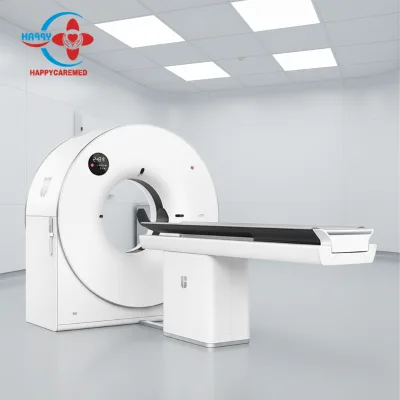
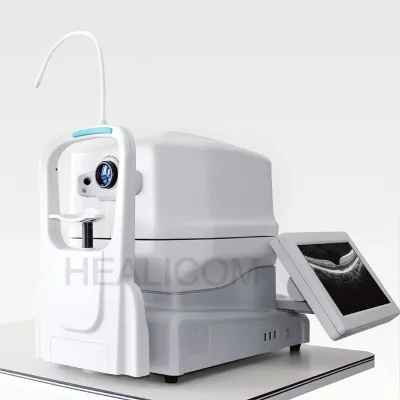
Procurement professionals must first distinguish between high-end medical imaging devices and general-purpose optical scanners when searching for Class II CE OCT scanners. The available market data reveals a mix of products, including CT scanners and flatbed document scanners, which often share similar keywords but serve entirely different clinical and commercial functions. Buyers should carefully verify that the specific listing describes an Optical Coherence Tomography device intended for medical diagnostics rather than a generic barcode or photo scanner.
The observed product listings indicate a wide variance in origin locations, ranging from Guangzhou and Shanghai to Shenzhen, which suggests a fragmented supply chain for specialized medical equipment. While some entries list CE certification and Class II classification, others describe commercial applications like document scanning with LED light sources and CMOS sensors. It is critical to isolate listings that explicitly mention medical imaging applications and hospital usage to ensure the equipment meets the rigorous standards required for clinical environments.
Product Scope and Observed Listing Signals
Buyers must scrutinize the product name and application fields to confirm the device is an OCT scanner designed for medical imaging rather than a standard document or barcode scanner. The data shows entries labeled as "CT Scanner Medical" alongside items described as "Flatbed Scanner" with optical resolutions of 1200dpi, creating significant confusion in search results. A genuine OCT scanner for clinical use will typically specify its function in ophthalmology or cardiology, whereas commercial scanners focus on digitizing paper documents or barcodes.
The observed model numbers and specifications vary widely, with some entries listing industrial pallet sizes and others detailing USB interfaces for office use. This inconsistency highlights the need to verify the specific model number against trusted medical device databases before proceeding with any inquiry. Procurement teams should prioritize listings that explicitly state "Medical Imaging Equipment" and exclude those categorized under commercial applications or general office supplies to avoid purchasing non-compliant hardware.
Technical Specifications to Verify
Technical due diligence requires confirming that the device possesses the specific optical resolution and scanning speed necessary for high-precision medical diagnostics. While some listed items mention scanning speeds of 300 scans per second, this metric is often associated with document processing rather than the micron-level resolution required for OCT imaging. Buyers must request detailed technical datasheets that specify the axial and lateral resolution, wavelength range, and depth penetration capabilities unique to OCT technology.
Power source and physical dimensions are also critical verification points, as medical imaging equipment often requires stable electric power and specific installation footprints. The available data includes references to metal construction and standard export packaging, but these generic attributes do not confirm the internal optical architecture of an OCT system. Procurement specialists should demand proof of the scanning element type and interface compatibility, ensuring the device integrates seamlessly with existing hospital IT infrastructure and imaging software.
Compliance and Safety Documentation
Regulatory compliance is paramount, and buyers must verify that the device holds valid CE certification and is classified as a Class II medical instrument in the target market. The provided facts confirm the existence of CE and ISO certifications for some listed items, but these must be cross-referenced with the specific model number to ensure they apply to the OCT scanner and not a different product line. Without valid certification documents, the equipment cannot be legally imported or used in clinical settings within the European Union or other regulated regions.
Safety documentation should also include evidence of conformity to relevant international standards for electrical safety and electromagnetic compatibility. While some listings mention a shelf life of three years or a one-year warranty, these commercial terms do not substitute for rigorous safety testing reports. Procurement teams must request the full technical file or Declaration of Conformity to confirm that the device meets the essential requirements of the Medical Device Regulation, ensuring patient safety and regulatory adherence.
Cost Drivers and Commercial Terms
Pricing for Class II CE OCT scanners is influenced by the complexity of the optical technology, the level of customization, and the included after-sales support services. The observed price range spans from one to seven hundred thousand dollars, reflecting the disparity between basic commercial scanners and advanced medical imaging systems. Buyers should expect higher costs for devices that offer online technical support, extended warranties, and specialized customization options tailored to specific hospital workflows.
Commercial terms such as Minimum Order Quantity and shipping logistics also play a significant role in the total cost of ownership. The data indicates MOQs ranging from one to three thousand units, which may be prohibitive for single-hospital procurement unless the supplier offers flexible ordering for medical equipment. Additionally, the standard packaging and pallet dimensions listed suggest that large-scale logistics planning is required, and buyers should negotiate clear terms regarding export packaging and delivery lead times to avoid unexpected shipping expenses.
Supplier Qualification and Quality Control
Supplier qualification involves verifying the manufacturer's location and their track record in producing certified medical imaging equipment. The observed origins include major Chinese manufacturing hubs like Guangzhou, Shanghai, and Shenzhen, which are known for diverse industrial output but require careful vetting for medical device compliance. Buyers should request proof of the supplier's quality management system certification and inquire about their experience with Class II medical devices to ensure they possess the necessary expertise.
Quality control processes must be robust, with suppliers demonstrating a commitment to consistent manufacturing standards and rigorous testing protocols. The availability of customization and online technical support suggests a level of service maturity, but these features must be backed by a formal quality assurance plan. Procurement teams should audit the supplier's production capabilities and request sample test reports to confirm that every unit meets the specified performance criteria before finalizing any purchase agreement.
Long-Term Procurement Checks
Long-term procurement success depends on establishing a reliable after-sales support framework that includes timely technical assistance and spare parts availability. The listed products offer online technical support and varying warranty periods, ranging from one year to three years, which are critical factors for maintaining operational continuity in a hospital setting. Buyers should negotiate service level agreements that define response times and coverage areas to ensure minimal downtime during critical diagnostic procedures.
Regular performance monitoring and re-verification of compliance status are essential to maintain the integrity of the medical equipment over its lifecycle. As regulations evolve, suppliers must provide updates to ensure the device remains compliant with current standards, and buyers should schedule periodic inspections to verify the device's condition. Establishing a clear communication channel for maintenance and upgrades will help mitigate risks associated with equipment obsolescence and ensure the OCT scanner continues to deliver accurate diagnostic results.
FAQs
What is the warranty period for Class II CE OCT scanners?
The warranty period is typically 1 year for standard models. Some manufacturers offer extended coverage options, but the baseline guarantee covers defects in materials and workmanship. Buyers should verify specific terms with the supplier before purchase to ensure adequate protection for their investment.
Can Class II CE OCT scanners be customized for specific hospital needs?
Yes, customization is available for many Class II CE OCT scanner models. Suppliers often allow adjustments to specifications or packaging to meet unique hospital requirements. Buyers should contact vendors directly to discuss specific customization requests and confirm feasibility before placing an order.
Which certifications are required for Class II CE OCT scanners?
Class II CE OCT scanners must hold CE certification to operate in relevant markets. Additional quality certifications like ISO may also be present. Buyers should request valid certification documents from suppliers to ensure compliance with local regulatory standards and safety requirements for medical imaging equipment.
How is the packaging handled for Class II CE OCT scanners?
Packaging typically includes standard export packages, plywood pallets, or carton boxes depending on the model. Specific pallet sizes are often defined to ensure safe transport. Buyers should confirm packaging details with the supplier to prevent damage during shipping and ensure proper handling upon arrival.
What is the typical power source for Class II CE OCT scanners?
The power source is electric for Class II CE OCT scanners. This ensures reliable operation in hospital environments. Buyers should verify voltage requirements and power consumption details with the supplier to ensure compatibility with their facility's electrical infrastructure and safety standards.