Source Class II Dental Endo Motor for Root Canal, Oral Surgery, and Cleaning
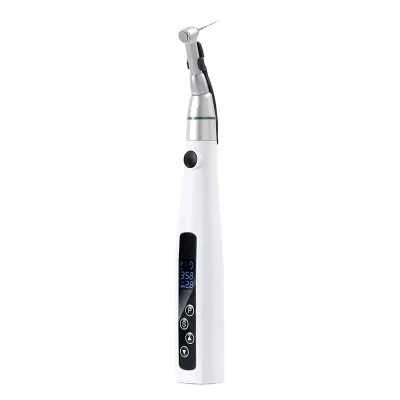
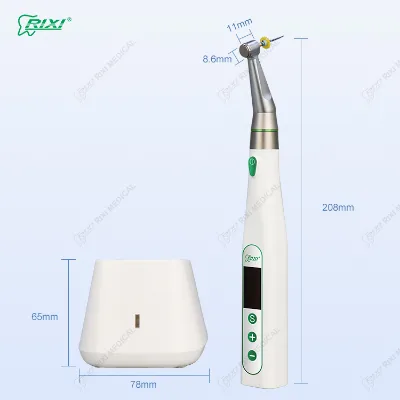
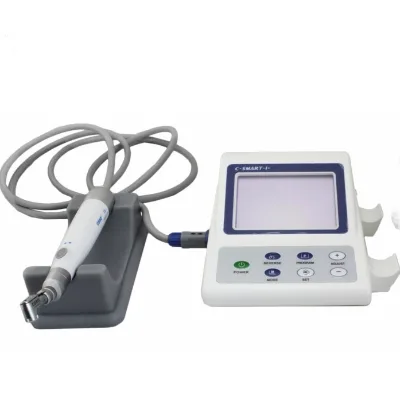
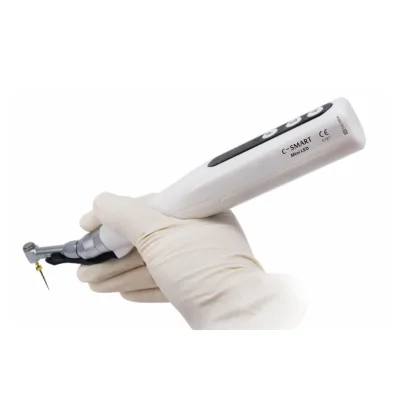
Explore 30 verified listings for the Class II Dental Endo Motor suitable for root canal treatment, oral surgery, and general dental cleaning. Buyers can compare specifications, prices, and customization options from multiple suppliers in China; compare the available evidence and request quotations based on your requirements.
Key considerations
Products List




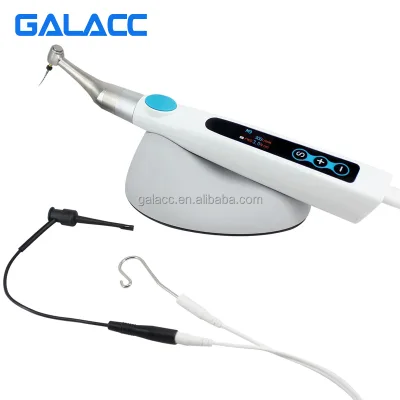
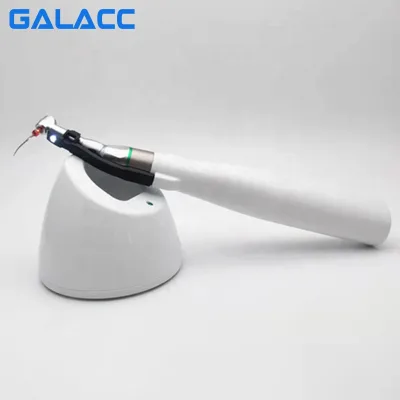
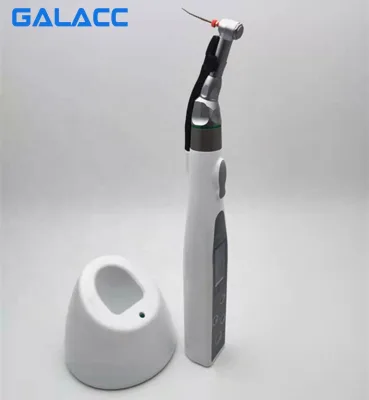


Comprehensive Sourcing Guide
Class II Dental Endo Motor Sourcing Guide
Procuring Class II dental endo motors requires a strategic balance between technical precision and regulatory compliance, as these devices are integral to root canal treatments. Buyers must recognize that while the core function remains consistent—providing controlled rotary motion for endodontic files—the specific implementations vary significantly across manufacturers. The observed market data indicates a diverse range of models, from the XLY-UM1 to the RX-EM-04, each offering distinct material compositions and power sources. Understanding these variations is crucial for aligning equipment with specific clinical workflows and budget constraints.
The classification of these instruments as Class II or Class I, as seen in the provided listings, directly impacts the regulatory pathway and safety standards required for market entry. Buyers should not assume that all wireless endo motors meet the same rigorous safety benchmarks, especially when comparing products originating from different regions such as Hebei or Guangdong in China. Verifying the instrument classification early in the sourcing process ensures that the selected device meets the necessary legal and clinical requirements for your specific jurisdiction, preventing costly compliance failures later in the procurement cycle.
Product Scope and Observed Listing Signals
The current market for wireless endo motors presents a wide spectrum of options, with observed prices ranging from $36 to $426 USD and minimum order quantities (MOQs) as low as one set. This variability suggests a highly competitive landscape where buyers can find entry-level units or more advanced systems depending on their immediate needs. The presence of customization options and multiple color choices, including blue, black, and white, indicates that suppliers are catering to branding preferences and aesthetic integration within clinical environments. Buyers should leverage this flexibility to negotiate terms that align with their inventory management strategies.
Material composition is another critical signal, with listings specifying PVC, plastic, steel, and metal components. These materials influence the durability, weight, and sterilization compatibility of the device. For instance, the single gross weight of units varies from 0.390 kg to 1.0 kg, reflecting differences in battery capacity and housing robustness. Buyers must carefully evaluate these physical attributes to ensure the device meets the ergonomic demands of daily use while maintaining structural integrity under repeated sterilization cycles, which is essential for long-term clinical reliability.
Technical Specifications to Verify
Voltage and power source specifications are paramount when selecting a dental endo motor, as inconsistencies can lead to operational failures or safety hazards. Listings reveal a mix of AC input voltages, such as AC110-220V and AC100-240V, alongside DC options like 5V via Micro USB. Buyers must verify that the charger input voltage matches their local electrical infrastructure to prevent damage to the device. Additionally, the main engine battery capacity, ranging from 800mAh to 950mAh, directly impacts the device's autonomy during procedures, making it a key factor for clinics with high patient volumes.
Model numbers and SKU identifiers, such as XLY-UM3, Y-smart, and RX-EM-04, serve as unique fingerprints for each product variant. Buyers should cross-reference these identifiers with the manufacturer’s technical datasheets to confirm compatibility with existing endodontic files and handpieces. The instrument classification, whether Class I or Class II, also dictates the level of precision and safety features required. Ensuring that the selected model aligns with the specific clinical applications, such as root canal treatment, is essential for achieving optimal therapeutic outcomes and minimizing procedural risks.
Compliance and Safety Documentation
Regulatory compliance is non-negotiable for Class II dental devices, and buyers must rigorously verify the certification status of each product. The presence of CE certification is a common baseline, but it is essential to confirm that the certification is valid and covers the specific model being purchased. Additionally, safety standards such as GB/T18830-2009 and ISO 13485:2016 provide critical insights into the manufacturing quality and safety protocols employed by the supplier. Buyers should request copies of these certificates to ensure they are current and issued by accredited bodies.
Beyond certifications, the warranty and after-sale service terms offer valuable indicators of supplier confidence in their products. A one-year warranty and online technical support are standard offerings, but buyers should clarify the scope of coverage and response times. The shelf life of three years for certain models suggests a stable product design, but buyers must also consider the availability of spare parts and consumables. Ensuring that the supplier provides comprehensive documentation, including user manuals and maintenance guides, is crucial for safe and effective operation in clinical settings.
Cost Drivers and Commercial Terms
The price range of $36 to $426 USD reflects significant differences in material quality, battery technology, and included accessories. Buyers should analyze the cost structure to understand what drives the price differential, such as the inclusion of multiple handpieces or advanced digital displays. The MOQ of one set allows for low-risk trial purchases, enabling buyers to assess performance before committing to larger orders. However, buyers should also consider the total cost of ownership, including shipping, import duties, and potential maintenance costs, which can significantly impact the overall budget.
Shipping terms and lead times are critical commercial factors that affect inventory planning and cash flow. The observation of "ASAP" shipment and cargo tracking services indicates a focus on logistical efficiency, but buyers should confirm actual lead times with the supplier. Packaging details, such as paper boxes or cartons, also play a role in protecting the device during transit. Buyers should negotiate clear terms regarding packaging standards and insurance coverage to minimize the risk of damage during shipping, ensuring that the device arrives in optimal condition for immediate clinical use.
Supplier Qualification and Quality Control
Supplier qualification is a critical step in mitigating procurement risks, especially when sourcing from regions like Hebei and Guangdong in China. Buyers should verify the supplier’s business license, manufacturing capabilities, and quality management systems. The presence of ISO 13485:2016 certification is a strong indicator of a robust quality control framework, but buyers should also assess the supplier’s track record and customer feedback. Engaging with suppliers who offer online technical support demonstrates a commitment to post-sale service, which is essential for resolving any operational issues promptly.
Quality control measures should extend beyond initial certification to include regular audits and performance testing. Buyers should request sample units for evaluation to assess build quality, battery life, and motor precision. The single package size and weight, such as 36X29X8 cm and 0.390 kg, provide insights into the packaging efficiency and handling requirements. Buyers should establish clear quality acceptance criteria and inspection protocols to ensure that the delivered products meet the specified standards, reducing the risk of receiving substandard equipment.
Long-Term Procurement Checks
Long-term procurement success depends on establishing a sustainable relationship with suppliers who can consistently deliver high-quality products. Buyers should monitor supplier performance metrics, such as delivery times, product defect rates, and responsiveness to inquiries. The availability of spare parts and consumables is crucial for maintaining the device’s operational readiness over its lifespan. Buyers should negotiate long-term supply agreements that include provisions for price stability and priority support, ensuring continuity of supply even during market fluctuations.
Continuous improvement and adaptation to technological advancements are essential for staying competitive in the dental equipment market. Buyers should stay informed about emerging trends in endodontic technology, such as improved battery efficiency or enhanced digital integration. Regularly reviewing the product portfolio and updating procurement strategies based on clinical feedback and technological developments will help maintain a competitive edge. By fostering a collaborative relationship with suppliers, buyers can ensure that their equipment remains at the forefront of dental care innovation, delivering optimal outcomes for patients and practitioners alike.
FAQs
What certifications do class ii dental endo motors have?
Class II dental endo motors typically carry CE certification and comply with ISO 13485:2016 safety standards. Some models also meet GB/T18830-2009 requirements. These certifications ensure the device meets international medical device safety and quality regulations for clinical use in oral surgery departments.
Which materials are used to build these dental motors?
These motors are constructed using a combination of plastic, steel, and metal components. The housing often features durable plastic while internal mechanisms utilize steel or metal parts. This material mix ensures the device remains lightweight yet robust enough for repeated root canal treatments in clinical settings.
Can I customize the color of the dental endo motor?
Yes, customization is available for the color of the dental endo motor. Buyers can typically choose from blue, black, or white options depending on the specific model and supplier capabilities. This flexibility allows clinics to match equipment aesthetics with their existing dental office branding or operational preferences.
What is the battery capacity for wireless endo motors?
Wireless endo motors generally feature battery capacities ranging from 800mAh to 950mAh. These lithium-ion batteries support the main engine voltage of 3.7V and provide sufficient power for extended root canal procedures. Charging times are typically around three hours using standard AC input voltages.
How does the warranty coverage work for these devices?
Most class II dental endo motors come with a standard one-year warranty covering manufacturing defects. Buyers also receive online technical support for troubleshooting and maintenance guidance. This after-sale service ensures that clinics can resolve operational issues quickly without needing to ship the device for repairs immediately.
What is the minimum order quantity for purchasing these motors?
The minimum order quantity for these motors is typically one set or one piece. This low MOQ allows clinics to test the equipment before committing to larger bulk orders. Suppliers often accept single-item purchases, making it accessible for small practices or those evaluating new technology for their dental departments.
Where are these dental endo motors manufactured?
These devices are manufactured in China, specifically in regions like Hebei and Guangdong. The production facilities adhere to international safety standards while maintaining competitive pricing. Buyers can expect cargo tracking and ASAP shipment options from these origins to ensure timely delivery to international dental supply chains.