Source Adjustable Temperature Ultrasound Gel Warmer for Clinics
Find 30 Adjustable Temperature Ultrasound Gel Warmer options from verified suppliers. Compare models like GW-210 and GW-220, featuring LCD or LED displays, CE/ISO certifications, and precise 34-40°C control for diagnostic and therapeutic use; compare the available evidence and request quotations based on your requirements.
Key considerations
Products List


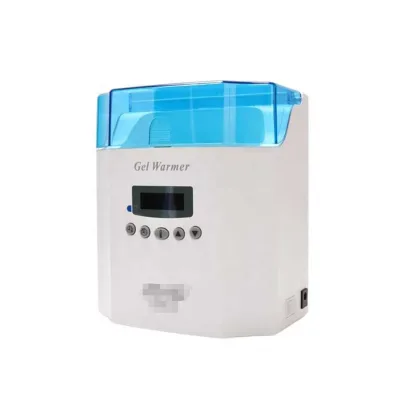
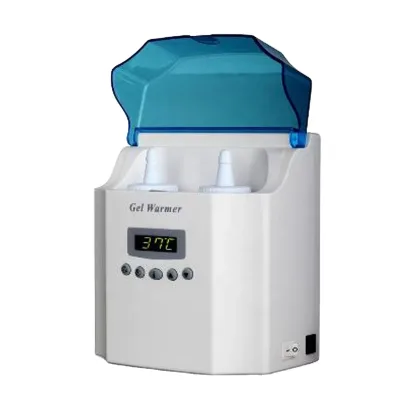


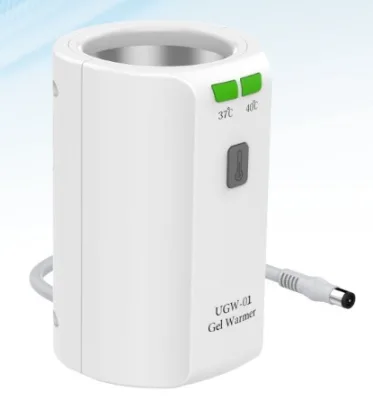


Ultrasound Gel Warmer with Digital Temperature Control Technology Yh-Gw100
$170.00 - $210.00
MOQ: 2 Pieces


Comprehensive Sourcing Guide
Adjustable Temperature Ultrasound Gel Warmer Sourcing Guide
Procurement teams must first distinguish between general gel warmers and specialized ultrasound units, as the core keyword implies specific clinical utility. The observed product data confirms that models like the GW-210 and GW-220 are explicitly categorized as ultrasound gel warmers, featuring ultrasonic theory integration and adjustable temperature control ranges between 34 and 40 degrees Celsius. Buyers should verify that the selected unit supports the specific mounting requirements of their facility, noting that some models offer wall and ultrasound machine mountability while others are designed for countertop use.
The market listing signals indicate a diverse range of capacities, with specific units designed to hold either one or two bottles, which directly impacts workflow efficiency in high-volume clinics. While some listings mention a "Small" scale, the physical dimensions vary significantly, with certain models measuring 190 by 170 by 110 millimeters and others at 180 by 95 by 95 millimeters. Sourcing decisions must align the physical footprint and bottle capacity with the available space in the treatment room to ensure the device does not obstruct clinical operations or patient access.
Product Scope and Observed Listing Signals
Buyers should prioritize units that explicitly state an adjustable temperature control range, as this is a critical differentiator for patient comfort and gel viscosity management. The available data highlights a precise operating window of 34 to 40 degrees Celsius with a temperature control accuracy of plus or minus 1 degree Celsius after heat balance. This level of precision ensures that the gel remains at an optimal consistency for ultrasound transmission without risking thermal injury to the patient, a key factor when evaluating product listings for clinical safety.
The observed product scope also includes variations in display technology, ranging from standard LCD displays to high-brightness LED indicators that enhance visibility in dimly lit examination rooms. Some advanced models feature programmable timers for switch-on and switch-off functions, which can automate the warming process and reduce manual monitoring requirements for medical staff. Procurement teams must verify that the chosen model includes these specific interface features to ensure seamless integration into daily clinical routines and to minimize operator error during gel preparation.
Technical Specifications to Verify
Technical verification must begin with the heating structure, as the efficiency of gel warming depends heavily on the design of the heating element. The supplied facts confirm the existence of a 360-degree surround heater unit, which ensures uniform temperature distribution throughout the gel bottle and prevents hot spots that could degrade the gel quality. Buyers should request detailed schematics or performance data to confirm that the selected model utilizes this specific heating architecture rather than a simpler, less efficient heating method.
Power supply compatibility and physical weight are also essential technical parameters that require strict verification before finalizing a purchase order. The observed specifications indicate a power requirement of AC 100 to 240 volts at 50 or 60 hertz, which is suitable for international deployment, yet the weight varies from 550 grams to 650 grams depending on the model. Procurement teams must ensure that the power cord length and plug type match the local electrical infrastructure and that the device weight is manageable for the intended mounting location, whether on a wall or a mobile cart.
Compliance and Safety Documentation
Compliance verification is paramount when sourcing medical devices, and the observed listings provide a clear hierarchy of certification standards that must be validated. The data indicates that products may carry certifications such as CE, ISO, ISO13485, and FDA, with some listings specifically mentioning ISOFDA or ISOEEC. Buyers must demand current, verifiable certificates for the specific model number being purchased, as the presence of a general certification does not guarantee that every unit in a batch meets the required safety and quality standards for medical use.
Safety documentation should also include evidence of adherence to international standards like TUV and specific national regulations such as Sfda. The product standards listed often reference CE and ISO, but procurement teams must confirm that the specific model, such as the GW-02 or GW-210, has been tested and certified under these exact standards. Relying on general claims without specific model-level documentation can lead to regulatory non-compliance, so buyers should insist on a certificate of conformity that explicitly names the model and the applicable safety directives.
Cost Drivers and Commercial Terms
Cost drivers in this category are heavily influenced by the complexity of the temperature control system and the inclusion of advanced features like programmable timers. Units with digital temperature control technology and high-brightness LED displays typically command a higher price point compared to basic models with simple LCD interfaces. Buyers should analyze the total cost of ownership, considering that higher initial investment in a unit with precise control accuracy may reduce gel waste and improve patient outcomes over the long term.
Commercial terms such as lead time and minimum order quantity (MOQ) vary significantly across the observed market, with lead times ranging from within 7 days to longer periods depending on customization. The observed MOQ ranges from 1 to 100 units, allowing flexibility for small clinics or large hospital chains, but customization availability can extend lead times and increase unit costs. Procurement teams must negotiate clear terms regarding shipping, packaging standards like strong cartons or 5 sets per carton, and warranty periods, which are typically listed as 12 months, to protect against early equipment failure.
Supplier Qualification and Quality Control
Supplier qualification requires a rigorous assessment of the manufacturing origin and the consistency of their quality control processes. The data indicates that products originate from China, with specific mentions of Shanghai as a production hub, suggesting a concentration of manufacturing expertise in this region. Buyers should verify the supplier's ability to maintain consistent quality across batches, especially given the variation in model numbers and specifications, to ensure that every unit delivered meets the advertised technical and safety standards.
Quality control checks must extend beyond the initial product inspection to include the packaging and labeling integrity. The observed listings mention strong packing and specific carton configurations, which are critical for preventing damage during transit and ensuring that the device arrives in perfect working condition. Procurement teams should request a quality assurance plan that details how the supplier tests the heating structure and temperature accuracy before shipment, ensuring that the final product matches the specifications provided in the initial product listing.
Long-Term Procurement Checks
Long-term procurement success depends on establishing a reliable supply chain that can support future maintenance and potential model upgrades. Buyers should verify the availability of spare parts and the supplier's commitment to supporting the product lifecycle, particularly for models with digital controls and specific heating structures that may require specialized replacement components. A robust after-sales support agreement is essential to minimize downtime in clinical settings where gel warming is a critical part of the patient care workflow.
Regular performance audits should be conducted to ensure that the devices continue to operate within the specified temperature range and accuracy limits over time. The initial observation of a 34 to 40-degree Celsius range with plus or minus 1-degree accuracy must be validated periodically to confirm that the heating elements have not degraded. Procurement teams should establish a schedule for recalibration and maintenance checks, ensuring that the equipment remains compliant with safety standards and continues to provide the consistent performance required for effective ultrasound therapy.
FAQs
What is the adjustable temperature range for these gel warmers?
The adjustable temperature range is typically 34 to 40 degrees Celsius. This precise control ensures the ultrasound gel remains at a comfortable warmth for patients during examinations. The system maintains this range with an accuracy of plus or minus 1 degree Celsius after heat balance is achieved, providing consistent performance for clinical use.
Which certifications are required for hospital gel warmers?
Common certifications include CE, ISO, ISO 13485, FDA, and TUV. These standards ensure the device meets international safety and quality requirements for medical equipment. Buyers should verify specific certificates like ISOCE or ISOFDA depending on their regional regulatory needs to ensure compliance and safe operation in healthcare facilities.
Can the gel warmer be mounted on ultrasound machines?
Yes, many models support both wall mounting and direct attachment to ultrasound machines. This flexible mounting option allows for convenient placement in examination rooms. The compact design, often measuring around 190 by 170 by 110 mm, ensures it fits seamlessly into existing clinical setups without occupying excessive counter space.
What is the typical lead time for ordering these devices?
The standard lead time is within 7 days for most orders. This rapid turnaround supports urgent procurement needs for clinics and hospitals. Buyers should confirm specific delivery schedules with suppliers, as expedited shipping or custom packaging requests may slightly alter the final delivery date for international shipments.
How many bottles can the gel warmer hold?
Capacity varies by model, with options for holding one or two bottles. Some units are designed for small-scale use, while others accommodate larger volumes. The internal heating structure ensures uniform warming for the gel, maintaining the desired temperature regardless of the number of bottles placed inside the unit during operation.
Is customization available for these ultrasound gel warmers?
Customization is available for many manufacturers, allowing for tailored specifications. Buyers can often request specific packaging, branding, or minor design adjustments to meet institutional requirements. This flexibility ensures the device aligns with specific hospital protocols or aesthetic preferences while maintaining core functional performance and safety standards.