Source Class II Laparoscopic CO2 Insufflator for Surgery
Find 30 Class II Laparoscopic CO2 Insufflator options for clinical surgical operations. Compare electric models with touch screens, sterilization features, and medical grade CO2 flow rates from verified manufacturers; compare the available evidence and request quotations based on your requirements.
Key considerations
Products List


Geiwre Medical Gas CO2 Laparoscopic Insufflator with Heating Function
$1000.00 - $5000.00
MOQ: 1 Pieces


CE ISO Certified CO2 Insufflator for Laparoscopic Abdominal Surgical Procedures
$1000.00 - $5000.00
MOQ: 1 Pieces

Advanced CO2 Laparoscopy Insufflator with Integrated Heating Smoke Function
$1000.00 - $5000.00
MOQ: 1 Pieces

Laparoscopic CO2 Insufflator Veterinary Equipment CO2 Insufflator for Laparoscopy
$1500.00 - $2500.00
MOQ: 1 Pieces

$3000.00 - $4000.00
MOQ: 1 Pieces

40L CO2 Insufflator for Laparoscopy Surgery Laparoscopic Instrument Equipment CF-40
$2600.00 - $3200.00
MOQ: 1 Pieces

Insufflator Laparoscopy CO2 Insufflator Endoscopy Gas Insufflator CF-40
$2600.00 - $3200.00
MOQ: 1 Pieces

Veterinary Medical Equipment Laparoscopy CO2 Insufflator Endoscopy Gas Insufflator CF-10
$1600.00 - $2800.00
MOQ: 1 Pieces

Laparoscopic Equipment CO2 Gas Insufflator, Insufflator CO2 Laparoscopy for Dogs and Cats
$3000.00 - $4000.00
MOQ: 1 Pieces

Sy-P012-4 Laparoscopic CO2 Insufflator Medical Equipment CO2 Insufflator
$799.00 - $1579.00
MOQ: 1 Pieces

Sy-P012-4 Laparoscopic CO2 Insufflator Medical Equipment CO2 Insufflator
$390.00 - $1890.00
MOQ: 1 Pieces

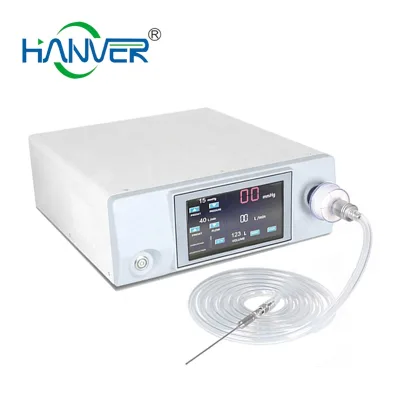
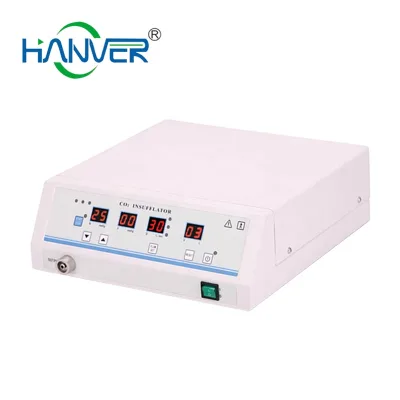

IN-Q400 Laparoscopic Co2 Insufflator Medical Equipment Co2 Insufflator For Laparoscopy
$100.00 - $1000.00
MOQ: 1 Pieces
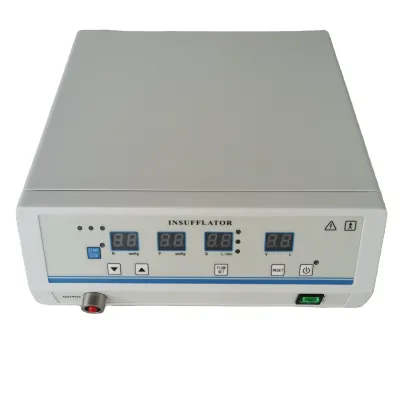


Medical & Veterinary CO2 Laparoscopic Insufflator with Heating Option
$800.00 - $1500.00
MOQ: 1 Pieces


Comprehensive Sourcing Guide
Class II Laparoscopic CO2 Insufflator Sourcing Guide
Procurement of Class II laparoscopic CO2 insufflators requires careful evaluation of devices designed specifically for surgical operations where precise gas flow management is critical. These electric instruments typically feature reusable components and are engineered to maintain abdominal cavity pressure within specific ranges, such as 0-25mmhg or 5-25mmhg, to ensure patient safety during minimally invasive procedures. Buyers must prioritize models that explicitly state their application for clinical settings and confirm the use of medical grade CO2 to prevent contamination risks.
When evaluating listings, buyers should note that observed price points vary significantly, ranging from 100 to 9729 USD, which often reflects differences in feature sets like heating capabilities or advanced touch screen interfaces. While some units offer customizable configurations, others come with standard specifications like a 7-inch LCD touch panel or specific flow rates between 10 and 30 L/Min. It is essential to verify that the listed product matches the intended surgical workflow, particularly regarding the inclusion of disposable accessories like vacuum blood sampling needles or sterile syringes.
Product Scope and Observed Listing Signals
The market for these insufflators includes models with distinct operational characteristics, such as the GEV-450 or CF-10 series, which often feature auto-control breathing patterns and overpressure alarms to protect the patient. Listings frequently highlight the material composition as metal, ensuring durability, while the packaging is typically described as cartons or air/sea freight options depending on the supplier's logistics. Buyers should scrutinize the product origin, as many units are manufactured in Guangdong, China, and must confirm if the device includes optional extras like smoke extraction or heating elements for enhanced surgical utility.
Observations indicate that flow rates are a primary differentiator, with some devices supporting set flows of 10, 20, or 30 L/Min and actual flows up to 30 L/Min, while others may offer higher capacities like 30L, 40L, or 50L. The presence of a touch screen interface is common, often paired with a 7-inch LCD display for intuitive control during complex procedures. Procurement teams must distinguish between standard and customized units, as the availability of customization can significantly impact the lead time and final configuration of the instrument delivered to the facility.
Technical Specifications to Verify
Technical verification must begin with the electrical input requirements, as many units operate on AC220+-22V and require stable power sources to maintain consistent pressure control. Buyers should confirm the working pressure range aligns with surgical needs, typically falling between 0-25mmhg or 5-25mmhg, and ensure the device includes an alarm system for overpressure of the abdominal cavity. The gas flow capability is critical, with specifications often citing a filtration rate of at least 90% for particles greater than 0.5um, ensuring the delivered gas is safe for internal use.
Dimensional and physical attributes also require strict validation, as standard product dimensions can vary from 584833cm to 665022cm, affecting storage and transport logistics. The tube length is another vital specification, with some models offering a standard length of (2500+20)mm, which must be sufficient for the specific surgical setup. Additionally, the shelf life of the device and its associated disposable components, such as the syringe or needle, should be confirmed, as some listings indicate a shelf life of one year for specific consumables included with the main unit.
Compliance and Safety Documentation
Regulatory compliance is paramount for Class II medical devices, and buyers must verify that the product holds valid certifications such as FDA, ISO, or CE, which are frequently listed in product attributes. The safety standard GB15979-2002 is explicitly mentioned for certain models, indicating adherence to specific hygiene and safety protocols required for surgical instruments. Procurement teams should request current certification documents to ensure the device meets the regulatory requirements of the destination country, as the presence of a CE mark alone does not guarantee compliance with all local medical device laws.
Instrument classification is another critical compliance factor, with these devices generally categorized as Class II, requiring specific regulatory oversight before clinical use. Buyers should confirm that the supplier provides a declaration of conformity and that the device is intended for surgical operations as stated in the product description. It is also necessary to verify that the sterilization process is clearly defined, as the product attributes often list "Sterilization" as a key feature, ensuring the device is safe for repeated use in sterile environments.
Cost Drivers and Commercial Terms
Pricing for these insufflators is influenced by the complexity of the features, such as the inclusion of a touch screen, heating elements, or advanced filtration systems, which can drive costs from the lower end of the observed range up to nearly 10,000 USD. The minimum order quantity (MOQ) is typically low, often starting at 1 unit, allowing for flexible procurement strategies for smaller clinics or hospitals. However, buyers should be aware that customization options, such as specific branding or modified flow settings, may incur additional costs and extend the production timeline.
Commercial terms regarding shipping and packaging are equally important, as products are often packed in cartons and shipped via air or sea freight depending on the urgency and volume of the order. The origin of the product, frequently Guangdong, China, impacts logistics costs and lead times, which buyers must factor into their total cost of ownership calculations. It is advisable to negotiate clear terms regarding the delivery of optional extras like smoke extraction units, as these add-ons can significantly alter the final invoice amount and shipping requirements.
Supplier Qualification and Quality Control
Supplier qualification should focus on manufacturers who demonstrate a clear track record in producing Class II medical devices with documented quality control processes. Buyers must verify that the supplier adheres to recognized standards and can provide evidence of their manufacturing capabilities, particularly for devices with complex electronic components like touch panels and pressure sensors. The presence of a brand name, such as Sunnymed, on the product listing can serve as an initial indicator of manufacturer identity, but deeper due diligence is required to confirm their reputation and reliability.
Quality control checks should include a review of the product's physical attributes, such as the metal construction and the precision of the pressure control mechanisms. Buyers should request sample units or detailed test reports to verify that the flow rates and pressure ranges match the advertised specifications before committing to a large order. Additionally, the supplier's ability to provide after-sales support and spare parts, such as replacement tubes or filters, is crucial for maintaining the operational readiness of the insufflator in a clinical setting.
Long-Term Procurement Checks
Long-term procurement success depends on establishing a reliable supply chain for consumables and spare parts, as the insufflator relies on disposable items like sterile syringes and vacuum blood sampling needles for each procedure. Buyers should verify the shelf life of these consumables, noting that some items may have a one-year expiration, and ensure the supplier can provide consistent stock to avoid interruptions in surgical schedules. The availability of optional extras, such as heat or smoke extraction modules, should also be confirmed to ensure they remain compatible with the main unit over time.
Regular audits of the device's performance and safety features are essential to maintain compliance and patient safety throughout the product's lifecycle. Buyers should implement a schedule for checking the calibration of pressure controls and the integrity of the air filtration system, which must maintain a rate of at least 90% for particles larger than 0.5um. Establishing a clear communication channel with the supplier for technical support and updates on regulatory changes will help ensure the insufflator remains a safe and effective tool for surgical operations in the long term.
FAQs
What certifications does the Class II Laparoscopic CO2 Insufflator have?
The device holds FDA and ISO CE certifications, ensuring compliance with international medical standards. These credentials verify that the equipment meets rigorous safety and quality requirements for clinical use. Buyers can rely on these documented approvals when sourcing surgical instruments for hospital environments or operating theaters requiring validated medical technology.
How is the pressure controlled during surgical operations?
Pressure control ranges from 5 to 25 mmHg, allowing precise regulation of the abdominal cavity. The system features an overpressure alarm to prevent complications during procedures. This adjustable range ensures safe insufflation levels, protecting patient safety while maintaining optimal visibility for surgeons performing laparoscopic interventions in clinical settings.
Can the insufflator be customized for specific hospital needs?
Yes, customization is available to meet specific institutional requirements. Manufacturers offer tailored solutions for clinical applications, including branding and functional adjustments. This flexibility allows hospitals to integrate the device seamlessly into their existing surgical workflows, ensuring that the equipment aligns perfectly with their operational protocols and specific medical demands.
What is the power type and input voltage for this device?
The insufflator operates on electric power with an input voltage of AC220+-22V. This standard electrical requirement ensures compatibility with most hospital power systems. The electric power type supports consistent performance during long surgical procedures, providing reliable operation without the need for gas cylinders or alternative energy sources in the operating room.
What is the minimum order quantity for purchasing this equipment?
The minimum order quantity is one unit, allowing flexible procurement for individual hospitals or clinics. This low MOQ reduces initial investment risks for buyers testing the equipment. It enables institutions to acquire the Class II Laparoscopic CO2 Insufflator without committing to large bulk orders, facilitating easier adoption and evaluation of the technology.
Where is the Class II Laparoscopic CO2 Insufflator manufactured?
The device is manufactured in Guangdong, China, a major hub for medical equipment production. This location ensures access to established supply chains and manufacturing expertise. Buyers sourcing from this region benefit from efficient logistics and competitive pricing, while maintaining access to high-quality medical devices that meet international standards for surgical instrumentation and clinical use.