Source Class Ii Homecare Electric Wheelchair for Mobility
Explore 30 verified class ii homecare electric wheelchair options from Chinese manufacturers. Compare specifications like motor power, battery capacity, and folding designs to find suitable mobility solutions for indoor and outdoor rehabilitation therapy supplies; compare the available evidence and request quotations based on your requirements.
Key considerations
Products List


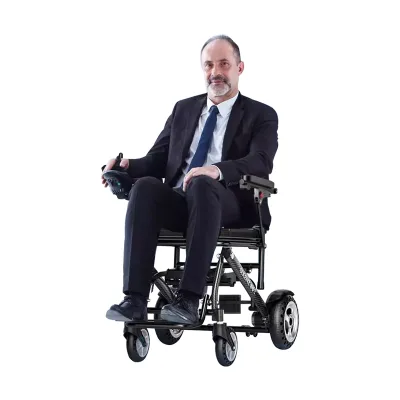

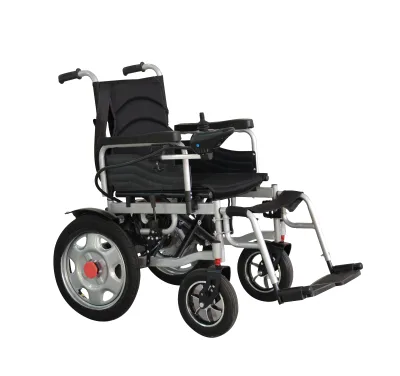

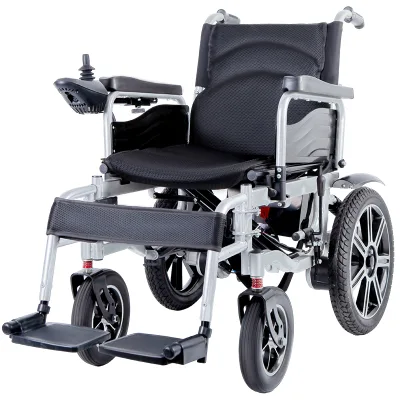


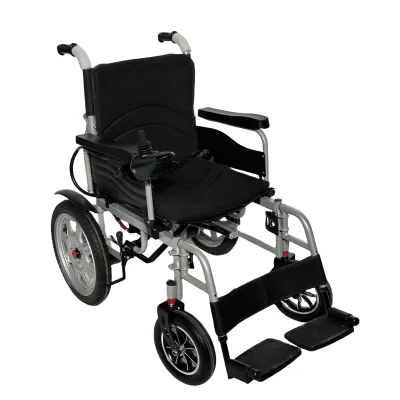


Comprehensive Sourcing Guide
Class II Homecare Electric Wheelchair Sourcing Guide
Procuring Class II homecare electric wheelchairs requires distinguishing between standard mobility aids and devices intended for therapeutic rehabilitation. The observed market listings indicate a clear split between non-tilted models designed for general daily transport and tilted variants specifically engineered for pressure relief and postural support. Buyers must carefully align their procurement strategy with the specific regulatory classification of the device, as Class II devices often involve higher scrutiny regarding electrical safety and mechanical stability compared to simpler manual alternatives.
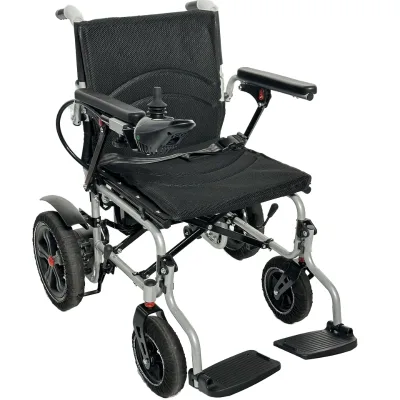
The product landscape reveals distinct configurations, including folding frames for portability and rigid structures for enhanced durability. Listings show variations in leg rest types, ranging from separate side supports to across-both-sides designs, which directly impacts the user's comfort and the device's suitability for specific homecare environments. Understanding these physical distinctions is critical before engaging suppliers, as the wrong configuration can lead to significant logistical challenges and user dissatisfaction upon delivery.
Product Scope and Observed Listing Signals
The available inventory demonstrates a wide range of customization options, with suppliers offering specific color choices and tailored frame materials to meet diverse aesthetic and functional requirements. High-strength iron and steel frames are prevalent, providing the necessary structural integrity for users with weight capacities up to 130kg. This material selection ensures that the wheelchair can withstand daily use in home settings while maintaining a lightweight profile for easier handling by caregivers or family members.
Battery and motor specifications vary significantly across the observed listings, with common configurations featuring dual 250W motors and 24V 12Ah battery systems. These powertrain choices typically support an endurance range of 20 to 25 kilometers on a single charge, which is sufficient for most indoor and limited outdoor homecare applications. Buyers should verify the specific charging time requirements, as some models indicate a 6 to 8-hour charging cycle, which may influence operational planning for facilities with limited charging infrastructure.
Technical Specifications to Verify
Dimensional accuracy is paramount when selecting a wheelchair for home environments, as the folded and packed sizes must fit through standard doorways and into vehicle trunks. Observed data shows folded dimensions ranging from approximately 82cm to 88cm in length, with widths varying between 39cm and 43cm. Procurement teams must cross-reference these measurements against the specific architectural constraints of the end-user's residence to ensure the device can be transported and stored without modification to the property.
Seat and wheel sizing directly influence user comfort and maneuverability, with seat widths typically around 50cm and wheel options including 10-inch or 16-inch configurations. The choice of wheel size affects the device's ability to navigate different terrains, such as thresholds or uneven flooring, while the seat dimensions must accommodate the user's body type to prevent pressure sores. Verifying the exact seat size and wheel diameter against the user's physical needs is essential before finalizing any purchase order.
Compliance and Safety Documentation
Regulatory compliance is a non-negotiable aspect of sourcing Class II medical devices, with CE and ISO certifications appearing consistently across the product listings. These certifications indicate that the manufacturer has met specific European and international standards for electrical safety and quality management systems. Buyers must request valid, up-to-date certificates for each model to ensure that the devices are legally marketable in their target regions and have undergone rigorous testing for electrical and mechanical hazards.
Beyond general certifications, specific product standards and testing reports are necessary to validate the safety claims made by suppliers. The observed listings reference ISO and CE standards, but buyers should demand detailed test reports that cover battery safety, motor performance, and structural load testing. Ensuring that the documentation explicitly covers the specific model number being purchased prevents the risk of receiving non-compliant units that could pose safety risks to vulnerable users.
Cost Drivers and Commercial Terms
Pricing in this sector is influenced by the complexity of the customization, the quality of the battery system, and the specific motor configuration. The observed price range spans from 160 to 2180 USD, reflecting the difference between basic models and those with advanced features like tilt mechanisms or specialized folding designs. Buyers should analyze the cost per unit against the expected lifespan and maintenance requirements to determine the true value proposition of each option.
Minimum Order Quantities (MOQ) and payment terms vary by supplier, with some accepting orders as low as one unit while others require a minimum of 100 pieces. The flexibility of MOQs is particularly important for smaller healthcare providers or individual purchasers who may not have the volume to meet higher thresholds. Negotiating favorable commercial terms, including warranty periods of up to 24 months and clear return policies, is essential to mitigate the financial risks associated with bulk procurement.
Supplier Qualification and Quality Control
Supplier location and manufacturing capability are key indicators of reliability, with major production hubs identified in Jiangsu and Zhejiang provinces in China. These regions have established supply chains for electric mobility devices, offering access to high-quality components and experienced assembly lines. Buyers should verify the supplier's production capacity and history to ensure they can consistently deliver products that meet the specified technical and quality standards.
Quality control processes must be robust, covering everything from raw material inspection to final product testing before packaging. The use of corrugated boxes and cartons for packing suggests a focus on protecting the product during transit, but buyers should also inquire about in-process quality checks and final acceptance testing protocols. Establishing a clear quality assurance framework with the supplier helps prevent defects and ensures that every unit delivered meets the agreed-upon specifications.
Long-Term Procurement Checks
Sustainability and after-sales support are critical factors for long-term procurement success, as electric wheelchairs require ongoing maintenance and potential part replacements. The observed warranty periods of 24 months provide a baseline for support, but buyers should negotiate extended service agreements to cover the device's entire operational life. Ensuring that spare parts, such as batteries and motors, are readily available is essential to minimize downtime for users who rely on these devices for daily mobility.
Regular performance audits and user feedback loops should be integrated into the procurement strategy to monitor the long-term reliability of the devices. Tracking metrics such as battery degradation, motor efficiency, and frame integrity over time allows buyers to identify potential issues early and address them proactively. Building a strong partnership with the supplier based on continuous improvement and open communication ensures that the procurement strategy remains effective and responsive to changing user needs.
FAQs
What certifications do these electric wheelchairs hold?
These electric wheelchairs hold CE and ISO certifications, ensuring compliance with international safety and quality standards. Some models also feature RoHS certification, indicating restricted hazardous substances. Buyers should verify specific documentation for each unit to confirm regulatory adherence for their target market.
What is the battery capacity and endurance range?
The wheelchairs are equipped with a 24V 12ah battery, providing an endurance range of 20-25km per charge. Charging typically requires 6-8 hours. This capacity supports daily indoor and outdoor use, making it suitable for rehabilitation therapy supplies and general mobility assistance for disabled users.
Can the wheelchairs be customized for specific needs?
Yes, customization is available for these electric wheelchairs. Buyers can request customized colors, including red, black, orange, blue, or other options. OEM and ODM services are accepted, allowing for tailored designs. This flexibility supports specific branding or functional requirements for different end-users and markets.
What is the maximum weight capacity for these units?
The maximum weight capacity for these electric wheelchairs is 130kg. This limit ensures structural integrity and safe operation for users within this range. The frame is constructed from high-strength iron and steel, providing durability. Buyers should confirm specific model limits as variations may exist across different product lines.
What are the packaging dimensions for shipping?
Packaging sizes vary by model, typically ranging from 82x40x71cm to 92x43x83cm. Units are packed in cartons or corrugated boxes for protection. Net weights exclude batteries, while gross weights include packaging. These dimensions help logistics planners estimate container space and shipping costs accurately for bulk orders.
Are these wheelchairs suitable for both indoor and outdoor use?
Yes, these electric wheelchairs are designed for both indoor and outdoor use. They feature wheel drive principles and robust motors, such as 250W*2 configurations. The folding design and leg rest options enhance versatility. Buyers should consider terrain and storage needs when selecting specific models for their applications.