Source Claw Setting Engraved Anklet for Gifts, Decor, and Health
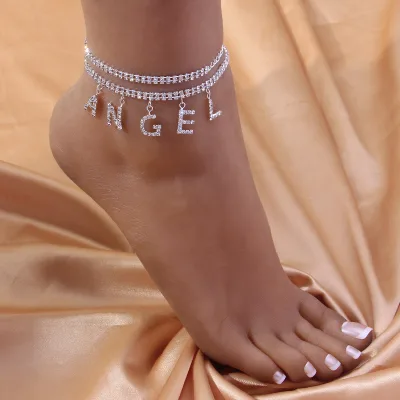
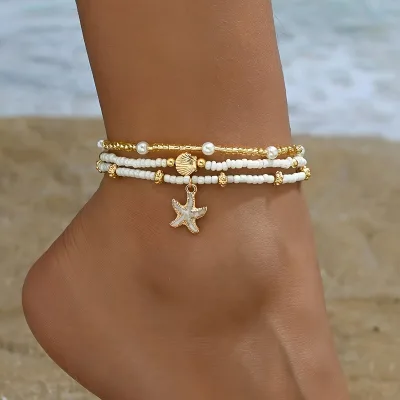
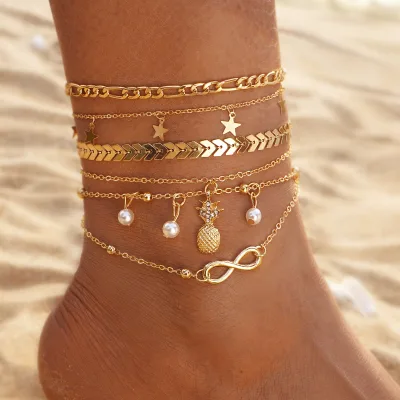
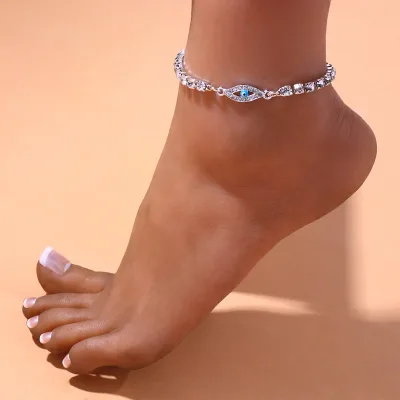
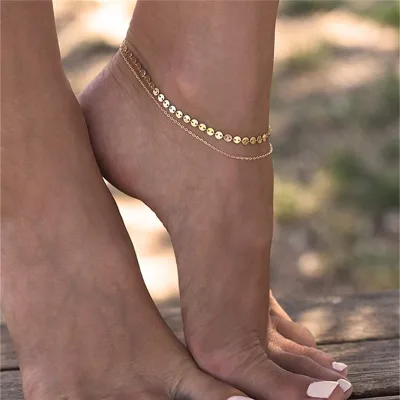
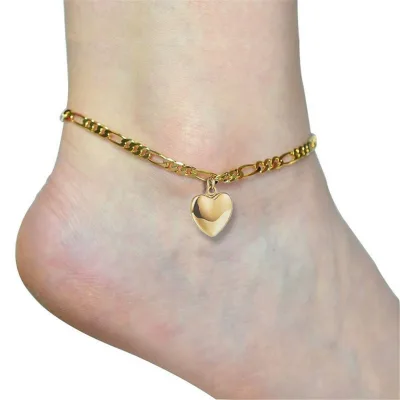
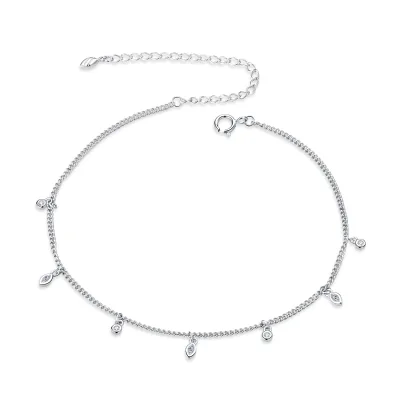
Compare 30 listings for the Claw Setting Engraved Anklet featuring gold plating, alloy materials, and snake or starfish designs. Buyers can evaluate customization options, MOQs, and shipping methods from verified Chinese manufacturers.
Key considerations
Products List

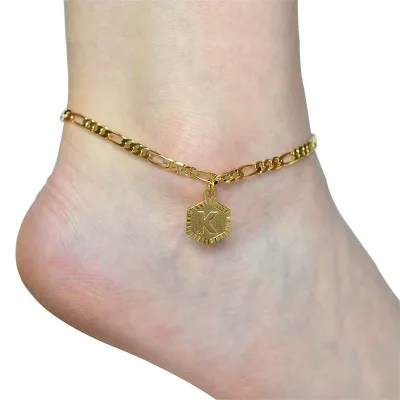


Bohemian Style Woven Rope Anklet Adjustable Color Women's Anklet Fashion Jewelry
$0.75 - $0.89
MOQ: 12 Pieces

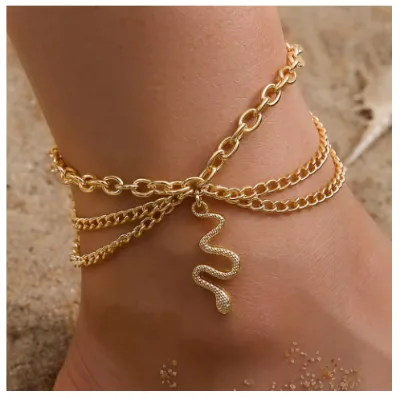
Bohemia Multilayered Lock Snake Chain Anklet Gold Butterfly Shell Anklets
$0.99 - $1.19
MOQ: 12 Pieces

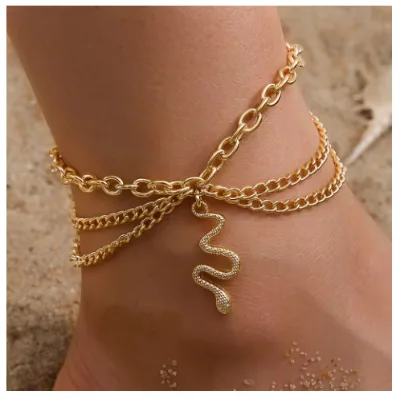
Bohemia Multilayered Lock Snake Chain Anklet Gold Butterfly Shell Anklets
$0.92 - $1.12
MOQ: 12 Pieces

Fashion Alloy Butterfly Pendant Anklet Open Snake-Shaped Love Pearl Anklet
$0.99 - $1.19
MOQ: 12 Pieces

Double Layer Butterfly Anklet Ladies Vintage Handmade Beach Chain Leg Anklet
$1.05 - $1.25
MOQ: 12 Pieces
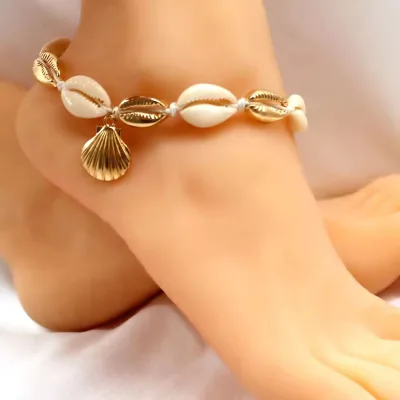
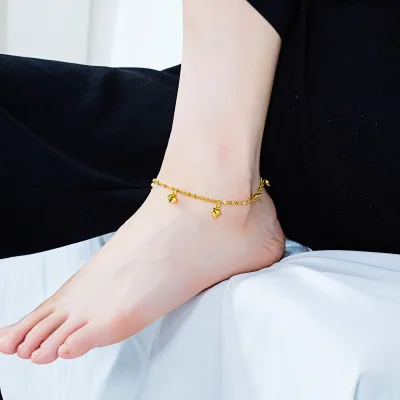

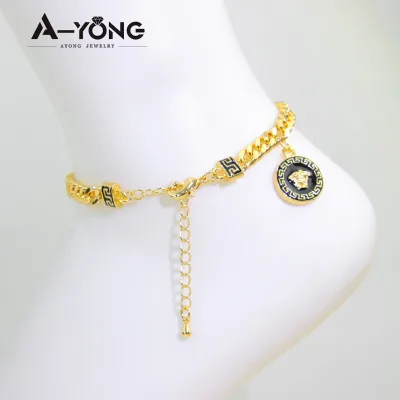
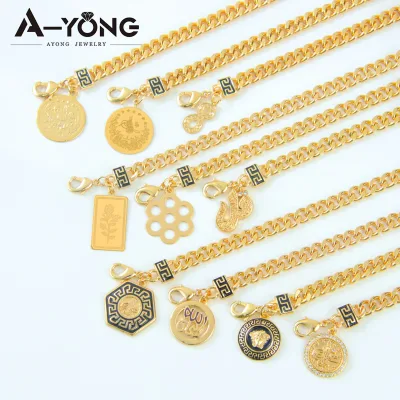
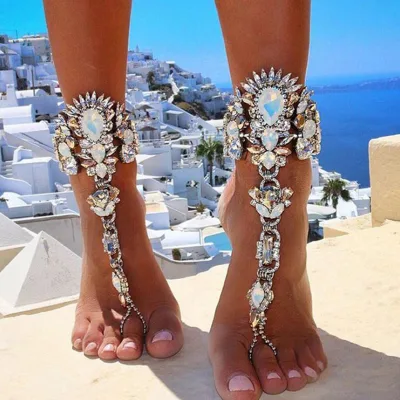
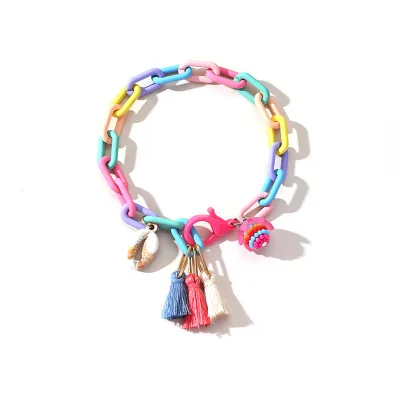
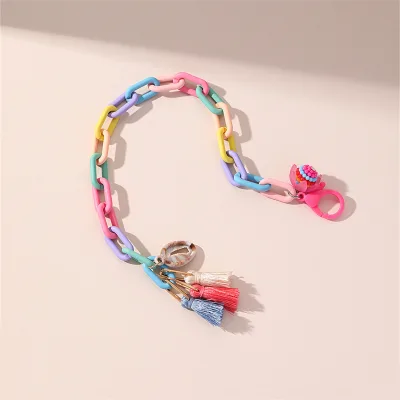
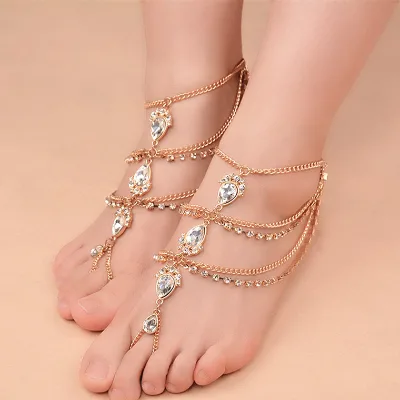


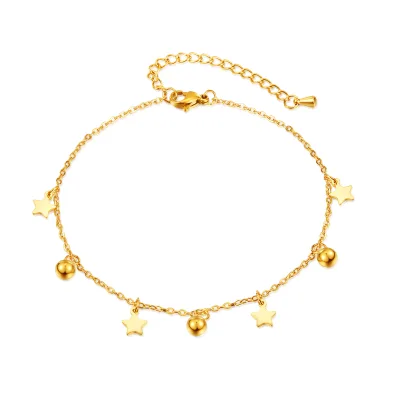

Comprehensive Sourcing Guide
Claw Setting Engraved Anklet Sourcing Guide
Sourcing claw setting engraved anklets requires a nuanced understanding of both the aesthetic demands of fashion jewelry and the technical realities of mass production. This specific style combines the secure, vintage-inspired hold of a claw setting with the intricate detailing of engraving, creating a piece that balances durability with high-end visual appeal. Buyers must navigate a market where "claw setting" often refers to the prong mechanism holding decorative elements, while "engraved" describes the surface texture of the metal base. The intersection of these two features creates a unique product category that appeals to buyers seeking trendy, statement pieces for informal occasions and gift markets.
The procurement landscape for these items is characterized by a high degree of customization and a wide variance in material quality. While the core keyword suggests a specific design, the actual supply base often includes variations in metal type, plating thickness, and stone or decorative inlay methods. Buyers need to distinguish between products that use genuine gemstones in claw settings versus those that use alloy or stainless steel bases with engraved patterns and simulated stones. Understanding these distinctions is critical for accurate cost estimation and for setting realistic expectations with end consumers regarding durability and aesthetic longevity.
Product Scope and Observed Listing Signals
The observed market signals indicate a broad range of products that may loosely align with the core keyword, though strict adherence to "claw setting" and "engraved" details varies significantly. Listings frequently feature alloy-based anklets with gold or silver plating, often marketed under generic terms like "jewelry necklace" or "anklet" despite the specific design intent. The presence of terms such as "snake," "starfish," and "shell" patterns suggests that the engraved or molded designs are often thematic rather than purely geometric. Buyers should be cautious of listings that claim "claw setting" but display images of welded or glued decorative elements, as the structural integrity of true claw settings is a key differentiator in quality.
Price and minimum order quantity (MOQ) data reveal a fragmented supply chain with significant variability. The observed price range of $0.49 to $7.36 USD reflects the disparity between low-cost alloy pieces and higher-quality stainless steel or thicker-plated options. MOQs ranging from 1 to 200 pieces indicate that many suppliers are willing to accommodate small trial orders, which is beneficial for testing market response. However, the presence of specific model numbers like HDX20123002 and WTKJ-120 suggests that some suppliers operate with established SKUs rather than purely custom designs. Buyers must verify if the "claw" elements are integral to the mold or added as separate components, as this impacts both the unit cost and the assembly complexity.
Technical Specifications to Verify
Verifying the technical specifications of claw setting engraved anklets requires a close examination of the metal composition and the plating process. The supplied facts highlight materials such as alloy and stainless steel, with plating options including gold and silver. Buyers must confirm the thickness of the plating, as thin plating on alloy bases can lead to rapid fading, whereas stainless steel offers better longevity. The "fade-proof warranty" mentioned in some listings is a critical indicator of plating quality, but buyers should request specific details on the plating method, such as electroplating versus PVD coating, to ensure the engraved details remain visible and the claw settings do not tarnish quickly.
The dimensional and structural specifications are equally important for ensuring the anklet meets quality standards. The observed standard of H 275MM Width 10mm provides a baseline for size, but buyers must verify if this refers to the chain length or the width of the decorative element. The "micro insert" inlay technology mentioned in some contexts suggests that small decorative stones or elements are held in place, which aligns with the claw setting concept. Buyers should request detailed drawings or 3D models to confirm the prong count and the depth of the engraving, ensuring that the design is not merely surface-level but has the tactile depth associated with true engraved pieces.
Compliance and Safety Documentation
Compliance with safety standards is non-negotiable for jewelry products, particularly those involving metal alloys and potential skin contact. The supplied facts explicitly mention that products are "Nickel & Lead Free," which is a crucial compliance marker for markets in Europe, North America, and other regions with strict chemical regulations. Buyers must verify that this claim is backed by third-party testing reports, as self-declaration is insufficient for high-volume procurement. The presence of heavy metals like nickel can cause allergic reactions, making it essential to ensure that both the base metal and the plating are compliant with relevant standards such as REACH in the EU or CPSIA in the US.
Beyond chemical safety, buyers should also consider the physical safety of the claw setting mechanism. Prongs that are too sharp or poorly finished can snag on clothing or cause minor injuries, which is a significant liability risk. Buyers should request samples to physically inspect the finish of the claws and the engraved edges, ensuring they are smooth and safe for wear. Additionally, the "OEM&ODM" and "customized" nature of many listings means that design changes can inadvertently introduce safety hazards, so any custom modifications must be reviewed for compliance with general product safety directives.
Cost Drivers and Commercial Terms
The cost of claw setting engraved anklets is driven primarily by the base material, plating quality, and the complexity of the manufacturing process. Alloy bases are generally more cost-effective but require higher-quality plating to achieve a premium look, while stainless steel bases offer better durability at a higher initial cost. The "micro insert" inlay technology and the precision required for claw settings add labor and tooling costs, which can significantly impact the unit price. Buyers should analyze the cost breakdown to understand how much of the price is attributed to material versus labor, as this can help in negotiating better terms for larger orders.
Commercial terms such as MOQ, lead time, and shipping methods also play a significant role in the total cost of ownership. The observed MOQ of 100 pieces for some items suggests that smaller orders may incur higher per-unit costs due to setup fees. Shipping options like DHL, UPS, and FedEx offer speed but at a premium, while EMS may be a more cost-effective alternative for less urgent shipments. Buyers should negotiate clear terms for customization, including any additional fees for mold creation or design adjustments, to avoid unexpected costs during the production phase.
Supplier Qualification and Quality Control
Qualifying suppliers for claw setting engraved anklets requires a rigorous assessment of their manufacturing capabilities and quality control processes. Buyers should prioritize suppliers who have experience with both alloy and stainless steel jewelry, as this indicates versatility and technical proficiency. The presence of "OEM/ODM" services suggests that the supplier can handle custom designs, but buyers must verify their ability to maintain consistency in complex features like claw settings and engraving. Requesting references or case studies from previous clients can provide insight into the supplier's reliability and attention to detail.
Quality control measures should be established before production begins, with clear acceptance criteria for visual and structural defects. Buyers should implement a pre-production sample approval process to ensure that the claw settings are secure and the engraving meets the design specifications. During production, random sampling and inspection should be conducted to check for plating defects, loose prongs, and dimensional accuracy. The "customized package" option allows for tailored packaging solutions, which can enhance brand perception, but buyers must ensure that the packaging protects the anklets from damage during transit.
Long-Term Procurement Checks
Long-term procurement success depends on establishing a robust relationship with suppliers and continuously monitoring product performance. Buyers should conduct regular audits of supplier quality and compliance, especially if the product line expands or if new markets are entered. Feedback from end consumers regarding durability, plating longevity, and comfort should be systematically collected and shared with the supplier to drive continuous improvement. This feedback loop is essential for identifying potential issues early and making necessary adjustments to the design or manufacturing process.
Additionally, buyers should stay informed about changes in material costs and regulatory requirements that could impact the supply chain. The jewelry market is subject to fluctuations in metal prices and evolving safety standards, so maintaining a flexible procurement strategy is crucial. By diversifying suppliers and maintaining a buffer stock of key components, buyers can mitigate the risk of supply disruptions. Regular review of commercial terms and performance metrics will ensure that the procurement process remains efficient and cost-effective over time.
FAQs
What materials are used for the Claw Setting Engraved Anklet?
The anklet is primarily made from alloy or stainless steel depending on the specific model. Some variants feature gold plating while others are silver plated. The design includes snake, heart, or starfish patterns with micro insert inlay technology for durability.
Can I customize the packaging for this jewelry anklet?
Yes, customized packaging is available for bulk orders. The standard packing uses OPP bags, but you can request specific custom packaging solutions. This service is welcomed alongside OEM and ODM options for branding needs.
What is the minimum order quantity for these anklets?
The minimum order quantity varies by product but typically starts at 100 pieces for specific models. Some listings show an MOQ range from 1 to 200 units. You should verify the specific MOQ for your chosen model number like WTKJ-120.
Which certifications ensure the safety of this jewelry?
The products are certified as nickel and lead free to ensure safety for skin contact. This standard applies to the alloy and stainless steel materials used. These certifications help meet international safety requirements for fashion jewelry accessories.
How long is the warranty period for the plating?
The plating comes with a 1-2 year fade-proof warranty. This coverage applies to the gold or silver plating on the alloy and stainless steel bases. It ensures the color remains vibrant during normal wear and usage conditions.
What shipping methods are available for delivery?
Shipping is handled via DHL, UPS, FedEx, or EMS for international delivery. These carriers ensure reliable transport from the origin in Zhejiang, China. Lead times depend on the specific carrier selected and the destination country.
Which occasions are suitable for wearing this anklet?
This anklet is suitable for informal occasions, gifts, and general decoration. It is designed as a fashion accessory for daily wear or special events. The simple and trendy styles make it versatile for various personal styling needs.