Source Clear Glass Peptides Cosmetic Jar for Skincare, Pharmacy, and Retail
Compare 30 listings for Clear Glass Peptides Cosmetic Jar options from verified manufacturers. Evaluate specifications such as screw cap sealing, eco-friendly materials, and customization availability to find the right packaging for your brand; compare the available evidence and request quotations based on your requirements.
Key considerations
Products List


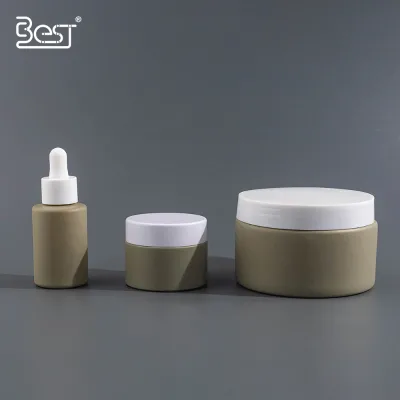


10g 15g Modern Empty Cosmetic Jar in Any Colour Option Glass Bottle Jar
$0.10 - $0.11
MOQ: 5000 Pieces
Comprehensive Sourcing Guide
Clear Glass Peptides Cosmetic Jar Sourcing Guide
Procuring clear glass peptides cosmetic jars requires distinguishing between standard glass containers and specialized packaging designed for sensitive active ingredients. The observed market data indicates a diverse range of models, including specific 50ml and 250ml cosmetic cream jars, alongside general cosmetic glass jars and small package tanks. Buyers must verify that the selected vessel offers the necessary clarity to showcase product texture while maintaining the structural integrity required for peptide stability.
The supply landscape features origins in Yuyao, Ningbo, and Shanghai, with materials ranging from plastic to glass and various cap options including aluminum or customized lids. While some listings mention eco-friendly attributes and specific sealing types like screw caps, the core requirement for peptide storage remains the chemical inertness of the glass. Sourcing strategies should prioritize suppliers who explicitly confirm the compatibility of their glass formulation with high-value cosmetic actives to prevent leaching or degradation.
Product Scope and Observed Listing Signals
The current market listings reveal a broad spectrum of product models, from generic cosmetic jars to specific iterations like the CT-232 and BEST-311340E. These items are often categorized under small package tanks or cosmetic glass jars, with some entries specifying usage for tea, food, aerosol, and chemical applications. Buyers must carefully filter these signals to isolate containers specifically engineered for cosmetic creams rather than general-purpose packaging, as the intended use dictates the necessary barrier properties.
Listing attributes frequently highlight customization availability, with options for silk printing logos and unique luxury styles. The observed data includes specific dimensions such as 29mmx17mm for certain caps and single package sizes of 10x15x15 cm. However, the presence of plastic jar listings alongside glass options necessitates a rigorous verification step to ensure the final order matches the clear glass requirement, as mixed material listings can obscure the specific material composition of the core product.
Technical Specifications to Verify
Technical due diligence must focus on the precise model numbers and dimensional tolerances that affect sealing performance for peptide formulations. The data references specific models like CT and BEST-311340E, alongside capacity specifications ranging from 5g to 200g. Buyers should confirm that the glass thickness and wall uniformity meet the standards required to withstand the internal pressure of aerosol or chemical contents if the jar is repurposed, ensuring the screw cap sealing type provides an airtight environment.
Cap material selection is a critical technical variable, with observed options including aluminum, metal, plastic, or fully customized solutions. The compatibility between the cap liner and the glass neck is essential for maintaining the integrity of sensitive peptide ingredients. Procurement teams must verify that the chosen cap material, whether aluminum or otherwise, does not react with the product and that the sealing mechanism is robust enough to prevent evaporation or contamination during transit and storage.
Compliance and Safety Documentation
Safety documentation is paramount when sourcing packaging for cosmetic products, particularly those containing active peptides. The observed certification landscape includes ISO, CE, CIQ, SGS, BV, REACH, and MSDS, indicating a range of potential compliance levels. Buyers must request specific test reports for the glass material to ensure it meets food-grade or cosmetic-grade standards, as the general listing of certifications does not guarantee that every specific jar model satisfies the rigorous safety requirements for direct product contact.
Regulatory compliance extends to the packaging materials themselves, with some listings noting eco-friendly attributes and specific standards like CE, SGS, and UL. It is crucial to verify that the glass and cap materials are free from heavy metals and other contaminants that could compromise product safety. The presence of MSDS and REACH compliance suggests a baseline of chemical safety, but buyers should demand batch-specific certificates of analysis to confirm that the specific lot of jars meets the regulatory thresholds for the target export market.
Cost Drivers and Commercial Terms
Cost structures for clear glass cosmetic jars are heavily influenced by material quality, customization complexity, and order volume. The observed MOQ range spans from 1 to 20,000 units, with specific listings noting stock availability for orders of 5,000 pieces. Buyers should anticipate that customizations such as silk printing, unique luxury styles, and specific cap materials will increase the unit price, while standard models may offer more competitive pricing within the observed 0-26 USD range.
Commercial terms vary significantly regarding packaging and shipping logistics, with options including cardboard boxes, cartons, pallets, and safe export packs. Shipping methods listed range from air express to sea shipping, which directly impacts the landed cost and lead time. Procurement teams must negotiate clear terms for sample availability, as some suppliers offer free samples, while others may charge for the initial unit to validate quality before committing to a larger production run.
Supplier Qualification and Quality Control
Supplier qualification requires a deep dive into the manufacturing origins and quality control processes of the vendors. The data points to suppliers located in Yuyao, Ningbo, and Shanghai, China, with some explicitly accepting OEM and ODM requests for cosmetic packaging bottles. Buyers should verify the supplier's capacity to maintain consistent quality across large batches, especially when dealing with custom models like the CT-232 or BEST-311340E, to ensure that the clear glass remains free of bubbles or imperfections.
Quality control protocols must be established to validate the physical integrity of the jars and the functionality of the sealing mechanisms. The observed data mentions safe export packing and various shipping methods, but these are logistical details rather than quality assurances. Buyers should implement a rigorous inspection regime that includes checking for defects in the glass, verifying the accuracy of logo printing, and testing the screw cap torque to ensure a secure seal that protects the peptide contents from external environmental factors.
Long-Term Procurement Checks
Sustaining a reliable supply chain for clear glass peptide jars involves continuous monitoring of supplier performance and product consistency over time. Buyers should establish periodic audits to ensure that the supplier continues to meet the agreed-upon standards for material quality and certification compliance. The dynamic nature of the market, with varying MOQs and customization options, requires a flexible yet disciplined approach to managing long-term contracts and inventory levels.
Long-term success also depends on maintaining open communication channels for addressing any quality issues or supply chain disruptions. The availability of contact methods like WhatsApp and the acceptance of OEM/ODM requests suggest a collaborative environment, but buyers must formalize these interactions through clear service level agreements. Regular review of the supplier's ability to deliver on time and maintain the specific technical specifications of the glass jars will ensure the continued stability of the cosmetic product line.
FAQs
What sizes are available for clear glass peptides cosmetic jars?
Clear glass peptides cosmetic jars are commonly offered in a broad size range, including small 3g to 5g sample sizes and larger 10g, 15g, 20g, 30g, 50g, 100g, and 200g formats. Listing pages often show models such as 50ml and 250ml cosmetic cream jars, so confirm the exact capacity and dimensions with each supplier before ordering.
Can I get a sample before placing a bulk order?
Yes, samples are typically available, and many listings state that samples are provided freely. You usually cover only the courier cost unless the supplier agrees otherwise. Request a sample in your chosen size and cap finish, check the screw-cap sealing and glass clarity, and confirm the sample matches production tooling before confirming a bulk purchase.
Which certifications should I check when sourcing these jars?
Look for suppliers listing certifications such as ISO, CE, and CIQ, and check for SGS testing references on the product page. Some listings also mention BV, REACH, and MSDS documentation. Always ask the supplier for current, dated certificates matching your shipment, since certification claims on a listing should be verified before you commit to a large order.
What is the typical minimum order quantity for these jars?
Minimum order quantities vary by supplier and size, with some listings stating 5000 pieces in stock and observed MOQs ranging from 1 to 20000 pieces. Low MOQs often apply to stocked items, while customized colors, caps, or printing usually require higher volumes. Confirm the MOQ for your exact specification before requesting a quotation.
Can the jars be customized with my logo and branding?
Yes, customization is widely available. Suppliers commonly offer silk printing for logo application, and cap materials can be aluminum, plastic, or otherwise customized. OEM and ODM services are accepted by many listings. Provide your artwork, preferred cap finish, and packaging requirements early, and ask for a printed sample so branding quality is approved before mass production.
How are the jars packed for shipping?
Standard packing options include cardboard boxes, cartons, and safe export packaging, with some suppliers offering carton plus pallet configurations or customized packing. Shipping methods mentioned include air express and sea shipping. For glass jars, request dividers or protective inserts, and confirm the packing spec in writing so breakage risk and carton quantities are agreed before dispatch.