Source CMYK Offset Printed Electrolytic Tinplate for Food Cans, Chemical Containers, and Building Materials
Find and compare 30 listings for CMYK Offset Printed Electrolytic Tinplate sheets and coils. Evaluate specifications including thickness, temper, and tin coating weights from Chinese manufacturers to identify suitable materials for food packaging, chemical containers, and building applications.
Key considerations
Products List
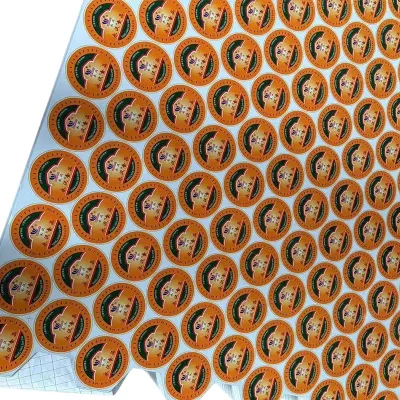
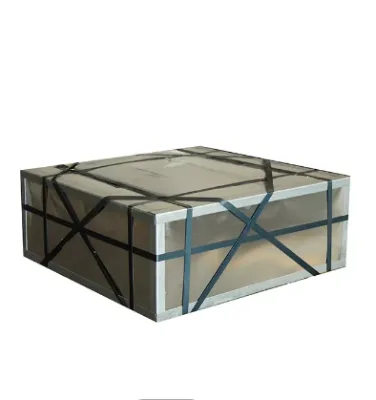
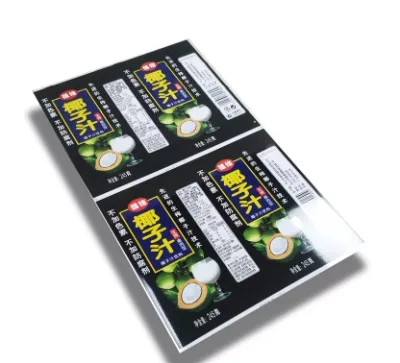


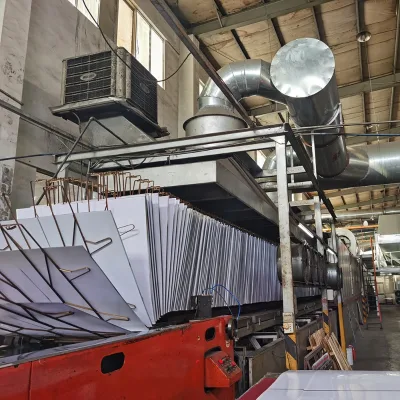
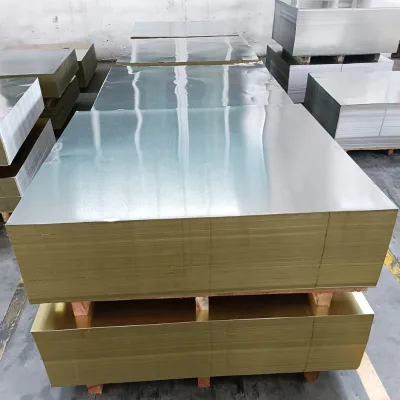


$0.09 - $0.16
MOQ: 15000 Pieces


$0.06 - $0.16
MOQ: 10000 pieces


Comprehensive Sourcing Guide
CMYK Offset Printed Electrolytic Tinplate Sourcing Guide
Sourcing CMYK Offset Printed Electrolytic Tinplate requires a nuanced understanding of both metallurgical properties and printing compatibility. This material serves as a critical substrate for high-quality packaging, particularly where visual appeal and corrosion resistance are paramount. Buyers must recognize that the "CMYK off-set printing" attribute indicates a specific surface treatment designed to accommodate full-color graphic reproduction, distinguishing it from plain or single-color coated variants. The electrolytic tin coating process ensures a uniform layer of tin on the steel base, which not only provides aesthetic brightness but also acts as a sacrificial anode to protect the underlying steel from corrosion. When evaluating suppliers, it is essential to verify that the printing process is compatible with the specific temper and coating weight of the tinplate, as mismatches can lead to adhesion failures or ink bleeding during the subsequent forming and seaming operations.
The procurement landscape for this specialized material is characterized by a wide variance in technical specifications and commercial terms. Observed listings indicate a broad range of thicknesses, from thin gauges suitable for lightweight containers to thicker sheets required for structural integrity in larger packaging formats. Buyers should note that while some suppliers offer standardized dimensions, others provide customized sizing options to meet specific production line requirements. The presence of multiple origin locations, such as Hebei and Shandong in China, suggests a competitive market with varying logistical advantages. However, the diversity in product attributes, including different hardness levels and temper designations, means that a one-size-fits-all approach to sourcing is ineffective. Procurement teams must align their technical requirements with supplier capabilities to ensure that the final packaging meets both functional and aesthetic standards.
Product Scope and Observed Listing Signals
The product scope for CMYK Offset Printed Electrolytic Tinplate encompasses a variety of forms, primarily steel plates and coils, tailored for industrial use in chemical, food, and aerosol applications. Listings frequently highlight the material's versatility, with applications ranging from food cans to building materials, indicating its robust performance in diverse environments. The observed data shows that suppliers often provide samples in A4 paper size, allowing buyers to assess print quality and surface finish before committing to large orders. This sampling capability is a crucial signal of supplier confidence and transparency, enabling procurement teams to verify that the CMYK color reproduction meets brand guidelines and that the surface texture is suitable for high-speed printing presses. The emphasis on "Bright" surface finishes further underscores the importance of visual quality in this product category.
Commercial signals from the market reveal significant variability in minimum order quantities (MOQ) and delivery timelines, which directly impact inventory management and cash flow. MOQs can range from as low as 5 units to as high as 15,000, reflecting the flexibility of some suppliers to accommodate small-batch testing alongside large-scale production runs. Delivery times are similarly diverse, with some suppliers offering expedited service in 20-30 days, while others require 31-45 days for standard orders. These variations suggest that buyers should not rely on a single supplier for all their needs but rather develop a diversified supply base. Additionally, the mention of "Standard Seaworthy Package" indicates that suppliers are aware of the logistical challenges associated with transporting metal sheets, ensuring that the product arrives in optimal condition for immediate processing.
Technical Specifications to Verify
Verifying technical specifications is the most critical step in ensuring that the tinplate meets production requirements. Key parameters include thickness, width, and tin coating weight, all of which influence the formability and corrosion resistance of the final product. Thickness ranges observed in the market span from 0.12mm to 0.8mm, with specific subsets like 0.15-0.45mm and 0.14-0.55mm being common. Buyers must confirm that the selected thickness aligns with the structural demands of their packaging design, as thinner gauges may be prone to denting while thicker gauges can increase material costs. Width specifications also vary, with options ranging from 50mm to 1250mm, allowing for customization based on the dimensions of the end product. It is essential to verify that the supplier can maintain tight tolerances, typically ±0.01mm, to ensure consistency in the manufacturing process.
The temper and hardness of the tinplate are equally important factors that affect its mechanical properties. Listings indicate a wide range of temper designations, including T1-T5, DR7-DR9, and specific hardness grades like TS230-435 and TH520-580. These designations reflect the material's yield strength and elongation characteristics, which determine how the tinplate will behave during deep drawing, bending, and welding operations. Buyers should select a temper that balances formability with strength, depending on the complexity of the packaging shape. Additionally, the tin coating weight, which can range from 1.1g/m² to 15.1g/m², plays a vital role in corrosion protection. Higher coating weights provide better protection but at a higher cost, so buyers must optimize this parameter based on the intended storage conditions and shelf life of the product.
Compliance and Safety Documentation
Compliance and safety documentation are non-negotiable for tinplate used in food and chemical packaging. Buyers must ensure that the supplier provides relevant certifications, such as ISO9001-2008, which attest to the quality management systems in place during production. While ISO9001 is a general quality standard, it is a foundational requirement for suppliers handling food-contact materials. Additionally, buyers should request documentation confirming that the tinplate complies with relevant food safety regulations, such as those set by the FDA or EFSA, depending on the target market. Although specific certification statuses may vary by supplier, the presence of a robust quality management system is a strong indicator of the supplier's ability to produce consistent, safe products. Buyers should also verify that the materials used in the tin coating and any subsequent lacquers or inks are free from harmful substances, ensuring that the final packaging does not contaminate the contents.
Standards compliance extends beyond quality management to include material specifications and testing protocols. Listings mention standards such as GB, ASTM, BS, DIN, and JIS, indicating that suppliers may cater to different regional markets. Buyers must identify which standards are applicable to their specific use case and ensure that the supplier's products meet these requirements. For instance, GB standards are prevalent in China, while ASTM and JIS are widely recognized in the Americas and Asia, respectively. It is crucial to verify that the supplier's testing procedures align with these standards, particularly regarding tensile strength, hardness, and coating adhesion. Buyers should also inquire about the supplier's ability to provide mill test certificates for each batch, which provide detailed information about the material's chemical composition and mechanical properties.
Cost Drivers and Commercial Terms
Understanding the cost drivers for CMYK Offset Printed Electrolytic Tinplate is essential for effective budgeting and negotiation. The primary cost components include the base steel price, the tin coating cost, and the printing and processing fees. The tin coating weight is a significant variable, as higher weights increase material costs but may reduce the need for additional protective lacquers. Buyers should analyze the total cost of ownership, considering not just the unit price but also the efficiency gains from using higher-quality tinplate, such as reduced scrap rates and improved production speeds. The observed price range of $0.06 to $1200 USD reflects the vast differences in product specifications, with higher prices typically corresponding to thicker gauges, wider widths, or more complex printing requirements.
Commercial terms, including MOQs and delivery times, also impact the overall cost structure. Suppliers with lower MOQs may charge a premium due to the setup costs associated with smaller production runs, while larger orders benefit from economies of scale. Delivery times can affect inventory holding costs, with longer lead times requiring higher safety stock levels. Buyers should negotiate terms that balance cost efficiency with supply chain flexibility, such as staggered deliveries or consignment inventory arrangements. Additionally, payment terms and currency exchange risks should be considered, especially when sourcing from international suppliers. It is advisable to establish clear agreements on price adjustment mechanisms, particularly if raw material costs fluctuate significantly during the contract period.
Supplier Qualification and Quality Control
Supplier qualification is a multi-faceted process that goes beyond reviewing certifications and product specifications. Buyers should conduct on-site audits or virtual tours to assess the supplier's manufacturing capabilities, including their printing presses, coating lines, and quality control laboratories. The ability to produce CMYK offset prints requires specialized equipment and skilled operators, so verifying the supplier's technical expertise is crucial. Buyers should also evaluate the supplier's supply chain resilience, including their access to raw materials and their ability to manage production disruptions. Suppliers with a proven track record of delivering consistent quality and meeting delivery deadlines are preferable, as they reduce the risk of production delays and quality issues.
Quality control measures implemented by the supplier are a key indicator of their reliability. Buyers should inquire about the supplier's inspection protocols, including in-process checks and final product testing. Key quality parameters to monitor include surface defects, print registration accuracy, and coating uniformity. Suppliers should have robust systems in place to detect and rectify defects before shipment. Buyers should also request data on the supplier's defect rates and corrective action processes to assess their commitment to continuous improvement. Establishing a clear communication channel for quality issues is essential, ensuring that any problems are addressed promptly and effectively. Regular quality audits and performance reviews can help maintain high standards and foster a collaborative relationship with the supplier.
Long-Term Procurement Checks
Long-term procurement checks involve ongoing monitoring of supplier performance and market trends to ensure continued value and reliability. Buyers should establish key performance indicators (KPIs) to track metrics such as on-time delivery, product quality, and responsiveness to issues. Regular performance reviews, conducted quarterly or annually, provide an opportunity to discuss areas for improvement and reinforce expectations. Buyers should also stay informed about changes in industry standards, regulations, and technological advancements that may impact the tinplate market. This proactive approach allows buyers to adapt their sourcing strategies and maintain a competitive edge.
Sustainability and ethical sourcing are increasingly important considerations in long-term procurement. Buyers should assess the supplier's environmental practices, including their energy consumption, waste management, and carbon footprint. Suppliers with strong sustainability credentials may offer benefits such as reduced regulatory risks and enhanced brand reputation. Additionally, buyers should evaluate the supplier's labor practices and commitment to ethical sourcing, ensuring that their supply chain aligns with their corporate social responsibility values. By integrating these considerations into their procurement strategy, buyers can build a resilient and responsible supply chain that supports long-term business success.
FAQs
What printing method is used for this tinplate?
The product uses CMYK off-set printing for color application. This process ensures high-quality graphics suitable for food cans and building materials while maintaining the structural integrity of the steel sheet.
Which standards does the tinplate meet?
The material complies with GB, ASTM, BS, DIN, and JIS standards. These certifications ensure the steel meets international requirements for thickness, coating, and mechanical properties in various industrial applications.
Can I get samples of the tinplate sheets?
Yes, samples are available in A4 paper size sheets. Buyers can request these to verify the bright surface finish and coating quality before placing a larger order for metal packing applications.
What is the typical delivery time for orders?
Delivery typically takes between 20 to 45 days depending on the supplier. Specific lead times vary, with some options offering 20-30 days and others requiring 31-45 days for production and shipping.
What thickness range is available for this product?
Thickness ranges from 0.12mm to 0.8mm across different product lines. Specific grades like SPCC offer thicknesses between 0.15mm and 0.45mm, allowing customization for various packaging and industrial needs.
What are the available temper grades for the steel?
Temper grades include T1 through T5, DR7, DR8, and DR9. These grades determine the hardness and formability of the tinplate, suitable for applications ranging from food cans to chemical containers.