Source Clutch Plate for Cars, Trucks, and Farm Machinery
Find 30 Clutch Plate options from verified Chinese manufacturers. Buyers can compare specifications, certifications, and pricing for automotive, heavy-duty truck, and agricultural applications.
Key considerations
Products List


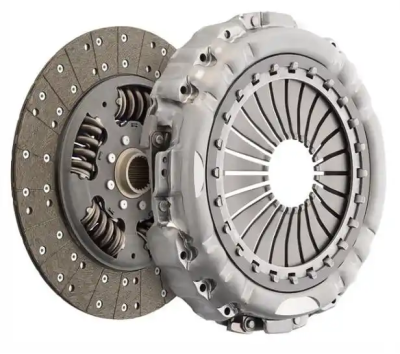
Clutch Disc Parts (458/20285) Clutch Disc Plate Clutch Plate and Pressure Plate
$2.00 - $5.00
MOQ: 100 Pieces


Fricwel Auto Partsclutch Friction Disc Replacement Clutch Plate Wear-Resisting
$16.20 - $17.00
MOQ: 100 Pieces


Comprehensive Sourcing Guide
Clutch Plate Sourcing Guide
Sourcing clutch plates requires a disciplined approach to technical verification and supplier qualification, as these components are critical for power transmission integrity in diverse vehicle classes. The market offers a wide array of options ranging from standard friction discs for heavy-duty trucks to specialized electromagnetic and hydraulic units for racing or agricultural machinery. Buyers must navigate a landscape where part numbers, material compositions, and operational modes vary significantly, necessitating a clear understanding of the specific mechanical requirements before engaging with suppliers. This guide provides a structured framework for evaluating Clutch Plate products based on observed market signals, technical specifications, and commercial realities.
The procurement process begins with identifying the correct classification of the clutch system, whether it is a dry single plate, hydraulic, or electromagnetic type. Each classification dictates distinct performance characteristics, including voltage requirements, working states, and stroke types. For instance, electromagnetic clutches may operate on DC12V or DC24V systems and feature semi-linkage or no-linkage states, while traditional friction clutches are often categorized by their material composition and standard weight classifications. Understanding these distinctions is essential for aligning product capabilities with the intended application, ensuring that the selected Clutch Plate can handle the torque, heat, and wear conditions of the target machinery.
Product Scope and Observed Listing Signals
The current market landscape for clutch plates exhibits a broad range of product attributes, reflecting the diverse needs of the automotive and industrial sectors. Observed listings indicate a material focus on steel, with customization options available to meet specific customer requirements. The color of the components is typically grey, and packaging methods vary from ocean freight and carton pallets to specialized antirust paper and plastic bag combinations. These logistical details are crucial for buyers assessing total landed costs and storage requirements, as the packing method can influence protection against corrosion during transit and handling.
Part numbers and model codes serve as the primary identifiers for sourcing, with examples such as WG9925160621, 160200, and Ef750 HINO trucks clutch kits appearing in the market. These identifiers often correlate with specific vehicle makes or machinery types, including cars, motorcycles, farm machinery, tractors, heavy-duty trucks, and racing cars. Buyers should treat these model numbers as observation points rather than universal standards, verifying that the part number matches the exact OEM specification for their application. The presence of multiple model codes for similar dimensions suggests that minor variations in internal design or material treatment may exist, requiring careful cross-referencing with vehicle service manuals.
Technical Specifications to Verify
Technical verification is the most critical phase of sourcing clutch plates, as mismatches in dimensions or operational modes can lead to immediate failure or premature wear. Key specifications to verify include the physical dimensions, such as 1801251921.6 mm or 2101452324.2 mm, which must align precisely with the transmission housing and flywheel interface. Additionally, the working mode, whether it is power combining or electricity combination, and the working state, such as linkage or semi-linkage, must be confirmed against the vehicle’s design. For electromagnetic clutches, the voltage rating (DC12V or DC24V) and stroke type (2 Stroke or 4 Stroke) are non-negotiable parameters that dictate electrical compatibility and engagement behavior.
Material composition and classification are equally important, with products often labeled under ISO/TS16949 standards for friction or hydraulic clutches. The distinction between a clutch disc, clutch cover, and Clutch Plate is vital, as each component serves a different function in the assembly. Buyers should verify the stroke count and whether the clutch is a dry single plate or a magnetic powder type, as these factors influence heat dissipation and engagement smoothness. Furthermore, the standard weight classifications, such as 10kg, 14kg, or 30kg, may indicate the robustness of the assembly or the packaging weight, requiring clarification to ensure accurate logistics planning and structural integrity expectations.
Compliance and Safety Documentation
Compliance with international standards is a prerequisite for sourcing clutch plates, particularly for applications in regulated markets or heavy-duty industries. Certifications such as ISO/TS16949, CE, E-Mark, and RoHS are commonly cited in product listings, indicating adherence to quality management systems and environmental regulations. Buyers must request valid certification documents to verify that the supplier’s manufacturing processes meet these standards, rather than relying solely on the presence of certification labels on product pages. The classification of the product, such as hydraulic clutch or friction clutch, should be explicitly stated in the certification scope to ensure relevance to the specific component being purchased.
Safety documentation should also include detailed technical data sheets that outline the operational limits and maintenance requirements of the Clutch Plate. For electromagnetic clutches, electrical safety standards are paramount, and buyers should ensure that the voltage and current specifications are clearly documented to prevent electrical hazards. In the case of heavy-duty truck or racing car applications, the durability and failure modes of the clutch should be addressed in the supplier’s technical literature. Buyers should verify that the supplier provides adequate warranty information and support for compliance-related issues, as non-compliant parts can lead to significant liability and operational downtime.
Cost Drivers and Commercial Terms
Cost drivers for clutch plates include material costs, manufacturing complexity, and packaging requirements, all of which influence the final price and minimum order quantity (MOQ). The observed price range in the market spans from $0.1 to $200, reflecting the diversity from simple friction discs to complex hydraulic or electromagnetic assemblies. MOQs typically range from 1 to 5000 units, allowing for flexibility in procurement strategies, whether for small-scale repairs or large-scale fleet maintenance. Buyers should negotiate terms that balance inventory costs with supply chain reliability, considering the lead times and shipping methods, such as FOB or ocean freight, which can impact the total cost of ownership.
Commercial terms should also address the customization options available, as many suppliers offer tailored solutions for specific vehicle models or machinery types. Customization can affect pricing and lead times, so buyers should clarify the additional costs and time required for bespoke specifications. Packaging options, such as pallets, cartons, or antirust paper, should be included in the commercial agreement to ensure that the products arrive in optimal condition. Buyers should also consider the brand reputation, such as Gpi, as it may influence pricing and perceived quality, but should verify that the brand’s quality control processes align with their own standards.
Supplier Qualification and Quality Control
Supplier qualification is essential to ensure that the clutch plates meet the required quality and performance standards. Buyers should conduct thorough due diligence on potential suppliers, verifying their manufacturing capabilities, quality control processes, and track record in the industry. The presence of certifications like ISO/TS16949 is a positive indicator, but buyers should also assess the supplier’s ability to maintain consistent quality across batches. This includes reviewing their inspection protocols, testing procedures, and corrective action processes for non-conforming products.
Quality control measures should be integrated into the procurement process, with clear specifications and acceptance criteria defined in the purchase order. Buyers should request sample units for testing before committing to large orders, especially for customized or high-value components. The origin of the products, typically China, should be considered in the context of supply chain resilience and logistics efficiency. Buyers should also evaluate the supplier’s responsiveness to technical queries and their ability to provide timely support for any issues that arise during the installation or operation of the clutch plates.
Long-Term Procurement Checks
Long-term procurement success depends on establishing a robust relationship with suppliers and implementing continuous improvement processes. Buyers should regularly review supplier performance metrics, including delivery times, product quality, and responsiveness to issues. This ongoing evaluation helps identify potential risks and opportunities for optimization in the supply chain. For clutch plates, which are critical components, maintaining a reliable supply of high-quality parts is essential for minimizing downtime and ensuring the safety and efficiency of the vehicles or machinery.
Buyers should also stay informed about technological advancements and industry trends that may impact Clutch Plate specifications and performance. This includes monitoring changes in vehicle designs, regulatory requirements, and material innovations. By maintaining a proactive approach to procurement, buyers can ensure that their Clutch Plate sourcing strategy remains aligned with their operational needs and market conditions. Regular communication with suppliers and participation in industry forums can provide valuable insights and foster partnerships that support long-term procurement goals.
FAQs
What materials are used for clutch plates?
Steel is the primary material used for these clutch plates. This material ensures durability and heat resistance required for heavy-duty trucks, racing cars, and farm machinery applications.
Which certifications do the clutch plates hold?
The products hold ISO/TS16949 certification for friction and hydraulic clutches. Some items also carry CE, E-Mark, and RoHS certifications to meet international safety and environmental standards.
Can the clutch plates be customized?
Yes, customization is available for these clutch plates. Buyers can specify standards based on their needs, such as specific dimensions or working modes like power combining or electricity combination.
What is the origin of these clutch plates?
The clutch plates originate from China. This location supports the manufacturing of various models including those for Hino trucks and heavy-duty applications with specific packing requirements.
How are the clutch plates packed for shipping?
Packing options include ocean freight, cartons, pallets, and antirust paper with plastic bags. Specific models may use Fob terms or standard carton and pallet configurations for safe transport.
What voltage options are available for electromagnetic clutches?
Voltage options include DC12V and DC24V for electromagnetic clutch models. These variants support different working states such as semi linkage or no linkage depending on the specific application needs.