Source Contemporary Metal Nursing Care Bed for Hospitals, Homes, Clinics
Find and compare 30 Contemporary Metal Nursing Care Bed options from verified suppliers. Buyers can evaluate specifications, certifications, and prices for hospital, nursing home, and home care applications.
Key considerations
Products List


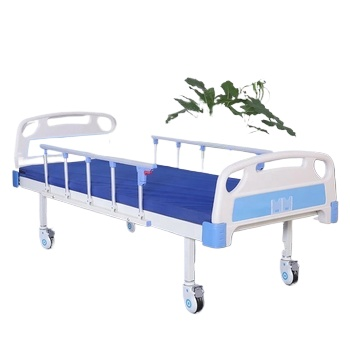


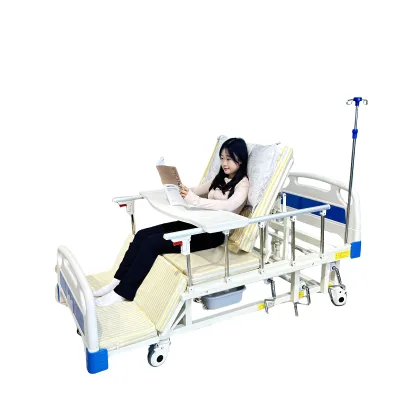
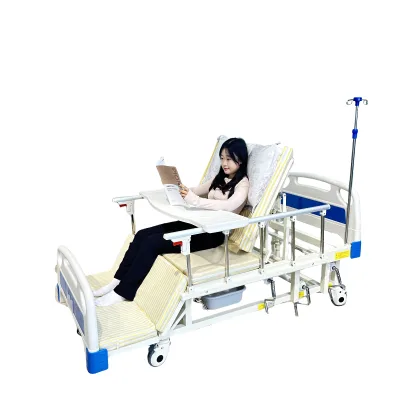
Manual Medium Curve Nursing Bed Multifunctional Hospital Home Care Bed
$179.00 - $191.00
MOQ: 5 Pieces


Medical Bed Elderly Patient Home Care 2 Function Nursing Bed Hospital Bed
$228.00 - $258.00
MOQ: 1 Pieces

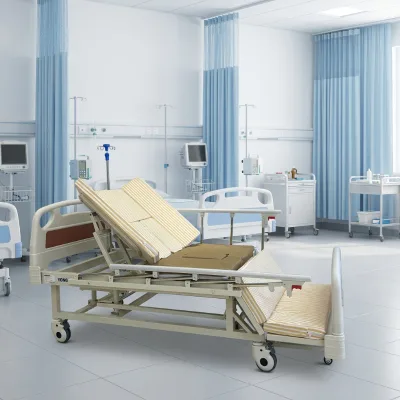
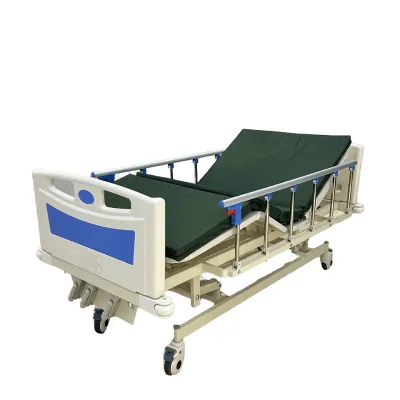
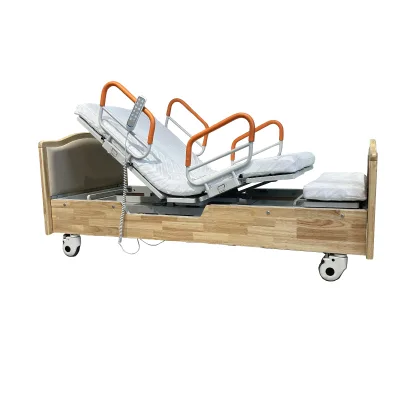


Comprehensive Sourcing Guide
Strategic Sourcing Guide for Contemporary Metal Nursing Care Beds
The global demand for high-quality medical furniture has intensified, driven by an aging population and the need for versatile care environments. For procurement professionals, the Contemporary Metal Nursing Care Bed represents a critical asset in hospital, nursing home, and rehabilitation center settings. Sourcing these units requires a disciplined approach that balances technical specifications, regulatory compliance, and long-term operational costs. This guide provides a comprehensive framework for evaluating potential suppliers and products, ensuring that the selected equipment meets the rigorous demands of modern healthcare logistics.
Technical Specifications and Structural Integrity
When evaluating a Contemporary Metal Nursing Care Bed, the primary focus must be on the structural framework and functional capabilities. The core material for these units is predominantly metal, providing the necessary durability to withstand constant use in high-traffic medical facilities. Procurement teams should verify that the metal frame is constructed to support significant weight loads. In the current market, observed bearing capacities for such units often range from 160 kg to over 240 kg, depending on the specific model and intended application.
The physical dimensions of the bed are equally critical for facility planning. Standard folded or unfolded dimensions typically align with specific spatial requirements. For instance, observed specifications for similar units indicate package dimensions around 2140mm in length, 1120mm in width, and 450mm in height. When the bed is in operation, the standard length often extends to approximately 2200mm, with widths varying between 900mm and 1040mm. Height adjustability is a key feature, with ranges observed between 420mm and 720mm to accommodate patient transfer and caregiver ergonomics.
Functionality is another pillar of technical evaluation. Modern nursing beds are rarely single-purpose; they are designed as multi-functional or three-function units. This includes mechanisms for adjusting the head section, foot section, and overall height. Some advanced models offer four-layer construction or specific articulation angles, such as an upper leg flexion angle of 25° ±5°, which aids in patient comfort and medical procedures. The control mechanism is often manual, utilizing cranks made from durable materials like ABS plastic, though electronic options exist. Buyers must confirm whether the bed is designed for a specific ambient environment, such as a hospital ward, a nursing home, or home care settings, as this influences the required feature set.
Regulatory Compliance and Certification Verification
In the medical device and furniture sector, compliance is non-negotiable. A Contemporary Metal Nursing Care Bed intended for professional use must carry recognized certifications that validate its safety and quality. The most common certifications observed in the market include CE (Conformité Européenne) and ISO standards. Specifically, ISO 9001 for quality management and ISOCE for product compliance are frequently cited. Some units may also carry FDA registration, indicating suitability for the North American market.
Procurement officers must treat these certifications as mandatory verification points rather than optional marketing claims. The product documentation should explicitly state the certification status, such as "CE" or "FDA, ISOCE." Additionally, the instrument classification should be verified; for many nursing beds, this falls under Class I, indicating a lower risk category but still requiring strict adherence to manufacturing standards.
Buyers should also check for specific product standards that define the physical and safety requirements. Observed standards often reference specific dimensional tolerances, such as L2200W1040H420-680mm. It is essential to ensure that the supplier provides documentation proving that the specific batch of beds being purchased adheres to these standards. Without this verification, the risk of non-compliance with local health regulations increases significantly.
Cost Drivers and Pricing Dynamics
Understanding the cost structure of metal nursing care beds is vital for budget planning. The observed price range for these units in the current market spans from approximately $25 to $927.39 USD. This wide variance is not arbitrary; it is driven by several key factors including material quality, functional complexity, and certification levels.
The base cost is influenced by the type of metal used and the thickness of the frame. Beds with higher weight capacities, such as those supporting ≥ 240 kg, often command a premium due to the reinforced steel required. Similarly, the complexity of the adjustment mechanism plays a role. A manual bed with a simple crank system will generally be less expensive than a model with advanced multi-functional articulation or electronic controls.
Packaging and logistics also impact the final landed cost. Some units are packed in standard cartons, while others, particularly those with larger dimensions or higher fragility, require wooden crates or specialized carton/wooden combinations. The origin of the product, often listed as China or specific regions like Guangdong, affects shipping costs and import duties. Furthermore, the Minimum Order Quantity (MOQ) can influence the unit price. While some suppliers offer an MOQ of 1 unit for trial orders, others may require a minimum of 10 to 50 units to unlock lower price tiers. Buyers must calculate the total cost of ownership, including shipping, customs, and potential volume discounts, rather than focusing solely on the listed unit price.
Typical Applications and Environmental Suitability
The versatility of contemporary metal nursing care beds allows them to serve diverse environments. The primary application is within hospitals, where the beds must withstand heavy usage and frequent cleaning. In these settings, the bed's color, typically white or blue, is chosen for hygiene and visibility. The "New" condition of the product is a standard expectation, ensuring that no prior wear compromises patient safety.
Beyond acute care hospitals, these beds are essential in nursing homes and rehabilitation centers. In these facilities, the "Using Ambient" often shifts to a more home-like setting, yet the technical requirements remain high. The ability to adjust the bed to various angles is crucial for patient comfort and preventing pressure ulcers. Some models are specifically marketed for home care, featuring compact dimensions and ease of assembly.
The application also dictates the required accessories and features. For instance, a bed intended for a clinic might require specific locking mechanisms for stability during examinations. A bed for a nursing home might prioritize ease of cleaning and durability against frequent moving. The "Feature" attribute, such as being abrasion resistant, is particularly relevant for facilities where the bed surface is subjected to constant friction from patient movement or medical equipment.
Supplier Evaluation and Origin Considerations
Selecting the right supplier is as important as selecting the right product. When evaluating potential partners, buyers should look for transparency regarding the place of origin. Many contemporary metal nursing care beds originate from manufacturing hubs in China, with specific regions like Guangdong being notable production centers. Knowing the origin helps in assessing supply chain reliability and potential shipping lead times.
Supplier credibility is often demonstrated through their warranty and after-sales service offerings. A standard warranty period for these units is typically one year, though some suppliers offer extended coverage of up to two years. The nature of the after-sales service is equally critical; options such as online technical support indicate a supplier's commitment to resolving issues remotely, which can minimize downtime.
Branding is another factor to consider. While some suppliers operate under their own brand names, others may be OEM manufacturers. Buyers should verify the brand name, such as "Henry," and ensure it is associated with a reputable manufacturing entity. The product model number, such as BC05, A02-2A, D03, or HJ-homecare, serves as a unique identifier that allows for precise tracking of specifications and spare parts availability.
Quality Control and Long-Term Procurement Strategy
Implementing a robust quality control (QC) process is essential for mitigating risks in bulk procurement. Since the product attributes are observations rather than universal claims, buyers must verify that the specific units received match the advertised specifications. This includes checking the material composition, weight capacity, and dimensional accuracy against the provided standards.
For long-term procurement, buyers should consider the availability of spare parts and the modularity of the design. A bed with a "Three-function" or "Multi-Functional" design should have accessible components for maintenance. The "Layer" count, such as 4 layers, can indicate the complexity of the mattress support system, which affects long-term durability.
Procurement strategies should also account for the "Folded" state of the bed. Whether the unit is delivered in an unfolded or folded state impacts storage and transportation logistics. Units delivered in a carton or wooden package must be inspected for damage upon arrival. Establishing a clear acceptance criteria based on the observed specifications, such as the package dimensions of 21401120450mm, ensures that the product fits within the facility's storage and transport constraints.
Comparative Analysis of Key Product Attributes
To facilitate decision-making, the following table summarizes the key attributes observed in the current market for contemporary metal nursing care beds. This comparison highlights the variability in specifications and helps buyers identify the features most relevant to their specific needs.
| Attribute Category | Observed Specification Range | Key Considerations for Buyers |
|---|---|---|
| Material | Metal (Steel/Aluminum) | Verify thickness and corrosion resistance for hygiene. |
| Weight Capacity | 160 kg to ≥ 240 kg | Match capacity to patient demographics and safety margins. |
| Dimensions (L x W x H) | 1980-2200mm x 900-1040mm x 420-720mm | Ensure fit within room dimensions and doorways. |
| Functionality | Manual, 3-Function, Multi-Functional | Determine if electronic or manual adjustment is preferred. |
| Certification | CE, ISO9001, FDA, ISOCE | Mandatory for regulatory compliance in target markets. |
| Warranty | 1 Year to 2 Years | Longer warranties often indicate higher confidence in quality. |
| MOQ | 1 to 50 units | Assess inventory needs against supplier minimums. |
| Origin | China (e.g., Guangdong) | Factor in shipping costs and lead times. |
| Color | White, Blue, As shown | Select based on facility aesthetic and hygiene protocols. |
| Packing | Carton, Wooden, Paper Carton | Check for damage during transit and storage requirements. |
Final Procurement Recommendations
Sourcing contemporary metal nursing care beds requires a meticulous approach that prioritizes technical compliance, safety, and operational efficiency. By rigorously verifying certifications like CE and ISO, confirming weight capacities, and understanding the cost drivers associated with material and function, buyers can make informed decisions. The diversity in product models, from the BC05 to the HJ-homecare series, offers flexibility for various care settings, but each selection must be validated against the specific needs of the facility.
Ultimately, the goal is to secure equipment that not only meets immediate clinical requirements but also stands the test of time in a demanding healthcare environment. By adhering to the standards and verification processes outlined in this guide, procurement professionals can ensure a successful sourcing strategy that enhances patient care and operational reliability.
FAQs
What certifications do contemporary metal nursing care beds typically have?
These beds typically carry CE and ISO certifications, with some models also featuring FDA registration. Buyers must verify specific documentation for each batch to ensure compliance with local health regulations and safety standards.
How much weight can a standard Contemporary Metal Nursing Care Bed support?
Standard units support bearing weights ranging from 160 kg to over 240 kg depending on the model. Procurement teams should match the capacity to patient demographics to ensure safety and structural integrity during use.
Which dimensions are standard for Contemporary Metal Nursing Care Bed packages?
Package dimensions often measure around 2140mm in length, 1120mm in width, and 450mm in height. Operational dimensions may vary, with lengths extending to 2200mm and widths between 900mm and 1040mm for facility planning.
Can buyers find customization options for contemporary metal nursing care beds?
Yes, customization is available for many units to meet specific facility requirements. Buyers should confirm the extent of these options, such as color or functional adjustments, before finalizing orders with manufacturers.
What is the typical warranty period for contemporary metal nursing care beds?
The typical warranty period ranges from one year to two years depending on the supplier. Extended warranties often indicate higher confidence in product quality and durability for long-term healthcare operations.
How does the minimum order quantity affect the price of these beds?
Minimum order quantities vary from one unit to fifty units, influencing the final unit price. Lower MOQs may result in higher per-unit costs, while larger orders often unlock volume discounts from suppliers.
Where are contemporary metal nursing care beds primarily manufactured?
Most units originate from China, with specific production hubs located in regions like Guangdong. Knowing the origin helps assess supply chain reliability and potential shipping lead times for international procurement.