Source CNC Turning UHMWPE Bearing Sleeve for Machinery, Medical, Electronics
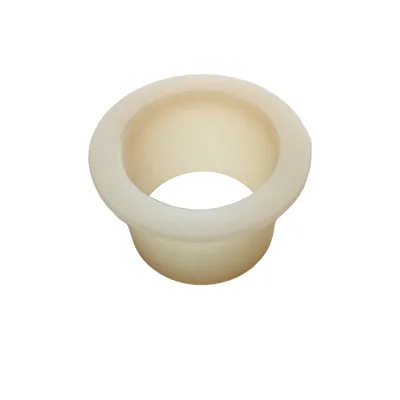
Find and compare 30 listings for CNC Turning UHMWPE Bearing Sleeve options from global suppliers. Buyers can review material specs, certifications, and pricing to select parts for machinery, medical, and electronics applications.
Key considerations
Products List




Comprehensive Sourcing Guide
Strategic Sourcing Guide for CNC Turning UHMWPE Bearing Sleeves
The procurement of CNC turning UHMWPE (Ultra-High Molecular Weight Polyethylene) bearing sleeves requires a rigorous approach that balances material science with precise manufacturing capabilities. These components are critical in applications demanding low friction, high wear resistance, and chemical stability. Buyers must navigate a complex landscape of material grades, machining tolerances, and supplier capabilities to ensure the final product meets operational demands. This guide outlines the essential factors for sourcing these specialized parts, focusing on verified technical attributes, compliance requirements, and supply chain reliability.
Technical Specifications and Material Attributes
The core of any successful procurement strategy for UHMWPE bearing sleeves lies in understanding the specific material properties and machining requirements. UHMWPE is distinct from standard plastics due to its exceptional impact strength and low coefficient of friction. When sourcing these components, buyers must verify that the raw material meets specific performance benchmarks. Based on available industry data for this category, UHMWPE plates and sheets typically exhibit a water absorption rate of less than 0.01%, ensuring dimensional stability in humid or submerged environments. Furthermore, tensile strength is a critical metric; observed data indicates ranges between 81 and 130 MPa, which dictates the load-bearing capacity of the sleeve under stress.
The manufacturing process for these sleeves is predominantly CNC turning. This method allows for high precision and the ability to create complex geometries that are difficult to achieve with molding. Buyers should confirm that the supplier utilizes CNC turning centers capable of handling the specific hardness and abrasiveness of UHMWPE. The material composition is often listed as "Plastic Materials: UHMWPE," but it is vital to distinguish between virgin and recycled grades, as virgin material generally offers superior mechanical properties. Additionally, the color of the final product is often a specification; standard offerings include black and white, which can be relevant for visual inspection or identification in assembly lines.
Dimensional customization is a primary feature of this product category. While standard sizes exist, the majority of UHMWPE bearing sleeves are produced to custom requirements. The standard product specifications often list dimensions such as 100 x 110 x 120 mm or 125 x 82 x 15 mm, but the market heavily favors "Customized according to customer requirements." Buyers must provide detailed drawings or CAD files to ensure the supplier can meet the exact inner and outer diameter tolerances required for the specific bearing application. The shape is also customizable, allowing for non-cylindrical profiles if the design demands it.
Compliance, Certification, and Regulatory Standards
Navigating the regulatory landscape is essential for industrial procurement, particularly when components are used in medical, aviation, or food-processing machinery. The supply chain for UHMWPE components often involves materials imported from specific regions, such as Germany, which can influence the perceived quality and compliance status of the raw stock. When evaluating suppliers, buyers should look for certifications that validate the manufacturing process and material integrity. Common certifications observed in this sector include ISO9001, which confirms a quality management system, and specific material compliance marks like RoHS and CE.
Standards compliance is another critical area. The industry adheres to a wide array of international and national standards, including BS, ANSI, JIS, GB, GOST, ASTM, and DIN. For UHMWPE specifically, standards such as ASME, TEMA, JIS Code, and China GB Code are frequently referenced. It is important to note that while a supplier may claim compliance with these standards, the buyer must verify the specific version and applicability to the component in question. For instance, the standard "GB" is frequently cited, but the specific sub-standard for polyethylene bearings must be confirmed.
Certification status should not be assumed based on marketing materials alone. Buyers must request valid certificates from the supplier and verify their authenticity with the issuing body. The presence of ISO9001 certification is a strong indicator of a supplier's commitment to quality, but it does not guarantee that every batch of UHMWPE meets the same tensile strength or contraction percentage. The contraction percentage for these materials is typically less than 0.4%, a figure that must be verified through batch testing to ensure it does not affect the final fit of the bearing sleeve.
Cost Drivers and Pricing Structures
The pricing of CNC turned UHMWPE bearing sleeves is influenced by several variable factors, making it difficult to establish a single market rate. The observed price range for such components in the market spans from $0.01 to $150 per unit, reflecting the vast difference between small, off-the-shelf parts and large, custom-engineered assemblies. The primary cost driver is the level of customization. Standard sizes may be produced at a lower cost due to economies of scale, whereas custom dimensions require unique tooling setups and longer machining times.
Material costs also play a significant role. UHMWPE is a premium engineering plastic, and the source of the raw material impacts the price. Suppliers using imported raw materials, such as those from Germany, may charge a premium compared to those using domestic stock. The production type is another determinant; "Single Production" runs are inherently more expensive per unit than "Batch Production" runs. Buyers seeking to optimize costs should consider consolidating orders to achieve batch production status, which can significantly reduce the per-unit price.
Minimum Order Quantity (MOQ) is a critical factor in the total cost of ownership. The observed MOQ range for these products is extremely wide, spanning from 1 unit to 10,000,000 units. For small prototyping or low-volume applications, suppliers may accept orders as low as one unit, but the unit price will be higher. Conversely, high-volume buyers can negotiate better rates by committing to larger quantities. Packaging requirements also affect cost; options range from standard carton packaging to custom wooden cases, with the latter adding to the overall expense but providing superior protection for large or delicate components.
Typical Applications and Industry Use Cases
UHMWPE bearing sleeves are versatile components utilized across a diverse range of industries due to their unique combination of properties. The applications listed in the market data include metal casting machinery, metal coating machinery, and metal drawing machinery. These heavy industrial applications benefit from the material's ability to withstand high loads and abrasive environments without the need for external lubrication. The low friction coefficient of UHMWPE makes it ideal for sliding surfaces where traditional metal-on-metal bearings might fail due to wear or seizing.
In addition to heavy machinery, these sleeves are critical in the medical and electronics sectors. The material's chemical resistance and biocompatibility make it suitable for medical devices, while its electrical insulating properties are valuable in electronics manufacturing. The application list also extends to aviation, where weight reduction and reliability are paramount. In these high-stakes environments, the reliability of the bearing sleeve is non-negotiable, and the use of certified, high-grade UHMWPE is essential.
The versatility of UHMWPE also extends to hardware tools, fasteners, and automotive accessories. The material's ability to be machined into complex shapes allows for the creation of custom bushings and sleeves that fit specific machinery requirements. Whether used in metal forging machinery, metal spinning machinery, or metal straightening machinery, the component must maintain its integrity under dynamic loads. The specific application dictates the required tolerances and surface finish, which in turn influences the machining method and cost.
Supplier Evaluation and Qualification Criteria
Selecting the right supplier is perhaps the most critical step in the procurement process. Buyers should evaluate suppliers based on their production capabilities, specifically their ability to perform CNC turning on UHMWPE. The presence of "CNC Turning Centers" is a baseline requirement, but the sophistication of the equipment and the experience of the operators are equally important. Suppliers that offer "Customized Service" and can handle "Single Production" runs are often more flexible for prototyping, while those specializing in "Batch Production" are better suited for volume orders.
Origin and supply chain transparency are also key evaluation metrics. While many products originate from China, specifically regions like Hunan, some suppliers may source raw materials from other countries, such as Germany. This distinction is important for buyers concerned about material consistency and supply chain resilience. A supplier that imports raw materials from a reputable source like DuPont or Celanese may offer higher quality assurance, though this should be verified through documentation.
The supplier's ability to meet packaging and delivery requirements is another consideration. Options range from standard cartons and pallets to custom wooden cases. Buyers should assess whether the supplier's packaging aligns with their logistics needs and whether they can handle the specific demands of their industry. Additionally, the warranty offered, typically around 6 months for these components, provides a layer of protection against manufacturing defects. However, buyers should clarify the terms of the warranty to understand what is covered and what constitutes a valid claim.
Quality Control and Long-Term Procurement Considerations
Implementing a robust quality control (QC) protocol is essential to ensure that every batch of UHMWPE bearing sleeves meets the required specifications. Buyers should request test reports that verify key attributes such as tensile strength, water absorption, and contraction percentage. The observed tensile strength range of 81-130 MPa and water absorption of less than 0.01% should be confirmed for each production run. Surface treatments, such as anodizing, may also be applied to enhance durability, and the consistency of this treatment must be verified.
Long-term procurement considerations involve building a sustainable relationship with suppliers who can consistently deliver high-quality products. This includes evaluating the supplier's ability to maintain inventory levels and manage lead times. While specific lead times are not provided in the general data, buyers should negotiate clear timelines based on order volume and customization requirements. The condition of the product, typically listed as "New," should be guaranteed, and any signs of degradation or damage during transit must be addressed immediately.
Finally, buyers should consider the total cost of ownership, which includes not just the purchase price but also the cost of maintenance, replacement, and downtime. High-quality UHMWPE sleeves can significantly reduce maintenance costs by extending the service life of machinery. By focusing on suppliers with strong quality systems, verified certifications, and a track record of reliability, buyers can ensure that their procurement of CNC turning UHMWPE bearing sleeves supports the long-term efficiency and safety of their operations.
Summary of Key Sourcing Parameters
To facilitate quick reference during the sourcing process, the following table summarizes the critical parameters buyers should verify when evaluating UHMWPE bearing sleeve suppliers.
| Parameter | Key Verification Points | Typical Observed Values/Options |
|---|---|---|
| Material | Grade, Virgin vs. Recycled, Source | UHMWPE, Imported (e.g., Germany) |
| Dimensions | Tolerance, Customization Level | Customizable, 100x110x120, 125x82x15 |
| Mechanical | Tensile Strength, Contraction, Water Absorption | 81-130 MPa, <0.4%, <0.01% |
| Certification | Quality Management, Material Compliance | ISO9001, RoHS, CE |
| Standards | Applicable Industry Codes | GB, ASTM, DIN, JIS, ANSI |
| Production | Method, Volume Type, Lead Time | CNC Turning, Single/Batch, Custom |
| Packaging | Protection Level, Material | Carton, Pallet, Wooden Case |
| Origin | Manufacturing Location, Material Source | China (Hunan), USA (DuPont) |
By adhering to these guidelines and maintaining a disciplined approach to verification, buyers can effectively navigate the market for CNC turning UHMWPE bearing sleeves, ensuring they secure components that meet their specific technical and operational needs.
FAQs
What certifications do CNC turning UHMWPE bearing sleeves typically have?
These components typically hold ISO9001, RoHS, and CE certifications. Some listings also reference BS, ANSI, JIS, GB, GOST, ASTM, and DIN standards to ensure compliance with international quality and safety requirements for industrial machinery parts.
Can I order custom dimensions for these bearing sleeves?
Yes, customization is available and often required for specific applications. Buyers can request dimensions like 100 x 110 x 120 mm or 125 x 82 x 15 mm, or fully custom specifications based on customer requirements for shape and size.
What is the typical price range for these sleeves?
The observed price range spans from 0.01 to 150 USD per unit. Costs vary significantly based on whether the order is for single production or batch production, and the level of customization required for the specific bearing sleeve.
Which materials are used to manufacture these sleeves?
The primary material is UHMWPE, listed as Plastic Materials. Other options include Stainless Steel, Alloy, Iron, Aluminum, Copper, Brass, Nylon, and Steel, depending on the specific application requirements such as chemical resistance or load bearing.
What is the warranty period for these components?
A warranty of 6 months is commonly offered for these products. This coverage protects against manufacturing defects, though specific terms may vary by supplier and should be verified before placing an order for machinery accessories.
How are these bearing sleeves typically packaged for shipment?
Packaging options include Carton, Pallet, and Wooden Case formats. Some suppliers offer packaging as per customer demand, ensuring the components are protected during transit whether they are standard sizes or custom-engineered parts.