Source Coated Paper Wall Calendar for Office Gifts, Home Decor, and Promotions
Find 30 options for Coated Paper Wall Calendar designed for office gifts, home decoration, and promotional events. Buyers can compare customization, binding types, and sample times from verified Chinese manufacturers.
Key considerations
Products List


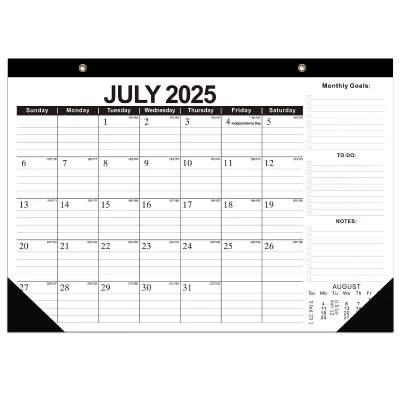


Calendar Calendar Custom Design Desk Calendar and Wall Calendar Printing
$0.40 - $1.50
MOQ: 300 Pieces


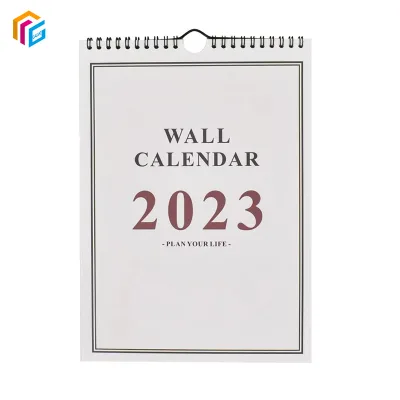


Comprehensive Sourcing Guide
Strategic Sourcing Guide for Coated Paper Wall Calendars
Understanding Product Specifications and Material Composition
The core of sourcing a Coated Paper Wall Calendar lies in verifying the specific material composition and finishing processes that define the product's durability and aesthetic appeal. Based on the available market data, the primary material for these items is paper, specifically selected for its ability to accept high-quality printing and various surface treatments. The term "coated paper" in this context refers to paper that has undergone a surface treatment process, typically involving lamination, to enhance visual clarity and protect the printed content. The observed specifications indicate that surface finishes are highly customizable, with options including both glossy and matte lamination. This distinction is critical for buyers, as the choice between a glossy finish, which offers vibrant color reproduction and a reflective sheen, and a matte finish, which reduces glare and provides a more sophisticated, non-reflective texture, directly impacts the final product's suitability for different environments.
Furthermore, the structural integrity of the calendar is determined by its binding method. The market data reveals two primary binding styles: perfect binding and spiral binding. Perfect binding involves gluing the pages together at the spine, creating a flat, book-like appearance that is common for desk and wall calendars where a clean, professional look is desired. In contrast, spiral binding utilizes metal or plastic coils to hold the pages, allowing the calendar to lay completely flat when opened, which can be advantageous for daily use in office settings. Buyers must also consider the size specifications, which are often customizable. While some standard dimensions exist, such as the 610*840mm format observed in specific listings, the majority of suppliers offer tailored sizing to fit specific display requirements. The product models range from generic designations like "OEM" to specific codes such as "Miyi 01" or "H-005," indicating a high degree of customization potential in the supply chain.
Compliance, Certification, and Safety Standards
When evaluating coated paper wall calendars for procurement, particularly for promotional or gift purposes, compliance with safety and environmental standards is a paramount consideration. The supply chain data indicates that while some suppliers reference the SGS standard, this is not a universal attribute across all listed products. SGS is a recognized inspection, verification, testing, and certification company, and its mention suggests that certain manufacturers may offer third-party verification for quality or material safety. However, buyers should not assume that every listed product automatically carries this certification without explicit verification from the supplier. The presence of FSC (Forest Stewardship Council) certification is noted in background knowledge, but it is not confirmed as a standard attribute in the specific product listings provided. Therefore, procurement teams must actively request proof of FSC or similar sustainable forestry certifications if environmental responsibility is a corporate requirement.
Safety compliance is also relevant when the product is intended for specific demographics. The data explicitly notes that some products are suitable for children. This classification implies that the materials used, including the paper, inks, and binding components, must meet specific safety thresholds regarding toxicity and physical hazards. For instance, if a calendar is marketed for children, the inks should be non-toxic, and the binding materials should not pose a choking hazard or contain sharp edges. The "customized" nature of the product standard allows for variations in compliance levels depending on the target market. Buyers importing these goods into regions with strict regulations, such as the European Union or North America, must verify that the specific batch they are purchasing meets local safety standards, regardless of the general "custom" label often applied to the product standard in listings.
Cost Drivers and Pricing Structure Analysis
The pricing structure for coated paper wall calendars is influenced by a complex interplay of customization, volume, and material choices. The observed price range in the market spans from $0.10 to $3.00 USD per unit. This wide variance is not indicative of a single product tier but rather reflects the spectrum from basic, high-volume promotional items to premium, fully customized designs. The primary cost driver is the level of customization. Products with "customized designs acceptable" and "customized" color options, such as the specific themes observed (e.g., "Black classic," "Fresh watercolor," "Fluid," "Euro"), command higher prices due to the setup costs for printing plates and the labor involved in design proofing.
Volume is the second significant factor. The Minimum Order Quantity (MOQ) ranges from as low as 1 unit to as high as 3000 units, with a specific observation of an MOQ of 500 pieces for certain models. This flexibility allows buyers to scale their orders based on budget and forecast accuracy. However, the unit price typically decreases as the order quantity increases, a standard economic principle in manufacturing. The "Sample Time" of 1-3 days and "Sample" availability of 5-7 days suggest that the initial prototyping phase is relatively fast, but the bulk production lead time, observed at 15 days for delivery, adds to the overall cost of capital for the buyer. Additionally, the packaging method, whether "Carton Box," "OPP Bag," or "Custom" packing, influences the final cost. Custom packaging solutions, while offering better brand presentation, incur higher material and labor costs compared to standard bulk packaging. Buyers must balance the desire for premium packaging and design against the unit cost to ensure the total procurement budget aligns with the intended return on investment, especially for promotional items where the cost per unit is a critical metric.
Typical Applications and Market Segmentation
Coated paper wall calendars serve diverse functions across various market segments, driven by their versatility in design and utility. The primary applications identified include office gifts and decoration, home decoration, and promotional activities. In a corporate setting, these calendars are frequently utilized as branded promotional tools. The "Advertising" pattern attribute and the "Promotional: Yes" designation highlight their role in brand visibility. Companies often commission these calendars with their logos, corporate colors, and specific messaging to distribute to clients or employees, serving as a year-round reminder of the brand. The "Photo Frame" use case suggests that some models are designed to hold personal or corporate photographs, adding a layer of personalization that enhances their value as gifts.
For the home decoration sector, the aesthetic appeal of the coated paper and the variety of styles, such as "Wall Calendar" and "Desk Calendar," make them suitable for interior design. The observed color options, ranging from "Red" to "Blue classic" and various artistic themes like "Fresh flower" and "Watercolor flowers," cater to different interior design preferences. The "Suitable for: Children" attribute opens a niche market for educational or family-oriented calendars, which can be used in schools or homes to track dates and events. The "Date Type" varies between yearly and monthly calendars, allowing buyers to select the format that best fits the intended usage. A yearly calendar provides a broad overview of the year, ideal for wall mounting in offices or homes, while a monthly calendar might be preferred for desk placement where space is limited. The "Export Market: Global" status of the suppliers indicates that these products are designed to meet international aesthetic and functional standards, making them adaptable for a wide range of cultural contexts.
Supplier Evaluation and Geographic Considerations
Evaluating suppliers for coated paper wall calendars requires a focus on their geographic location, production capabilities, and flexibility. The data indicates that the primary manufacturing hubs are located in Guangdong, China, and Shenzhen, China. These regions are renowned for their robust printing and paper processing industries, offering a dense network of suppliers capable of handling high-volume orders and complex customization. The proximity of these suppliers to major ports facilitates efficient logistics for global export. However, buyers must verify the specific location of the factory, as "China" is a broad designation, and the specific city can impact shipping costs and lead times.
When assessing a supplier, the "Customization" attribute is a key indicator of capability. Suppliers that explicitly state "Customized Designs Acceptable" and offer "Custom" packing and standards are better equipped to handle bespoke orders. The ability to provide samples within 1-3 days is a strong signal of operational efficiency and responsiveness. Buyers should also scrutinize the "Standard" attribute; while some suppliers list "SGS" or specific size standards like "610*840mm," others list "custom" or "customize." This variation suggests that buyers must clearly define their requirements before engaging with a supplier to ensure they can meet the specific technical and quality expectations. The "OEM" (Original Equipment Manufacturer) model is prevalent, meaning suppliers are willing to produce goods under the buyer's brand name. This is crucial for companies seeking private-label solutions. However, the lack of a specific supplier name in the data underscores the importance of conducting due diligence to identify reliable partners within these regions who can consistently deliver on quality and timelines.
Quality Control and Long-Term Procurement Strategy
Ensuring consistent quality in coated paper wall calendars requires a robust quality control (QC) strategy that addresses material consistency, print fidelity, and structural durability. The "Surface Finish" options, such as embossing and lamination, must be verified during the sampling phase. Buyers should physically inspect samples for uniformity in the gloss or matte finish, ensuring there are no bubbles, wrinkles, or uneven coating applications that could detract from the product's appearance. The binding strength is another critical QC point; whether perfect binding or spiral, the calendar must withstand repeated handling without pages detaching or the spine cracking. The "Delievery Time" of 15 days suggests a relatively short production cycle, which can be beneficial for just-in-time inventory management but requires tight coordination to prevent delays.
For long-term procurement, establishing a strategic partnership with a supplier who offers flexible MOQs and rapid sample turnaround is essential. The ability to adjust order quantities from 500 to 3000 units allows buyers to manage inventory risks effectively. Buyers should also consider the lifecycle of the product; since these are often used for a full year, the durability of the paper and the fade resistance of the inks are vital. While specific test results are not provided in the data, buyers should request durability reports or conduct their own stress tests on samples before placing large orders. Furthermore, maintaining open communication regarding design updates and seasonal trends can help buyers stay competitive. The "Global" export market status implies that suppliers are experienced in handling international logistics, but buyers must still verify shipping terms and insurance coverage to protect against transit damage. By focusing on these quality and strategic factors, buyers can secure a reliable supply chain for coated paper wall calendars that meets both functional and aesthetic requirements.
FAQs
What materials are used for coated paper wall calendars?
The primary material is paper, specifically selected for high-quality printing and surface treatments. These calendars often feature glossy or matte lamination to enhance visual clarity and protect the printed content from wear and tear.
Can I get customized designs for these wall calendars?
Yes, customized designs are acceptable for these products. Buyers can request specific colors, themes like watercolor or floral patterns, and custom packaging to meet unique branding or decorative needs.
Which binding styles are available for these calendars?
Two primary binding styles are available: perfect binding and spiral binding. Perfect binding creates a flat, book-like appearance, while spiral binding allows the calendar to lay completely flat for daily use.
What is the typical lead time for delivery?
The typical delivery time is around 15 days for bulk orders. Sample times are faster, often ranging from 1 to 3 days for production and 5 to 7 days for delivery, depending on the supplier.
How does the price range vary for these items?
The observed price range spans from 0.1 to 3 USD per unit. This variance depends on the level of customization, order volume, and specific finishing options like embossing or lamination selected by the buyer.
What are the standard sizes for these calendars?
Sizes are often customizable to fit specific display requirements. Some observed standard dimensions include formats like 610 by 840mm, but many suppliers offer tailored sizing options for both wall and desk placements.
Are these calendars suitable for children?
Yes, some products are explicitly suitable for children. This classification implies that materials and inks used meet specific safety thresholds regarding toxicity and physical hazards for younger demographics.