Source Coated Guitar String Ferrules for repairs, upgrades, and builds
Compare 30 listings for Coated Guitar String Ferrules from verified suppliers in Shenzhen. Buyers can evaluate alloy and steel options with varying diameters and packaging details to find the right parts for their projects.
Key considerations
Products List








Comprehensive Sourcing Guide
Coated Guitar String Ferrules Sourcing Guide
Sourcing Coated Guitar String Ferrules requires a nuanced understanding of both the mechanical components that secure strings and the specialized coatings that enhance their longevity. These small but critical hardware pieces serve as the anchor point for string ends, preventing slippage and ensuring stable tuning. When buyers specify "coated" variants, they are often looking for components that resist corrosion and reduce friction, which is particularly important for high-performance instruments or humid environments. The procurement process must balance the aesthetic and functional benefits of the coating with the structural integrity of the ferrule itself, ensuring that the added layer does not compromise the clamping force or the fit within the guitar body.
The market for these components is diverse, ranging from standard metal ferrules to those with specific aesthetic finishes like chrome, black, or gold plating. Buyers must distinguish between the ferrule as a standalone part and the complete string assembly, as some listings may conflate the two. Understanding the distinction between the mounting mechanism and the string material is vital for accurate inventory management and cost calculation. This guide provides a structured approach to evaluating suppliers, verifying technical specifications, and establishing commercial terms that protect the buyer’s interests while ensuring the quality of the final instrument components.
Product Scope and Observed Listing Signals
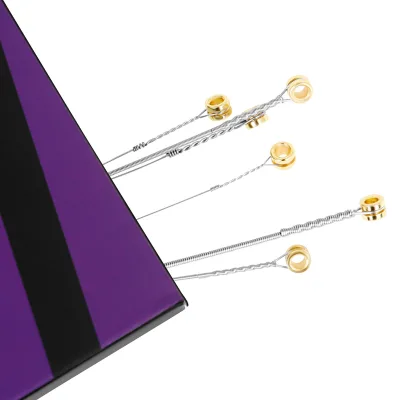
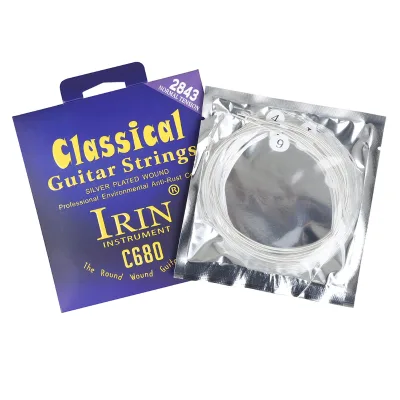
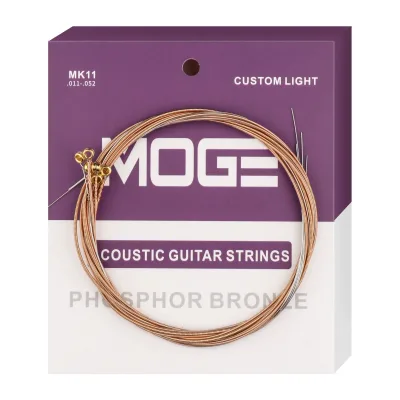
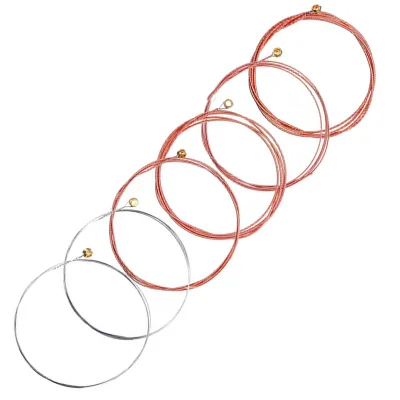
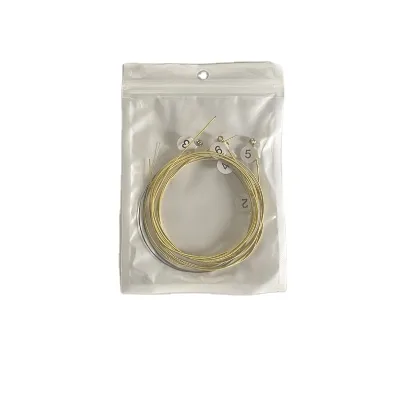
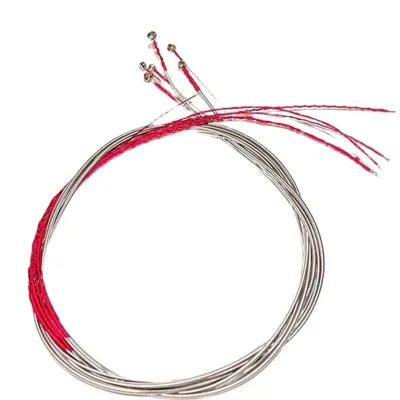
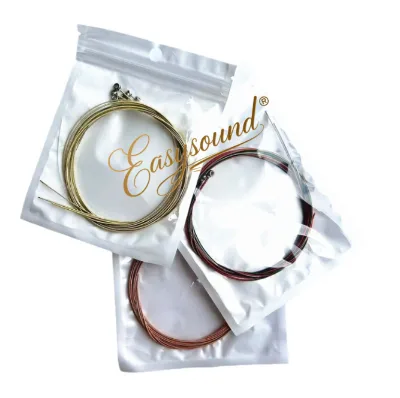
The observed market signals indicate a wide variance in product definitions, ranging from standalone string mounting ferrules to complete sets of guitar strings with specific gauges and coatings. Listings frequently display attributes such as "String Mounting Ferrules" alongside models like SF002 and SF001, which suggests a focus on the hardware component itself. However, other entries describe complete string sets, such as the GS012 model, which features a 012 gauge and is explicitly labeled for guitar use. This duality in product scope means that buyers must carefully scrutinize the item description to determine whether they are purchasing the metal ferrule, the string, or a bundled package. Misinterpretation of these signals can lead to incorrect order quantities and mismatched inventory.
Price and minimum order quantity (MOQ) ranges further highlight the diversity of the supply base. Observed prices span from $0.30 to $22.50, reflecting the difference between individual ferrules and premium coated string sets. Similarly, MOQs vary significantly, from as low as one unit for sampling purposes to 1,000 units for bulk production runs. This variability allows buyers to scale their procurement strategy, starting with small orders for quality verification before committing to larger volumes. The presence of customization options and various packaging formats, such as carton boxes or industry-specific packing, indicates that suppliers are flexible and capable of meeting specific branding or logistical requirements.
Technical Specifications to Verify
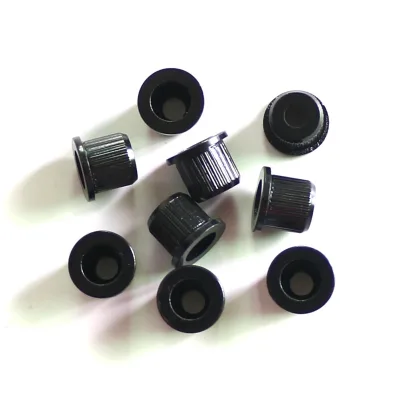
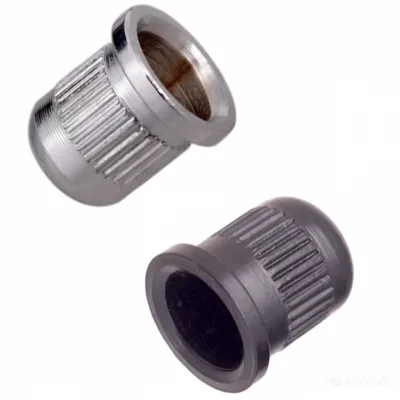
Dimensional accuracy is the most critical technical factor when sourcing ferrules, as even minor deviations can affect string stability and instrument playability. Buyers should verify the outer diameter (OD) and inner diameter (ID) of the ferrules, as these measurements must match the drill holes in the guitar bridge or tailpiece. Observed listings show ODs of 10mm and 8mm, and an ID of 6mm, which are common standards but not universal. It is essential to confirm that the selected ferrule model, such as SF002-BK or SF001, aligns with the specific guitar design being manufactured or serviced. Relying on generic specifications without verifying the exact dimensions against the target instrument can result in fitment issues that compromise the final product.
Material composition and coating quality are equally important considerations that impact durability and performance. Ferrules are typically made from alloys or metals, with some listings specifying hexagonal high carbon steel cores for enhanced strength. The coating, whether described as "coated," "chrome," "black," or "gold," serves to protect against corrosion and reduce string wear. Buyers should request material certifications or test reports to verify that the coating adheres properly and does not flake under tension. Additionally, the finish, such as a matte or glossy surface, should be confirmed to ensure it meets aesthetic requirements. The presence of active pickups or other electronic components in some listings suggests that ferrules may be part of a larger assembly, requiring coordination with other hardware specifications.
Compliance and Safety Documentation
Regulatory compliance is a non-negotiable aspect of sourcing guitar components, particularly when dealing with materials that come into direct contact with musicians. Buyers must ensure that all ferrules and associated materials comply with international standards for restricted substances, such as lead-free and nickel-free requirements, depending on the target market. While some listings mention SGS or ISO9001 standards, these certifications typically apply to the supplier’s quality management system rather than the specific product’s safety compliance. It is crucial to request product-specific test reports that verify the absence of harmful chemicals in the coatings and metals used. This due diligence protects the brand from liability and ensures that the products are safe for consumer use.
Documentation also plays a key role in supply chain transparency and traceability. Buyers should require detailed material safety data sheets (MSDS) and certificates of conformity for each batch of ferrules purchased. These documents provide evidence that the materials meet the specified standards and help in auditing the supply chain for ethical and environmental compliance. In cases where customization is involved, such as specific color or packaging requirements, the documentation should reflect these variations to ensure consistency across orders. Maintaining a robust record of compliance documents not only facilitates smoother customs clearance but also enhances the brand’s reputation for quality and responsibility.
Cost Drivers and Commercial Terms
The cost of Coated Guitar String Ferrules is influenced by several factors, including material costs, manufacturing complexity, and order volume. The use of high-quality alloys and specialized coatings can increase the base price, while economies of scale can reduce the per-unit cost for larger orders. Buyers should analyze the price range of $0.30 to $22.50 to understand the value proposition of different suppliers. It is important to distinguish between the cost of the ferrule itself and the cost of additional services, such as custom packaging or branding. Transparent pricing structures that break down these components help buyers make informed decisions and avoid hidden fees that can erode profit margins.
Commercial terms, including payment methods and delivery details, are critical for managing cash flow and supply chain reliability. Common payment options such as T/T, PayPal, and Western Union offer flexibility, but buyers should negotiate terms that align with their financial policies. Delivery times typically range from 7 to 30 days, depending on the order size and customization requirements. Buyers should establish clear agreements on lead times and penalties for delays to mitigate the risk of production disruptions. Additionally, packaging specifications, such as carton boxes with 1,000 pieces per carton, should be confirmed to ensure efficient logistics and storage. Clear communication of these terms at the outset of the relationship helps prevent misunderstandings and fosters a stable partnership.
Supplier Qualification and Quality Control
Supplier qualification is the first step in ensuring a reliable supply of Coated Guitar String Ferrules. Buyers should conduct thorough due diligence on potential suppliers, verifying their business licenses, production capabilities, and quality control processes. Suppliers located in regions like Shenzhen, Guangdong, China, often have established manufacturing ecosystems, but this does not guarantee consistent quality. It is essential to request samples and conduct independent testing to verify the dimensional accuracy, material composition, and coating durability of the ferrules. Establishing a clear quality standard and communicating it to the supplier is crucial for maintaining consistency across orders.
Quality control should be an ongoing process, not just a one-time verification. Buyers should implement regular inspections, either through third-party agencies or internal teams, to monitor production quality. Statistical process control (SPC) methods can be used to track key metrics such as dimensional variance and defect rates. Any deviations from the agreed-upon standards should be addressed immediately through corrective action plans. Additionally, suppliers should be encouraged to adopt continuous improvement practices, such as Six Sigma or Lean Manufacturing, to enhance efficiency and reduce waste. A proactive approach to quality control helps build trust and ensures that the final products meet the highest standards of performance and reliability.
Long-Term Procurement Checks
Long-term procurement success depends on the ability to adapt to market changes and maintain strong supplier relationships. Buyers should regularly review their supplier performance metrics, including on-time delivery, quality consistency, and responsiveness to issues. These metrics provide valuable insights into the reliability of the supply chain and help identify areas for improvement. Building a diversified supplier base can mitigate the risk of disruptions caused by geopolitical events, natural disasters, or production issues. By maintaining relationships with multiple qualified suppliers, buyers can ensure continuity of supply and negotiate better terms based on competitive pressure.
Continuous innovation and market monitoring are also essential for staying ahead in the guitar hardware industry. Buyers should stay informed about emerging trends in materials, coatings, and manufacturing technologies that could impact the performance and cost of ferrules. Engaging with suppliers on future product development can lead to collaborative innovations that enhance product value and differentiate the brand in the market. Additionally, buyers should regularly update their compliance documentation and quality standards to reflect changes in regulations and customer expectations. A forward-looking procurement strategy ensures that the business remains competitive and resilient in the face of evolving market dynamics.
FAQs
What customization options are available for Coated Guitar String Ferrules?
Customization is available for these guitar parts to meet specific buyer requirements. The products come in industry packing or can be packaged as your requirements. This flexibility allows buyers to tailor the packaging and specifications to their unique needs without compromising the core product quality.
Which materials are used to manufacture these guitar string ferrules?
The ferrules are primarily constructed from alloy and metal materials to ensure durability. Some specific models feature a hexagonal high carbon steel core for enhanced strength. These robust materials are selected to withstand the tension of guitar strings while maintaining a precise fit.
How long is the delivery time for orders of Coated Guitar String Ferrules?
The standard delivery detail ranges from 7 to 30 days after order confirmation. This lead time applies to the production and shipping process from the origin in Shenzhen, China. Buyers should plan their procurement schedule accordingly to ensure timely receipt of their guitar parts.
Can buyers find ferrules with specific certifications like SGS or ISO9001?
Yes, the products adhere to SGS and ISO9001 standards to ensure quality compliance. These certifications indicate that the manufacturing processes meet recognized international benchmarks for quality management. Buyers seeking verified quality assurance can rely on these documented standards for their sourcing decisions.
What payment methods are accepted for purchasing these guitar components?
Accepted payment methods include T/T, Paypal, and Western Union for transaction security. These options provide flexibility for international buyers to complete their purchases efficiently. The payment terms are designed to facilitate smooth business transactions between suppliers and buyers in the guitar parts industry.
Which specifications are available for the Coated Guitar String Ferrules?
Available specifications include outer diameters of 8mm and 10mm with various color options like black, chrome, and gold. The products are designed for 6-string guitars and come in models such as SF002 and SF001. These precise dimensions ensure compatibility with standard guitar hardware setups.