Source Coated Tempered Glass Balustrades for Building, Hotel, Apartment
Explore 30 listings for Coated Tempered Glass Balustrades suitable for building, hotel, and apartment applications. Buyers can compare specifications like thickness, material, and customization options to find the right railing solutions for various projects.
Key considerations
Products List


Outdoor Balustrade Aluminum Balustrade Glass Fence Laminated Glass Balustrades
$60.00 - $130.00
MOQ: 30 Square Meters


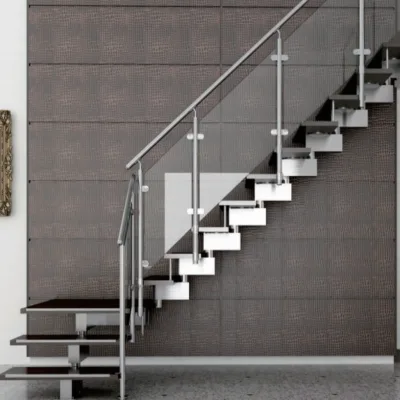
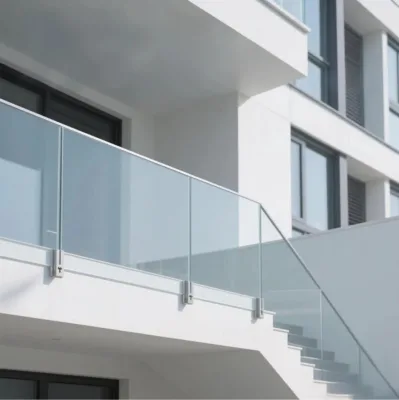


Professional Specification U Channel Glass Balustrade for High Rise Buildings
$80.00 - $100.00
MOQ: 10 Meters


Tempered Laminated Safety Glass Balustrade for Outdoor Balconies/Staircase
$1.99 - $6.99
MOQ: 1000 Square Meters


Comprehensive Sourcing Guide
Strategic Sourcing Guide for Coated Tempered Glass Balustrades
Procuring Coated Tempered Glass Balustrades requires a disciplined approach that balances aesthetic customization with rigorous structural safety. The market for these architectural elements is vast, yet the specifications vary significantly between suppliers. Buyers must navigate a landscape where "coated" can refer to surface treatments on the glass itself or protective finishes on the supporting metal frames. This guide synthesizes verified product attributes and industry standards to provide a framework for evaluating suppliers, ensuring that the final installation meets both design intent and safety regulations.
Technical Specifications and Material Composition
The foundation of a reliable balustrade system lies in the precise definition of its material components. In the context of Coated Tempered Glass Balustrades, the glass substrate is typically tempered to meet high safety standards. Verified product data indicates that the thickness of flat tempered glass can range up to 19mm, while curved tempered glass options are available in thicknesses such as 8mm and 12mm. These dimensions are critical for determining the structural integrity of the railing, particularly for applications involving high wind loads or heavy usage.
The coating aspect of the product is multifaceted. For the glass, options include clear, frosted, tinted, or digital printing finishes, which can be applied to achieve specific visual effects while maintaining the strength of the tempered substrate. For the supporting structures, which are often made of aluminum or stainless steel, surface treatments are essential. Observed specifications list frame finishes such as PVC coated and powder coated options. The choice between aluminum and stainless steel frames depends on the environment; aluminum offers a cost-effective solution with various coating options, while stainless steel provides superior corrosion resistance for coastal or high-moisture areas.
The structural configuration of the balustrade is equally important. Available designs include U-shape, frameless, and systems with columns. The total height of the railing is a variable specification, with standard observations noting heights around 102mm, though customization is frequently available to meet local building codes. The packing method for these heavy components is also a technical consideration; products are typically shipped in wooden crates or with inner EPE foam and exterior polywood crates to prevent damage during transit.
Compliance, Certification, and Safety Standards
When sourcing Coated Tempered Glass Balustrades, verifying compliance with national and international standards is non-negotiable. The primary standard referenced for tempered glass in the provided data is GB15763.2, which classifies the material as tempered glass with specific steel degree requirements. Buyers must ensure that the supplier can provide documentation confirming adherence to this standard or equivalent local regulations. While some background knowledge references EN 12150 and EN 12600, these should not be assumed as guaranteed specifications unless explicitly stated by the supplier.
Certification plays a pivotal role in validating the quality of the product. Verified product listings indicate that suppliers often hold CE and ISO certifications. These marks suggest that the manufacturing process and the final product have undergone specific quality assurance protocols. However, buyers should treat these certifications as observations of the supplier's current status rather than absolute guarantees for every batch. It is essential to request valid, up-to-date certificates that specifically cover the type of glass and coating being purchased. The "High Class" flatness attribute mentioned in product data further underscores the importance of quality control in the manufacturing process, ensuring that the glass panels are free from distortions that could compromise safety or aesthetics.
Cost Drivers and Pricing Dynamics
Understanding the cost structure of Coated Tempered Glass Balustrades is vital for budgeting and supplier negotiation. The observed price range in the market spans from $1 to $130 USD, though this wide variance often reflects differences in unit definitions, such as price per square meter versus price per linear meter, or the inclusion of framing hardware. The Minimum Order Quantity (MOQ) is another significant cost driver, ranging from 1 unit to 1000 units. Suppliers with lower MOQs may charge a premium per unit, while bulk orders can significantly reduce the average cost.
Several factors influence the final price. The thickness of the glass is a primary determinant; 19mm flat tempered glass will inherently cost more than 8mm or 12mm curved options. The complexity of the coating, whether it is a simple tint or a complex digital print, adds to the manufacturing cost. Additionally, the choice of frame material and finish impacts the price; powder-coated aluminum frames are generally more affordable than stainless steel frames with custom powder coatings. Customization is a major cost variable; while standard sizes are available, bespoke dimensions for height, thickness, and shape require additional engineering and production time, often leading to higher unit costs. The origin of the product, primarily China with specific hubs in Qingdao and Guangdong, also affects logistics costs, which should be factored into the total landed cost.
Typical Applications and Design Integration
Coated Tempered Glass Balustrades are versatile and find application across a wide spectrum of sectors. The verified usage categories include building construction, furniture, home appliances, electronics, automotive manufacturing, daily products, and even military applications. In the context of architectural railings, specific applications highlighted include hotels, apartments, and residential spaces. The versatility extends to various locations within a building, such as stairs, composite decking, balconies, and bridge railings.
The design flexibility of these products allows them to integrate seamlessly into modern architectural styles. Frameless designs are particularly popular for creating a sense of openness and maximizing light flow, making them ideal for high-end apartments and hotel lobbies. The availability of digital printing on glass allows for custom branding or artistic patterns, which can be used to enhance the aesthetic appeal of commercial spaces. The position of the balustrade, whether as a bridge railing, deck railing, or balcony railing, dictates the specific structural requirements. For instance, bridge railings may require higher load-bearing capacities compared to interior stair railings. The ability to customize the structure and size ensures that the balustrade can be tailored to the unique geometric challenges of any project.
Supplier Evaluation and Origin Verification
Selecting the right supplier requires a thorough evaluation of their capabilities and geographical location. The majority of the observed products originate from China, with specific manufacturing hubs identified in Qingdao and Guangdong. These regions are known for their robust glass processing and metal fabrication industries. When evaluating a supplier, buyers should verify their production capacity and the specific models they offer. Product models such as TS-R-04 and TS-R-05 indicate a structured approach to product lines, suggesting a level of standardization that can aid in quality control.
The supplier's ability to handle customization is a key differentiator. Many listings indicate that thickness, size, and standard dimensions can be customized. Buyers should assess the supplier's flexibility in accommodating these requests without compromising on quality. The packaging method is another indicator of a supplier's professionalism; those offering inner EPE foam protection and exterior polywood crates demonstrate a commitment to protecting the product during shipping. Furthermore, the "High Quality, Reasonable Price" advantage noted in product attributes should be validated through reference checks or sample evaluations. Buyers should avoid suppliers who cannot provide clear documentation regarding their origin, certifications, or technical specifications.
Quality Control and Long-Term Procurement Considerations
Ensuring the long-term performance of Coated Tempered Glass Balustrades requires a proactive approach to quality control. The physical tempering process is a critical step that transforms the glass into a safety material. The "Physically Tempered" attribute confirms that the glass has undergone this process, which increases its strength and ensures that if it breaks, it shatters into small, less hazardous pieces. Buyers should verify that the tempering process is consistent across all batches to prevent weak points in the installation.
For the coated frames, the durability of the surface treatment is paramount. PVC coated and powder coated finishes offer different levels of resistance to weathering and wear. In outdoor applications, such as deck railings or bridge railings, the coating must withstand UV exposure, moisture, and temperature fluctuations. Regular maintenance and inspection protocols should be established as part of the procurement plan. The "High Class" flatness of the glass ensures that the visual quality remains high over time, but any deviation during installation could lead to stress points.
Long-term procurement considerations also include the availability of replacement parts and the supplier's after-sales support. Given the custom nature of many balustrade systems, having a reliable source for replacement glass or frame components is essential. Buyers should establish a relationship with a supplier who can provide consistent quality over time, rather than seeking the lowest price for a single order. The ability to customize thickness and size for future projects ensures that the procurement strategy remains flexible and adaptable to changing design needs. By focusing on verified standards, robust certifications, and clear technical specifications, buyers can secure Coated Tempered Glass Balustrades that meet the highest standards of safety and aesthetics.
FAQs
What thickness options are available for flat tempered glass?
Flat tempered glass is available up to 19mm thickness, while curved options come in 8mm and 12mm. These dimensions are critical for structural integrity and must be selected based on specific load requirements and application safety standards.
Which certifications do suppliers typically hold for these products?
Suppliers often hold CE and ISO certifications to validate quality assurance protocols. Buyers should request valid certificates covering the specific glass type and coating to ensure compliance with safety regulations and manufacturing standards.
Can the balustrade structure be customized for specific projects?
Yes, the structure, size, and thickness can be customized to meet unique project needs. Options include U-shape, frameless, or column designs with heights around 102mm or tailored to local building codes.
What materials are used for the supporting frames?
Frames are typically made from aluminum or stainless steel to ensure durability. Aluminum offers cost-effective solutions with PVC or powder coatings, while stainless steel provides superior corrosion resistance for coastal or high-moisture environments.
How are these heavy components packaged for shipping?
Products are shipped in wooden crates or with inner EPE foam and exterior polywood crates. This robust packaging prevents damage during transit and ensures the glass and frames arrive in pristine condition for installation.
What are the primary applications for Coated Tempered Glass Balustrades?
These balustrades are used in hotels, apartments, stairs, and bridge railings. They also serve building construction, furniture, and daily products, offering versatility for both interior and exterior architectural installations.
Where are these products typically manufactured?
Most products originate from China, with specific manufacturing hubs in Qingdao and Guangdong. These regions are known for robust glass processing and metal fabrication industries capable of handling large-scale orders.