Source cob chips camping lantern for Garden Street Park
Compare 30 verified cob chips camping lantern options featuring LED light sources, solar or battery power, and IP44 water resistance. Buyers can evaluate specifications like 50,000-hour lifespan, 100 lm/w efficiency, and customization availability for camping, night running, and outdoor lighting applications.
Key considerations
Products List
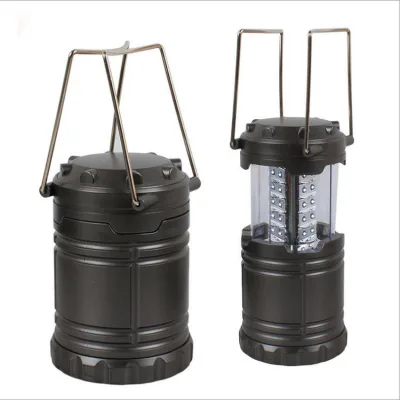


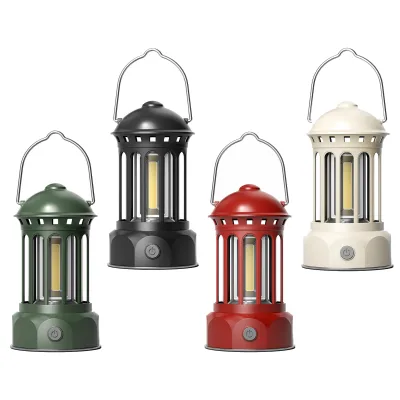




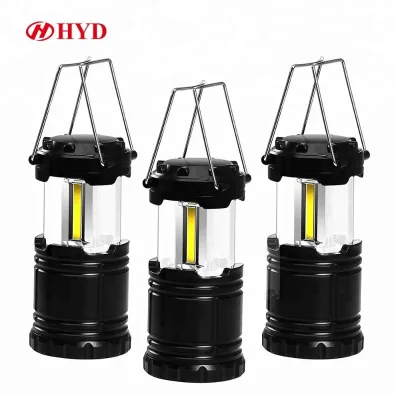
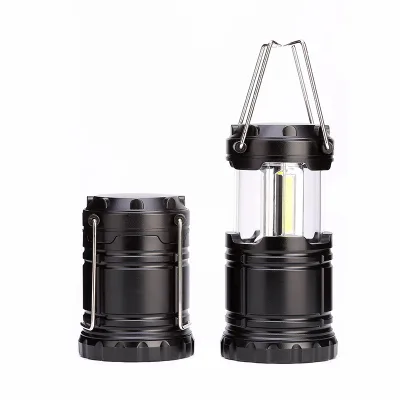

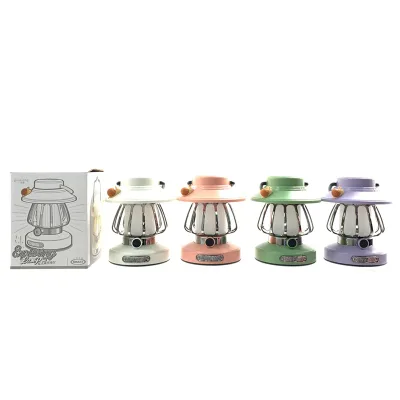

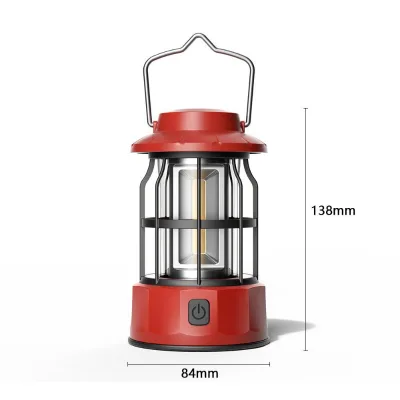
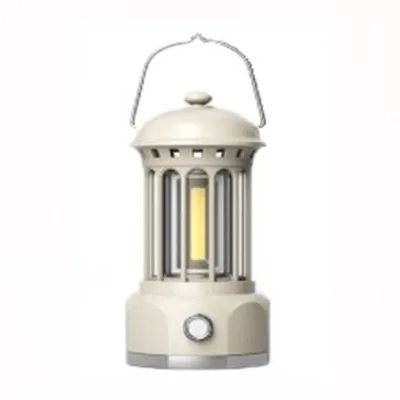
Comprehensive Sourcing Guide
Cob Chips Camping Lantern Sourcing Guide
Procuring cob chips camping lanterns requires distinguishing between integrated LED arrays and traditional discrete diodes, as the former offers superior light uniformity and compact form factors. Buyers must verify that the listed "Cob" designation aligns with the actual light source specifications provided in the product data, ensuring the unit delivers the claimed 100 lm/w efficiency without significant thermal degradation. The observed market data indicates a strong presence of solar-powered units with ABS construction, which are ideal for rugged outdoor environments where durability and weather resistance are paramount.
When evaluating listings, procurement teams should scrutinize the specific model numbers and material compositions to confirm the product matches the intended application, such as camping or night running. The available data highlights models with IP44 ratings and 50,000-hour lifespans, suggesting a robust design for extended field use. However, buyers must remain cautious of inconsistent data points, such as varying power sources like solar panels versus rechargeable batteries, and ensure the selected unit's power architecture aligns with the specific operational requirements of the supply chain.
Product Scope and Observed Listing Signals
The current market for these lanterns presents a diverse range of specifications, with observed prices fluctuating between 0.6 and 9.06 USD and minimum order quantities ranging from 10 to 3000 pieces. This variance often reflects differences in customization levels, such as the availability of customized logos or specific color temperatures like 4100K neutral white. Buyers should note that while some listings offer single-item selling units, others may require bulk commitments, necessitating a clear assessment of inventory needs before engaging with suppliers.
Listing signals frequently highlight key attributes like SOS modes, high brightness levels, and specific applications including garden, street, and park usage. The presence of "Lighting And Circuitry Design" services suggests that some suppliers offer tailored solutions beyond standard off-the-shelf products. However, inconsistencies in product descriptions, such as varying model numbers like OPL1486 versus HLL025, indicate a fragmented catalog where buyers must carefully cross-reference technical details to avoid ordering mismatched specifications for their specific use cases.
Technical Specifications to Verify
Technical verification must begin with the light source and power architecture, as the data shows a mix of solar panels and rechargeable batteries powering these units. Buyers should confirm the actual lumen output, noting that some listings claim a maximum of 200 lumens while others specify a 30-watt power rating, which requires validation against the claimed 100 lm/w efficiency. Ensuring the power source matches the intended deployment environment is critical, as solar-dependent units may underperform in low-light conditions compared to battery-operated alternatives.
Durability and physical dimensions are equally critical, with observed materials ranging from ABS to ABS+PS and IP44 water resistance ratings. The single package size of 10.5x10.5x14.5 cm and a gross weight of 0.236 kg provide a baseline for logistics planning, but buyers must verify if these dimensions apply to the specific model being ordered. Additionally, the runtime of less than 10 hours for certain rechargeable models necessitates a clear understanding of the expected usage cycle to ensure the lantern meets the operational demands of camping or emergency scenarios.
Compliance and Safety Documentation
Compliance verification is essential, as the observed product data lists certifications including ECE, CE, RoHS, and Reach, though the confidence levels for some of these vary. Buyers must request valid test reports to confirm that the CE and RoHS certifications are current and applicable to the specific batch of lanterns being purchased, as these standards are crucial for market access in Europe and other regulated regions. The presence of ECE certification is particularly significant for automotive or street lighting applications, requiring strict adherence to safety protocols.
Safety documentation should also address the electrical components, specifically the solar panels and rechargeable batteries used in these units. While the data mentions water resistance, it does not explicitly detail the IP rating for the internal battery compartment, which is a potential vulnerability in outdoor settings. Procurement teams should ensure that the supplier provides comprehensive safety data sheets and that the product meets the relevant standards for electrical safety and chemical restrictions, particularly regarding the ABS and PS materials used in the housing.
Cost Drivers and Commercial Terms
Cost structures for cob chips camping lanterns are heavily influenced by customization options, such as the availability of customized logos and specific color temperatures. The observed MOQ range of 10 to 3000 pieces suggests that unit costs will decrease significantly with volume, but buyers must balance this against the upfront investment required for custom branding. The variation in selling units, from single items to bulk boxes, further complicates pricing, requiring a detailed analysis of the total landed cost including packaging and shipping.
Commercial terms must account for the diverse supply chain origins, with products primarily originating from Zhejiang, China. Buyers should clarify lead times and shipping terms, as the single gross weight of 0.236 kg per unit impacts freight calculations for large orders. Additionally, the warranty period of one year is a standard offering, but procurement teams should negotiate specific terms regarding defect rates and replacement policies to mitigate the risks associated with the observed variability in product quality and performance.
Supplier Qualification and Quality Control
Supplier qualification should focus on their ability to provide consistent quality control across different model numbers and production batches. The data indicates that some suppliers offer lighting and circuitry design services, which implies a higher level of technical capability, but buyers must verify their manufacturing processes to ensure the ABS and ABS+PS materials meet durability standards. It is crucial to assess the supplier's track record in delivering products with the claimed 50,000-hour lifespan and consistent IP44 water resistance ratings.
Quality control protocols must include rigorous testing of the light source and power systems to prevent failures in the field. Buyers should request pre-shipment inspections that specifically check for the correct emission color, such as white or cold white, and verify the functionality of the SOS mode. Given the observed inconsistencies in product descriptions, implementing a strict acceptance criteria based on the verified technical specifications is essential to ensure that the delivered lanterns meet the required performance standards for camping and outdoor applications.
Long-Term Procurement Checks
Long-term procurement strategies should prioritize suppliers who demonstrate stability in their product specifications and certification status over time. The observed mix of solar and battery-powered units suggests that buyers should plan for a diversified portfolio to mitigate supply chain risks associated with specific power technologies. Regular audits of the supplier's quality management systems are necessary to ensure that the claimed 100 lm/w efficiency and 50,000-hour lifespan remain consistent across future production runs.
Buyers must also establish a feedback loop to monitor product performance in the field, particularly regarding the durability of the ABS housing and the reliability of the water resistance features. Tracking the warranty claims and return rates will provide valuable data on the long-term viability of the supplier's products. By maintaining a close relationship with the supplier and demanding continuous improvement in product quality, procurement teams can ensure a reliable supply of high-performance cob chips camping lanterns for their specific market needs.
FAQs
What certifications do these camping lanterns have?
These camping lanterns typically hold ECE, CE, and RoHS certifications, ensuring compliance with international safety and environmental standards. Some models also meet Reach regulations. Buyers should verify specific certification documents with suppliers to confirm that the products meet the regulatory requirements of their target export markets before placing orders.
Can I customize the logo on these lanterns?
Yes, customization is available for many models, allowing buyers to add their own logo to the product. This service supports branding efforts for retail or promotional use. Buyers should confirm the customization options and any associated minimum order quantities with the supplier to ensure the design meets their specific marketing requirements.
What is the typical lifespan of these LED lanterns?
The typical lifespan of these LED lanterns is approximately 50,000 hours, providing long-term reliability for outdoor activities. This duration ensures consistent performance over extended use periods. Buyers should note that actual lifespan may vary based on usage patterns and environmental conditions, so proper maintenance is recommended for optimal longevity.
What power sources are used in these camping lights?
These camping lights primarily use solar panels or rechargeable batteries as their power sources. Solar-powered models offer sustainable energy solutions for outdoor use, while battery-powered options provide reliable backup. Buyers should select the power source that best fits their operational needs and ensure compatibility with their intended usage scenarios.
What is the minimum order quantity for these lanterns?
The minimum order quantity for these lanterns is typically 2000 pieces, though some suppliers may offer lower MOQs starting from 10 pieces. Buyers should verify the specific MOQ with each supplier to understand the purchasing requirements. This flexibility allows businesses to order quantities that align with their inventory and sales strategies.
Where are these camping lanterns manufactured?
These camping lanterns are primarily manufactured in Zhejiang, China, a region known for its robust manufacturing capabilities. Buyers can expect products to originate from this location, which offers efficient supply chain logistics. It is advisable to confirm the exact place of origin with suppliers to ensure alignment with sourcing preferences.