Source Multi Function Cotton Bandana for Outdoor, Sports, and Fashion
Explore 30 listings for the Multi Function Cotton Bandana suitable for outdoor activities, sports, and fashion. Buyers can compare materials, sizes, and suppliers to find the best fit for their needs; compare the available evidence and request quotations based on your requirements.
Updated
Key considerations
Products List
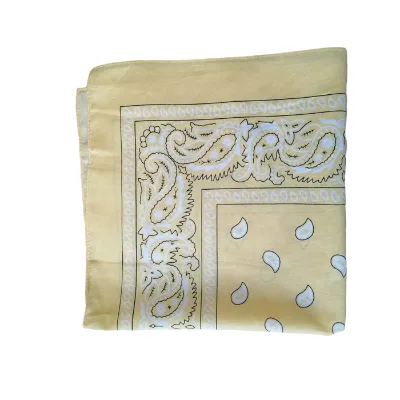
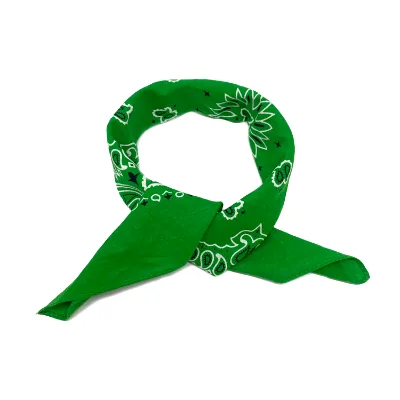
Custom MultiPurpose Cotton Bandana Party Outdoor Favor Scarf Headband Bandana
$0.20 - $0.80
MOQ: 100 pieces
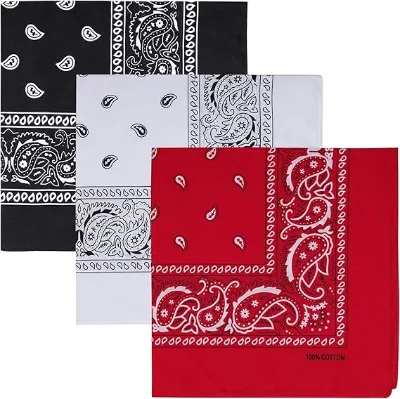
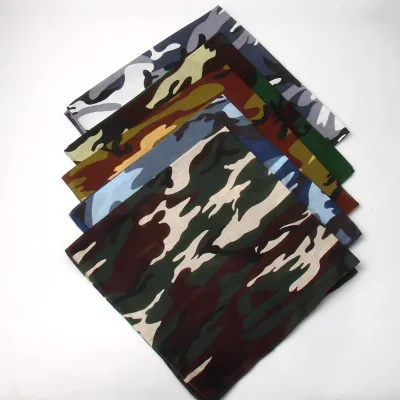
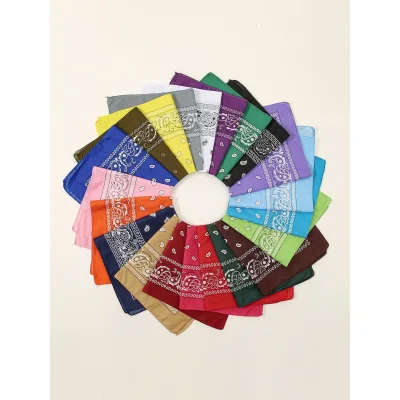
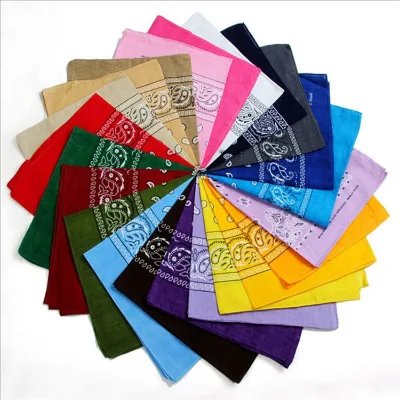
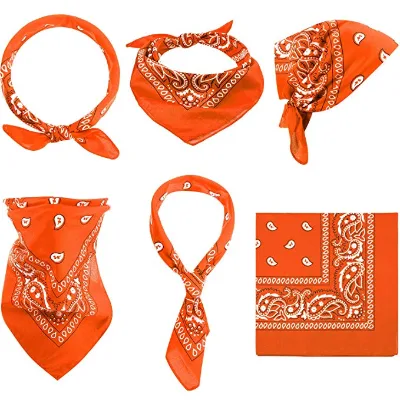





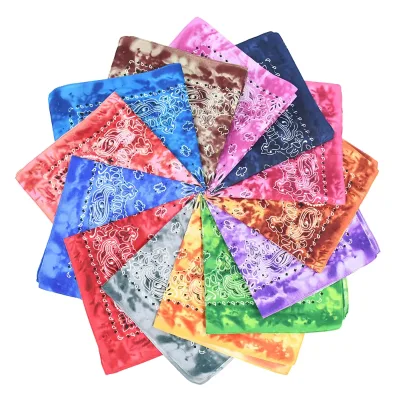
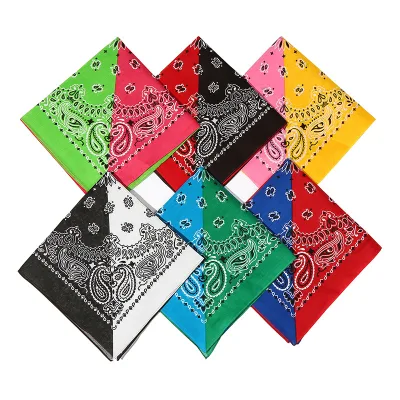
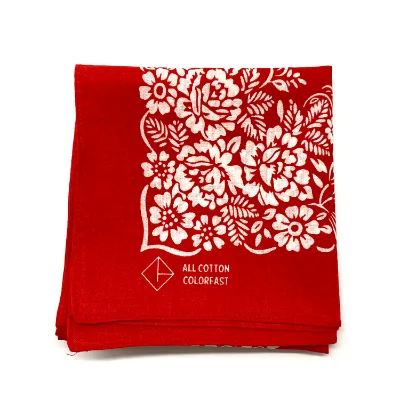
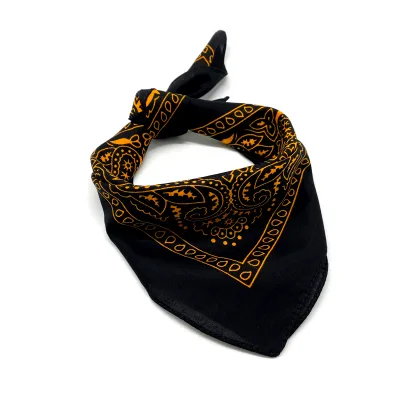
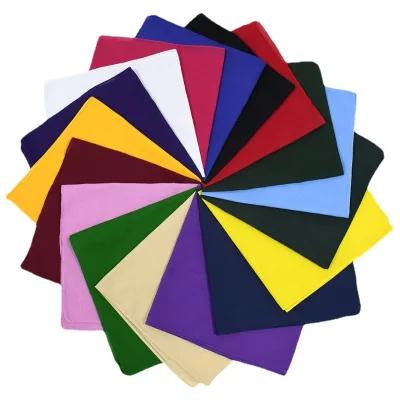
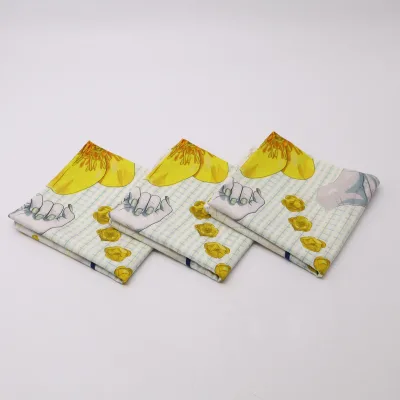
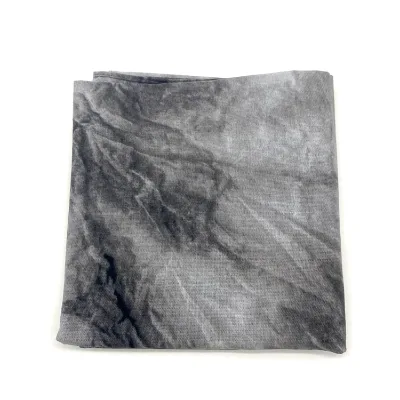
Multifunction Colourful Sublimation Printing Custom Logo Cotton Square Bandana
$0.14 - $0.58
MOQ: 100 pieces
Comprehensive Sourcing Guide
Multi Function Cotton Bandana Sourcing Guide
Sourcing multi-function cotton bandanas requires a clear understanding of the diverse material compositions and functional claims present in the current market. Buyers must distinguish between pure cotton options and blended fabrics, as these differences significantly impact durability, comfort, and suitability for specific outdoor activities. The observed product landscape includes items explicitly labeled as cotton bandanas alongside those combining cotton with polyester or silk, necessitating careful verification of material composition before placing orders.
Procurement teams should also evaluate the printing methods and design elements that define the product’s aesthetic and functional value. Digital printing is a common technique observed in listings, allowing for vibrant, multicolor designs that appeal to fashion-conscious consumers. However, buyers must ensure that the printing process does not compromise the fabric’s breathability or softness, which are critical for products intended for direct skin contact during outdoor use or street-style fashion applications.
Product Scope and Observed Listing Signals
The current market offers a wide variety of bandanas categorized under adult departments, with origins primarily in Jiangsu and Zhejiang provinces in China. Listings indicate a strong emphasis on multifunctional usage, targeting outdoor activities and general fashion needs. The observed product range includes various styles, from European and American designs to street-style camouflage patterns, reflecting diverse consumer preferences. Buyers should note that while many items are marketed as cotton, some listings specify blends or entirely different materials like polyester or silk, requiring precise specification checks.
Size and packaging specifications vary significantly across suppliers, with standard dimensions often cited as 54x54 cm, though custom requests are frequently welcomed. Packaging units typically consist of twelve pieces per OPP bag, with single package sizes ranging from compact 10x10x4 cm boxes to larger 27x27x0.4 cm configurations. These variations impact logistics and storage costs, so buyers must align their packaging requirements with their distribution channels. Additionally, single gross weights range from 0.029 kg to 0.090 kg, influencing shipping calculations and final product pricing.
Technical Specifications to Verify
Material composition is the most critical technical specification to verify, as the term "cotton bandana" may loosely apply to blended fabrics. Buyers must confirm whether the product is 100% cotton, a cotton-polyester blend, or contains other fibers like silk, as this affects care instructions, durability, and end-use performance. For instance, polyester blends may offer better wrinkle resistance and colorfastness, while pure cotton provides superior breathability and softness. Verification should include requesting fabric swatches to assess hand feel and weave density, ensuring the material meets the intended functional requirements for outdoor or fashion use.
Printing methods and colorfastness are also key technical factors that influence product quality and customer satisfaction. Digital printing is commonly used to achieve complex, multicolor designs, but buyers should inquire about the ink types and fixation processes to ensure the prints do not fade or bleed after washing. Additionally, specifications such as model numbers (e.g., BAN-412, LX57-1) and brand names (e.g., Boyue, Dongye, FUXI) should be documented to maintain consistency in future orders. Buyers should also verify the accuracy of size dimensions, as some listings may offer custom sizing options that require additional lead time and cost.
Compliance and Safety Documentation
Compliance with social responsibility standards is a significant factor for many international buyers, with factory audits such as BSCI and WCA mentioned in several listings. Buyers should request valid audit reports to verify that suppliers adhere to ethical labor practices, including fair wages, safe working conditions, and reasonable working hours. These certifications not only mitigate reputational risk but also ensure that the supply chain is resilient and transparent. It is advisable to confirm the currency of these audits, as outdated reports may not reflect current operational practices.
Product safety and material compliance are equally important, particularly for items intended for direct skin contact. Buyers should verify that the cotton and any synthetic blends used meet relevant safety standards for chemical content, such as restrictions on azo dyes or formaldehyde. While specific test results are not provided in the observed data, buyers should require suppliers to provide third-party lab test reports for colorfastness, pH levels, and harmful substance limits. This documentation ensures that the bandanas are safe for consumers and compliant with import regulations in target markets.
Cost Drivers and Commercial Terms
Pricing for multi-function cotton bandanas is influenced by material costs, printing complexity, and order volume. The observed price range spans from $0.09 to $3.50 per unit, reflecting the diversity in material quality and design intricacy. Buyers should note that higher prices may correlate with premium materials like silk or complex digital printing designs, while lower prices may indicate basic cotton blends or simpler patterns. Understanding these cost drivers helps buyers align their budget with their quality expectations and target market positioning.
Minimum order quantities (MOQ) and lead times are critical commercial terms that affect inventory management and cash flow. MOQs range from 39 to 6000 pieces, with some suppliers offering low MOQs for trial orders and others requiring larger volumes for cost efficiency. Delivery times are typically cited as 3-7 days, but buyers should confirm whether this refers to production time or shipping time, as international logistics can add significant delays. Additionally, OEM/ODM services are warmly welcomed by many suppliers, allowing for custom branding and design, but these services may incur additional costs and extend lead times.
Supplier Qualification and Quality Control
Supplier qualification involves assessing the manufacturer’s production capabilities, quality control processes, and responsiveness to custom requests. Buyers should verify the supplier’s experience in producing bandanas, particularly those with digital printing and multifunctional features. Requesting references or case studies from previous clients can provide insights into the supplier’s reliability and consistency. Additionally, buyers should evaluate the supplier’s ability to handle OEM/ODM projects, ensuring they have the technical expertise to meet specific design and branding requirements.
Quality control measures should be established to ensure that the final products meet the agreed-upon specifications. Buyers should implement pre-shipment inspections to check for defects in printing, stitching, and packaging. It is advisable to define clear acceptance criteria for color accuracy, size dimensions, and material composition. Regular communication with the supplier regarding quality feedback can help identify and resolve issues early in the production process. Establishing a robust quality control framework minimizes the risk of receiving substandard products and ensures customer satisfaction.
Long-Term Procurement Checks
Long-term procurement success depends on building strong relationships with suppliers and continuously monitoring their performance. Buyers should conduct regular supplier audits to ensure ongoing compliance with social and environmental standards. These audits should cover not only factory conditions but also the supplier’s commitment to continuous improvement in quality and efficiency. Maintaining open lines of communication and providing constructive feedback can foster a collaborative partnership that benefits both parties.
Additionally, buyers should stay informed about market trends and consumer preferences to adapt their product offerings accordingly. The multi-function cotton bandana market is dynamic, with changing styles and materials influencing demand. Regularly reviewing product performance and customer feedback can help identify opportunities for innovation and improvement. By staying agile and responsive to market changes, buyers can maintain a competitive edge and ensure the long-term viability of their procurement strategy.
FAQs
What materials are used for multi function cotton bandanas?
Multi function cotton bandanas are primarily made from cotton, with some options blending cotton and polyester for added durability. Silk variants are also available for premium use. These materials ensure comfort and versatility for outdoor activities, allowing buyers to choose based on specific performance needs and budget constraints.
Can I customize the size of the bandana?
Yes, OEM and ODM services are warmly welcomed for custom sizing. The standard size is 54x54 cm, but manufacturers accept requests for alternative dimensions. This flexibility allows buyers to tailor products to specific branding or functional requirements, ensuring the final item fits perfectly for intended outdoor or fashion applications.
What is the typical delivery time for orders?
The typical delivery time is 3-7 days for most orders. This rapid turnaround supports quick restocking and urgent project needs. Buyers should confirm specific lead times with suppliers, as production volume and customization complexity may slightly adjust the final schedule, ensuring timely receipt of goods for global distribution.
Which certifications do the factories hold?
Factories producing these bandanas hold factory audits including WCA and BSCI certifications. These standards verify ethical labor practices and social compliance. Buyers seeking responsible sourcing can rely on these documented audits to ensure their supply chain meets international social responsibility requirements, reducing risk and enhancing brand reputation in global markets.
What is the minimum order quantity for bulk purchases?
The minimum order quantity varies, with some suppliers requiring as low as 100 pieces, while others may set higher thresholds up to 6000 units. This range accommodates both small trial orders and large-scale commercial purchases. Buyers should verify specific MOQs with vendors to align with their inventory and budget planning.
How are the bandanas packaged for shipping?
Bandanas are typically packed in OPP bags, with 12 pieces per bag. This packaging method protects the items during transit while keeping the single gross weight low, around 0.050 kg per unit. Efficient packing reduces shipping costs and simplifies inventory management for retailers and distributors handling large volumes.