Source Cold Swagging Pipe Tapering Machine for HVAC, Auto, and Construction
Find 30 Cold Swagging Pipe Tapering Machine listings from Henan, China. Compare 2.2kW electric models with CE certification for stainless steel and square tube applications. Evaluate 380V/220V options and 1-year warranties to select the right tapering equipment for your manufacturing needs.
Key considerations
Products List
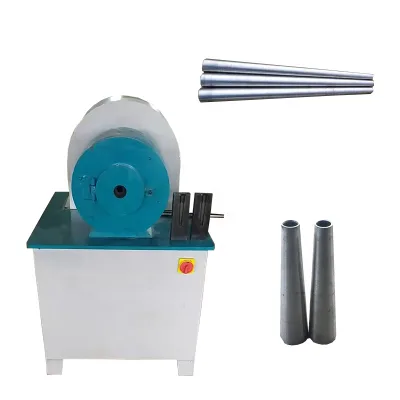
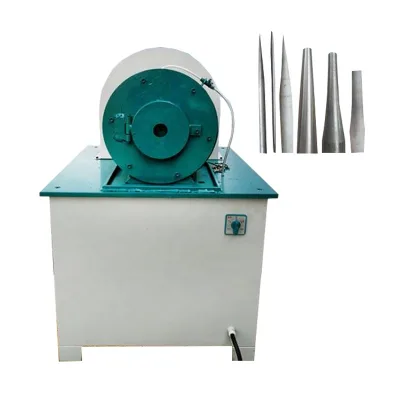
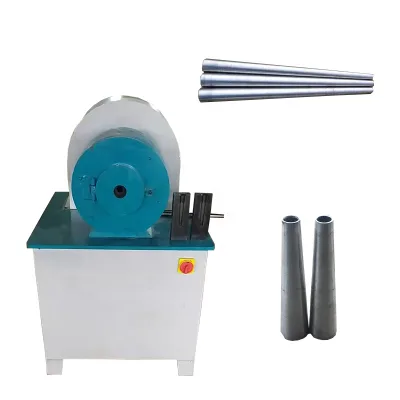


Metal Tube Automatic Cold Swaging Tapering Pipe Machine for Reducing The Diameter
$15999.00 - $29999.00
MOQ: 1 set/sets

Taper Pipe End Forming Machine Tube Swaging Machine Tapering Machine
$9999.00 - $15999.00
MOQ: 1 set/sets

Metal Furniture Tube End Shrinking Swaging Manual Pipe Tapering Machine
$4500.00 - $8500.00
MOQ: 1 set/sets

Tube Cold Forging and Roll Forming Pipe Taper Swaging Machine with Auto Feeding
$12999.00 - $16999.00
MOQ: 1 set/sets

Low Noise Shrink Forming Tube Tapering Machine for Taper Pipe End Forming
$9999.00 - $15999.00
MOQ: 1 set/sets
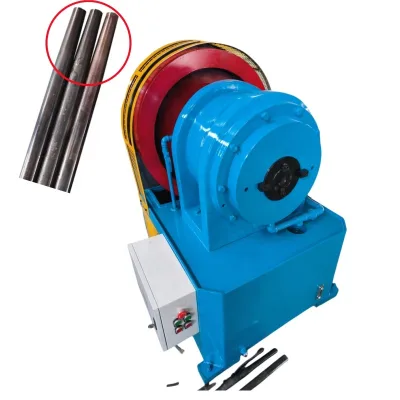


Metal Furniture Tube End Shrinking Swaging Manual Pipe Tapering Machine
$5000.00 - $11999.00
MOQ: 1 Sets


Iron / Aluminium / Carbon Steel Pipe Furniture Pipe Tapering Swaging Machine
$5000.00 - $11999.00
MOQ: 1 Sets

Hot Sale Copper Tube Tapering Reducing Swaging / Pipe End Forming Machine
$5000.00 - $11999.00
MOQ: 1 Sets


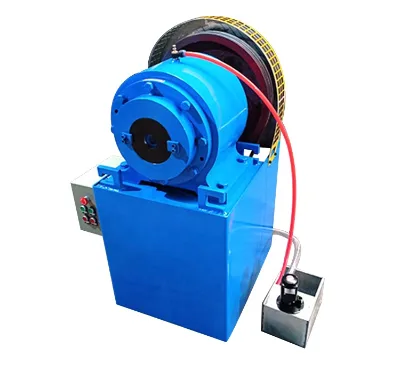
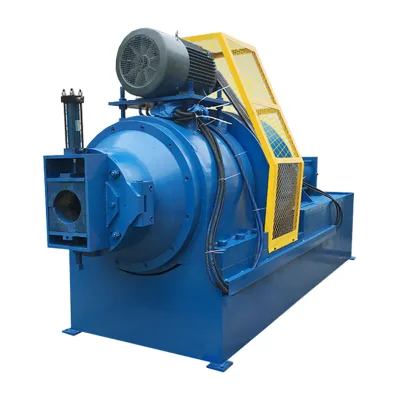
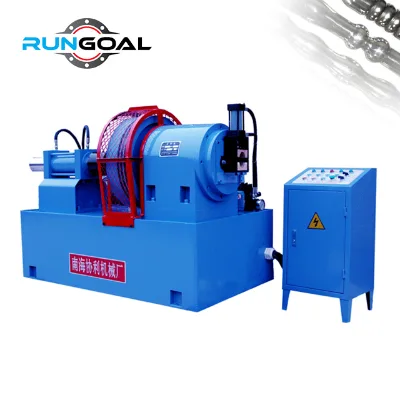
Wholesale Embossing Machine Large Tube Easy Operate Pipe Hardware Factory
$8000.00 - $15000.00
MOQ: 1 Minimum

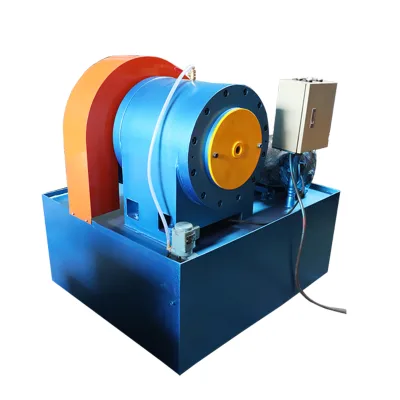
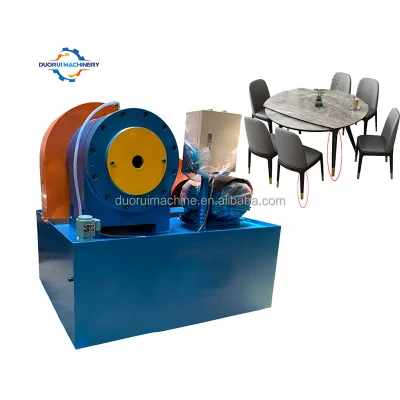

Low Noise Steel Pipe End Tapering and Swaging Machine Tube Diameter
$1000.00 - $10000.00
MOQ: 1 Pieces

Comprehensive Sourcing Guide
Cold Swagging Pipe Tapering Machine Sourcing Guide
Procurement professionals evaluating cold swagging pipe tapering machines must first distinguish between general tube tapering capabilities and specific rotary swaging technologies. The observed market listings indicate a strong focus on stainless steel and square tube applications, with machines explicitly described as performing end forming and reduction tasks. Buyers should verify that the supplier's specific unit matches the intended material thickness, as observed data suggests a capability limit of less than 2mm for certain models. This distinction is critical because a machine designed for heavy forging may lack the precision required for thin-walled stainless steel tapering, leading to material deformation or surface defects.
The commercial landscape for these machines reveals a wide variance in power ratings and voltage configurations, ranging from 2.2kW units to systems labeled simply as "other." While some listings specify 380V or 220V inputs, others do not clearly define the electrical requirements, creating a potential compatibility risk for facilities with non-standard power infrastructure. Buyers must cross-reference the machine's voltage and power source against their site's electrical capacity before finalizing a purchase. Ignoring these electrical specifications can result in installation delays or the need for costly transformer upgrades, which significantly impacts the total cost of ownership.
Product Scope and Observed Listing Signals
The product scope for cold swagging pipe tapering machines encompasses a variety of configurations, including rotary swaging and mechanical drive modes. Observed listings frequently highlight key selling points such as high productivity and ease of operation, suggesting these machines are designed for environments requiring rapid throughput with minimal operator training. The presence of "mold forging" as a forming method indicates that the process relies on specific dies to shape the pipe, meaning buyers must ensure the supplier provides the correct tooling for their specific pipe diameter and taper angle requirements.
Listing signals also reveal inconsistencies in product naming and categorization, with terms like "tube swaging machine," "pipe end forming machine," and "taper pipe machine" used interchangeably. This semantic variation requires buyers to look beyond the title and examine the detailed specifications to confirm the machine's actual function. For instance, a unit labeled as a "forging hammer" may operate differently than a dedicated "rotary swaging" unit, even if both perform tapering. Careful scrutiny of the product name and associated keywords is essential to ensure the selected equipment aligns with the specific manufacturing process intended.
Technical Specifications to Verify
Technical verification must begin with the core components, specifically the motor and engine configurations, which drive the swaging action. While some listings specify a 2.2kW power rating, others list the power as "other," necessitating a direct request for the exact motor specifications and torque output. The drive mode is identified as mechanical in several observations, which implies a reliance on gears and linkages rather than complex servo systems. Buyers should confirm the mechanical integrity of these components, as wear and tear on mechanical drives can affect the precision of the tapering process over time.
Dimensional and weight specifications are equally critical for facility planning and logistics. Observed data indicates a machine weight of 400kg for some models, while others are listed at 300kg, with a standard package size of approximately 8008001230mm. These variations impact floor load requirements and shipping costs, making it imperative to verify the exact weight and dimensions of the specific unit being purchased. Additionally, the maximum pipe thickness capability, noted as less than 2mm in some contexts, must be confirmed to ensure the machine can handle the intended production volume without exceeding its structural limits.
Compliance and Safety Documentation
Compliance verification is a primary concern when sourcing industrial machinery from international markets, particularly regarding electrical and mechanical safety standards. The observed listings mention CE and ISO certifications, with specific references to ISO 9001-2000 for company quality management and CE for product conformity. Buyers must request valid, up-to-date copies of these certificates to ensure the machine meets the safety regulations of their destination country. Relying on generic certification claims without verifying the specific certificate numbers can expose the buyer to regulatory penalties or safety hazards during operation.
Safety documentation should also include detailed operational manuals and risk assessment guides, especially for semi-automatic swagging systems. The observed "Semi Automatic Swagging" operation mode suggests that human intervention is required during the cycle, increasing the need for clear safety protocols. Buyers should verify that the supplier provides comprehensive instructions on emergency stops, guard placement, and lockout/tagout procedures. Without these documents, operators may be exposed to pinch points or moving parts, leading to potential workplace injuries and liability issues for the purchasing organization.
Cost Drivers and Commercial Terms
The cost of cold swagging pipe tapering machines is influenced by several factors, including the complexity of the swaging mechanism, the quality of the motor, and the level of customization offered. While some listings indicate a single item selling unit with an MOQ of 1, the price range observed spans from $10 to $29,999, reflecting significant differences in build quality and feature sets. Buyers should be wary of extremely low-priced units that may lack essential components or use inferior materials, as these often result in higher maintenance costs and shorter equipment lifespans.
Commercial terms such as warranty coverage and after-sales support are critical cost drivers that extend beyond the initial purchase price. The observed warranty periods vary, with some listings offering 1 year and others providing 24 months of coverage. A longer warranty period often indicates the supplier's confidence in their product's durability and their commitment to supporting the buyer. Buyers should negotiate clear terms regarding the scope of the warranty, including whether it covers parts, labor, and shipping costs for replacements, to avoid unexpected expenses during the machine's operational life.
Supplier Qualification and Quality Control
Supplier qualification requires a thorough assessment of the manufacturer's production capabilities and quality control processes. The observed place of origin is Henan, China, a region known for its manufacturing base, but buyers must verify the specific factory's track record and capacity. Requesting video outgoing inspection reports, which are mentioned in the listings, provides a valuable opportunity to witness the final testing and assembly of the machine before shipment. This visual verification helps ensure that the machine meets the agreed-upon specifications and is free from visible defects prior to leaving the factory.
Quality control should also extend to the customization capabilities of the supplier, as many listings indicate that customization is available. Buyers must confirm the supplier's ability to adapt the machine to specific pipe dimensions or taper angles without compromising structural integrity. The presence of "mold forging" as a forming method highlights the importance of die quality and precision. Buyers should request samples of previous work or detailed die specifications to ensure the supplier can deliver the required precision and consistency in the tapered pipe products.
Long-Term Procurement Checks
Long-term procurement success depends on establishing a reliable supply chain for spare parts and technical support. The core components, such as the motor and swaging molds, are subject to wear and will eventually require replacement. Buyers should verify the availability of these parts and the lead times for their delivery before finalizing the contract. A supplier with a robust inventory of spare parts can minimize downtime and ensure continuous production, whereas a lack of parts availability can halt operations entirely.
Performance monitoring and maintenance planning are essential for maximizing the lifespan of the Cold Swagging Pipe Tapering Machine. Buyers should develop a maintenance schedule based on the machine's operational hours and the specific demands of their production line. Regular inspections of the mechanical drive, motor, and swaging molds can prevent catastrophic failures and extend the equipment's useful life. Additionally, maintaining open communication with the supplier for ongoing technical assistance ensures that any operational issues are addressed promptly, safeguarding the investment and maintaining production efficiency.
FAQs
What is the power consumption of this taper pipe machine?
The machine typically operates with a 2.2 kW motor, ensuring efficient energy use during production. This power rating supports the mechanical drive mode for consistent performance. It is designed for high productivity while maintaining stable operation under standard industrial voltage conditions of 380V or 220V.
Can this machine handle stainless steel pipes for tapering?
Yes, the equipment is specifically designed for stainless steel pipe tube cone tapering and swaging. It utilizes cold swagging technology to shape metal effectively. The machine supports various pipe types, making it suitable for diverse industrial applications requiring precise end-forming and reduction processes.
What is the warranty period for the tube tapering machine?
The standard warranty coverage is one year for core components and general machine parts. Some listings may offer extended coverage up to 24 months depending on the supplier agreement. This warranty ensures support for the motor and other critical elements during the initial operational phase.
How heavy is the rotary swaging machine for installation?
The machine generally weighs between 300 kg and 400 kg, depending on the specific model configuration. This weight reflects the robust construction needed for mold forging and mechanical drive operations. Buyers should ensure their facility has adequate floor space and load-bearing capacity for safe installation and operation.
Is customization available for the pipe end forming machine?
Customization options are available to meet specific production requirements. Buyers can request modifications to suit particular pipe thicknesses or operational needs. The machine supports semi-automatic swagging and can be adapted for various industrial environments, ensuring flexibility for different manufacturing workflows and product specifications.
What certifications does the tapering machine hold?
The machine typically holds CE and ISO certifications, ensuring compliance with international safety and quality standards. These certifications verify that the equipment meets rigorous manufacturing criteria. Buyers can rely on these documented standards for regulatory compliance and quality assurance in their procurement processes.