Source Cold Sheet Vehicle Electronic Siren for Police, Ambulance, Fire
Compare 30 Cold Sheet Vehicle Electronic Siren options from verified suppliers. Buyers can evaluate specifications like voltage, power, and alarm volume for emergency vehicles, motorcycles, and outdoor security applications; compare the available evidence and request quotations based on your requirements.
Key considerations
Products List


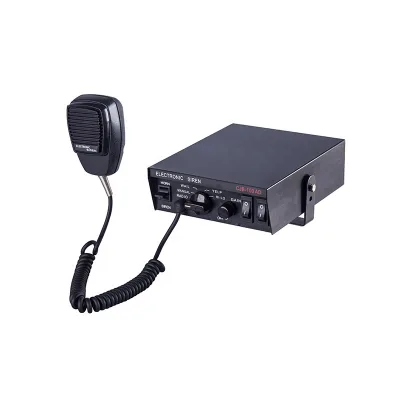

DC12V 200W Federal Signal Siren 122dB Emergency Rescue Sound PA300 Siren Horn
$19.90 - $38.00
MOQ: 100 Pieces


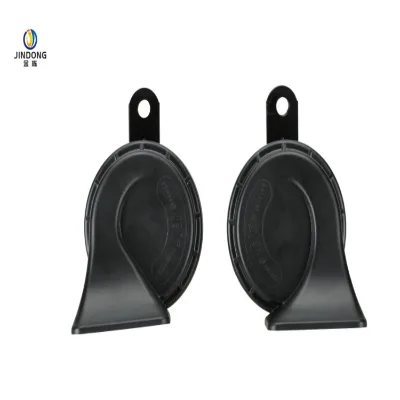

Outdoor Portable High Decibel and High Power Loudest Industry Electric Siren Alarm
$270.00 - $280.00
MOQ: 30 Pieces

Outdoor Portable High Decibel and High Power Loudest Industry Electric Siren Alarm
$270.00 - $280.00
MOQ: 30 Pieces


Comprehensive Sourcing Guide
Cold Sheet Vehicle Electronic Siren Sourcing Guide
Procuring cold sheet vehicle electronic sirens requires a disciplined approach to technical verification and supplier qualification. These devices serve as critical auditory warning systems for emergency and utility vehicles, relying on robust housing materials to withstand harsh environmental conditions. The term "cold sheet" typically refers to the manufacturing process of the metal housing, which provides structural integrity and acoustic resonance properties essential for high-decibel output. Buyers must distinguish between various siren types, such as those using electromagnetic or electro-optical principles, to ensure compatibility with their specific vehicle electrical architectures.
The sourcing landscape for these components is diverse, with manufacturers offering a wide range of customization options and power ratings. Observed listings indicate a significant variation in price and minimum order quantities, reflecting differences in feature sets, certification levels, and production volumes. Understanding the core technical specifications, such as voltage requirements, alarm volume thresholds, and signal transmission modes, is paramount for selecting the right unit. This guide provides a structured framework for evaluating suppliers and products, ensuring that procurement decisions are based on verified data rather than marketing claims.
Product Scope and Observed Listing Signals
The market for cold sheet vehicle electronic sirens encompasses a variety of models designed for different operational needs. Listings often highlight key attributes such as working modes, which can be active or passive, and transmission methods, including both cable and wireless alarm systems. For instance, some units operate on a 315MHz receive frequency, while others may utilize different frequencies like 229.95MHz, indicating diverse remote control capabilities. The housing material is frequently specified as cold sheet, which contributes to the durability and acoustic performance of the siren, making it suitable for outdoor and emergency vehicle applications.
Observed product data reveals a broad spectrum of technical configurations, including power ratings from 100W to 200W and voltage options of DC12V or 24V. Dimensions vary across models, with some units measuring approximately 15.3 x 13.5 x 5.8 cm, while others are slightly larger or more compact. Alarm volumes are a critical differentiator, with some sirens capable of producing sounds exceeding 100dB or 110dB within a one-meter radius. Buyers should carefully review these specifications to match the siren’s output and physical dimensions with their vehicle’s mounting constraints and acoustic requirements, ensuring optimal visibility and audibility in emergency situations.
Technical Specifications to Verify
Verifying technical specifications is essential to ensure the siren integrates seamlessly with the vehicle’s electrical system. Key parameters to confirm include the rated voltage, which is typically DC12V or 24VDC, and the power consumption, often listed as 100W or 200W. The working principle, whether electromagnetic or electro-optical, affects the sound generation mechanism and reliability. Additionally, the connection mode, such as double wire or wired alarm, must be compatible with the vehicle’s existing wiring infrastructure. Buyers should also check the alarm volume, which should meet or exceed 100dB or 110dB at one meter, to ensure adequate warning capability.
Further technical details include the receive frequency, which may be 315MHz or 229.95MHz for remote control units, and the tone options, such as air horn, siren, wail, or yelp. The speaker design, often described as 4-way, influences the sound quality and projection. Dimensions and housing material, specifically cold sheet construction, are crucial for physical fit and durability. Buyers must verify these specifications against their vehicle’s requirements, ensuring that the siren’s voltage, power, and physical dimensions align with their operational needs. This verification process helps prevent compatibility issues and ensures the siren performs reliably under various conditions.
Compliance and Safety Documentation
Compliance with international standards is a critical factor in sourcing vehicle electronic sirens. Many suppliers provide certifications such as CE, ISO, and RoHS, which indicate adherence to safety, quality, and environmental regulations. The CE mark, in particular, is essential for products intended for the European market, ensuring that the siren meets specific health, safety, and environmental protection requirements. Buyers should request and verify these certification documents to ensure that the products they procure are legally compliant and meet the necessary safety standards for their target markets.
In addition to certifications, buyers should inquire about the specific standards that the sirens comply with, such as CE standards for electromagnetic compatibility or ISO standards for quality management. The product origin, often listed as China or Ningbo, may also influence the regulatory requirements and testing procedures. Buyers must ensure that the sirens meet the local regulations of their operating regions, including any specific requirements for emergency vehicle equipment. Verifying compliance documentation helps mitigate legal risks and ensures that the sirens are safe and reliable for use in emergency and utility vehicles.
Cost Drivers and Commercial Terms
The cost of cold sheet vehicle electronic sirens is influenced by several factors, including power rating, certification level, and customization options. Listings show a wide price range, from as low as $1 to over $5,000, reflecting the diversity in product features and quality. Minimum order quantities (MOQs) also vary, ranging from 1 to 500 units, which can impact the overall procurement cost for smaller buyers. Buyers should consider the total cost of ownership, including shipping, tariffs, and potential customization fees, when evaluating supplier quotes.
Commercial terms, such as payment methods, lead times, and warranty policies, are also important considerations. Suppliers may offer different packing options, such as carton or box sets, which can affect shipping costs and handling. Buyers should negotiate clear terms regarding delivery schedules and after-sales support to ensure a smooth procurement process. Understanding the cost drivers and commercial terms helps buyers make informed decisions and secure favorable pricing and terms that align with their budget and operational needs.
Supplier Qualification and Quality Control
Supplier qualification is a vital step in ensuring the reliability and quality of cold sheet vehicle electronic sirens. Buyers should assess suppliers based on their production capabilities, quality control processes, and track record in the industry. Suppliers with certifications such as ISO and CE are generally more reliable, as they adhere to established quality and safety standards. Buyers should request samples and conduct thorough testing to verify the siren’s performance, including alarm volume, voltage stability, and durability under various conditions.
Quality control measures, such as incoming material inspections, in-process checks, and final product testing, are essential for maintaining product consistency. Buyers should inquire about the supplier’s quality management system and their approach to defect prevention and correction. Additionally, suppliers should provide clear documentation of their testing procedures and results, allowing buyers to verify the siren’s compliance with specified standards. By prioritizing supplier qualification and quality control, buyers can minimize the risk of receiving defective products and ensure that the sirens meet their operational requirements.
Long-Term Procurement Checks
Long-term procurement success depends on establishing strong relationships with reliable suppliers and implementing continuous improvement processes. Buyers should regularly review supplier performance, including delivery times, product quality, and customer service, to identify areas for improvement. Maintaining open communication with suppliers allows for timely resolution of issues and fosters a collaborative partnership. Buyers should also stay informed about industry trends and technological advancements, ensuring that their procurement strategies remain aligned with evolving market demands and regulatory requirements.
Continuous monitoring of product performance in the field is crucial for identifying any potential issues or areas for enhancement. Buyers should collect feedback from end-users and conduct periodic audits of the sirens’ performance and durability. This data can be used to refine procurement specifications and negotiate better terms with suppliers. By implementing long-term procurement checks, buyers can ensure the sustained quality and reliability of their cold sheet vehicle electronic sirens, supporting their operational efficiency and safety objectives over time.
FAQs
What certifications do cold sheet vehicle electronic sirens typically hold?
These sirens commonly hold CE, ISO, RoHS, and CCC certifications. These standards ensure compliance with international safety and environmental regulations for emergency vehicle equipment. Buyers should verify specific documentation for each model to confirm regulatory adherence in their target markets before procurement.
How loud are cold sheet vehicle electronic sirens?
Alarm volumes typically reach at least 100dB within one meter, with some models achieving 110dB or higher. This high decibel output ensures clear audibility in noisy outdoor environments. The sound compression level may range from 115 to 1118dB depending on the specific electronic configuration and power rating.
What voltage options are available for these sirens?
Most units operate on DC12V or 24V systems, compatible with standard vehicle electrical architectures. Some models specify a rated voltage of DC12V with PA voltage requirements of 18V or higher. This flexibility allows installation across various emergency vehicle platforms without complex power conversion.
Can cold sheet vehicle electronic sirens be customized?
Yes, customization is available for many models to meet specific operational needs. Buyers can often select from various tones like air horn, siren, wail, or yelp. Custom housing or wiring configurations may also be arranged to fit unique vehicle mounting constraints or aesthetic requirements.
What is the typical power consumption of these devices?
Rated power is generally 100W, with some advanced units supporting up to 200W. Current draw is approximately 2.8A at standard operating voltages. This power profile ensures sufficient acoustic output while remaining compatible with standard vehicle alternator and battery systems during emergency operations.
How are these sirens packaged for shipping?
Products are typically packed in cartons, with some sets including one unit per box. This packaging protects the cold sheet housing during transit. Buyers should confirm packing details with suppliers to ensure adequate protection and accurate inventory counting upon delivery to the destination port.