Source Collagen Acne Patch for blemish control, wound care, and foot protection
Compare 30 listings for Collagen Acne Patch designed to remove blemishes, absorb wound exudate, and protect feet. Buyers can evaluate customization options, sterilization methods, and packaging details from verified manufacturers in Zhejiang, China.
Key considerations
Products List


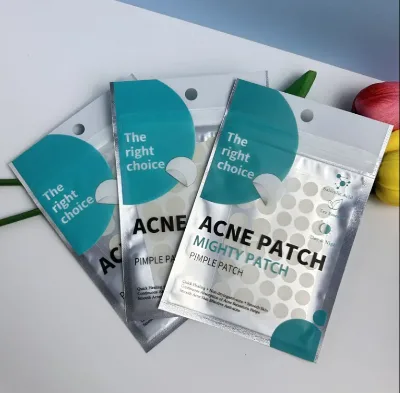


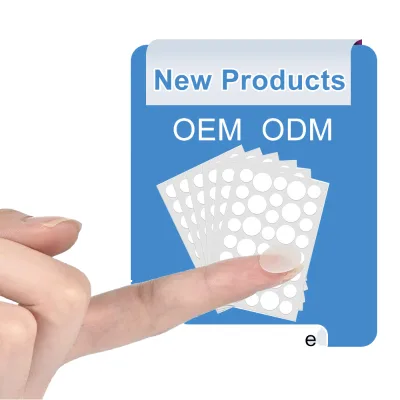
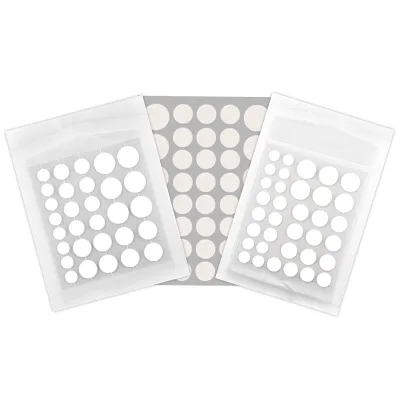


Comprehensive Sourcing Guide
Strategic Sourcing Guide for Collagen Acne Patches
Understanding Product Definitions and Core Attributes
The procurement of collagen acne patches requires a precise understanding of the product's physical and functional attributes as defined in the current market. These items are categorized primarily under surgical supplies materials and personal care applications, serving a dual purpose of wound care and cosmetic blemish management. The core functionality centers on the ability to absorb a moderate amount of wound exudate while simultaneously protecting the foot or skin area from external contaminants. In the context of acne treatment, the specific function is often described as removing blemishes or controlling acne through the absorption of fluids from the lesion.
Physically, these patches are characterized by a solid, round shape, though customized sizes are frequently available to meet specific clinical or cosmetic needs. The active ingredient content typically ranges between 0% and 5%, indicating that the primary mechanism of action often relies on the hydrocolloid matrix rather than high concentrations of active pharmaceutical ingredients. The visual appearance of the product varies, with observed attributes including milk white and transparent color profiles. The surface technology is a critical differentiator, often utilizing a transparent or matte PU (polyurethane) film which serves as the primary interface with the skin. This film is frequently backed by a release film that can be either transparent or matte PET (polyethylene terephthalate), ensuring ease of application without premature adhesion.
The physical dimensions of the patches are a key specification for buyers. Standard sheet configurations may contain 36 patches per sheet, with individual patch diameters available in standard increments such as 7mm, 10mm, 12mm, and 14mm. However, the market also supports fully customized size specifications, allowing procurement teams to tailor the product to specific dermatological requirements. The hydrocolloid thickness is another critical technical parameter, with observed ranges falling between 0.25mm and 0.4mm. This thickness directly influences the patch's capacity to absorb exudate and its durability during wear. The packaging format is equally diverse, ranging from individual bags containing a single piece to paper boxes and paper-plastic bags, with carton packaging often used for bulk shipping.
Technical Specifications and Material Composition
When evaluating the technical specifications of collagen acne patches, buyers must scrutinize the material composition and manufacturing standards. The product is fundamentally a hydrocolloid dressing, designed to create a moist wound healing environment. The surface layer, typically a PU film, provides a breathable and comfortable barrier that allows the patch to adhere securely to the skin without causing irritation. The "breathable" and "comfortable" features are frequently cited as key advantages, ensuring that the product remains wearable for extended periods without compromising skin integrity.
The structural integrity of the patch is maintained through specific manufacturing processes. The hydrocolloid layer acts as the absorbent core, capable of handling moderate exudate levels. The thickness of this layer, observed in the range of 0.25mm to 0.4mm, is a direct indicator of the product's absorption capacity. Thicker patches may offer higher absorption but could be less discreet, while thinner patches provide a more invisible profile but may have lower fluid retention capabilities. Buyers should verify the exact thickness specifications for their intended application, as this varies by manufacturer and product model.
Packaging specifications play a vital role in the product's shelf life and sterility. The observed shelf life for these products varies significantly, with some listings indicating a duration of two years and others suggesting up to five years. This discrepancy highlights the importance of verifying the specific shelf life of the batch being procured. The packaging materials, such as paper boxes or individual plastic bags, must be robust enough to maintain the sterility of the product until the point of use. The "1 Piece/Bag" and "1 Sheet/Paper Plastic Bag" configurations suggest a focus on individual unit protection, which is essential for maintaining hygiene standards in both medical and personal care settings.
Compliance, Certification, and Regulatory Standards
Navigating the regulatory landscape is a critical component of sourcing collagen acne patches. The market presents a variety of certification claims, and buyers must rigorously verify these against the specific requirements of their target markets. Observed certifications include CE and FDA approvals, which are standard for medical devices and personal care products in many jurisdictions. Some suppliers also list ISO 13485 certification, a standard specifically for quality management systems in the medical device industry. It is important to note that while these certifications are frequently mentioned, the actual compliance status must be confirmed through valid documentation for each specific product model.
Sterilization methods are another area requiring strict verification. The supply chain exhibits a divergence in sterilization approaches, with some products utilizing Ethylene Oxide (EtO) sterilization and others relying on Irradiation. Additionally, there are listings indicating products that are "Without Ethylene Oxide Sterilization," which may imply alternative sterilization methods or non-sterile status depending on the regulatory classification. For applications requiring a sterile field, such as surgical supplies, the sterilization method must be explicitly confirmed to ensure it meets the necessary safety standards. The presence of EtO sterilization is a common requirement for medical-grade wound care products, whereas irradiation is also a widely accepted method for achieving sterility without leaving chemical residues.
Regulatory compliance extends beyond certifications to include product standards and origin verification. The products are observed to originate from regions such as Zhejiang, China, and other parts of China. While the country of origin is a known fact, the specific manufacturing facility's compliance with local and international regulations must be validated. The product standard is often listed as "customizable," suggesting that manufacturers can adapt their production to meet specific regulatory frameworks or client requirements. Buyers should ensure that the supplier can provide evidence of compliance with the relevant standards for the destination market, whether that involves FDA registration, CE marking, or other regional approvals.
Cost Drivers and Pricing Dynamics
The pricing structure for collagen acne patches is influenced by several key factors, including order volume, customization requirements, and packaging specifications. The observed price range in the market spans from $0.10 to $5.00 USD per unit, reflecting the wide variability in product quality, specifications, and order quantities. This broad range indicates that buyers can find options suitable for both high-volume, cost-sensitive projects and premium, specialized applications. The unit price is not static and is heavily dependent on the Minimum Order Quantity (MOQ) negotiated with the supplier.
MOQs in this sector are highly variable, ranging from as low as 1 piece to as high as 20,000 pieces. This flexibility allows buyers to scale their procurement strategies based on their immediate needs and inventory capacity. However, the relationship between price and volume is typically inverse; higher order volumes generally result in lower unit costs. Suppliers often have a baseline production capacity of 100,000 pieces per day, which suggests that they are capable of handling large-scale orders efficiently. Buyers should be aware that while small MOQs offer flexibility, they may come with a higher per-unit cost due to the setup and handling overheads associated with smaller batches.
Customization is a significant cost driver in the procurement of these patches. Options such as logo printing, customized sizes, and specific packaging configurations add value but also increase the overall cost. The availability of OEM (Original Equipment Manufacturer) and ODM (Original Design Manufacturer) services indicates that suppliers are willing to tailor products to specific brand requirements. The cost implications of these customizations should be factored into the total cost of ownership. Additionally, the choice of sterilization method and the complexity of the packaging (e.g., individual blister packs vs. bulk cartons) will impact the final price. Buyers should request detailed cost breakdowns to understand how each variable contributes to the final quote.
Supplier Evaluation and Operational Capabilities
Selecting the right supplier for collagen acne patches requires a comprehensive evaluation of their operational capabilities, production capacity, and reliability. The market features suppliers with varying levels of production output, with some capable of producing 100,000 pieces per day. This high production capacity is a strong indicator of a supplier's ability to meet large-volume demands and maintain consistent supply chains. However, buyers should also assess the supplier's flexibility in handling smaller orders and their responsiveness to customization requests.
One of the key operational metrics to evaluate is the supplier's ability to offer samples. Many suppliers in this sector offer free samples, which is a valuable opportunity for buyers to test the product's quality, adhesion, and absorption capabilities before committing to a large order. The availability of samples allows for a practical assessment of the product's performance in real-world scenarios, ensuring that the selected patch meets the specific needs of the end-user. Buyers should utilize this opportunity to verify the product's physical attributes, such as the thickness, color, and surface texture, against the provided specifications.
The supplier's location and logistics capabilities are also critical factors. Most observed products originate from China, with specific mentions of Zhejiang as a production hub. Buyers should consider the lead times associated with shipping from these locations and the supplier's experience in handling international logistics. A reliable supplier should have a proven track record of delivering products on time and maintaining quality throughout the shipping process. Additionally, the supplier's willingness to engage in long-term partnerships and their ability to provide consistent quality over time are essential for building a stable supply chain.
Quality Control and Long-Term Procurement Strategy
Implementing a robust quality control (QC) strategy is essential for ensuring the consistency and safety of collagen acne patches. Given the variability in certifications and sterilization methods, buyers must establish clear QC protocols that align with their specific requirements. This includes verifying the sterility of the product, checking the integrity of the packaging, and confirming the accuracy of the product specifications. Regular audits of the supplier's manufacturing processes can help identify potential issues before they impact the supply chain.
Long-term procurement considerations involve building a strategic relationship with suppliers who can adapt to changing market demands. The ability to customize products, such as adjusting sizes or incorporating specific branding, is a valuable asset for buyers looking to differentiate their offerings. Buyers should also consider the shelf life of the product, which can range from two to five years, and plan their inventory management accordingly to minimize waste. Ensuring that the product remains within its shelf life during storage and distribution is critical for maintaining product efficacy.
Furthermore, buyers should stay informed about evolving regulatory standards and market trends. The landscape for medical devices and personal care products is dynamic, with new regulations and standards emerging regularly. Suppliers who are proactive in staying compliant and adapting to these changes will be better positioned to support their clients in the long term. By maintaining open communication and fostering a collaborative relationship with suppliers, buyers can ensure a steady supply of high-quality collagen acne patches that meet their evolving needs.
Comparative Analysis of Product Variants
To facilitate informed decision-making, it is helpful to compare the different variants of collagen acne patches available in the market. The following table summarizes the key differences observed in product attributes, certifications, and specifications.
| Feature | Variant A | Variant B | Variant C |
|---|---|---|---|
| Primary Function | Absorb Exudate | Remove Blemishes | Acne/Blemish Control |
| Sterilization | Irradiation | Ethylene Oxide | Without EtO |
| Shelf Life | 5 Years | 2 Years | 5 Years |
| Certification | CE, FDA | CE, FDA, ISO 13485 | CE, FDA |
| Packaging | Carton, 1 Piece/Bag | Paper Box, Individual Pack | 1 Sheet/Paper Plastic Bag |
| Size | Customized | 7mm, 10mm, 12mm, 14mm | Customized |
| Thickness | 0.25-0.4mm | 0.25-0.4mm | 0.25-0.4mm |
| Surface | Transparent/Matte PU | Transparent/Matte PU | Transparent/Matte PU |
This comparison highlights the diversity in product offerings and the importance of selecting the variant that best aligns with specific application requirements. Buyers should carefully evaluate each attribute to ensure the chosen product meets their operational and regulatory needs.
FAQs
What certifications do collagen acne patches typically have?
These patches often carry CE and FDA certifications, with some suppliers also listing ISO 13485. Buyers must verify specific documentation for each product model to ensure compliance with their target market regulations before placing orders.
How is the hydrocolloid thickness defined for these patches?
The hydrocolloid thickness typically ranges from 0.25mm to 0.4mm. This dimension directly influences the patch's ability to absorb moderate wound exudate while maintaining a comfortable and breathable profile on the skin.
Can suppliers offer free samples for testing?
Yes, many suppliers freely offer samples to allow buyers to test quality and adhesion. This enables practical assessment of physical attributes like thickness and surface texture before committing to large volume procurement.
What is the typical shelf life for these products?
Shelf life varies between two years and five years depending on the specific product and packaging. Buyers should confirm the exact duration for the batch being procured to ensure stability and safety until the point of use.
Which sterilization methods are used for these patches?
Products may use Ethylene Oxide sterilization, Irradiation, or be listed without Ethylene Oxide. The specific method must be confirmed to ensure the product meets safety standards for sterile or non-sterile applications.
What customization options are available for branding?
Logo printing on PU film and customized sizes are available through OEM and ODM services. These options allow buyers to tailor the product to specific brand requirements while maintaining the core hydrocolloid functionality.