Source Collapsible Chemical Cubitainer for storage, industry, and food
Find 30 listings for the Collapsible Chemical Cubitainer designed for liquid storage, industrial use, and food applications. Buyers can compare specifications like capacity, material, and valve size across multiple suppliers to select the right option.
Key considerations
Products List
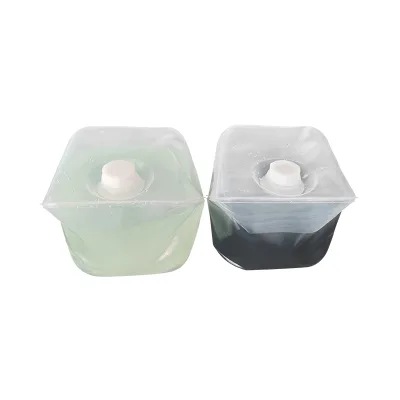
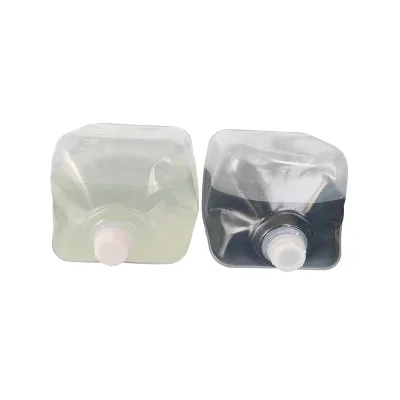
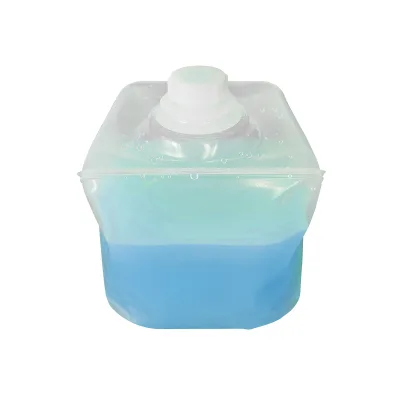
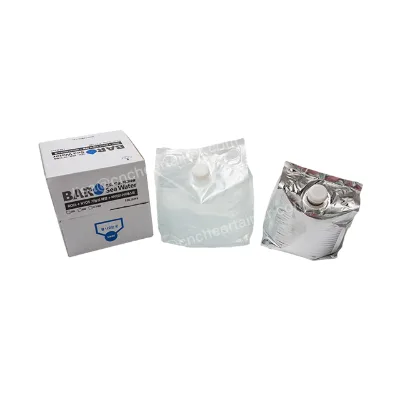
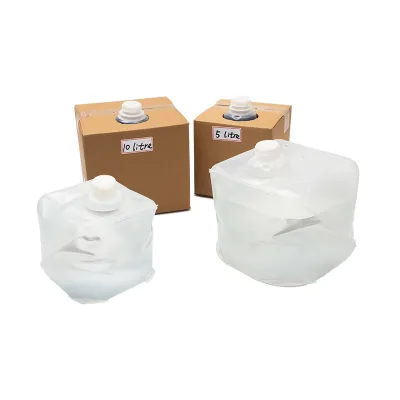


Collapsible Liquid Carrier Soft Plastic Foldable Cubitainers for 20L Diluent
$0.50 - $3.00
MOQ: 10000 Pieces


5 Litre 20 Litres Plastic Flexible Cubitainer for Chemical Use and Medical Use
$0.50 - $3.00
MOQ: 10000 Pieces


Space-Saving Foldable Stackable IBC Container for Efficient Oil Transport
$275.00 - $295.00
MOQ: 1 Pieces


Galvanized Rubber Industry Transport Storage Warehouse Pallet Foldable Container
$275.00 - $295.00
MOQ: 1 Pieces
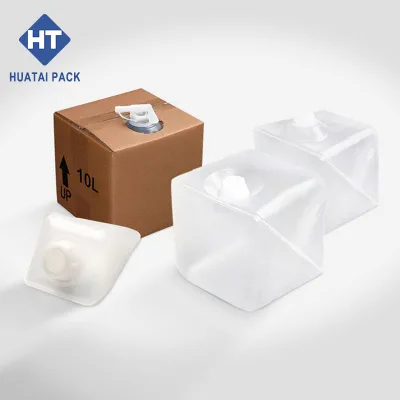
Comprehensive Sourcing Guide
Strategic Sourcing Guide for Collapsible Chemical Cubitainers
The global demand for efficient, space-saving liquid containment solutions has elevated the Collapsible Chemical Cubitainer to a critical asset in modern B2B logistics. These specialized containers, often manufactured from high-density polyethylene (LDPE) or multi-layer composite materials, address the dual challenges of storage volume and transportation efficiency. For procurement professionals, sourcing these items requires a nuanced understanding of material science, manufacturing processes, and regulatory compliance. This guide provides a disciplined framework for evaluating suppliers and specifications, ensuring that the selected packaging meets rigorous industrial standards without relying on unverified claims.
Technical Specifications and Material Composition
The core functionality of a Collapsible Chemical Cubitainer relies heavily on its material composition and structural design. Based on observed market data, primary models such as the "Cubitainer 20l" are frequently constructed from LDPE, a material chosen for its flexibility, chemical resistance, and durability. In contrast, alternative configurations like "Bag in box" systems utilize a composite structure of PA (Polyamide) and PE (Polyethylene). This multi-layer approach is essential for applications requiring higher barrier properties against permeation, particularly when storing aggressive chemicals or sensitive food-grade liquids.
The manufacturing process is equally critical to performance. The "Blow Molding" technique is the standard method for producing rigid or semi-rigid plastic containers, ensuring uniform wall thickness and structural integrity. However, for collapsible variants, the design must accommodate the "Moulding" process while maintaining the ability to fold flat when empty. Key physical attributes observed in high-performance units include a valve diameter of 32mm, which facilitates rapid filling and dispensing operations. The transparency of the product varies; while some units are specified as "natural" or "transparent," others are "opaque" to protect light-sensitive contents.
Buyers must verify the specific dimensions and weight characteristics of the product. A typical single package size for a 20-liter unit might measure 43x34x28 cm, with a gross weight of approximately 3.000 kg. The capacity range for these containers typically spans from 5 to 20 liters, with specific models available in 5L, 10L, 18L, and 20L variants. The "Hardness" of the material is generally classified as "Soft" to allow for the collapsible feature, yet the "Tentile" (tensile) strength must be high enough to prevent rupture during handling. The "Thickness" of the walls is often a customizable parameter, allowing suppliers to tailor the product to specific pressure or chemical resistance requirements.
Compliance, Certification, and Safety Standards
In the chemical and food industries, compliance is not merely a regulatory formality but a fundamental safety requirement. When sourcing collapsible cubitainers, buyers must prioritize suppliers who can demonstrate adherence to international food-grade standards. Evidence suggests that reputable manufacturers provide certificates indicating "EU -food grade level" compliance. This certification is particularly vital for products intended for food, disinfectant, or pharmaceutical applications, ensuring that the packaging does not leach harmful substances into the contents.
Specific material safety features should be explicitly verified. The absence of Bisphenol A (BPA) and Diethylhexyl phthalate (DEHP) is a critical specification for modern packaging. Products labeled as "BPA Free" and "Dehp Free" offer a safer profile for human contact and environmental safety. Furthermore, the ink used for any branding or labeling must be environmentally responsible. The use of "100% Eco Water-Based Ink" is a strong indicator of a supplier's commitment to sustainability and regulatory compliance regarding volatile organic compounds (VOCs).
Buyers should also scrutinize the "Certificate" documentation provided by the supplier. While specific standard numbers (such as ISO or FDA codes) are not universally listed in all product descriptions, the presence of a recognized food-grade certification is a non-negotiable baseline. For industrial chemical applications, the material must be inert to the specific chemicals being stored. The "Industrial Use" classification of "Liquid packaging" implies that the container is designed to withstand the chemical properties of the stored liquid without degradation. Procurement teams must request Material Safety Data Sheets (MSDS) or specific chemical resistance charts from the supplier to confirm compatibility with their specific product lines.
Cost Drivers and Economic Factors
The pricing of collapsible chemical cubitainers is influenced by a complex interplay of material costs, manufacturing complexity, and order volume. The observed price range in the market is substantial, spanning from $0.45 to $295 per unit. This wide variance is not indicative of quality differences alone but reflects the diversity in capacity, material composition, and customization levels. A basic 5L LDPE container will naturally cost significantly less than a 20L multi-layer PA+PE unit with custom printing and specialized valve configurations.
Order Volume is the most significant driver of unit cost. The Minimum Order Quantity (MOQ) ranges from 1 to 10,000 units. Suppliers offering lower MOQs often charge a premium per unit due to the setup costs associated with smaller production runs. Conversely, bulk orders allow for economies of scale, reducing the per-unit cost. Buyers must balance the need for inventory flexibility against the financial benefits of bulk purchasing.
Additional cost factors include the "Printing Process" and "Surface Finishing." Options such as "Offset Printing" or custom logo application add to the production cost. While some suppliers offer products "Without Logo Printing" to keep costs low, others accept "Customized" branding requests. The "Thickness" of the material is another variable; thicker walls require more raw material and energy, increasing the base price. Furthermore, the "Exporting terms" such as FOB (Free on Board), CIF (Cost, Insurance, and Freight), or DDU (Delivered Duty Unpaid) will impact the final landed cost. Buyers should calculate the total cost of ownership, including logistics and duties, rather than focusing solely on the ex-factory price.
Typical Applications and Functional Advantages
Collapsible chemical cubitainers are designed for versatility across multiple sectors. The primary "Application" areas include chemical storage, food processing, disinfectant handling, and general industrial use. The "Advantages" of these containers are distinct and directly address logistical pain points. The "lightweight" nature of LDPE and composite materials reduces shipping weight, lowering freight costs. The "collapsible" feature allows for significant space savings when the containers are empty, reducing the volume of returned packaging or waste storage.
The "no leaking" attribute is a critical performance metric for liquid storage. Whether used for "Chemical, food, disinfectant, industry" applications, the seal integrity must be absolute to prevent spills and contamination. The "Bag in box" configuration, for instance, is particularly effective for "Liquid packaging" where the inner bag collapses as the liquid is dispensed, maintaining a vacuum seal and preventing oxidation or contamination.
Beyond storage, these containers serve various "Usage" scenarios including "Shopping, Promotion, Packing, Gift, Household." The "Recyclable" nature of the plastic materials aligns with corporate sustainability goals. The "Feature" of being "Recyclable" and the use of eco-friendly inks make these products attractive for brands with environmental commitments. The "Industrial Use" classification also extends to "Packaging" and "Storage" in supply chain environments where space optimization is paramount. The ability to customize the "Size" and "Spec" allows manufacturers to adapt these containers for specific promotional campaigns or specialized industrial needs.
Supplier Evaluation and Quality Control Protocols
Selecting the right supplier requires a rigorous evaluation process that goes beyond the product listing. The "Business type" of the supplier should be verified as "manufacture" to ensure direct control over the production process, rather than acting as a middleman. The "Place of Origin" is a relevant factor; for instance, a concentration of manufacturers in "Jiangsu, China" indicates a mature supply chain ecosystem with established logistics capabilities.
Quality control should be a central component of the supplier selection criteria. Buyers must verify the "Stock" availability to ensure supply chain continuity. The "Single package size" and "Single gross weight" data provided by the supplier should be cross-referenced with physical samples to ensure accuracy. The "Printing Process" and "Surface Finishing" quality should be assessed for consistency, especially if custom branding is required.
A robust quality assurance protocol involves checking the "Feature" claims such as "BPA Free" and "Dehp Free" through independent testing or third-party certification reports. The "Hardness" and "Tensile" strength should be tested against the specific demands of the intended application. For example, a container used for heavy industrial chemicals must demonstrate superior tensile strength compared to one used for household cleaning products. The "Valve diameter" and sealing mechanism must be tested for leak resistance under pressure.
Long-Term Procurement Considerations
Sourcing collapsible chemical cubitainers is not a one-time transaction but a strategic partnership that impacts long-term operational efficiency. The "Customized" nature of many products means that once a design is finalized, it can be optimized for specific production lines. However, buyers must consider the "Lead time" and "Stock" availability for reordering. While some suppliers list "Available" stock, others may require production runs based on the "MOQ" and "Size" requirements.
Sustainability is a growing consideration in long-term procurement. The "Recycle" status of the material and the use of "Eco Water-Based Ink" are factors that will become increasingly important as environmental regulations tighten. Buyers should evaluate the supplier's commitment to "Recyclable" materials and their ability to support circular economy initiatives. The "Exporting terms" should also be reviewed to ensure they align with the company's global logistics strategy, particularly regarding "FOB, CIF, DDU" options.
Finally, the "Model Number" and "Product name" consistency are crucial for inventory management. Ensuring that the supplier maintains a stable product line with consistent specifications prevents disruptions in the supply chain. The "Specification" details, such as the "Capacity" and "Thickness," should be locked in long-term agreements to avoid variability in product performance. By focusing on these long-term factors, buyers can secure a reliable supply of high-quality collapsible chemical cubitainers that meet both current operational needs and future sustainability goals.
FAQs
What materials are used for collapsible chemical cubitainers?
Primary models are constructed from LDPE, while bag-in-box systems use a PA+PE composite. This multi-layer approach ensures high barrier properties for aggressive chemicals or sensitive food-grade liquids.
Which certifications ensure safety for food-grade applications?
Reputable manufacturers provide certificates indicating EU food grade level compliance. This certification is vital for products intended for food, disinfectant, or pharmaceutical applications to prevent harmful substance leaching.
How does the valve diameter affect filling operations?
A standard valve diameter of 32mm facilitates rapid filling and dispensing operations. This specific dimension is critical for maintaining efficiency in industrial liquid storage and chemical handling workflows.
Can these containers be customized for specific capacities?
Yes, capacity ranges from 5 to 20 liters with specific models available in 5L, 10L, 18L, and 20L variants. Buyers can also request customized thickness and size parameters to meet unique pressure requirements.
What are the key advantages of using these containers?
Key advantages include being lightweight, collapsible for space savings, and leak-proof. These features reduce shipping weight and storage volume while ensuring absolute seal integrity for liquid containment.
How is the pricing determined for bulk orders?
Pricing ranges from 0.45 to 295 USD per unit based on capacity and material composition. Order volume significantly impacts cost, with Minimum Order Quantities ranging from 1 to 10,000 units affecting the per-unit price.
Are these products safe regarding BPA and phthalates?
Products are explicitly labeled as BPA Free and Dehp Free for human and environmental safety. Additionally, eco-friendly 100% water-based inks are used for any branding to ensure regulatory compliance.