Source Collapsible BPA Free Jerry Can for Water, Oil, and Alcohol
Compare 30 listings of Collapsible BPA Free Jerry Can options from Chinese manufacturers. These HDPE containers support applications including water, industrial wastewater, acid, alkali, and oil storage with customizable features.
Key considerations
Products List


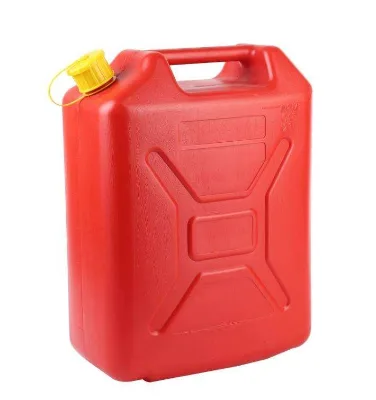


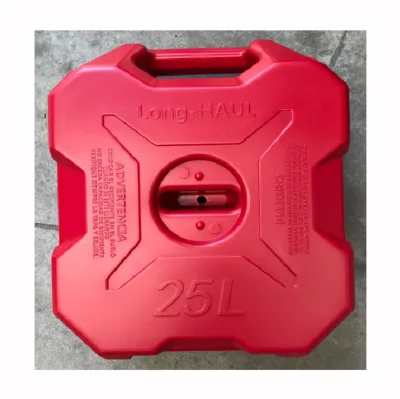


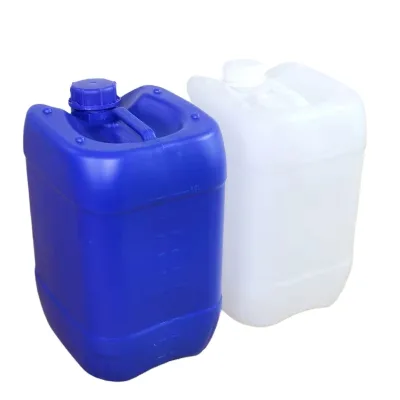

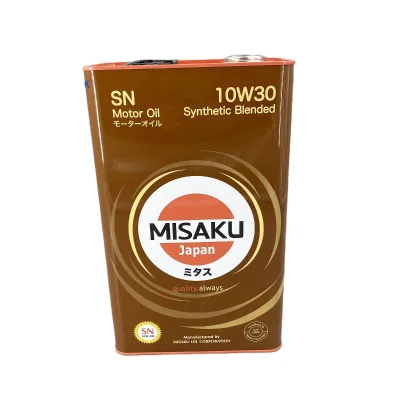
Comprehensive Sourcing Guide
Strategic Sourcing Guide for Collapsible BPA-Free Jerry Cans
The global demand for flexible, durable, and safe fluid containment solutions has elevated the collapsible BPA-free jerry can to a critical component in industrial, agricultural, and emergency logistics. For procurement professionals, sourcing these items requires a disciplined approach that balances material science, regulatory compliance, and supply chain reliability. Unlike rigid containers, collapsible variants offer unique advantages in storage efficiency and transport costs, but they introduce specific complexities regarding material integrity and manufacturing processes. This guide synthesizes available product attributes and industry standards to provide a robust framework for evaluating potential suppliers and securing high-quality inventory.
Material Composition and Physical Specifications
The foundation of a reliable jerry can lies in its material composition. For applications involving water, industrial wastewater, acids, alkalis, industrial alcohol, and oil, the primary material must be chemically resistant and non-toxic. High-Density Polyethylene (HDPE) is the predominant material observed in this category, often cited alongside general plastic or PE (Polyethylene) classifications. The "BPA-free" designation is a critical attribute for buyers, ensuring the container does not leach harmful bisphenol A into stored fluids, a standard requirement for food-grade and potable water applications.
Physical dimensions and structural integrity vary significantly based on the intended capacity. Market observations indicate a wide range of sizes, from compact units under 10 liters to larger containers in the 20-40 liter range. Specific product models demonstrate that dimensions are not arbitrary; for instance, one observed specification lists an overall size of 22.5 x 15 x 22 cm with a thickness of 3mm, while another standard model measures 290mm x 160mm x 346mm. Thickness is a vital metric for durability; a 3mm wall thickness suggests a robust construction capable of withstanding pressure and impact, which is essential for industrial environments.
Buyers must verify the net weight of the product, as this correlates with material density and wall thickness. Observed weights range from 0.55 kg for smaller units to 1.3 kg for larger, specialized tanks. The manufacturing process, specifically Extrusion Blow Molding (Ebm), is the standard technique for creating these seamless, hollow plastic parts. This process ensures uniform wall thickness and high impact resistance. When evaluating a supplier, request detailed specifications on the exact HDPE grade used, as different grades offer varying degrees of chemical resistance and UV stability.
Compliance, Certification, and Safety Standards
In the B2B sector, compliance is not merely a formality but a prerequisite for market access and liability protection. Procurement teams must rigorously verify that suppliers possess valid certifications. Common certifications observed in this product category include UN, UL, CSA, CE, ISO, and RoHS. The UN certification is particularly significant for containers intended to transport hazardous materials, as it indicates the vessel meets international standards for packaging dangerous goods.
Specific standards and certifications provide a baseline for quality assurance. For example, some products are listed with CE and ISO certifications, while others carry ISO9001:2000, indicating adherence to quality management systems. The presence of RoHS certification ensures that the product complies with restrictions on hazardous substances, which is crucial for environmental regulations in many regions. Additionally, the "Un Mark" attribute suggests that the container can be marked upon request, a necessary feature for shipping hazardous liquids where specific UN codes must be embossed or printed on the vessel.
Buyers should not assume that all listed products possess every certification. The supply chain often features a mix of certified and non-certified items. Therefore, the procurement strategy must include a verification step where the buyer requests current, valid certificates for the specific batch or model being ordered. It is also essential to check if the product meets local standards, such as the specific "290310440mm" or "265260410mm" dimensional standards observed, which may correspond to regional regulatory requirements for capacity labeling or structural testing.
Cost Drivers and Economic Factors
Understanding the cost structure of collapsible jerry cans is vital for budgeting and negotiation. The price range for these items is extensive, observed from as low as $0.02 to as high as $14,900. This vast disparity is not indicative of a single product type but rather reflects differences in capacity, material grade, certification level, and order volume. The lower end of the spectrum typically represents small, non-certified, or bulk-packaged units, while the higher end may include large, specialized fuel tanks or OEM-accepted custom designs with full compliance documentation.
Minimum Order Quantity (MOQ) is another significant cost driver. The observed MOQ range spans from 1 unit to 5,000 units. For small businesses or prototyping, suppliers offering low MOQs are essential, whereas large-scale industrial buyers can leverage high-volume orders to reduce the unit cost. The packaging method also influences logistics costs. Products are shipped in various configurations, including PE bags, inner boxes, cartons (e.g., 4PCS/CTN or 6PCS/CTN), and pallets. Seaworthy strong cartons are a common requirement for international shipping, ensuring the collapsible nature of the product does not lead to damage during transit.
Customization is a key factor that can increase costs but add value. Many suppliers offer customization services, allowing buyers to specify colors (such as Red, Blue, Yellow, or Natural), branding, or specific dimensional requirements. While standard models are cost-effective, custom orders may involve tooling fees or higher per-unit costs. Buyers should clearly define their requirements early to avoid unexpected expenses. Additionally, the origin of the product, with suppliers located in regions like Suzhou, Changzhou, and Fujian in China, can impact shipping costs and lead times, which must be factored into the total landed cost.
Typical Applications and Usage Scenarios
The versatility of collapsible BPA-free jerry cans makes them suitable for a diverse array of applications. The primary use cases identified include the storage and transport of water, industrial wastewater, acids, alkalis, industrial alcohol, and oil. This chemical resistance profile makes them ideal for industrial production settings where hazardous or corrosive fluids are handled. The "Enclosed" type design ensures that volatile substances are contained safely, preventing evaporation or contamination.
Beyond industrial use, these containers are applicable in agricultural contexts, such as for rice processing or fuel storage in boats, as indicated by specific product models like the "OEM Accepted Plastic Boat Gas Tank." The "Stackable" feature is particularly valuable for warehouse management, allowing for efficient vertical storage and maximizing space utilization. For emergency preparedness, the collapsible nature of the can allows it to be folded flat when empty, saving significant storage space compared to rigid alternatives.
The application scene is often specific to the industry. For instance, a "Fuel Tank" application requires different safety standards than a "Water" application. Buyers must match the product's intended use with their specific operational needs. The "Sprinkler Installation Type" with an external thread connection suggests that some models are designed for integration into larger systems, such as irrigation or fire suppression setups. Understanding these nuances ensures that the selected jerry can performs reliably in its intended environment without failure or safety hazards.
Supplier Evaluation and Quality Control
Selecting the right supplier requires a multi-faceted evaluation process. Buyers should prioritize suppliers who demonstrate transparency in their manufacturing processes and provide clear documentation. The "Process" attribute, specifically Extrusion Blow Molding, should be confirmed as the primary manufacturing method to ensure structural consistency. Suppliers located in established industrial hubs like Suzhou and Changzhou often have mature supply chains, but this does not guarantee quality without verification.
Quality control measures are paramount. Buyers should inquire about the supplier's internal testing protocols, particularly regarding leak tests, pressure resistance, and chemical compatibility. The "Feature: Recyclable" attribute is a positive indicator of environmental responsibility, but it should be backed by verifiable data on the recyclability of the specific HDPE grade used. Additionally, the "Product: OEM Accepted" status suggests that the supplier is capable of meeting custom design specifications, which is a sign of technical competence.
When evaluating packaging, look for evidence of robust shipping standards. The use of "Seaworthy Strong Cartons" and specific packing ratios (e.g., 1PC/Inner Box; 4PCS/CTN) indicates a commitment to protecting the product during transit. For collapsible items, proper packing is essential to prevent deformation or damage before the product reaches the buyer. Buyers should also verify the "prod_packing" details to ensure that the packaging aligns with their logistical capabilities and storage requirements.
Long-Term Procurement Considerations
Sourcing collapsible jerry cans is not a one-time transaction but part of a long-term supply chain strategy. Buyers must consider the scalability of their orders and the flexibility of the supplier to meet changing demands. The ability to customize products, such as adding specific colors or branding, allows companies to maintain brand consistency across their operations. Furthermore, the "Customization: Available" attribute suggests that suppliers can adapt to evolving regulatory requirements or specific client needs over time.
Sustainability is an increasingly important factor in long-term procurement. The "Recyclable" feature and the use of HDPE, a widely recyclable plastic, align with corporate sustainability goals. Buyers should encourage suppliers to provide data on the environmental impact of their products and explore opportunities for circular economy initiatives, such as take-back programs or the use of recycled content in future production runs.
Finally, maintaining a strong relationship with suppliers ensures better service and support. Clear communication regarding specifications, certifications, and delivery timelines is essential. By focusing on suppliers who offer a balance of competitive pricing, robust quality control, and compliance with international standards, buyers can secure a reliable supply of collapsible BPA-free jerry cans that meet their operational and safety requirements. The following table summarizes key attributes to verify during the supplier selection process.
| Attribute Category | Key Verification Points | Importance Level |
|---|---|---|
| Material | HDPE/PE grade, BPA-free status, Thickness (e.g., 3mm) | Critical |
| Certification | UN, UL, CSA, CE, ISO, RoHS, specific model standards | Critical |
| Capacity | Volume range (e.g., <10L, 10-20L, 20-40L), Dimensions | High |
| Application | Chemical resistance (Acid, Oil, Water), Stackability | High |
| Packaging | PE Bag, Inner Box, Carton, Pallet, Seaworthy standards | Medium |
| Customization | Color options, OEM acceptance, Marking capabilities | Medium |
| Origin | Location (e.g., Suzhou, Fujian), Lead time implications | Medium |
By adhering to these guidelines and rigorously applying the evidence-based criteria outlined above, procurement professionals can navigate the complex landscape of collapsible jerry can sourcing with confidence, ensuring the acquisition of high-quality, compliant, and cost-effective solutions for their organizations.
FAQs
What materials are used for collapsible bpa free jerry cans?
These containers are primarily made from High-Density Polyethylene (HDPE) or general PE plastic. This material ensures chemical resistance for storing water, acids, alkalis, and oil while maintaining a BPA-free profile for safety.
Which certifications do these jerry cans typically hold?
Common certifications include UN, UL, CSA, CE, ISO, and RoHS. These marks verify compliance with international safety standards for hazardous materials and quality management systems required for industrial and transport applications.
How are these jerry cans manufactured?
They are produced using Extrusion Blow Molding (Ebm) processes. This technique creates seamless, hollow plastic parts with uniform wall thickness, ensuring high impact resistance and structural integrity for industrial use.
Can buyers customize the color and size of these cans?
Yes, customization is available for colors like red, blue, yellow, and natural. Buyers can also request specific dimensions or branding, though this may affect the unit price and minimum order quantity requirements.
What capacity ranges are available for these containers?
Available capacities range from under 10 liters to 20-40 liters. Specific models exist for small applications like 10L or larger industrial tanks, with dimensions varying to match the intended volume and usage.
Where are these jerry cans typically sourced from?
Major sourcing locations include Suzhou, Changzhou, and Fujian in China. These regions host factories capable of producing HDPE containers with various certifications and packaging options for global distribution.