Source Collapsible Twin Crib with Mosquito Net for Home Travel Camping
Explore 30 listings for a Collapsible Twin Crib with Mosquito Net designed for home, travel, and camping use. Buyers can compare features like portability, insecticide treatment, and custom designs across suppliers from China.
Key considerations
Products List
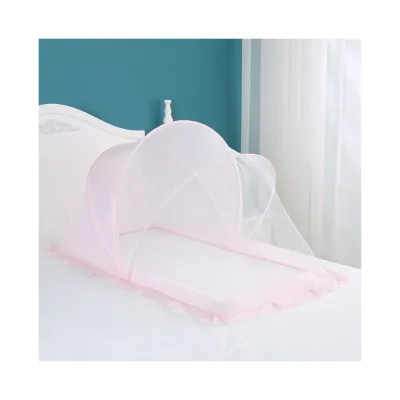
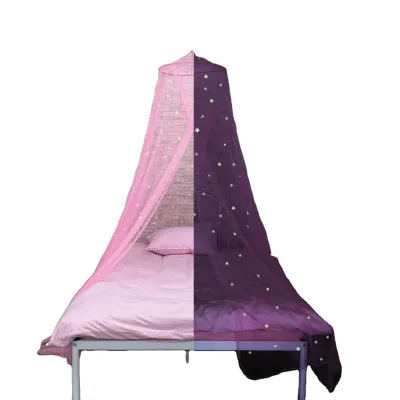
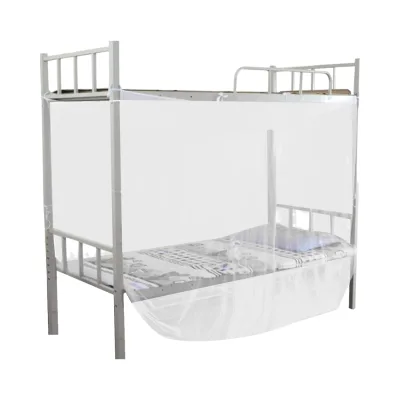
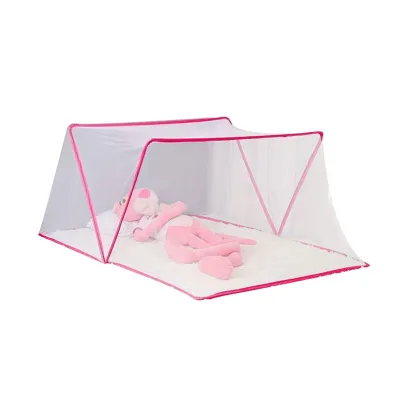
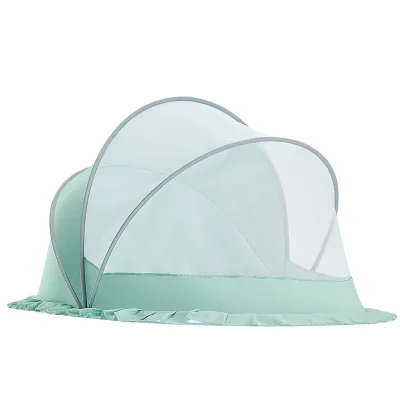
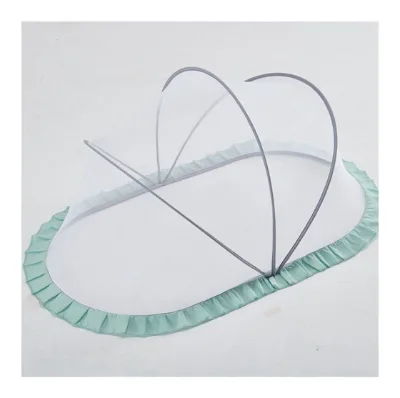
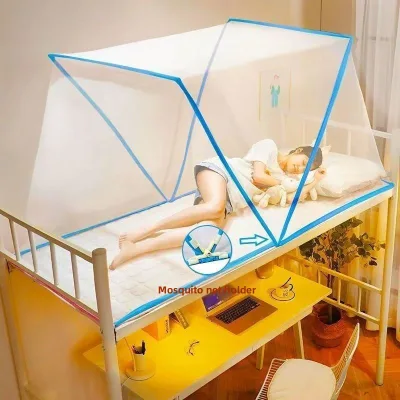
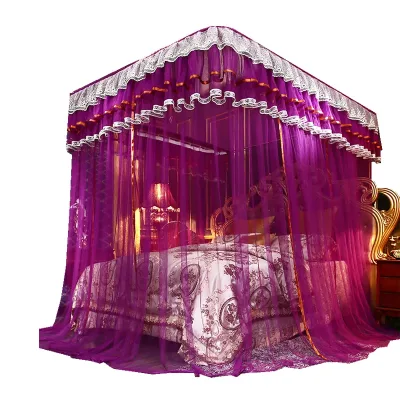
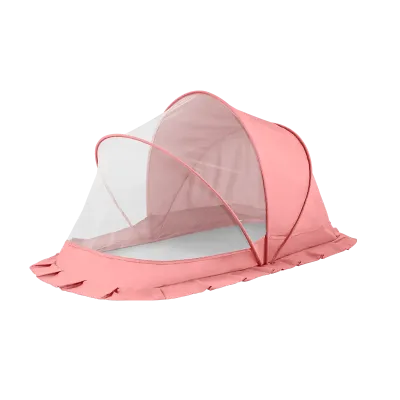
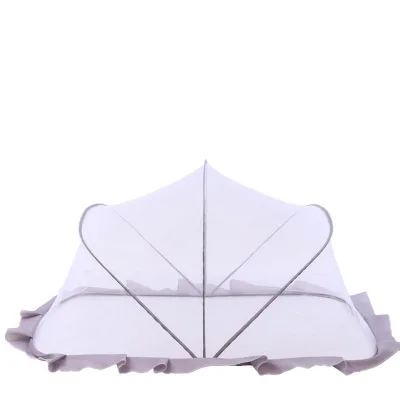
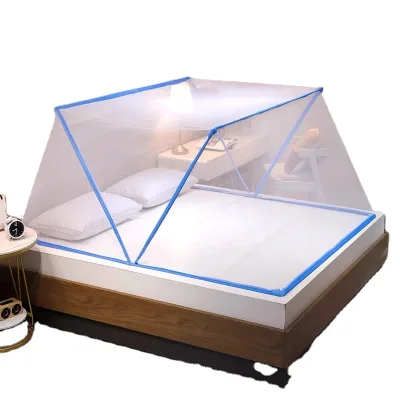
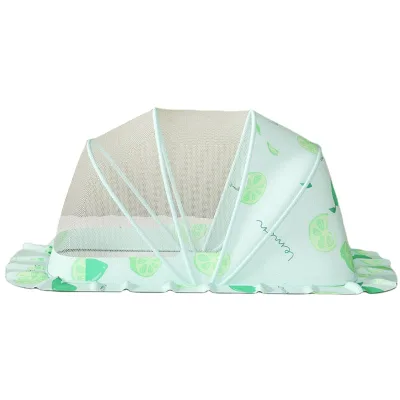

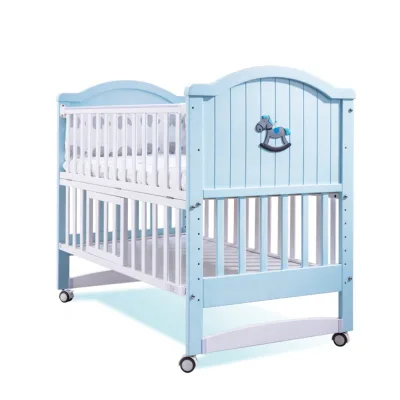
5 in 1multifunction Baby Nets Mosquito Bed Baby Care and Bed Baby Bed
$60.00 - $120.00
MOQ: 100 cartons

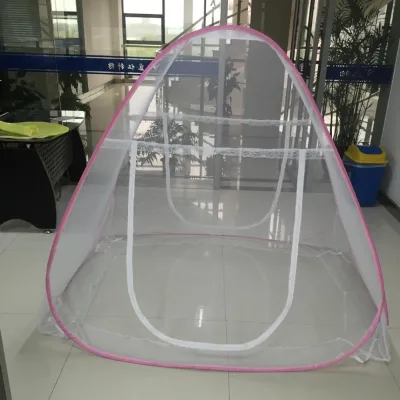
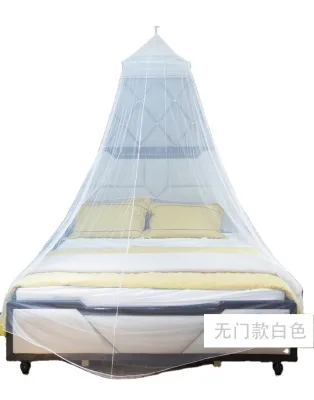

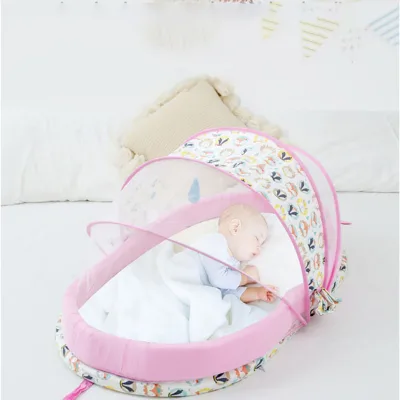
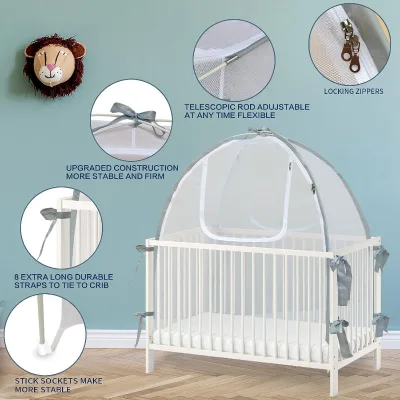
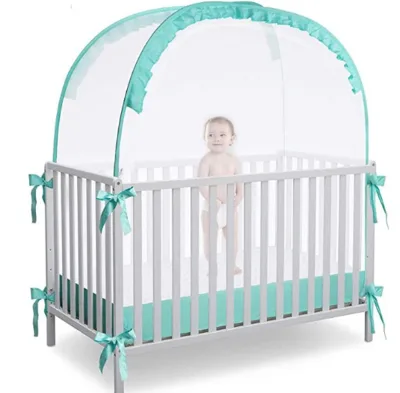


Comprehensive Sourcing Guide
Strategic Sourcing Guide for Collapsible Twin Cribs with Integrated Mosquito Nets
The global demand for safe, portable, and multifunctional infant sleeping solutions has elevated the category of collapsible twin cribs with integrated mosquito nets. For B2B procurement professionals, sourcing these items requires a nuanced understanding of product variability, material integrity, and supply chain logistics. The market offers a diverse array of configurations, ranging from simple netting attachments to fully integrated bassinet systems. This guide synthesizes observed market data and technical specifications to provide a disciplined framework for evaluating suppliers and products, ensuring that procurement decisions are grounded in verifiable facts rather than marketing assertions.
Technical Specifications and Product Configuration
When evaluating a collapsible twin crib with a mosquito net, the first step is to dissect the technical specifications provided by the supplier. The product landscape is not monolithic; it includes variations in dimensions, materials, and construction methods. Based on current market observations, the dimensions for such units vary significantly. Common size configurations include 1005560cm, 1106065cm, and 1286570cm, while other listings indicate a "Twin" size or specific dimensions like 8019080cm. Procurement teams must verify that the selected model aligns with the intended use case, whether it is for a stationary home nursery or for travel.
The material composition is a critical technical differentiator. Observed listings frequently cite "Netting" as the primary material for the mosquito component, often constructed from 100% polyester or woven fabrics with a thread count of 200TC. Some products specify a fabric count of 40, which may refer to the density of the mesh or the base fabric. The structural integrity of the crib frame is often implied through terms like "Woven" or "Portable, Folded." The collapsible nature is essential for storage and transport, a feature highlighted by single package sizes such as 65X64X1.5 cm, which suggests a highly compact folded state.
Color and design options are extensive, with suppliers offering a wide spectrum ranging from standard white, blue, and green to custom color palettes numbering up to 30 distinct options. The aesthetic finish often involves heat-transfer printing for logos or graphics, and designs can be customized to meet specific branding requirements. The shape is typically square or rectangular, designed to fit standard crib mattresses. Buyers must ensure that the "Twin" designation corresponds to the actual mattress dimensions required, as "Twin" can vary by region and manufacturer.
Compliance, Certification, and Safety Verification
Safety is the paramount concern when sourcing products for infants. While specific certification documents are not universally listed in all product descriptions, buyers must rigorously verify compliance with relevant international safety standards. The product category often includes features such as "Insecticide Treated" nets, which introduces specific chemical safety considerations. Procurement teams must request documentation proving that any insecticide treatments meet the regulatory limits of the destination market, such as EPA regulations in the United States or REACH in the European Union.
The "Place of Origin" data indicates that manufacturing hubs include Anhui, Zhejiang, and Hebei in China. Each region may have different local enforcement of safety standards. Buyers should not assume that a product labeled "Safe" meets the specific requirements of their target market without third-party verification. Key areas of verification include the stability of the collapsible frame to prevent tipping, the tensile strength of the netting to prevent tearing, and the absence of small parts that could pose a choking hazard.
Furthermore, the "Customized" nature of many listings means that branding and design elements are added post-manufacturing. This customization process must not compromise the structural safety of the unit. For instance, heat-transfer printing must use inks that are non-toxic and durable, avoiding the risk of peeling or flaking that could be ingested by a child. Buyers should explicitly require a Declaration of Conformity (DoC) and, where applicable, test reports from accredited laboratories for flammability, chemical content, and mechanical strength.
Cost Drivers and Pricing Dynamics
The pricing structure for collapsible twin cribs with mosquito nets is influenced by several variables. The observed price range in the market spans from $0.06 to $120.00 USD. This vast disparity indicates that the market includes both basic netting accessories and fully assembled, high-end crib systems. The lower end of the spectrum likely represents standalone mosquito nets or simple netting kits, while the higher end encompasses complete crib units with advanced features like custom branding, specialized fabrics, and complex folding mechanisms.
Material costs are a primary driver. 100% polyester and high-thread-count netting generally command higher prices than basic woven alternatives. The complexity of the folding mechanism and the quality of the frame materials (e.g., steel vs. aluminum vs. plastic) also significantly impact the final cost. Additionally, the level of customization plays a major role. Products with "Customized Designs" or "Accept Customized Logo" options often incur setup fees and higher per-unit costs due to the non-standardized production runs.
Minimum Order Quantity (MOQ) is another critical cost factor. The observed MOQ range is 1 to 1000 pieces. Suppliers with lower MOQs, such as 100 pcs, may charge a premium per unit to cover the overhead of small-batch production. Conversely, larger orders can leverage economies of scale to reduce the unit price. Buyers must balance the need for inventory flexibility with the desire for cost efficiency. It is essential to request a detailed breakdown of costs, including tooling, material, labor, and packaging, to understand the true cost drivers behind the quoted price.
Typical Applications and Usage Scenarios
The versatility of these products allows them to serve multiple applications, from domestic use to commercial and travel scenarios. The primary application is "Baby Sleeping" in a home environment, specifically within a "Baby Care Room." The "Summer" and "All-Season" designations suggest that these units are engineered to provide ventilation while maintaining a barrier against insects, making them suitable for various climates.
Beyond the home, the "Portable, Folded" nature of the product makes it ideal for "Outdoor, Camping, Travel" applications. The compact single package size of 65X64X1.5 cm facilitates easy transport, allowing parents to maintain a consistent sleeping environment for their infants while on the go. The "Bassinet & Cradle Bedding" classification indicates that these units can function as standalone sleeping stations or as accessories for larger crib setups.
The "Age Group" is strictly defined as "Babies," which necessitates a focus on safety and comfort. The "Lovely" style and "Warm Soft Comfortable" attributes are designed to create a soothing environment for the infant. However, buyers must ensure that the "Insecticide Treated" feature is appropriate for the specific age group and usage context, as some insecticides may not be suitable for newborns. The application scope also extends to hotels, resorts, and daycare centers that require temporary or portable sleeping solutions for infants.
Supplier Evaluation and Selection Criteria
Selecting the right supplier requires a comprehensive evaluation beyond just the product listing. The "Place of Origin" data points to specific manufacturing regions in China, each with its own supply chain ecosystem. Buyers should verify the supplier's capacity to handle the required volume, as the MOQ can range from 1 to 1000 pieces. A supplier capable of meeting low MOQs may be ideal for testing the market, while a supplier with high-volume capacity is necessary for large-scale distribution.
The "Brand Name" field often shows "custom" or "other," indicating that many suppliers operate as OEM (Original Equipment Manufacturer) or ODM (Original Design Manufacturer) partners. This flexibility is advantageous for buyers looking to build their own brand. However, it also requires due diligence to ensure the supplier has the technical expertise to execute custom designs without compromising quality. Buyers should assess the supplier's history of producing "Woven" or "Netting" products and their ability to maintain consistency across batches.
Communication and responsiveness are also key indicators of supplier reliability. Given the "Customized Designs" requirement, the supplier must be able to collaborate closely on design specifications, color matching, and logo placement. Buyers should request samples to evaluate the quality of the "Heat-Transfer Printing" and the durability of the "Folded" mechanism. Additionally, verifying the supplier's ability to provide necessary documentation, such as material safety data sheets and compliance certificates, is essential for mitigating risk.
Quality Control and Long-Term Procurement Considerations
Quality control (QC) is a continuous process that begins before production and extends through delivery. For collapsible twin cribs with mosquito nets, QC checks should focus on the integrity of the netting, the stability of the frame, and the accuracy of the dimensions. The "Single gross weight" of 0.750 kg for some units provides a benchmark for weight consistency; deviations from this standard may indicate material inconsistencies or manufacturing defects.
Buyers should implement a rigorous inspection protocol that includes pre-production sample approval, in-process quality checks, and final random inspection. Specific attention should be paid to the "Thread Count" and "Fabric Count" to ensure they meet the specified standards. The "Package" configuration, typically "1 Pc/bag," must be secure to prevent damage during transit. The "Single volume" of 0 cm³ for some listings is likely an error or placeholder, and buyers should verify the actual packaging volume to optimize shipping costs.
Long-term procurement considerations involve building a sustainable relationship with the supplier. This includes establishing clear communication channels, agreeing on quality standards, and planning for future product iterations. As the market evolves, buyers may need to adapt to new safety regulations or consumer preferences. A supplier with a track record of innovation and adaptability will be better positioned to support long-term growth. Additionally, buyers should consider the environmental impact of the materials used, such as the recyclability of the 100% polyester components, to align with corporate sustainability goals.
In conclusion, sourcing collapsible twin cribs with mosquito nets requires a balanced approach that prioritizes safety, quality, and cost-effectiveness. By carefully evaluating technical specifications, verifying compliance, understanding cost drivers, and selecting reliable suppliers, procurement professionals can secure high-quality products that meet the needs of infants and their caregivers. The diverse range of options available in the market offers significant opportunities for customization and innovation, provided that buyers remain vigilant in their due diligence and quality assurance processes.
FAQs
What are the available dimensions for collapsible twin cribs with mosquito nets?
Common dimensions include 100*55*60cm, 110*60*65cm, and 128*65*70cm, while some models offer Twin sizes or 80*190*80cm configurations. Buyers must verify that the selected model aligns with their intended use case, whether for stationary home nurseries or travel scenarios.
Can I customize the logo and design on these mosquito net cribs?
Yes, suppliers accept customized logos and designs using heat-transfer printing techniques. The product attributes confirm that designs are customizable, allowing buyers to tailor the aesthetic finish to meet specific branding requirements without compromising the structural safety of the unit.
What is the minimum order quantity for sourcing these infant mosquito nets?
The observed minimum order quantity ranges from 1 to 1000 pieces depending on the supplier. Suppliers with lower MOQs like 100 pieces may charge a premium per unit, while larger orders can leverage economies of scale to reduce the final cost significantly.
Where are the manufacturing facilities for these collapsible cribs located?
Manufacturing hubs are located in Anhui, Zhejiang, and Hebei provinces in China. Each region may have different local enforcement of safety standards, so buyers should verify the supplier's capacity and compliance with specific international safety regulations before placing an order.
How much does a Collapsible Twin Crib with Mosquito Net cost?
The market price range spans from 0.06 to 120 USD per unit. This disparity indicates that basic netting accessories are cheaper, while fully assembled crib systems with advanced features like custom branding and specialized fabrics command higher prices.
What materials are used to construct the mosquito net and crib frame?
The mosquito net is typically made from netting, often 100% polyester or woven fabrics with a thread count of 200TC. The structural integrity is supported by portable and folded mechanisms, ensuring the unit remains durable and safe for infant sleeping applications.