Source Montessori Educational Sensory Board for Learning
Source the Montessori Educational Sensory Board for early childhood development. Compare 30 options featuring wood and plastic materials, ASTM and CE certifications, and OEM customization for classrooms, therapy centers, and home learning; compare the available evidence and request quotations based on your requirements.
Key considerations
Products List


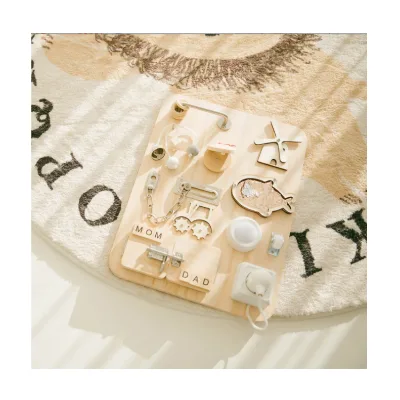


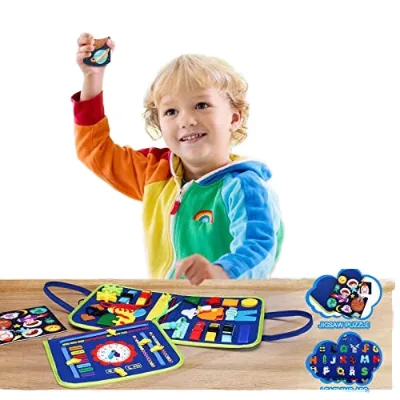

Baby Sensory Learning Toy Montessori Educational Felt Busy Activity Board for Toddler
$2.65 - $2.76
MOQ: 1000 Pieces


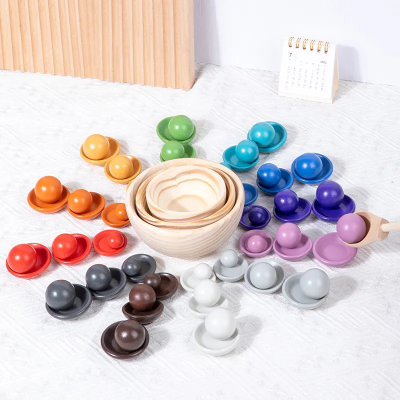


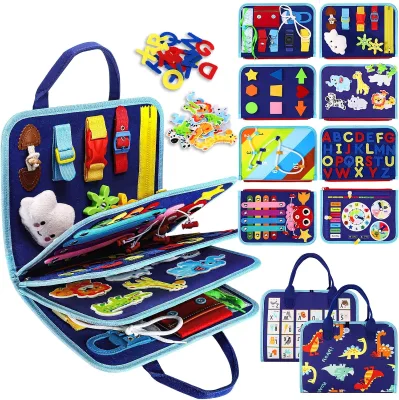
Comprehensive Sourcing Guide
Montessori Educational Sensory Board Sourcing Guide
Sourcing Montessori educational sensory boards requires identifying products that align with developmental milestones for children aged 3 to 8 years, while also accommodating younger toddlers in the 0 to 24-month range. The observed market data indicates a strong focus on DIY toys and work tables designed to foster learning and teaching capabilities through interactive play. Buyers should prioritize listings that explicitly state customization availability and OEM/ODM support, as these features allow for tailored branding and specific educational content integration.
The product landscape reveals a diverse range of materials, primarily wood and plastic, which must be evaluated for durability and safety. Listings frequently mention eco-friendly materials and multi-color designs, suggesting a market trend toward visually stimulating yet environmentally conscious manufacturing. When evaluating suppliers, procurement teams must verify that the stated age ranges match the intended user group, ensuring that the sensory components are neither too complex for toddlers nor too simple for older children, thereby maximizing the educational value of the investment.
Product Scope and Observed Listing Signals
The core product scope encompasses educational toys that function as learning tools, often categorized as work tables or DIY sensory boards. Observed listings highlight specific dimensions such as 28x22x4cm and 31x21x1cm, indicating that size is a critical variable for differentiating between standalone boards and larger work stations. Buyers must carefully review the single package size and carton dimensions, as these metrics directly impact shipping logistics and storage requirements in the destination market.
Listing signals also emphasize the functional aspect of the products, with descriptions ranging from "funny" and "intellectual" to "promotion" items. This suggests that these boards serve dual purposes as both educational tools and marketing assets for brands. The presence of full-color logo printing and logo sticker options indicates that many suppliers offer significant branding flexibility, allowing retailers to create unique product identities that resonate with their specific customer base.
Technical Specifications to Verify
Technical verification must begin with the physical dimensions and material composition of the sensory boards. Buyers should confirm whether the product utilizes wood or plastic, as this choice affects the tactile experience and longevity of the toy. Specific model numbers like ELF0070 and varying package sizes, such as 56x47.5x12.5 cm, serve as unique identifiers that help distinguish between different product lines and ensure the correct item is ordered.
Weight and volume specifications are equally critical for logistics planning. The observed single gross weight of 8.000 kg and carton weights around 26.7 kg require precise calculation to determine shipping costs and container loading efficiency. Additionally, the number of pieces per carton, such as 120 PCS, and the cubic meter per carton (0.286 Cbm) must be cross-referenced with the supplier's packing list to prevent discrepancies between the ordered quantity and the actual shipment received.
Compliance and Safety Documentation
Safety compliance is non-negotiable for children's products, and buyers must verify that suppliers provide valid certification documents. The observed listings frequently cite ASTM F963-96a and CE standards, which are essential for market entry in North America and Europe respectively. Some suppliers also reference EN71 standards, including EN71-1, 2, and 3, which cover mechanical safety, flammability, and chemical migration, ensuring the product meets rigorous international safety requirements.
Procurement teams should request specific test reports that validate the claimed certifications rather than relying solely on the supplier's word. The presence of ENASTM certification in some listings suggests a combined adherence to multiple standards, but this requires independent verification. Buyers must ensure that the testing standards match the specific target market regulations, as a product certified for one region may not automatically comply with the safety protocols of another.
Cost Drivers and Commercial Terms
Cost drivers for Montessori sensory boards are heavily influenced by material selection, customization levels, and order volume. The observed MOQ range spans from 2 to 5000 units, with specific listings showing an MOQ of 600 PCS for certain branded items. This wide variance allows buyers to negotiate terms based on their inventory needs, but higher customization requests, such as full-color logo printing, may increase the unit price and require a higher minimum order quantity.
Commercial terms also depend on the packaging configuration and shipping logistics. The difference between single item selling units and bulk carton configurations affects the final landed cost. Buyers should analyze the relationship between the selling price range of 1.5 to 20.54 USD and the associated packaging costs, such as color boxes or standard cartons. Understanding these cost structures helps in forecasting profit margins and determining the optimal order size to balance inventory holding costs with supplier pricing tiers.
Supplier Qualification and Quality Control
Supplier qualification should focus on their manufacturing location and ability to maintain consistent quality across batches. The observed data points to origins in Hebei and Zhejiang, China, regions known for toy manufacturing but requiring rigorous vetting for quality control. Buyers must assess the supplier's track record in producing educational toys that meet the specific age requirements and functional claims listed in the product descriptions.
Quality control protocols must include pre-shipment inspections to verify that the physical attributes match the specifications. This includes checking the accuracy of dimensions, the integrity of the eco-friendly materials, and the quality of the logo imprinting. Given the DIY nature of some products, ensuring that all components are present and that the assembly instructions are clear is vital for customer satisfaction and reducing return rates in the retail market.
Long-Term Procurement Checks
Long-term procurement success relies on establishing a reliable supply chain that can adapt to changing market demands and regulatory updates. Buyers should maintain regular communication with suppliers to stay informed about any changes in material sourcing or production standards that could impact product safety or availability. Building a relationship with suppliers who offer OEM/ODM services ensures that the product line can evolve alongside educational trends and consumer preferences.
Continuous monitoring of product performance and customer feedback is essential for maintaining brand reputation. Procurement teams should track return rates and complaints related to safety or durability to identify potential issues early. By systematically reviewing supplier performance against the initial specifications and compliance documentation, buyers can ensure that their long-term partnership delivers consistent value and maintains the high standards expected in the Montessori educational toy sector.
FAQs
What certifications do these educational sensory boards have?
These boards typically hold ASTM F963-96a, CE, and EN71 certifications. Such standards ensure safety for children aged 1 to 8 years. Manufacturers often provide EN71-1, 2, 3 test results alongside ASTM compliance. These certifications verify material safety and structural integrity, making the toys suitable for global export and retail distribution in regulated markets.
Can I customize the logo and packaging for bulk orders?
Yes, customization is available for bulk orders. Buyers can request full-color logo printing or logo stickers on the product. Packaging options include color boxes with specific carton dimensions like 93*48*64 cm. OEM and ODM services are supported, allowing brands to tailor the wooden or plastic sensory boards to their specific design requirements and market needs.
What are the typical MOQ and pricing for these toys?
The minimum order quantity ranges from 2 to 5000 pieces, with some specific items requiring 600 PCS. Prices vary between 1.5 and 20.54 USD depending on material and complexity. Wooden work tables may have higher MOQs due to packaging weight. Buyers should request quotes based on their target volume to secure competitive pricing and favorable shipping terms from Chinese manufacturers.
Which materials are used for these Montessori-style boards?
Manufacturers primarily use wood and plastic for these educational toys. Wooden boards are often marketed as eco-friendly materials suitable for work tables. Plastic variants offer durability and vibrant multi-color finishes. Both materials are selected to support learning and teaching functions while meeting strict safety standards for children aged 3 to 8 years, ensuring long-term usability in home or classroom settings.
Where are these educational toys manufactured and shipped from?
These toys are manufactured in China, specifically in Hebei and Zhejiang provinces. Factories in these regions specialize in DIY and educational toy production. Products are shipped in cartons with defined gross weights, such as 26.7 Kgs per carton. Buyers can source directly from these locations to benefit from established supply chains and efficient logistics for international distribution.
What age groups are these sensory boards designed for?
These boards are designed for children aged 1 to 8 years. Specific models target toddlers aged 0 to 24 months and preschoolers aged 2 to 4 years. Other variants are suitable for ages 3 and up. The educational functions support learning and intellectual development, making them versatile tools for early childhood education and sensory stimulation across different developmental stages.