Source Lightweight Portable Baby Crib for Travel, Home, and Daycare
Explore 26 listings for a Lightweight Portable Baby Crib designed for travel, home use, and daycare settings. Compare models with adjustable heights, European and American styles, and various materials including metal and organic cotton to find the best fit for your sourcing needs.
Key considerations
Products List


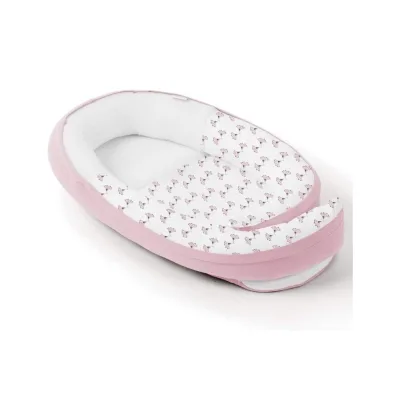


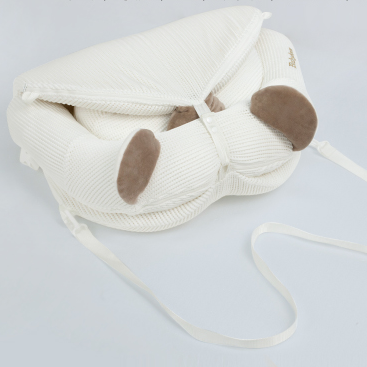
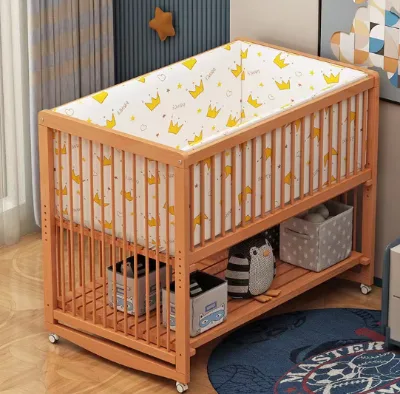


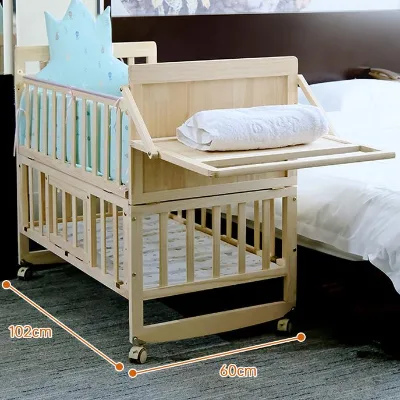
Infant Bed Baby′ S Bed Crib Baby′ S Cot
$130.00 - $250.00
MOQ: 10 Pieces
Sainty International Group Jiangsu Yangzhou Sumex Imp. & Exp. Co., Ltd.




Comprehensive Sourcing Guide
Lightweight Portable Baby Crib Sourcing Guide
Procuring a Lightweight Portable Baby Crib requires balancing mobility with structural integrity, as the primary function is to provide a safe sleep environment for infants during travel or temporary relocation. Buyers must prioritize models that offer a compact folded profile without compromising the stability of the base, ensuring the unit remains secure even on uneven surfaces. The observed market data indicates a diverse range of options, from multifunctional European-style cribs to simple American designs, each catering to specific logistical needs and aesthetic preferences.
When evaluating potential inventory, it is essential to distinguish between units designed for permanent home use and those engineered specifically for portability. The available listings reveal variations in weight, with some models weighing as little as 0.85kg, while others are heavier, suggesting different material densities and construction methods. Sourcing decisions should hinge on whether the buyer needs a unit that folds into a small bag for air travel or a sturdier frame that disassembles for ground shipping, as these functional differences significantly impact the total cost of ownership and user convenience.
Product Scope and Observed Listing Signals
The current market for portable baby cribs presents a wide spectrum of styles, ranging from modern and simple designs to European and American aesthetics, allowing buyers to align product selection with their target demographic's preferences. Listings indicate that customization is widely available, enabling retailers to request specific colors, patterns, or branding elements to differentiate their offerings. This flexibility extends to the physical attributes of the crib, with options for height-adjustable frames or fixed configurations, ensuring that the final product meets the specific ergonomic requirements of the intended user base.
Observations of product listings reveal that materials vary significantly, with metal frames being a common choice for durability, while some specialized models utilize organic cotton for the sleeping surface to enhance comfort and safety. The observed data includes specific model numbers such as H23-F10 and BNB-5707, which correspond to distinct dimensional standards and packing requirements. Buyers should note that while some units are sold as multifunctional sleep beds, others are strictly designed as portable nests, and understanding these functional distinctions is critical for accurate inventory planning and marketing positioning.
Technical Specifications to Verify
Dimensional accuracy is a primary technical consideration, as the listed standards vary from 904850cm for compact travel nests to larger frames measuring 1206076cm for more permanent setups. Buyers must verify that the unfolded dimensions match the advertised specifications to ensure the crib fits within the intended space, whether it is a hotel room, a grandparent's house, or a nursery. The presence of height-adjustable features in some models versus unadjustable frames in others requires careful selection based on the age and size of the infants who will be using the product, as improper height settings can affect accessibility and safety.
Structural integrity and weight are equally critical technical parameters that define the usability of the portable crib. The observed weight range spans from 0.85kg to 2.2kg, indicating significant differences in material composition and build quality that directly impact portability. Buyers should confirm the disassembly capabilities of the unit, as some models are designed to fold completely while others may require partial disassembly for transport. Verifying the specific model number against the standard dimensions ensures that the product will function as intended and that the packaging, whether cardboard cartons or OPP polybags, is sufficient to protect the item during transit.
Compliance and Safety Documentation
Safety compliance is non-negotiable in the baby product sector, and buyers must ensure that all portable cribs meet recognized international testing standards such as EN716. The observed data explicitly references this standard, indicating that suppliers are aware of the rigorous testing required for stability and structural safety in baby furniture. Procurement teams should request valid test reports that confirm the product has passed these specific safety evaluations, as this documentation is often required for customs clearance and retail compliance in various global markets.
In addition to structural testing, material safety certifications play a vital role in the overall safety profile of the crib. The listings mention ISO9000 and ISO14001 certifications, which reflect the supplier's commitment to quality management and environmental responsibility, though these do not replace specific product safety tests. Buyers should verify that the materials used, such as the 75% organic cotton mentioned in specific listings, are free from harmful chemicals and dyes. Ensuring that the product is marked as "New" and meets all relevant safety standards is essential to mitigate liability risks and build trust with end consumers.
Cost Drivers and Commercial Terms
The pricing structure for lightweight portable baby cribs is influenced by a combination of material costs, design complexity, and the level of customization requested. The observed price range of 4.56 to 350 USD reflects the vast difference between basic, unbranded travel nests and premium, multifunctional units with advanced features and high-end finishes. Buyers must analyze the cost per unit against the expected retail margin, considering that higher-priced items often include additional value propositions such as superior materials, extended warranties, or more sophisticated folding mechanisms.
Minimum Order Quantities (MOQ) and lead times are significant commercial factors that affect the financial viability of the procurement strategy. The observed MOQ range of 1 to 500 units suggests that suppliers offer flexibility for small-scale testing or larger bulk orders, allowing buyers to manage their cash flow and inventory risk effectively. However, the specific lead times and production capacity for custom orders should be confirmed early in the negotiation process, as customization requests for colors, patterns, or branding can extend the manufacturing timeline and impact the overall supply chain efficiency.
Supplier Qualification and Quality Control
Supplier qualification begins with verifying the geographic origin and manufacturing capabilities of the potential partners, as the data indicates production primarily from China, with specific mentions of Zhejiang and Anhui provinces. Buyers should assess the supplier's ability to maintain consistent quality across different production batches, especially when dealing with custom orders that require specific patterns or branding. The presence of established certifications like ISO9000 suggests a baseline level of operational maturity, but on-site audits or third-party inspections may be necessary to ensure that the quality control processes are robust and effective.
Quality control protocols must be strictly enforced to prevent defects that could compromise the safety or functionality of the portable crib. Buyers should implement a clear inspection plan that covers critical checkpoints, such as the stability of the frame, the integrity of the fabric, and the accuracy of the folding mechanism. Given the variation in product models and specifications, it is crucial to define acceptance criteria for each specific model number before production begins. Regular communication with the supplier regarding quality issues and the implementation of corrective actions will help maintain the high standards required for baby products.
Long-Term Procurement Checks
Sustaining a successful procurement relationship requires ongoing monitoring of supplier performance and product consistency over time. Buyers should establish a system for tracking defect rates and customer feedback to identify any recurring issues with specific models or production batches. The dynamic nature of the baby product market means that safety standards and consumer expectations may evolve, necessitating regular reviews of the supplier's ability to adapt to new requirements and maintain compliance with updated regulations.
Strategic planning for long-term procurement involves evaluating the supplier's capacity to scale production and manage supply chain disruptions. As the business grows, the ability to secure consistent lead times and maintain competitive pricing becomes increasingly important. Buyers should foster a collaborative relationship with their suppliers, sharing market insights and forecasting data to ensure that production schedules align with demand fluctuations. This proactive approach helps mitigate risks and ensures a steady supply of high-quality portable baby cribs that meet the evolving needs of the market.
FAQs
What certifications do lightweight portable baby cribs have?
These cribs typically hold ISO9000 and ISO14001 certifications, ensuring quality management and environmental standards. Some models also meet En716 testing standards for safety. Buyers should verify specific documentation for each supplier to confirm compliance with international regulations before placing bulk orders.
Can lightweight portable baby cribs be customized?
Yes, customization is available for many Lightweight Portable Baby Crib models. Suppliers offer options for specific colors like grey or blue, and various styles including European, American, or modern designs. Buyers can request tailored specifications to match their brand requirements or target market preferences effectively.
What are the standard specifications for these cribs?
Standard specifications vary by model, with common dimensions including 120*60*76cm, 100*70*76cm, and 110*76*78cm. Some portable nests are smaller, such as 90*48*50cm. These dimensions ensure adequate space for infants while maintaining portability, allowing for easy transport and storage in various environments.
Where are lightweight portable baby cribs manufactured?
These products are primarily manufactured in China, with specific origins including Zhejiang and Anhui provinces. Buyers can source from various regional factories that specialize in metal or organic cotton materials. Understanding the origin helps in evaluating logistics costs and supply chain reliability for international procurement.
What materials are used in lightweight portable baby cribs?
Materials include metal frames for durability and 75% organic cotton for soft, safe sleeping surfaces. Some models feature simple or multifunctional designs. The choice of material impacts weight and portability, with some units weighing as little as 0.85kg, making them ideal for travel and everyday use.
How are lightweight portable baby cribs packaged?
Packaging options include cardboard cartons and individual OPP polybags. Each unit is typically packed as one piece per polybag or carton, ensuring protection during transit. This packaging method helps reduce damage risks and optimizes shipping volume, which is crucial for cost-effective international logistics and inventory management.